The media ecosystem of the 1980s underwent a massive transition driven by the explosive growth of cable television, the commercialization of home video via VHS and Betamax, the dawn of the personal computer era, and the maturation of global corporate conglomerates. This decade transformed passive audiences into active consumers who could record, schedule, and curate their own entertainment, fundamentally reshaping information delivery, advertising, and popular culture.
The Paradigm Shift: From Broadcast Monopoly to Fragmented Channels
For decades, traditional media consumption relied heavily on centralized broadcasting. In television, viewers in many developed nations were limited to a handful of national terrestrial networks. The 1980s fractured this monolithic structure through the rapid expansion of cable television and satellite distribution.
The Rise of Specialty Cable Networks
Networks like MTV (Music Television), launched in 1981, CNN (Cable News Network), which pioneered 24-hour rolling news in 1980, and ESPN transformed television programming. Instead of broadcasting broad-appeal content designed to capture the largest possible evening audience, cable networks targeted niche demographics. This segmentation changed advertising strategies, forcing brands to tailor messages to specific subcultures, age groups, and consumer interests.
Regulatory and Economic Forces
Government deregulation played a significant role in media expansion during this period. In the United States, the relaxation of ownership caps and the implementation of the Cable Communications Policy Act of 1984 fueled massive investments in cable infrastructure. Media corporations consolidated rapidly, acquiring independent stations, publishing houses, and film studios to secure vertical integration across multiple distribution channels.
Home Video Revolution: VCR, Betamax, and Timeshifting
The introduction and mass adoption of videocassette recorders (VCRs) altered how audiences interacted with visual media. For the first time, viewers were no longer bound by network broadcast schedules.
The Format War and Technological Specifications
The battle between Sony’s Betamax format, introduced in the late 1970s, and Japan Victor Company’s (JVC) VHS format, launched earlier in Japan and gaining global dominance in the 1980s, stands as a classic case study in consumer electronics. While Betamax offered slightly superior video resolution, VHS won the market due to longer recording times (initially two hours compared to Betamax's one hour, which was crucial for recording feature films and sports broadcasts) and more aggressive licensing and manufacturing partnerships by JVC and its parent company, Matsushita.
| Feature / Metric | Betamax (Sony) | VHS (JVC / Matsushita) |
|---|---|---|
| Introduction Year | 1975 (Global adoption continued into 1980s) | 1976 (Widespread 1980s dominance) |
| Tape Width | 0.5 inches (12.7 mm) | 0.5 inches (12.7 mm) |
| Initial Recording Time | 1 hour | 2 hours |
| Resolution / Quality | ~250 lines horizontal resolution (slightly sharper) | ~240 lines horizontal resolution |
| Market Outcome | Phased out by mid-1980s for consumer use | Industry standard until digital transition |
Cultural Impact: Timeshifting and the Rental Market
Timeshifting—recording television programs to watch at a later time—liberated viewers from rigid television guides. Concurrently, the birth of the video rental store created a secondary distribution market for Hollywood studios. Films that underperformed in theatrical runs found profitability on cassette, and a vibrant culture of direct-to-video filmmaking emerged.
Print Journalism and Publishing in Transition
While electronic media dominated headlines, print media experienced its own evolution during the 1980s under pressure from electronic competition and corporate restructuring.
Newspapers and the Adoption of Computerization
Newsrooms transitioned from manual typewriters and physical typesetting to early computer terminals, such as those provided by Atex and Wang Laboratories. This technological shift streamlined editing and layout processes, allowing for faster turnaround times and more flexible page designs. Major metropolitan newspapers expanded their national reach, while local papers faced increasing competition from suburban weeklies and cable news.
Magazines and Micro-Targeting
Specialty magazines flourished during the 1980s, mirroring the niche fragmentation seen on cable television. Publications focused on computing (such as Byte and PC Magazine), fitness, specialized hobbies, and lifestyle choices attracted targeted advertising revenue. This era also saw the launch of influential pop-culture and style magazines like The Face (1980) and Spy (1986), which redefined graphic design and satirical journalism.
The Infancy of Digital and Electronic Media
Long before the commercial World Wide Web, the 1980s laid the foundational infrastructure for modern digital communication.
- Personal Computers: Machines like the Commodore 64, Apple II, and IBM PC introduced word processing, digital graphics, and electronic communication to homes and small businesses.
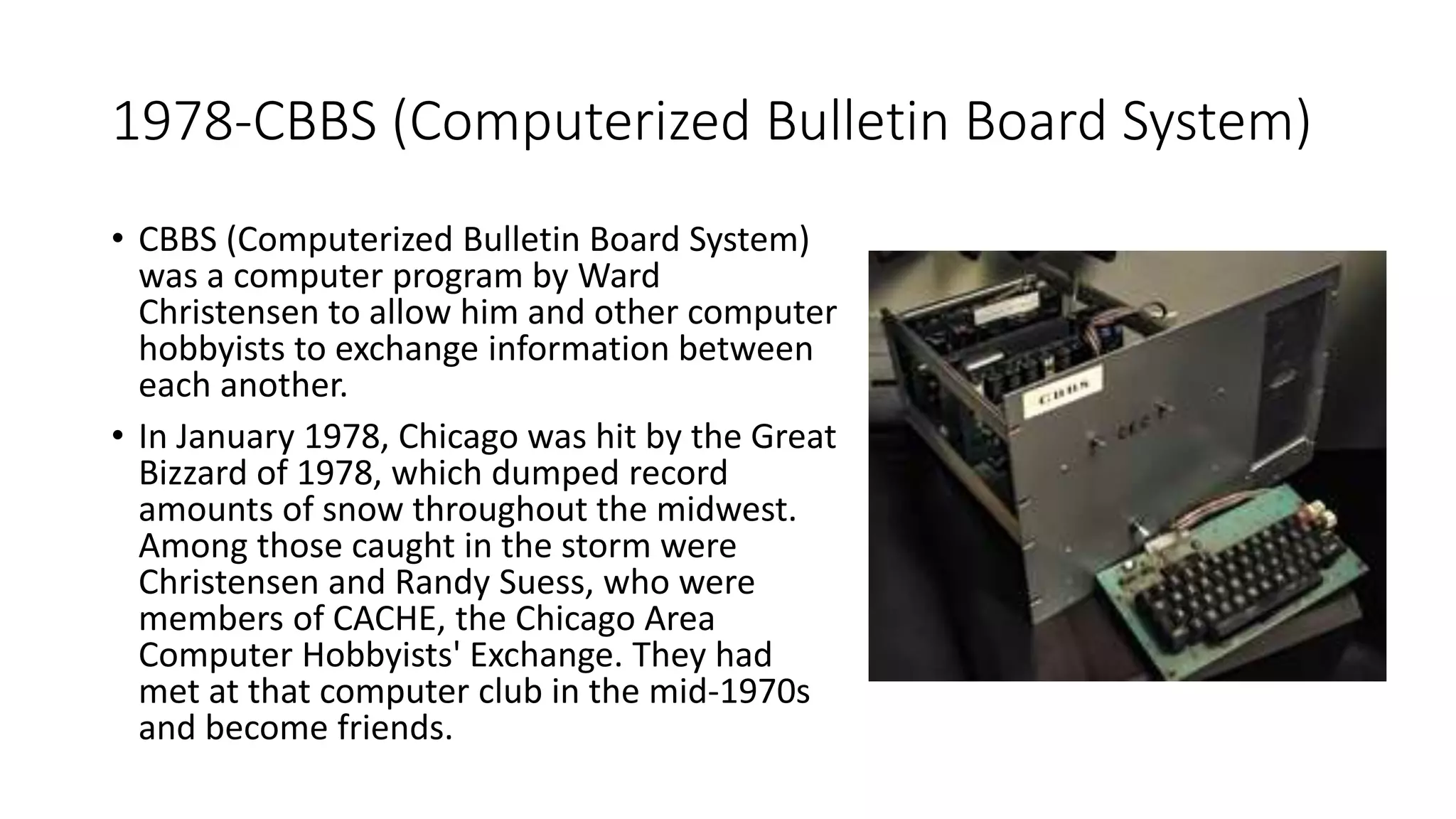
- BBS Culture: Bulletin Board Systems (BBS) allowed hobbyists to connect via dial-up modems, exchanging messages, sharing early shareware, and establishing online communities decades before mainstream internet access.
- Video Games: The video game crash of 1983 nearly destroyed the industry, but the 1985 North American launch of the Nintendo Entertainment System (NES) revitalized interactive media, establishing hardware and software standards that persist today.
Frequently Asked Questions
How did the VCR change television viewing habits in the 1980s?
The VCR introduced "timeshifting," enabling viewers to record broadcast programs and watch them whenever they chose. This disrupted traditional viewing schedules and gave rise to the home video rental industry, allowing consumers to build personal film libraries and watch feature-length movies at home without relying on television broadcast windows.
Why did VHS defeat Betamax in the 1980s format war?
While Betamax offered marginally sharper picture quality, VHS won due to longer initial recording times—two hours compared to Betamax's one hour—which was necessary to record full-length movies and sporting events. Furthermore, JVC licensed the VHS format more openly to various electronics manufacturers, driving down hardware costs and building a larger library of pre-recorded software.
What role did MTV play in the music industry during the 1980s?
Launched in August 1981, MTV transformed popular music into a visual medium. It created promotional music video standards, launched the careers of numerous 1980s pop and rock icons through heavy rotation, and established a direct marketing pipeline to youth demographics that record labels quickly capitalized upon.
How did print media adapt to technological changes in the 1980s?
Newsrooms and publishing houses replaced mechanical typewriters and hot-metal typesetting with computerized text-processing systems. Simultaneously, publishers responded to the rise of targeted cable television by launching specialized magazines tailored to distinct consumer hobbies, computing interests, and lifestyle segments.
What were the major milestones of digital media before the internet era?
The 1980s saw the widespread adoption of home personal computers like the Commodore 64 and IBM PC, the rise of dial-up Bulletin Board Systems (BBS) for early text-based networking, and the recovery of the interactive entertainment industry following the introduction of the Nintendo Entertainment System in 1985.
Conclusion and Historical Significance
The media landscape of the 1980s established the structural and technological foundations of modern digital culture. By breaking broadcast monopolies, decentralizing distribution through home video and cable, and introducing early personal computing, the decade redefined the relationship between media producers and consumers. Analyzing this era provides essential context for understanding today’s fragmented, on-demand media environment.