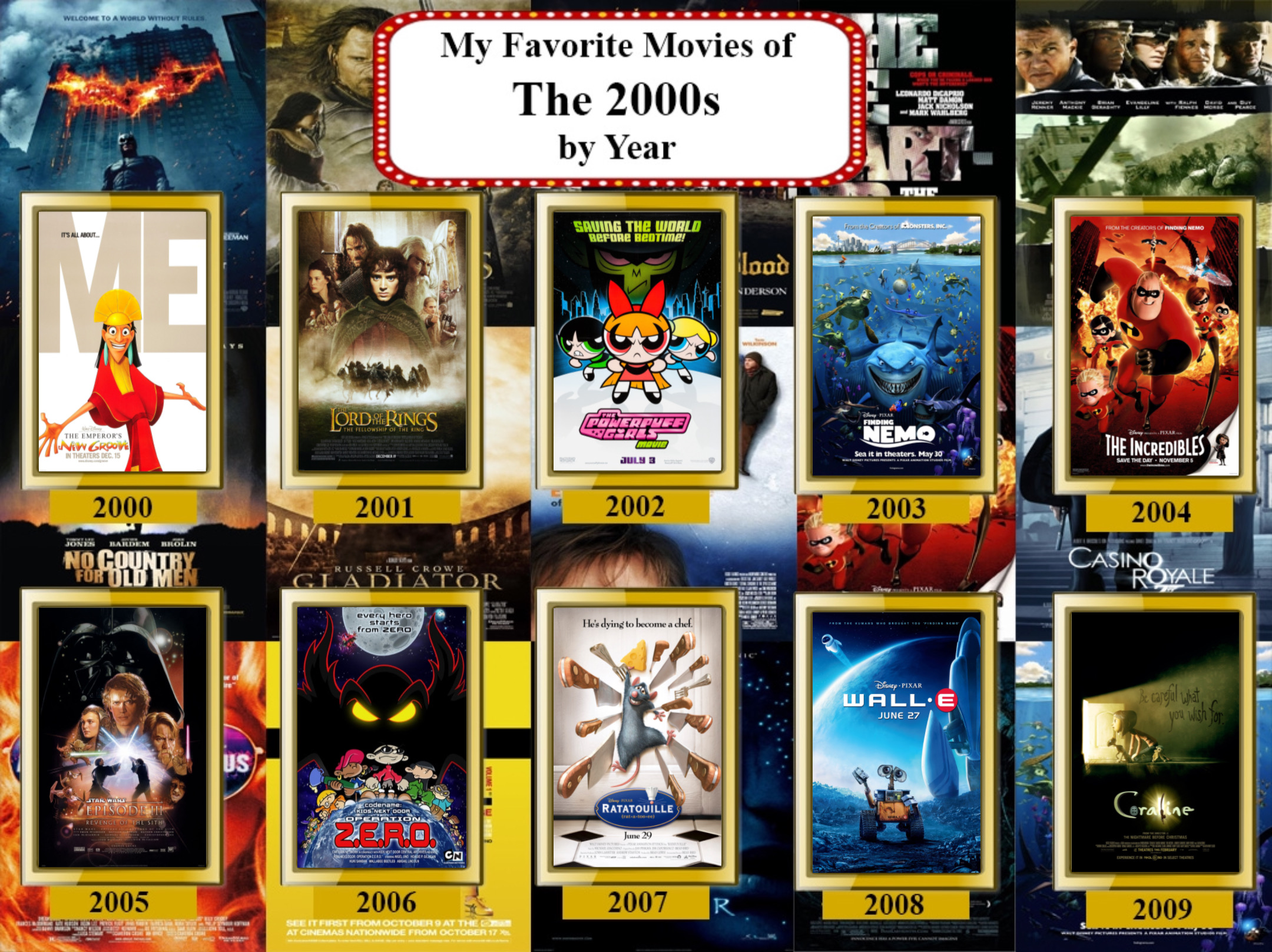
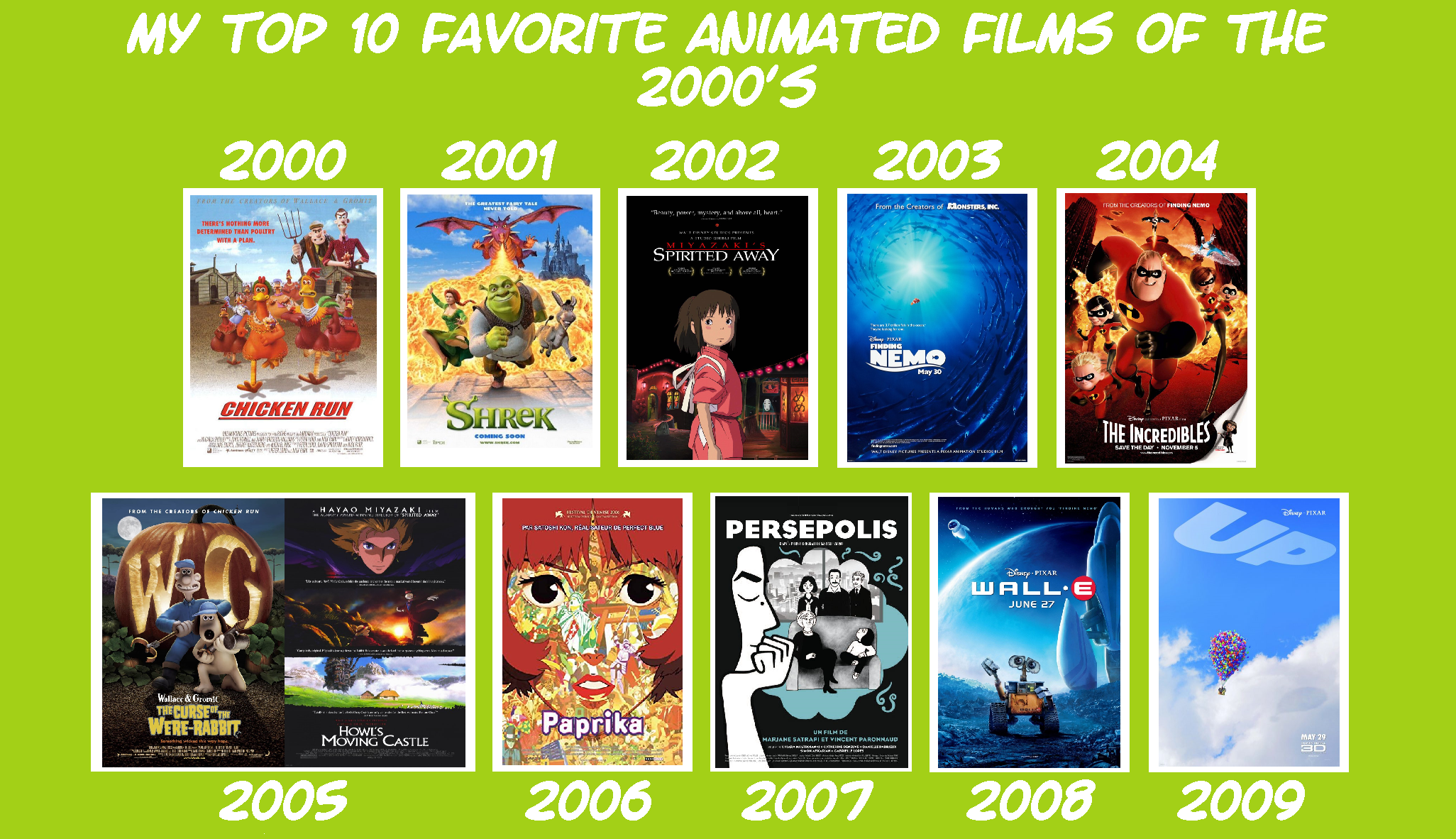
The 2000s film landscape was a transformative transitional era defined by the rapid shift from traditional celluloid filmmaking to digital production, the birth of modern cinematic universes, and the rise of prestige independent cinema. This decade reshaped global box offices, redefined visual effects standards, and established storytelling formats that continue to influence contemporary entertainment.
Introduction to the Cinematic Landscape of the 2000s
The period spanning from January 1, 2000, to December 31, 2009, represents one of the most dynamic epochs in motion picture history. Sitting directly between the independent film boom of the 1990s and the complete franchise dominance of the 2010s, 2000s film production captured a distinct cultural anxiety, technological ambition, and stylistic evolution. Filmmakers navigated the immediate aftermath of the digital revolution while managing the geopolitical shifts of a post-9/11 world.
During this decade, studios radically altered their distribution models, marketing campaigns, and greenlighting strategies. The emergence of computer-generated imagery (CGI) transitioned from a novelty to a foundational tool, allowing directors to visualize impossible worlds with unprecedented fidelity. Simultaneously, a thriving independent scene challenged mainstream formulas, proving that intimate character studies could achieve both critical acclaim and commercial viability. Understanding 2000s film requires examining how these technological leaps, industry shifts, and socio-political factors intersected on the silver screen.
Technological Shifts: The Transition to Digital and CGI Integration
The most profound operational change during the 2000s was the industry-wide migration from photochemical film stock to digital capture and projection formats. While George Lucas pioneered the high-definition digital aesthetic with Star Wars: Episode II – Attack of the Clones (2002), shot entirely on high-definition digital video, the broader industry adopted digital tools incrementally.
The Evolution of Visual Effects
Computer-generated imagery matured significantly over the course of the decade. In the early 2000s, motion-capture technology achieved a major milestone with Peter Jackson’s The Lord of the Rings trilogy (2001–2003), particularly through Andy Serkis's performance as Gollum. This proved that digital characters could convey nuanced emotional depth, paving the way for James Cameron’s Avatar (2009). Shot with revolutionary stereoscopic virtual-camera systems, Avatar fundamentally altered box office expectations and ignited a worldwide, albeit short-lived, 3D theatrical boom.
However, this reliance on digital tools introduced new challenges. Films that leaned too heavily on green-screen environments often struggled with artificial lighting integration and temporal durability. Conversely, directors who combined practical stunts, physical makeup, and selective CGI—such as Christopher Nolan in The Dark Knight (2008)—created tactile, enduring cinematic experiences.
The Rise of the Blockbuster Franchise and Shared Universes
Before the 2000s, blockbuster filmmaking relied heavily on standalone sequels and self-contained action properties. The turn of the century, however, codified the serialized cinematic universe and multi-film adaptation model that dominates the global box office today.
Adapting Epic Literature
The commercial blueprint for modern franchise management was established by fantasy adaptations. The Lord of the Rings and the Harry Potter series (which began with Harry Potter and the Sorcerer's Stone in 2001) proved that studios could schedule multi-year, multi-billion-dollar production slates with guaranteed global audiences. These franchises established meticulous world-building techniques, extensive pre-production timelines, and unprecedented merchandise integration.
Comic Book Adaptations Come of Age
Comic book adaptations underwent a radical tonal and structural evolution. Early entries like X-Men (2000) and Spider-Man (2002) legitimized the superhero genre for mainstream audiences. By the end of the decade, two distinct approaches redefined the landscape:
- The Gritty Reboot: Christopher Nolan’s Batman Begins (2005) and The Dark Knight (2008) introduced psychological realism and practical grit to comic book narratives.
- The Shared Continuity Launch: Jon Favreau’s Iron Man (2008) laid the foundational groundwork for the Marvel Cinematic Universe (MCU), establishing a serialized storytelling model across multiple intellectual properties.
The Golden Age of Indie Cinema and Prestige Drama
While major studios consolidated around high-budget intellectual property, the 2000s also witnessed a golden era for independent cinema and mid-budget prestige dramas. Financially backed by specialty divisions like Miramax, Focus Features, and Fox Searchlight, directors enjoyed creative freedoms that rarely existed within the traditional studio system.
Key Characteristics of 2000s Independent Film
Independent cinema of this era frequently tackled complex moral ambiguities, economic anxieties, and social alienation. Masterpieces such as Paul Thomas Anderson’s There Will Be Blood (2007) and the Coen brothers' No Country for Old Men (2007) examined American capitalism, violence, and fatalism with unflinching rigor.
Furthermore, international art-house cinema achieved notable crossover success in Western markets. Wong Kar-wai’s In the Mood for Love (2000) and Guillermo del Toro’s dark fantasy Pan's Labyrinth (2006) demonstrated that subtitles were no longer a barrier for audiences seeking sophisticated visual storytelling.
Genre Comparison: Mainstream Blockbusters vs. Independent Cinema
To fully appreciate the duality of 2000s film, it is helpful to contrast the structural, financial, and artistic priorities of studio blockbusters against independent productions of the same era.
| Metric / Feature | Studio Blockbusters (e.g., The Dark Knight, Avatar) | Independent / Prestige Cinema (e.g., Lost in Translation, Juno) |
|---|---|---|
| Average Budget | $100M – $250M+ USD | $3M – $20M USD |
| Primary Distribution | Wide global theatrical releases (4,000+ screens) | Platform releases, expanding based on word-of-mouth |
| Risk Profile | High financial stakes requiring international box office returns | Low-to-moderate financial stakes with high artistic autonomy |
| Dominant Technology | Cutting-edge CGI, IMAX, 3D stereoscopic cameras | Handheld digital cameras, natural lighting, practical sets |
| Cultural Impact | Pop-culture dominance, merchandising, multi-film sequels | Critical acclaim, Academy Awards recognition, cult status |
Socio-Political Influence and Post-9/11 Cinema
Cinema invariably reflects the societal pressures of its time of production. The terrorist attacks of September 11, 2001, and the subsequent geopolitical conflicts in the Middle East profoundly influenced the thematic undercurrents of 2000s film.
Mainstream action and science fiction films frequently engaged in allegories regarding state surveillance, civil liberties, and preemptive warfare. Steven Spielberg’s Minority Report (2002) explored the ethical dilemmas of pre-crime policing and security versus freedom. Meanwhile, the psychological exhaustion of modern warfare informed gritty war dramas like Kathryn Bigelow’s The Hurt Locker (2008), which captured the hyper-vigilance and adrenaline addiction of explosive ordnance disposal technicians in Iraq.
Concurrently, a wave of biting satirical comedies and documentaries emerged to critique political hypocrisy and corporate greed. Michael Moore’s documentary Fahrenheit 9/11 (2004) broke box office records for the documentary genre, proving that political discourse could drive commercial theatrical attendance.
Frequently Asked Questions
What defined the visual style of 2000s film?
The visual style of 2000s film was marked by a transition from film grain to high-definition digital clarity, alongside the widespread adoption of CGI. Many action films from the era also popularized the "teal and orange" color grading palette, which increased visual contrast and made actors stand out against stylized backgrounds.
How did the 2000s change the superhero movie genre?
The decade transformed superhero films from campy, niche adaptations into serious, billion-dollar cinematic tentpoles. Landmark releases like X-Men and Spider-Man proved commercial viability, while The Dark Knight demonstrated that comic book adaptations could achieve artistic prestige and deep psychological complexity.
What role did streaming play in the 2000s film industry?
Streaming played a nascent role during this decade. Netflix operated primarily as a DVD-by-mail rental subscription service, launching its foundational streaming portal in 2007. Physical media—specifically DVDs and later Blu-ray discs—remained the primary driver of home entertainment revenue and studio profitability throughout the 2000s.
Why are 2000s mid-budget films considered endangered today?
Industry analysts note that studios in the 2000s regularly financed $30M to $60M dramas, comedies, and thrillers. As global ticketing economics shifted in the 2010s toward massive intellectual property events, studios largely abandoned this financial tier, shifting mid-budget storytelling to premium television and streaming platforms.
Conclusion and Next Actions
The 2000s film era established the modern cinematic blueprint, balancing the birth of interconnected franchises with bold, auteur-driven independent filmmaking. For cinephiles and industry researchers looking to engage deeper with this era, a strategic approach is recommended: explore foundational milestones by cross-referencing Academy Award nominees with domestic and international box office records, and examine how physical DVD special features document the rapid technological shifts of the time.