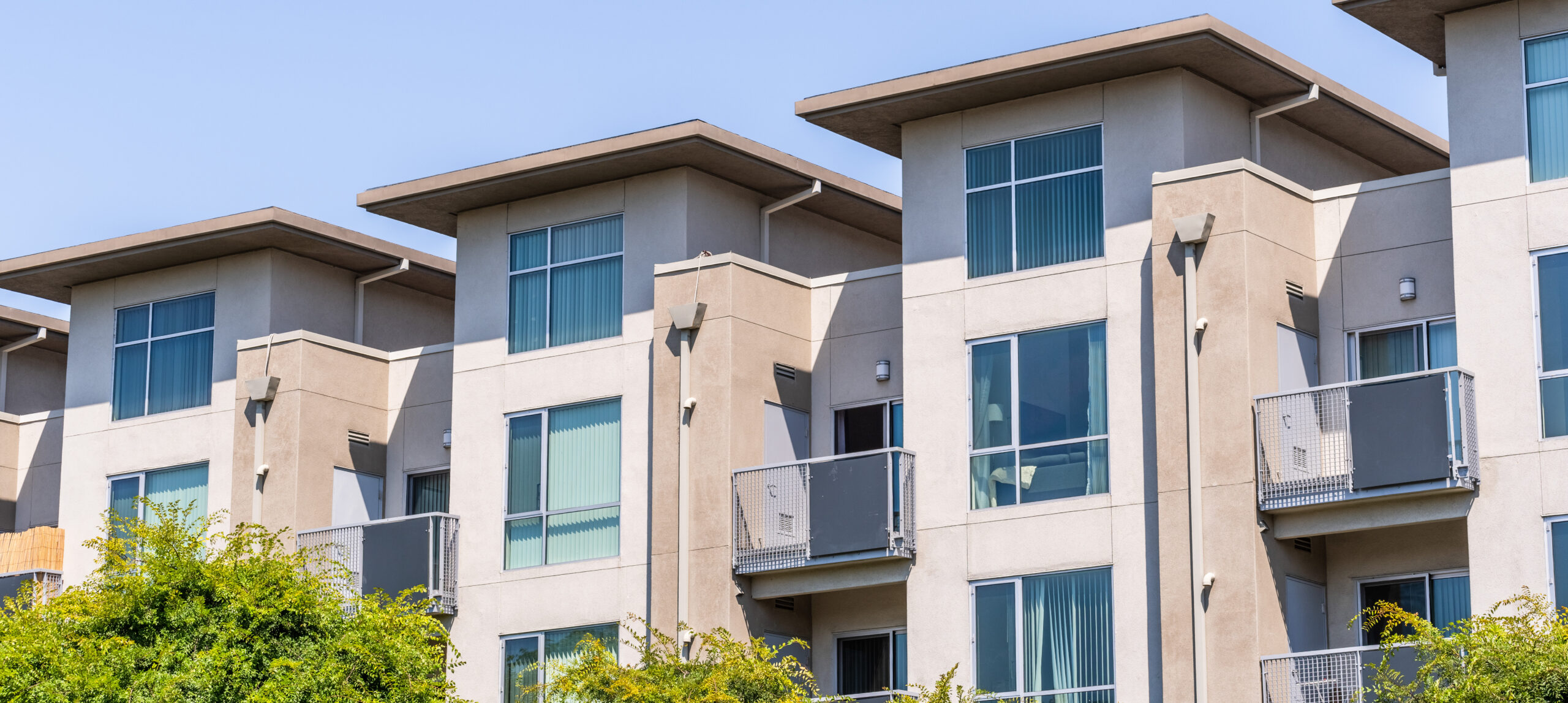
A 6U multifamily property refers to a residential real estate asset containing exactly six individual dwelling units under a single tax parcel or ownership structure. These properties represent a critical bridge in the housing market, sitting between small-scale residential properties and larger, institutional-grade apartment complexes, offering distinct advantages for investors seeking cash flow, scalability, and simplified management.
Defining the 6U Multifamily Asset Class
In the context of real estate investment and urban planning, a 6U multifamily property is categorized by its unit count. While residential housing is often categorized broadly as "multifamily," lenders and municipal zoning departments draw sharp lines between asset classes based on the number of units. A six-unit property occupies a unique space: it is large enough to benefit from economies of scale that duplexes or triplexes cannot achieve, yet it remains small enough to be financed and managed by individual investors or small partnerships without the heavy administrative burden required by fifty-unit complexes.
When identifying a 6U property, investors must first confirm the legal status of the building. A property with six units may sometimes be mislabeled in listings. It is essential to distinguish between a legal six-unit property—which has been permitted and zoned for that density—and an illegal conversion where a single-family home or smaller multifamily building was partitioned without the necessary municipal approvals. Operating a non-conforming 6U asset carries significant legal and financial risks, including potential forced eviction of tenants, mandatory structural renovations, or the imposition of severe zoning fines.
Financing Considerations for Six-Unit Properties
Financing for 6U multifamily properties differs significantly from standard residential home mortgages. In most jurisdictions as of 2026, a property with five or more units is classified as "commercial multifamily." This shift is fundamental because it moves the asset out of the realm of residential lending (such as conventional 30-year fixed-rate mortgages backed by Fannie Mae or Freddie Mac) and into the world of commercial real estate (CRE) lending.
Commercial loans for 6U assets typically feature shorter amortization schedules, often ranging from 20 to 25 years, and interest rates that adjust every five to ten years. Lenders focus less on the borrower's personal debt-to-income ratio and more on the property’s Debt Service Coverage Ratio (DSCR). A common requirement is that the property’s Net Operating Income (NOI) must cover the annual debt service by a factor of 1.25x or higher. Before pursuing a 6U acquisition, investors should prepare a comprehensive business plan that includes:
- Current Rent Roll: A verified list of all tenants, current lease terms, and monthly rental rates.
- Operating Statements: Historical data showing income and expenses for the past 24–36 months.
- Property Condition Report: An assessment of the roof, HVAC systems, plumbing, and electrical infrastructure.
- Capital Expenditure (CapEx) Budget: A detailed plan for necessary deferred maintenance or value-add renovations.
Zoning, Regulation, and Legal Compliance
Zoning regulations dictate the density allowed on a specific plot of land. For an investor, the most critical factor is ensuring the 6U status is "grandfathered" or permitted under current local ordinances. Some municipalities have specific codes for "small multifamily" that dictate everything from fire safety requirements to the number of parking spaces required per unit.
In 2026, many urban areas are updating their housing density requirements to combat supply shortages. Investors should verify if their 6U property is subject to rent control or tenant protection ordinances, which can significantly impact revenue projections. Furthermore, fire safety codes for six-unit buildings are often stricter than those for four-unit buildings. For example, a transition from four to six units may trigger a requirement for an integrated sprinkler system or hardwired fire alarm systems that meet commercial, rather than residential, codes. Failure to verify these requirements before acquisition can result in massive unexpected capital expenditures.
Comparative Overview of Small-Scale Multifamily Assets
Understanding how a 6U asset compares to other common residential configurations is vital for portfolio construction.
| Feature | 1-4 Units (Residential) | 6 Units (Commercial) | 10+ Units (Institutional) |
|---|---|---|---|
| Loan Type | Conventional/Residential | Commercial/Portfolio | Institutional/Agency |
| Loan Term | 30 Years Fixed | 5-25 Years (Balloon) | 10-30 Years |
| Management | Often Self-Managed | Professional or Pro-Active | Professional Required |
| Valuation | Based on Sales Comparison | Based on NOI / Cap Rate | Based on NOI / Cap Rate |
| Risk Profile | Low (Owner-occupiable) | Moderate (Commercial risk) | Higher (Market sensitivity) |
Operational Management and Maintenance
The management of a 6U property often represents the inflection point where self-management becomes inefficient for many investors. While a single-family rental or a duplex might be manageable on a part-time basis, a six-unit building often requires a more rigorous approach to operations.
Maintenance Scheduling: With six units, the likelihood of concurrent maintenance requests increases. Implementing a proactive maintenance plan—where HVAC systems are serviced annually and roofs are inspected twice a year—prevents minor issues from becoming unit-wide emergencies.
Lease Management: Utilizing a standardized lease that complies with local landlord-tenant laws is essential. In a 6U configuration, administrative tasks such as recurring rent collection, security deposit handling, and regular property inspections can be effectively automated through property management software.
The "Value-Add" Strategy: Many 6U investors seek to improve the building's value through modest renovations. Common value-add projects include upgrading kitchen finishes, replacing flooring, or improving energy efficiency to justify higher rent tiers. By increasing the NOI, the investor directly increases the valuation of the building, which is typically calculated as NOI / Capitalization Rate.
Common Challenges and Troubleshooting
High Vacancy Rates
If a 6U property experiences high vacancy, the cash flow impact is magnified compared to a larger apartment complex. Because there are fewer total units, one vacant unit represents roughly 16.7% of the building’s total potential income. To troubleshoot this, analyze the competitive landscape. If the vacancy is due to outdated units, targeted interior upgrades are often the most effective solution.
Unexpected Utility Costs
In many 6U buildings, utilities were historically master-metered, meaning the landlord pays for water, gas, or electricity. This removes the incentive for tenants to conserve energy. A primary goal for many investors is the "RUBS" (Ratio Utility Billing System) implementation, where the landlord recovers utility costs by billing tenants based on occupancy or square footage. Always verify local laws before modifying utility billing structures.
Deferred Maintenance
Older 6U properties often suffer from decades of deferred maintenance. When conducting due diligence, pay special attention to the "hidden" systems. Older plumbing—specifically galvanized piping—can be a ticking time bomb for water leaks. Budgeting for these repairs during the acquisition phase is vital to maintaining long-term profitability.
Frequently Asked Questions
Is a 6U multifamily property considered residential or commercial?
In almost all lending environments, a 6U property is classified as commercial real estate. While it houses people, the scale of the building shifts the risk profile and financing requirements away from standard residential mortgage products used for 1-4 unit properties.
What is the primary advantage of investing in a 6U asset over a 4-plex?
The primary advantage is the move into the commercial valuation model. A 4-plex is typically valued based on what other nearby houses sold for (comparables). A 6U building is valued based on the income it generates (NOI), meaning that if you can improve the operations and increase the income, you have direct control over increasing the property's market value.
Can I live in one of the units in a 6U building?
Yes, this is known as "house hacking" in a commercial context. While more complex than doing so in a duplex, occupying one unit while renting out the other five can be an effective way to lower your living expenses while allowing the remaining units to cover the debt service and operating expenses.
What insurance requirements exist for a 6U property?
You will typically need a Commercial General Liability policy and a Commercial Property policy. Because it is a commercial asset, your insurance provider will likely require a higher level of liability coverage than a standard landlord policy for a single-family home.
How do I calculate the cap rate for a 6U property?
The cap rate is calculated by dividing the Net Operating Income (NOI) by the purchase price. For example, if a 6U building generates $60,000 in NOI per year and the purchase price is $1,000,000, the cap rate is 6%.
Next Steps for Prospective Investors
If you are considering the acquisition of a 6U multifamily property, your first action should be to consult with a commercial mortgage broker who specializes in small-balance multifamily loans. They can provide a clear picture of current interest rates, required down payment percentages—which are often 25% to 35% for commercial assets—and the specific documentation lenders will require. Simultaneously, engage a commercial property inspector who has experience with multi-unit buildings to perform a thorough review of the structure's mechanical, electrical, and plumbing (MEP) systems.