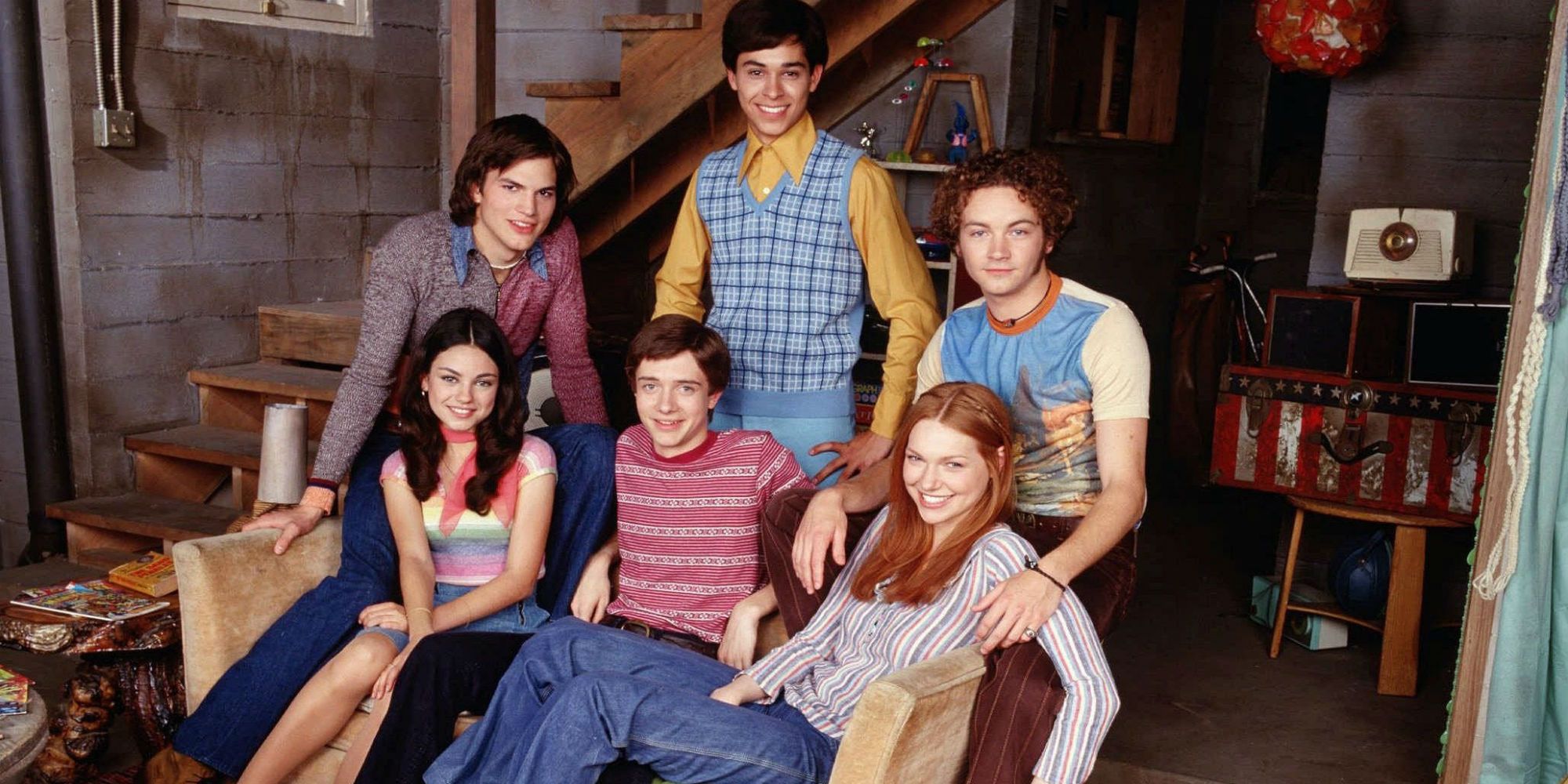
That '70s Show remains a cornerstone of late-1990s and early-2000s television, capturing the quintessential aesthetic and social dynamics of the 1970s through the lens of a group of teenagers coming of age in Point Place, Wisconsin. Navigating the full lineup of characters requires understanding both the central ensemble of friends who populated the Forman basement and the core group of adults who anchored the show’s generational conflict. This guide details the primary cast members, their character profiles, and the essential roles they played throughout the series' eight-season run from 1998 to 2006.
The Core Circle: The Teenage Ensemble
The heart of the series is the "Circle," a recurring stylistic and narrative device where the group of friends gathers in Eric Forman’s basement to discuss their lives, grievances, and local gossip. The dynamics within this group remained relatively stable for most of the show's tenure, defined by long-standing friendships, evolving romances, and distinct personality archetypes.
Eric Forman
Played by Topher Grace, Eric serves as the show’s protagonist for the majority of its run. He is the quintessential suburban teenager: intelligent but socially awkward, often caught between his desire for independence and his reliance on his parents. His relationship with Donna Pinciotti serves as the series' primary emotional anchor. His character arc focuses on his attempts to escape the perceived stagnation of Point Place, ultimately leading to his departure to Africa to teach.
Donna Pinciotti
Portrayed by Laura Prepon, Donna is characterized by her independence, intelligence, and ambition. Unlike the other female characters of the group, Donna is often depicted as more grounded and assertive. Her dynamic with Eric is marked by a constant tug-of-war between their shared history and her personal career goals, which frequently extend beyond the borders of their small town.
Steven Hyde
Danny Masterson portrays Hyde, the cynical, conspiracy-theorist member of the group. Hyde’s character is defined by his turbulent family background and his self-imposed status as the outsider. He functions as the group’s voice of social critique, providing a sharp contrast to the more conventional aspirations of his friends. Despite his gruff exterior, he remains the most fiercely loyal friend in the circle.
Michael Kelso
Ashton Kutcher plays Kelso, the quintessential "pretty boy" of the group. Kelso is defined by his lack of traditional intelligence and his intense focus on his appearance and social status. His character provides much of the series' physical comedy. Throughout the series, his maturation—or lack thereof—is contrasted with his high-stakes, often disastrous romantic entanglements, most notably with Jackie Burkhart.
Jackie Burkhart
Mila Kunis portrays Jackie, who begins the series as the spoiled, image-conscious girlfriend of Kelso. Over time, Jackie evolves into a more complex character, forced to navigate the loss of her family’s wealth and her changing social standing among her peers. Her interactions with the rest of the group, particularly her evolving relationship with Hyde, provide a significant portion of the character-driven drama.
Fez
Wilmer Valderrama plays Fez, an exchange student from an unnamed foreign country. Fez serves as the cultural outsider, often providing a comedic perspective on American customs and social norms. His character is marked by his intense curiosity, his struggle to assimilate, and his often desperate attempts to navigate the dating world.
The Parental Figures and Mentors
The conflict between the teenage protagonists and their parents is a fundamental component of the show's narrative structure. The adults in the series are not merely background characters; they represent the societal values of the 1970s against which the younger characters are rebelling.
Red Forman
Kurtwood Smith plays Red, a Korean War veteran and an employee at a local auto parts plant. Red is famous for his no-nonsense attitude and his signature catchphrase involving his desire to place his foot in someone's "posterior." He represents the stern, traditional father figure who struggles to understand the changing cultural landscape of the mid-70s.
Kitty Forman
Debra Jo Rupp portrays Kitty, the matriarch of the Forman household. Kitty is defined by her nurturing nature, her high-pitched laugh, and her frantic efforts to keep her family unit intact. She serves as the mediator between the volatile personalities of Red and Eric, often operating as the emotional stabilizer for the entire group.
Bob and Midge Pinciotti
Don Stark and Tanya Roberts play the Formans' neighbors, Bob and Midge. Bob is the cheerful, somewhat dim-witted owner of an appliance store, often serving as a foil to Red’s grumpiness. Midge represents the beauty standards and domestic expectations of the era, and her eventual move away from Point Place serves as a catalyst for changes in the neighborhood’s social dynamic.
Character Comparative Summary
The following table provides a quick reference for the core cast, their character archetypes, and their primary status within the series’ narrative.
| Actor | Character Name | Primary Archetype | Key Relationship |
|---|---|---|---|
| Topher Grace | Eric Forman | Protagonist/Reluctant Son | Donna Pinciotti |
| Laura Prepon | Donna Pinciotti | Independent/Ambitious | Eric Forman |
| Danny Masterson | Steven Hyde | Outsider/Conspiracy Theorist | Jackie Burkhart |
| Ashton Kutcher | Michael Kelso | The "Pretty Boy"/Comedic Relief | Jackie Burkhart |
| Mila Kunis | Jackie Burkhart | The Socialite/Growth-Oriented | Hyde / Kelso |
| Wilmer Valderrama | Fez | The Cultural Outsider | The Group |
| Kurtwood Smith | Red Forman | The Stern Patriarch | Kitty Forman |
| Debra Jo Rupp | Kitty Forman | The Nurturing Matriarch | Red Forman |
Evolution and Late-Series Transitions
As the series progressed toward its final seasons in 2005 and 2006, the cast saw significant changes. The departure of Topher Grace and Ashton Kutcher near the end of the show necessitated shifts in the narrative focus. New characters were introduced to fill the vacuum, such as Randy Pearson (played by Josh Meyers), who attempted to assimilate into the group’s existing hierarchy.
The transition from a high-school-centered narrative to one dealing with the early transition into adulthood is a critical turning point in the series. The characters’ priorities shift from avoiding homework and curfews to navigating employment, long-term romantic commitments, and the reality of leaving home. This evolution serves to ground the final act of the show, even as the tone shifts to accommodate a different ensemble structure.
Recurring Support Roles
Beyond the core lineup, the show relied on several recurring characters to flesh out the world of Point Place:
- Leo Chingkwake (Tommy Chong): A Vietnam veteran and the owner of the Foto Hut where Hyde works. Leo serves as the group’s unconventional mentor, representing the "stoner" culture of the 1970s with a focus on peace, love, and a very forgetful disposition.
- Laurie Forman (Lisa Robin Kelly/Christina Moore): Eric’s manipulative older sister. Her character arc centers on her antagonistic relationship with her brother and her parents, providing a source of constant domestic tension.
- Pastor Dave (Kevin McDonald): A representative of the local church whose attempts to connect with the teenagers often result in awkward, comedic encounters.
Frequently Asked Questions
Did the entire original cast remain for all eight seasons?
No. The show experienced significant turnover in the final two seasons. Topher Grace (Eric) left the show after the seventh season, and Ashton Kutcher (Kelso) transitioned to a recurring status, appearing in only a few episodes of the final season.
How did the show handle the departure of lead actors?
The writers utilized character exits to bridge the narrative gaps. Eric left to teach in Africa, which served as his ultimate maturation point. Kelso left Point Place to be closer to his daughter in Chicago. These departures allowed the remaining cast to shift the group dynamic, focusing more on the adult relationships between characters like Hyde, Jackie, and Donna.
Is the "Circle" a real place or a filming trick?
The "Circle" is a cinematographic device used in the production. The cameras were placed on a rotating rig in the center of the basement set, allowing the audience to view each character's reaction sequentially as they spoke, mimicking the experience of sitting in a circle during a conversation.
What happened to the character of Laurie Forman?
Laurie Forman was originally played by Lisa Robin Kelly. Following Kelly's departure from the show, the role was recast with Christina Moore for the show’s later seasons to maintain the character’s function as the antagonistic older sister.
Was the show's setting essential to the characters?
Yes. The show is deeply rooted in the specific social and economic climate of mid-to-late 1970s Wisconsin. The reliance on the auto plant for local employment, the conservative small-town social mores, and the cultural shifts of the era all directly influence the choices made by the characters, particularly the tension between Red and the teenagers.
How does the show define the "1970s" experience?
The series uses music, fashion, and historical touchstones—such as the Ford Pinto, the gas crisis, and popular media of the era—as markers to ground the audience in the time period. The characters’ struggles, however, remain largely universal, focusing on the transition to adulthood and the complexities of friendship.
Next Steps for Fans
For viewers looking to re-examine the series, it is recommended to pay close attention to the stylistic choices in the early seasons compared to the later years. Notice how the lighting, camera work, and even the character archetypes soften as the show transitions from a high-school comedy to a story about young adults. Understanding the specific motivations of each character—from Eric’s desire for escape to Hyde’s search for stability—provides a much richer experience than watching the comedy alone. For the most accurate historical context regarding the show's production history and cast updates, consult the archives of the original network, FOX, which maintain the official records of the show's eight-season broadcast history.