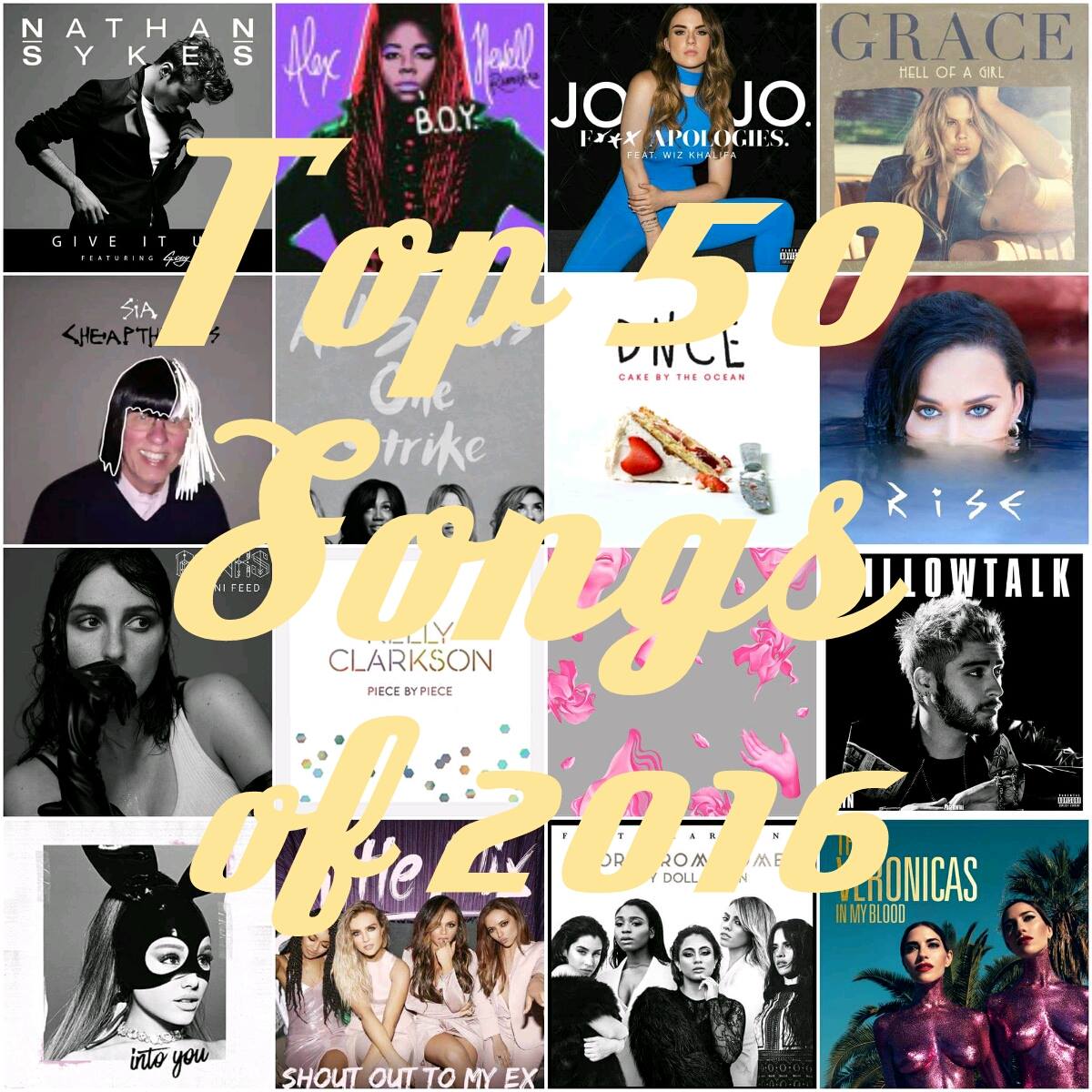
The year 2016 stands as a monumental epoch in modern music history, characterized by genre-blending experimentation, high-profile visual albums, streaming dominance, and profound cultural introspection. Defined by a turbulent socio-political backdrop and the sudden losses of several musical legends, the tracks released during this period mirrored a collective cultural shift, cementing streaming platforms as the primary arbiters of commercial success while reshaping pop, hip-hop, and electronic dance music.
The Cultural and Industry Landscape of 2016 Music
To understand the sonic fingerprint of 2016 songs, one must examine the structural transformation of the music industry during that calendar year. By 2016, on-demand streaming services such as Spotify and Apple Music had reached a tipping point, fundamentally altering how tracks were produced, marketed, and consumed. The traditional album rollout faced disruption as artists leveraged surprise drops, Apple Music exclusivity deals, and multi-media visual accompaniments to capture fragmented consumer attention.
Furthermore, the Billboard charts underwent a methodology shift in 2014 and 2015 that fully matured by 2016, incorporating paid subscription streams and ad-supported audio streams into its calculations. This favored tracks with high replay value, shifting the focus from physical single sales to playlist placement and continuous loop streams. Concurrently, electronic dance music (EDM) transitioned away from maximalist, festival-heavy "drop" structures toward more restrained, tropical house-infused and dancehall-leaning pop hybrids. Hip-hop continued its aggressive ascent toward commercial dominance, dissolving traditional boundaries between rap verses and melodic pop hooks.
Landmark Releases and Genre-Defining Albums
While individual tracks dominated radio waves and streaming playlists, 2016 was fundamentally driven by cohesive, high-concept long-form projects that spawned enduring singles. These albums functioned as cultural touchstones, capturing the zeitgeist of mid-decade anxiety, racial tension, romantic dissolution, and personal rebirth.
Beyoncé and Lemonade
Beyoncé’s visual album Lemonade, released in April 2016, redefined the modern pop release strategy. Anchored by the aggressive, southern trap-infused lead single "Formation"—which dropped as a surprise visual ahead of her Super Bowl 50 halftime performance—the album traversed genres from rock ("Don't Hurt Yourself" featuring Jack White) to country ("Daddy Lessons") and soulful balladry ("Hold Up"). The music video for "Formation" became an immediate catalyst for academic and cultural discourse regarding race, Southern identity, and political resistance.
Frank Ocean and Blonde
After years of intense anticipation and contractual maneuvering, Frank Ocean released his visual album Endless followed swiftly by his sophomore studio album White Frank—commercially titled Blonde—in August 2016. Rejecting traditional radio structures, Blonde relied on avant-garde ambient textures, minimal percussion, warped vocals, and deeply vulnerable lyricism. Tracks like "Nights" and "Pink + White" showcased a post-genre songwriting style that heavily influenced the alternative R&B and indie-pop landscapes for the remainder of the decade.
Kanye West and The Life of Pablo
Kanye West’s The Life of Pablo introduced a novel concept to the streaming era: the "living album." Released exclusively via Tidal in February 2016, West continued to tweak, mix, and add verses to tracks post-release. Songs like "Famous," "Father Stretch My Hands Pt. 1," and "Ultralight Beam" captured a chaotic synthesis of gospel, electronic production, and raw confessional rap, highlighting the hyper-connected, anxious nature of 2010s digital culture.
Commercial Giants: The Chart-Toppers of 2016
Commercial radio and streaming charts in 2016 were dominated by infectious collaborations, tropical house beats, and emotionally resonant pop anthems. Several tracks achieved historic longevity on the Billboard Hot 100, soundtracking the year across global markets.
| Track Title | Artist(s) | Primary Genre | Key Characteristic or Achievement |
|---|---|---|---|
| "Closer" | The Chainsmokers ft. Halsey | Electropop / Tropical House | Spent 12 consecutive weeks at number one on the Billboard Hot 100. |
| "One Dance" | Drake ft. Wizkid & Kyla | Dancehall / Afrobeats | Became one of the first songs to surpass one billion streams on Spotify. |
| "Cheap Thrills" | Sia ft. Sean Paul | Reggaeton / Pop | A globally ubiquitous dance anthem that hit number one following years of pitched-form songwriting. |
| "Hello" | Adele | Soul / Pop | Released in late 2015, its massive momentum carried deeply into 2016 as a record-breaking streaming and sales juggernaut. |
| "Black Beatles" | Rae Sremmurd ft. Gucci Mane | Trap / Hip-Hop | Propelled to number one due to its viral association with the "Mannequin Challenge" social media trend. |
The Rise of Tropical House and Dancehall Cross-Pop
The commercial success of Drake's "One Dance" and Rihanna's "Work" (featuring Drake) signaled a definitive pivot toward Caribbean and African rhythmic influences in mainstream Western pop. Dancehall beats, patois-inflected cadences, and bouncy basslines supplanted the heavy electronic drops of the 2012–2014 EDM boom. Producers and vocalists alike leaned into smoother, mid-tempo grooves designed for continuous headphone listening as much as nightclub rotation.
The Somber Undertone: Memorializing Lost Legends
Any examination of 2016 music must acknowledge the profound grief that shadowed the year. The global music community experienced an unprecedented wave of losses among pioneering artists whose work had shaped generations of modern musicians.
The sudden passing of David Bowie in January 2016, just days after the release of his jazz-inflected, haunting final album Blackstar, set a reflective, elegiac tone for the year. Tracks like "Lazarus" took on immediate, haunting resonance as deliberate farewells. Later in the year, the death of Prince in April shocked the cultural landscape, prompting global tributes and a massive resurgence in physical and digital consumption of his peerless catalog. The passing of other influential figures such as Leonard Cohen, George Michael, Sharon Jones, and Phife Dawg further reinforced a sense that an irreplaceable era of musical authorship was drawing to a close.
Comparative Analysis: 2016 vs. Earlier 2010s Soundscapes
To appreciate how drastically the musical terrain shifted, it is instructive to compare the dominant sonic profiles of the early 2010s with those solidified by 2016.
- Production Style: Early 2010s pop was defined by maximalist electropop, high-energy club anthems produced by hitmakers like Dr. Luke and David Guetta, and soaring synth-heavy hooks. By contrast, 2016 favored atmospheric restraint, organic-electronic hybrids, moody R&B textures, and rhythmic minimalism.
- Distribution Models: While the early 2010s still maintained a foot in the digital download era (iTunes purchases) alongside early streaming adoption, 2016 marked the definitive turning point where streaming revenue surpassed physical and digital sales combined, permanently changing how songs were structured (e.g., shorter intros, optimized for immediate engagement).
- Album Formats: The concept album and the visual companion piece reached a zenith in 2016 with works like Lemonade and Blonde, moving away from the "collection of radio singles" format that characterized much of the preceding decade's commercial pop.
Frequently Asked Questions About 2016 Music
What was the biggest song of 2016 globally?
Commercially and statistically, "Closer" by The Chainsmokers featuring Halsey and Drake's "One Dance" vied for the top global spots. "Closer" dominated North American radio and streaming with a record-tying run near the top of the charts, while "One Dance" broke global streaming milestones on Spotify.
How did streaming impact music releases in 2016?
The maturation of streaming services in 2016 encouraged artists to release surprise albums, utilize platform exclusives (such as Apple Music and Tidal), and focus on high-repeatability tracks. Playlisting became a primary vehicle for hit-making, altering song lengths and structural arrangements.
Which genres dominated the charts in 2016?
Hip-hop, dancehall-infused pop, and tropical house dominated the commercial landscape. Hip-hop asserted its dominance as the new pop mainstream, while traditional electronic dance music evolved into softer, radio-friendly pop collaborations.
Why is 2016 considered a significant year for albums?
2016 is remembered for high-concept, critically acclaimed masterworks that challenged traditional industry rollouts, including Beyoncé’s Lemonade, Frank Ocean’s Blonde, David Bowie’s Blackstar, and Kanye West’s The Life of Pablo.
What tragic events impacted the music industry in 2016?
The year was marked by the deaths of several legendary artists, most notably David Bowie and Prince, whose passings deeply affected the global cultural consciousness and prompted widespread critical re-evaluations of their vast catalogs.
Practical Takeaways for Music Historians and Enthusiasts
For those looking to explore or curate the music of 2016, the best approach is to examine both the chart-topping radio hits and the critically acclaimed visual albums as dual halves of a fractured cultural moment. Listening to albums like Blonde and Lemonade in their entirety reveals the artistic rebellion against fast-food streaming singles, while revisiting tracks by Drake, Rihanna, and The Chainsmokers maps out the blueprint for late-2010s pop production. The year remains a fascinating study in how an industry facing technological disruption and profound personal grief still managed to produce some of the most enduring art of the modern era.