The 1980s sitcom redefined American television by shifting away from traditional working-class domestic settings toward affluent lifestyles, diverse family structures, and workplace ensembles, utilizing the multi-camera setup before studio-audience formats began to evolve toward single-camera realism in later decades.
The landscape of television comedy underwent a profound transformation during the 1980s. Emerging from the socially turbulent, topical comedies of the 1970s—which frequently tackled overt political issues and gritty urban realities—the 1980s sitcom pivoted toward aspirational comfort, character-driven workplace dynamics, and reimagined domestic configurations. This era established the templates for modern television syndication, merchandising, and the long-running ensemble cast, leaving an indelible imprint on popular culture that continues to resonate across streaming platforms today.
Understanding the phenomenon of the 1980s sitcom requires examining its structural mechanics, socioeconomic context, technological shifts, and the enduring creative legacies left by networks like NBC, ABC, CBS, and Fox.
The Sociopolitical Shift: From Social Satire to Aspirational Comfort
To comprehend why the 1980s sitcom evolved the way it did, one must look at the shifting cultural mood of the United States. The 1970s had been dominated by Norman Lear productions like All in the Family and Maude, which dragged cultural anxieties, racial tensions, and generational divides directly into the living room. As the political and economic climate shifted toward a focus on consumer confidence, free-market optimism, and suburban expansion, television programmers adjusted their lenses.
Viewers increasingly sought escapism rather than confrontation. Consequently, the gritty urban apartments of the previous decade gave way to spacious suburban homes, upscale Brooklyn brownstones, and chic Manhattan penthouses. The focus moved away from institutional critique and toward individual charm, interpersonal conflict, and the gentle navigation of moral dilemmas within tightly knit domestic circles.
The Rise of the Aspirational Family
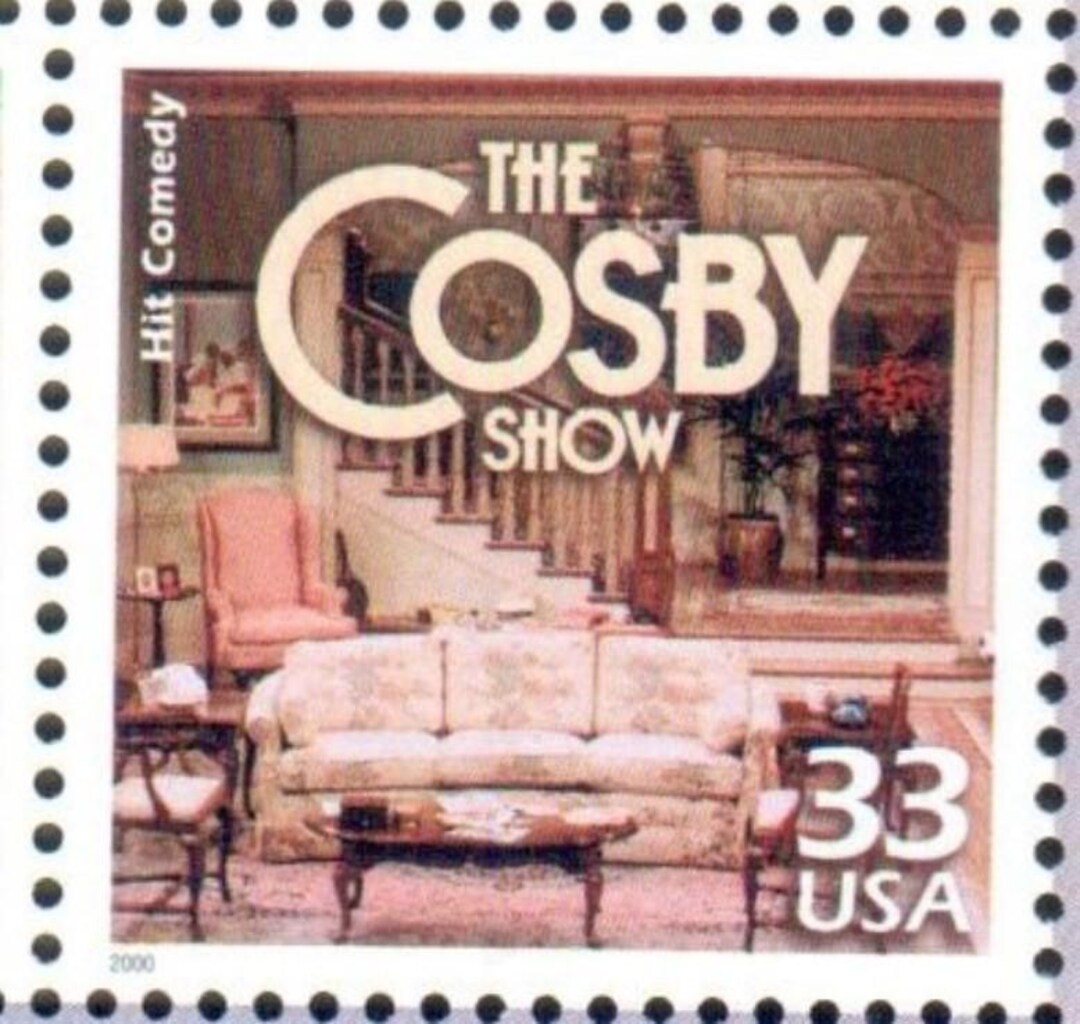
One of the defining archetypes of the decade was the upper-middle-class nuclear family. Shows like The Cosby Show, which debuted on NBC in 1984, shattered conventional wisdom regarding what demographic formulas could achieve commercial success. Featuring an obstetrician father and an attorney mother raising five children in a handsome Brooklyn brownstone, the Huxtable household represented an idealized, highly aspirational version of African American affluence and family stability.
Similarly, series like Family Ties explored the ideological friction of the era by pitting former 1960s radical counterculture parents against their Reagan-conservative, investment-minded teenage son, Alex P. Keaton. Rather than bitter political warfare, the show framed these differences through affectionate domestic comedy, proving that ideological divides could be smoothed over by family loyalty and witty banter.
Structural Mechanics: The Multi-Camera Studio Setup
Technically, the vast majority of 1980s sitcoms relied heavily on the traditional multi-camera, live-audience format (or filmed in front of a live studio audience with a staged laugh track enhancement). This production method carried distinct operational characteristics that shaped pacing, writing styles, and performance execution.
- Typical 1980s Production Workflow
- Table Read & Script Polish: Cast and writers refine jokes
- Blocking on Soundstages: Camera angles mapped to sets
- Live Studio Performance: Immediate audience feedback
- Post-Production Editing: Laughter mixing and syndication
The Three-Act Structure and Beat Sheets
Because episodes were typically constrained to 22 minutes (to accommodate commercial breaks), writers mastered a strict three-act narrative structure. Each act was engineered to culminate in a commercial break punctuated by a comedic hook or a mild emotional cliffhanger.
- Act I (The Setup): Introduction of the premise, establishment of the primary comedic tension or misunderstanding.
- Act II (The Escalation): Complications multiply, character flaws exacerbate the problem, and secondary subplots intertwine.
- Act III (The Resolution): The climax of the misunderstanding, followed by a mandatory "very special episode" moral lesson or a heartwarming family hug accompanied by swelling, sentimental string music.
Key Subgenres and Defining Shows
The decade can be neatly categorized into distinct subgenres that pioneered different storytelling techniques and audience engagement strategies.
1. The Workplace and Ensemble Sitcom
Moving away strictly from the home, the workplace sitcom thrived by gathering diverse personalities into confined environments where interaction was unavoidable.
- Cheers (NBC, 1993–1993): Set in a Boston bar where "everybody knows your name," Cheers perfected the art of the ensemble cast. It relied on sharp, overlapping dialogue, slow-burn romantic tension (Sam and Diane), and a rich gallery of supporting patrons and staff.
- Night Court (NBC, 1984–1992): Blending traditional workplace comedy with elements of the absurd, this series used a nocturnal municipal court in New York City as a surreal playground for eccentric defendants and an optimistic young judge.
2. High-Concept and Sci-Fi/Fantasy Sitcoms
The 1980s were uniquely hospitable to high-concept premises that would be considered financially risky in contemporary television markets.
- ALF (NBC, 1986–1990): Centered on a sarcastic, cat-eating extraterrestrial life form hiding out with a suburban California family, ALF combined puppetry with traditional domestic sitcom tropes.
- Growing Pains and Full House: These series perfected the heartwarming domestic formula, launching the careers of child and adolescent stars who would dominate teen magazine covers for the next decade.
Comparative Overview of Major 1980s Sitcom Categories
| Subgenre | Primary Setting | Core Narrative Focus | Representative Series |
|---|---|---|---|
| Domestic Aspirational | Suburban homes / Urban townhouses | Parenting, career balance, middle-class comfort | The Cosby Show, Family Ties |
| Workplace Ensemble | Bars, courtrooms, offices | Group camaraderie, witty banter, slow-burn romance | Cheers, Night Court |
| High-Concept / Fantasy | Suburban homes with a twist | Integration of supernatural, alien, or unusual entities | ALF, Bewitched (legacy), Out of This World |
| Alternative Family / Ensemble | Shared apartments / Lofts | Found family, generational clashes, non-traditional bonds | The Golden Girls, Diff'rent Strokes |
The "Very Special Episode" Phenomenon
A unique cultural artifact of the 1980s sitcom was the "Very Special Episode." While comedies traditionally prioritized lighthearted humor and episodic resets (where conflicts resolved completely by the end of the credit sequence), networks occasionally mandated episodes addressing serious social pathologies.
These installments tackled topics such as:
- Substance abuse and underage drinking
- Stranger danger and child abduction
- Eating disorders and mental health struggles
- Premature death and grief
While modern critics sometimes view these episodes as heavy-handed or melodramatic interruptions to comedic momentum, at the time they served a vital public service function. For millions of viewers before the advent of the internet and targeted cable programming, these broadcasts provided the primary accessible framework for discussing taboo or difficult subjects within families.
Syndication economics and the Long-Tail Legacy
The financial architecture of the television industry changed permanently during this decade, driven largely by the syndication boom. To clear the lucrative five-day-a-week strip syndication hurdle—requiring a minimum threshold of approximately 100 episodes—production companies heavily incentivized long-term cast contracts and dependable, repeatable formulas.
Shows that crossed this threshold generated immense generational wealth for studios and creators alike. This economic model ensured that 1980s comedies remained in constant daily rotation on local broadcast affiliates and basic cable networks (such as TBS, WGN, and Nick at Nite) throughout the 1990s and 2000s.
Influence on Modern Streaming and Nostalgia Culture
Today, the cultural footprint of the 1980s sitcom remains robust. Streaming platforms utilize the comforting, predictable cadence of these series as soothing background media for younger generations and potent nostalgia fuel for older demographics. The character archetypes, theme songs (such as Golden Girls' "Thank You for Being a Friend"), and catchphrases remain embedded in contemporary lexicon.
Frequently Asked Questions
What distinguished 1980s sitcoms from 1970s sitcoms?
While 1970s comedies often focused on gritty realism, sharp social satire, and working-class struggles, 1980s sitcoms pivoted toward aspirational comfort, upper-middle-class wealth, and heartwarming family dynamics, replacing overt political confrontation with character-driven escapism.
How many episodes were typically produced per season in an 1980s sitcom?
Unlike modern streaming series that often run for 8 to 10 episodes, 1980s broadcast sitcoms typically produced between 22 and 25 episodes per season to satisfy network programming schedules and reach the vital 100-episode syndication threshold.
Why did so many 1980s sitcoms feature live studio audiences?
The multi-camera setup filmed in front of a live studio audience provided immediate comedic timing feedback for actors, reduced production costs compared to single-camera film setups, and created an energetic, theatrical atmosphere that resonated through television audio tracks.
What was a "Very Special Episode"?
A "Very Special Episode" was a broadcast installment that temporarily suspended standard comedic routines to address serious, real-world social issues, such as drug abuse, peer pressure, or safety warnings, aiming to educate viewers while maintaining high ratings.
Recommended Next Actions
If you are exploring the history of television or looking to curate a watchlist from this era, consider starting with the foundational ensemble comedies like Cheers to observe masterclass character writing, or examine sociological milestones like The Cosby Show and Family Ties to understand how prime-time television reflected changing political and economic ideals. Pay close attention to how studio pacing and multi-camera blocking laid the technical groundwork for modern television production.