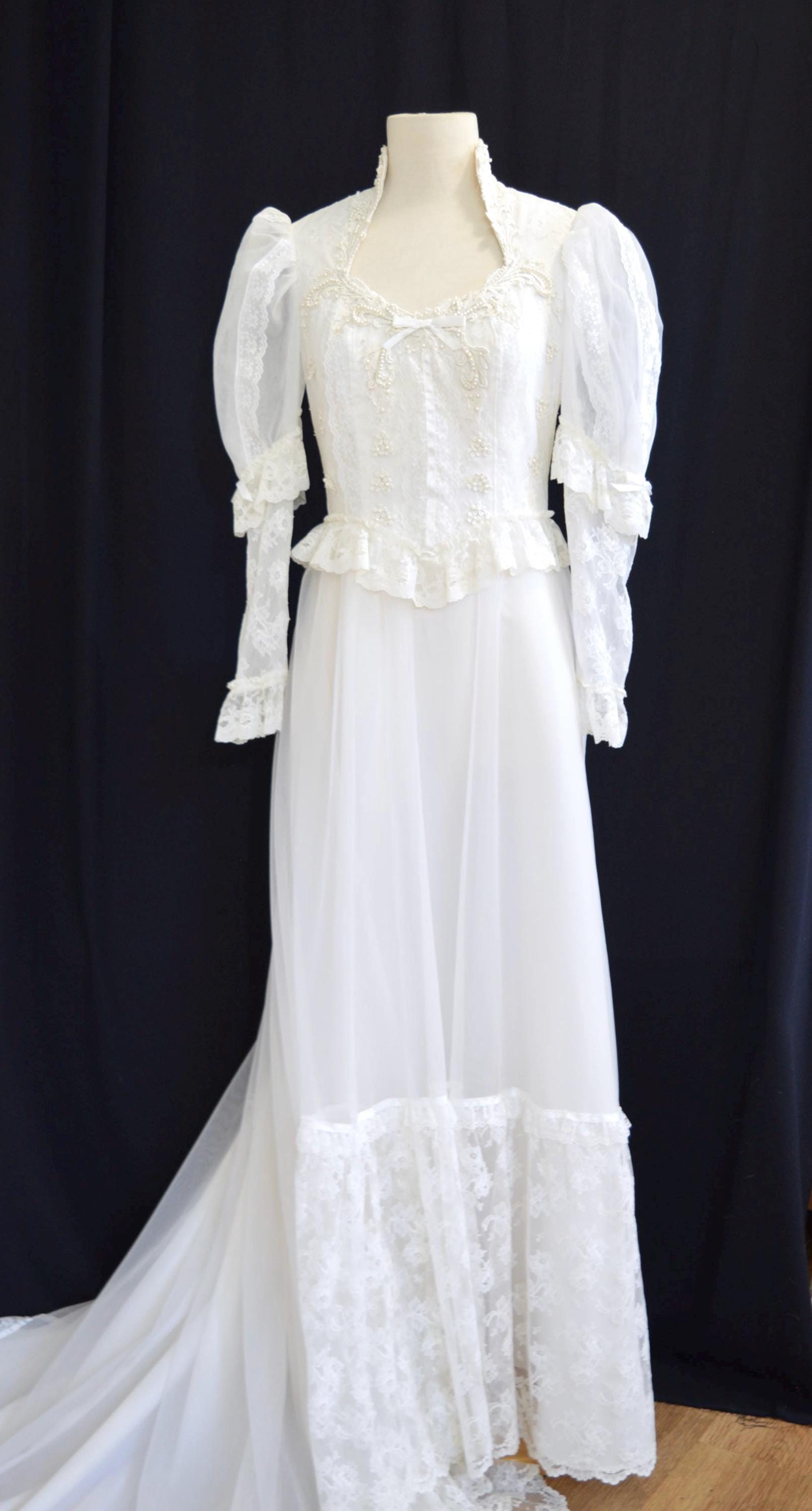
The 1980s bridal fashion era was defined by maximalism, theatrical silhouettes, opulent fabrics, and dramatic ornamentation, heavily influenced by royal weddings, pop culture icons, and the philosophy that more was undeniably better.
The Cultural Blueprint of 1980s Bridal Style
To understand 1980s bridal fashion, one must examine the decade's broader cultural landscape, which rejected the minimalist, bohemian counterculture of the 1970s in favor of conspicuous consumption, corporate ambition, and unbridled romance. Weddings became grand theatrical productions, and the bridal gown was the centerpiece. This era was characterized by a shift toward luxury, where brides sought to emulate royalty and cinematic stars.
The aesthetic was driven by an abundance of fabric, elaborate structural undergarments, and highly visible hand-crafted details. Rather than understated elegance, the goal was transformation. A bride in the 1980s was meant to look regal, commanding, and utterly distinct from everyday fashion. This desire for grandeur fostered a cottage industry of specialized bridal designers who experimented with volume, texture, and historical pastiche, drawing inspiration from the Victorian and Edwardian eras while utilizing modern synthetic textiles and manufacturing techniques.
The Royal Catalyst: The Impact of Princess Diana
No single event shaped 1980s bridal fashion more profoundly than the July 1981 wedding of Lady Diana Spencer to Charles, Prince of Wales. Designed by David and Elizabeth Emanuel, Diana’s ivory silk taffeta and antique lace gown set the global standard for bridal design overnight.
| Design Element | Impact on 1980s Bridal Market |
|---|---|
| 25-Foot Train | Sparked a demand for excessive, statement trains. |
| Puffed "Mutton" Sleeves | Became the defining sleeve silhouette of the era. |
| Cascading Bouquet | Replaced compact posies with heavy, trailing flora. |
| Crinoline Underskirts | Popularized ultra-full, bell-shaped ballgown skirts. |
The gown featured a dramatic 25-foot sequin-encrusted train, voluminous puffed sleeves, a ruffled neckline, and a heavy crinoline petticoat. Within weeks, millions of replicas and inspired designs flooded the market, from high-end couture salons to commercial sewing patterns. Brides across the globe wanted to feel like fairy-tale princesses, cementing volume and drama as non-negotiable elements of 1980s bridal aesthetics.
Key Silhouettes and Structural Engineering
The architecture of a 1980s wedding dress relied heavily on internal support structures to achieve its signature proportions. The silhouette was predominantly the grand ballgown, characterized by a fitted, often basque-waisted bodice that transitioned sharply into an extravagantly wide skirt.
The Bodice and Waistline
The basque waistline—which dipped into a sharp "V" shape well below the natural waist—was ubiquitous. This design elongated the torso while creating a stark contrast against the explosive volume of the skirt below. Bodices were rarely simple; they were heavily boned to maintain a rigid, corset-like shape and frequently embellished with seed pearls, faux crystals, and intricate lace appliqués.
The Sleeve Renaissance
Sleeves during this decade underwent a dramatic evolution, moving away from the understated cap sleeves of previous decades. The "mutton sleeve" or "gigot sleeve"—fitted at the forearm but ballooning dramatically at the shoulder—was a staple. Designers often used internal tulle structures, shoulder pads, and wire frameworks to ensure the sleeves maintained their gravity-defying height throughout a long wedding day.
Fabrics, Textures, and Trimmings
The sensory experience of 1980s bridal fashion was defined by weight, texture, and light reflection. Synthetic blends became increasingly sophisticated, allowing middle-class brides to afford heavy fabrics that previously required vast wealth.
- Silk Taffeta: Prized for its crisp hand and audible rustle, taffeta provided the structural integrity needed for massive skirts and sculptural bows.
- Chantilly and Alençon Lace: Used extensively for overlays, illusion necklines, and dramatic scalloped hems, lace added a layer of romantic tradition to otherwise modern, avant-garde silhouettes.
- Organza and Tulle: Layered by the yard beneath skirts and inside sleeves to create cloud-like diffusion and volume without adding unmanageable weight.
- Trimmings: Seed pearls, bugle beads, metallic threading, and satin bows were applied liberally. Large bows—often placed prominently at the lower back of the waistline—became a signature finishing touch.
Accessories: Veils, Headdresses, and Footwear
An 1980s bridal ensemble was incomplete without a heavily accessorized head and face. The minimalist veil of later decades had no place in this era of excess.
Headpieces and Veils
Veils were multi-tiered, voluminous, and often attached to elaborate Juliet caps, floral crowns, or tiara-style combs encrusted with faux pearls and crystals. Bluchers—the tier of the veil that covers the bride's face during the processional—were standard, often featuring delicate lace edging. Headpieces frequently sat high on the head, creating a halo effect that complemented the height of the gown's sleeves and hair styling.
Footwear and Jewelry
Footwear consisted primarily of satin pumps, often custom-dyed to match the exact shade of the ivory or white gown, featuring pointed toes and modest kitten or block heels for comfort during the reception. Jewelry was similarly prominent, favoring cascading pearl earrings, heavy chokers, and multi-strand bracelets that balanced the visual weight of the dress.
Groomswear and the Bridal Party
Bridal fashion did not exist in a vacuum; the wedding party was styled to match the theatricality of the bride. Grooms frequently wore formal morning dress, complete with tailcoats, striped trousers, and ascots, or embraced the popular white or pastel tuxedo jackets popularized by romantic cinema of the era.
Bridesmaids were often dressed in matching or complementary gowns that mirrored the design elements of the bride's dress, including puffed sleeves, ruffled collars, and dropped waists. Pastels—mint green, peach, lavender, and butter yellow—dominated the bridal party palette, frequently rendered in shimmering taffeta or iridescent changeant fabrics.
Frequently Asked Questions
What were the main defining characteristics of 1980s bridal fashion?
1980s bridal fashion was defined by maximalism, featuring voluminous ballgown skirts, large puffed sleeves, basque waistlines, extensive use of lace and seed pearls, and dramatic multi-tiered veils. The aesthetic prioritized theatrical grandeur, heavily influenced by royal weddings and pop culture.
How did Princess Diana influence wedding dress trends in the 1980s?
Princess Diana’s 1981 wedding gown set the global standard for the decade. Her dress popularized 25-foot trains, dramatic puffed mutton sleeves, ruffled necklines, and heavy crinoline skirts, inspiring millions of brides to adopt a fairy-tale princess aesthetic.
What types of fabrics were most commonly used in 1980s wedding gowns?
Designers frequently used silk taffeta, heavy satin, organza, and tulle to build structural volume. These fabrics were heavily embellished with Chantilly and Alençon lace, seed pearls, sequins, and metallic embroidery to create texture and light-catching detail.
Were colored wedding dresses popular in the 1980s?
While traditional white and ivory remained the overwhelming standard for brides, the 1980s also saw the introduction of soft pastels for bridal party attire and occasional subtle tinted accents on wedding gowns, such as pale pink or peach floral embroidery and matching colored sashes.
How has 1980s bridal fashion influenced modern wedding trends?
Modern bridal design occasionally references 1980s elements through the resurgence of statement sleeves, drop waists, and vintage-inspired lace detailing. Contemporary designers often reinterpret these elements with lighter, more fluid modern fabrics for a less restrictive fit.
Conclusion and Preservation of Vintage Style
For those looking to source, wear, or replicate 1980s bridal fashion today, the key is appreciating the craftsmanship and fearless commitment to drama that defined the era. Whether sourcing an authentic vintage gown from specialized archives or adapting its structural principles for a themed event, understanding the interplay of volume, structure, and ornamentation ensures an accurate and striking representation of this iconic decade.