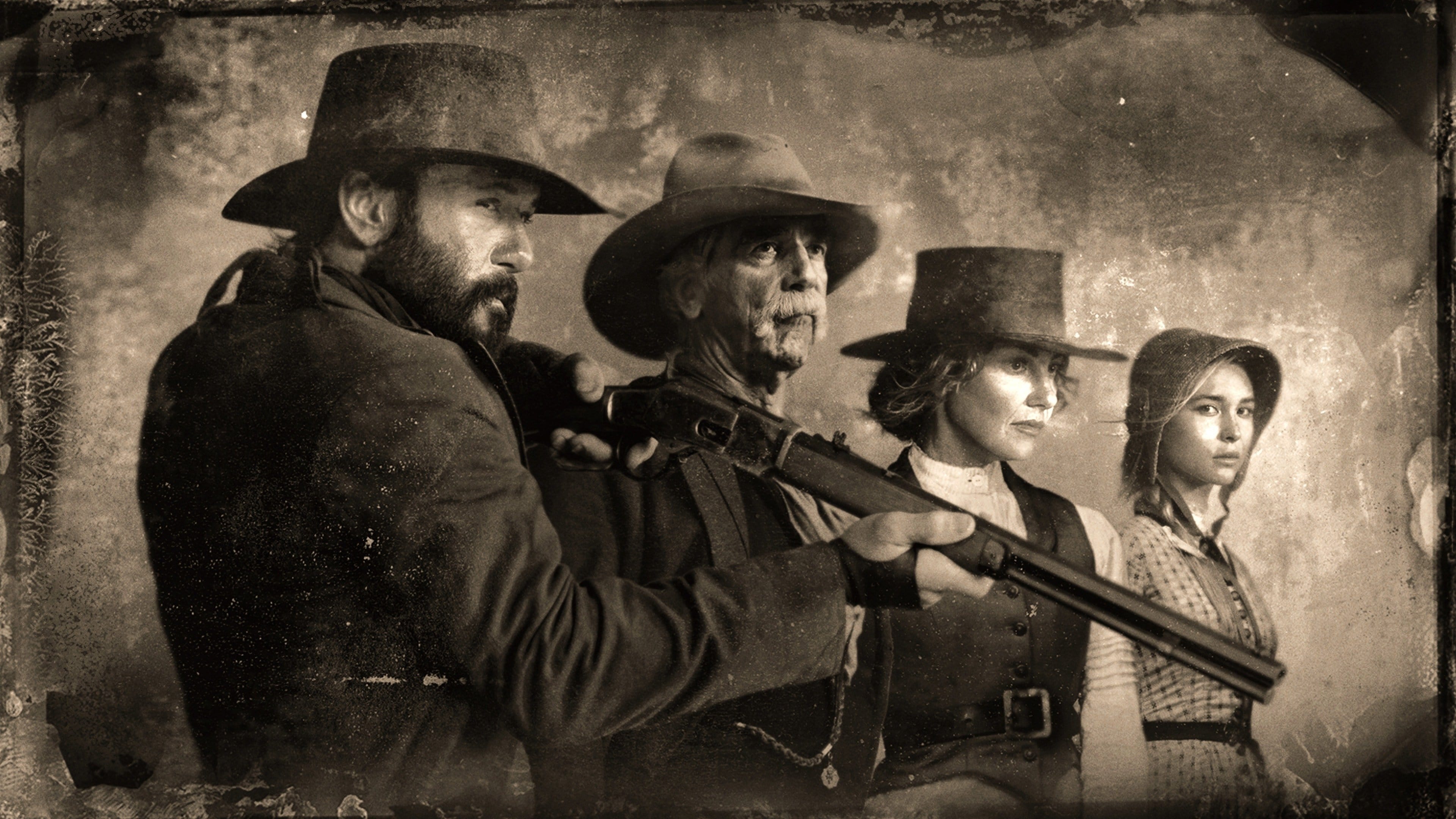
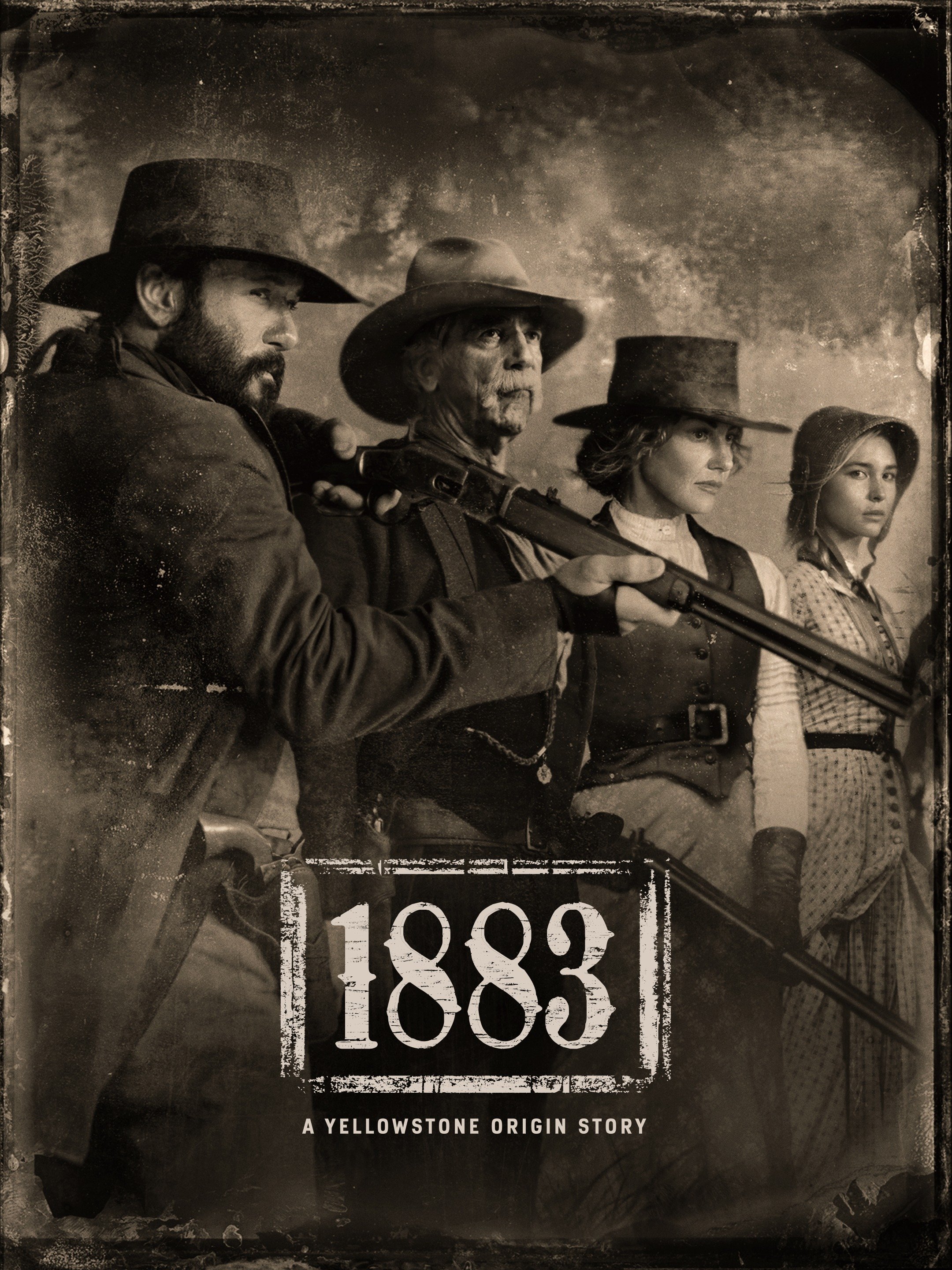
The 1883 cast is headlined by legendary actors Sam Elliott, Tim McGraw, and Faith Hill, who anchor this Yellowstone prequel. Created by Taylor Sheridan, the ensemble cast brings to life the treacherous journey of the Dutton family and their companions as they traverse the Great Plains in the late 19th century to establish what would eventually become the Yellowstone Dutton Ranch.
The success of 1883 relies heavily on the synergy between established Hollywood icons and rising talent. By blending the gritty, realistic portrayal of frontier life with the internal drama of a wagon train, the cast provides a visceral window into the American West. Understanding the roles these actors play is essential to appreciating the narrative stakes, as each character represents a different facet of the survivalism, desperation, and hope that defined the westward expansion of 1883.
Core Cast and Leading Characters
At the heart of the series are the pioneers, the outlaws, and the lawmen who shape the early history of the Dutton lineage. The casting choices reflect the show's emphasis on high-stakes drama and character-driven storytelling.
The Dutton Family
The Dutton family serves as the anchor for the entire Yellowstone universe. In 1883, the family is represented by James and Margaret Dutton, portrayed by real-life spouses Tim McGraw and Faith Hill.
- James Dutton (Tim McGraw): A former Confederate captain, James is the patriarch of the Dutton family. McGraw’s performance emphasizes the character's stoic nature and his struggle to balance his protective instincts toward his family with the brutal realities of the trail. His leadership style is often at odds with the other members of the wagon train, as he is driven by a singular focus on finding a better life for his children.
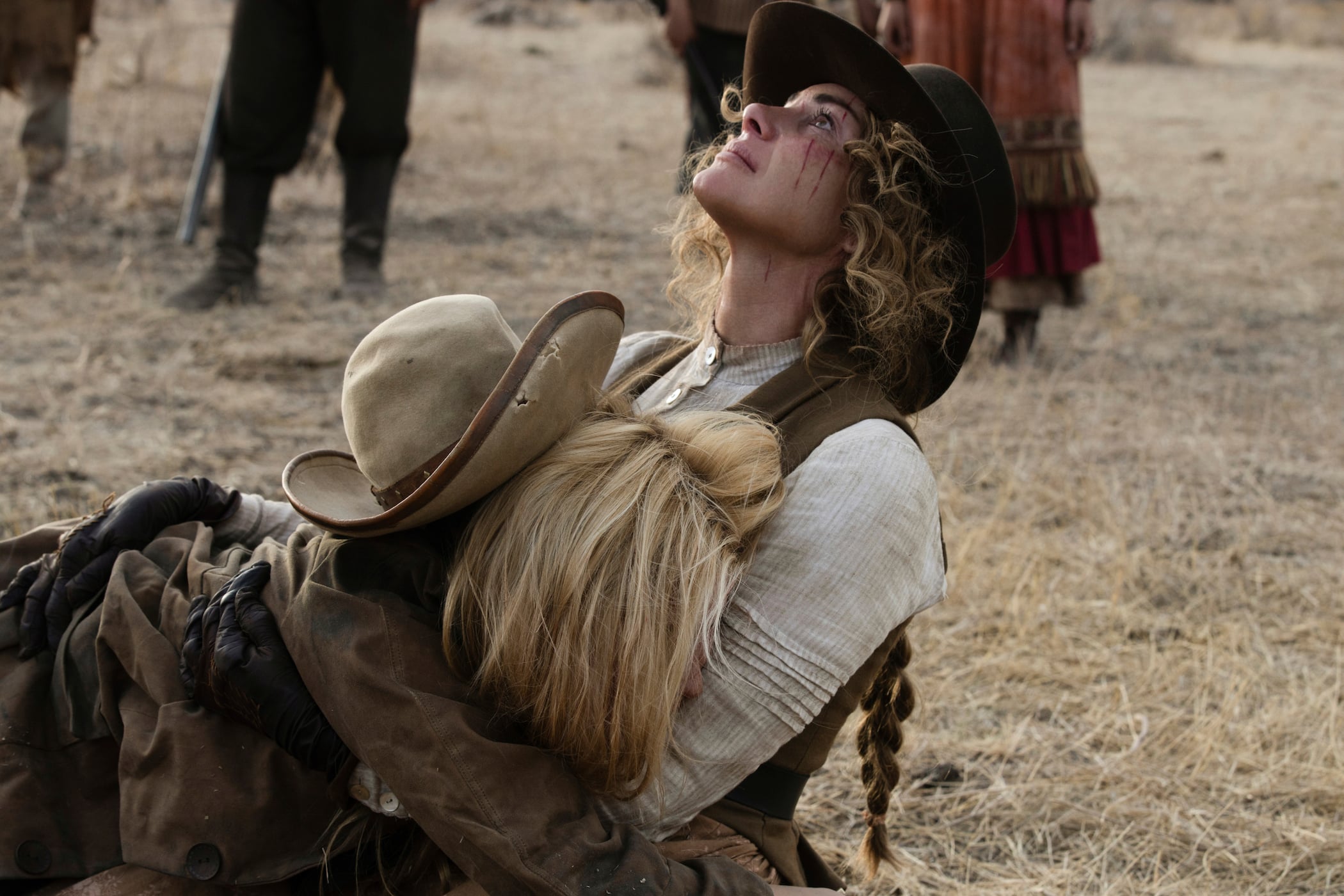
- Margaret Dutton (Faith Hill): Margaret is the moral and emotional backbone of the family. Hill’s portrayal highlights a woman of immense strength who must adapt from a life of relative refinement to the harsh, unforgiving conditions of the frontier. Her protective nature toward her daughter, Elsa, and her partnership with James provide the series with its most poignant domestic moments.
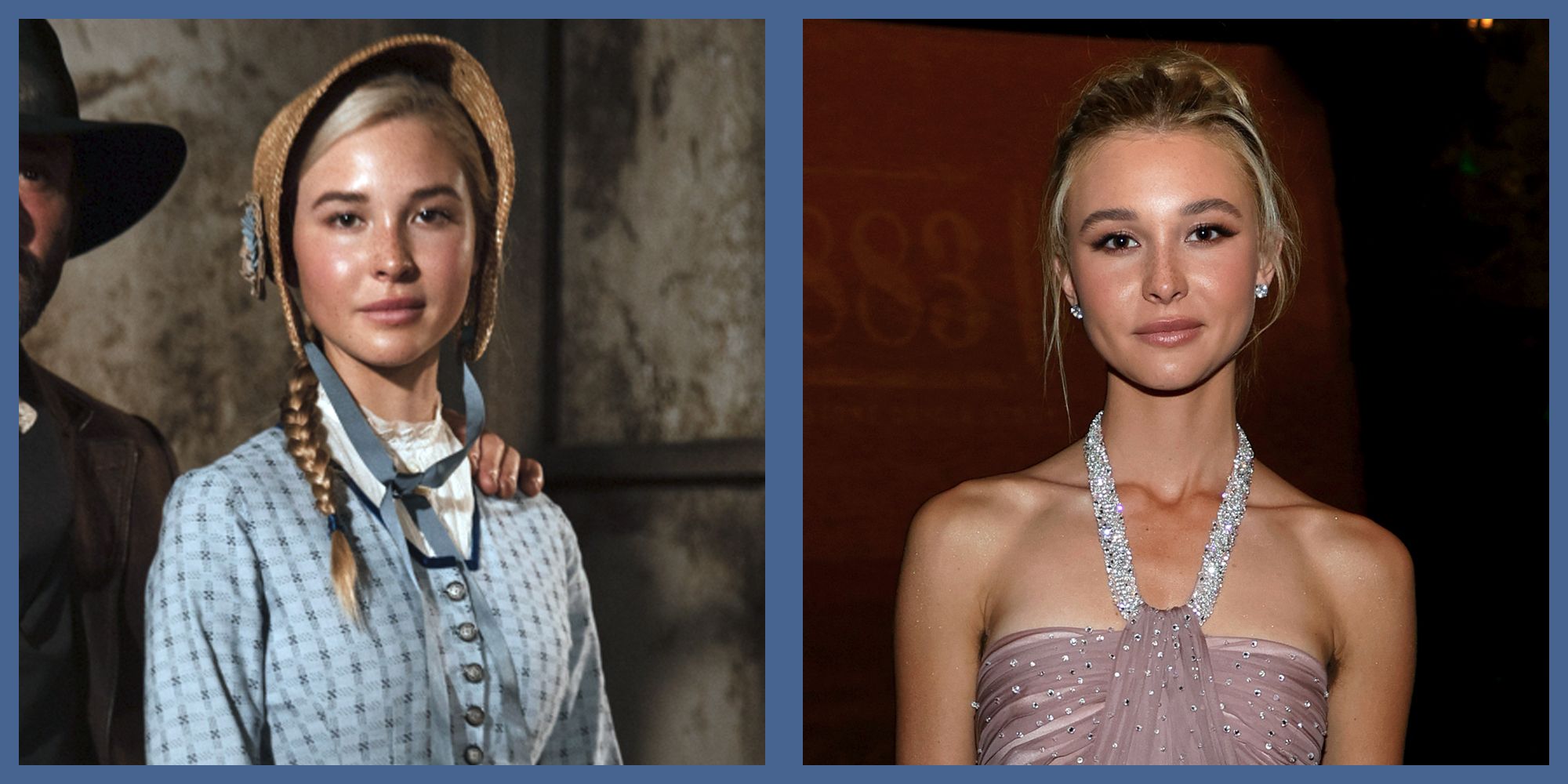
- Elsa Dutton (Isabel May): Serving as the series narrator and primary protagonist, Elsa undergoes the most significant transformation. May’s performance captures the transition from an innocent, romanticized view of the West to a hardened, seasoned traveler. Her perspective provides the audience with a unique lens through which to experience the sensory and emotional weight of the journey.
The Pioneers and the Law
The wagon train would not be possible without the expertise of those tasked with navigating the terrain and the lawmen tasked with maintaining order in a lawless land.
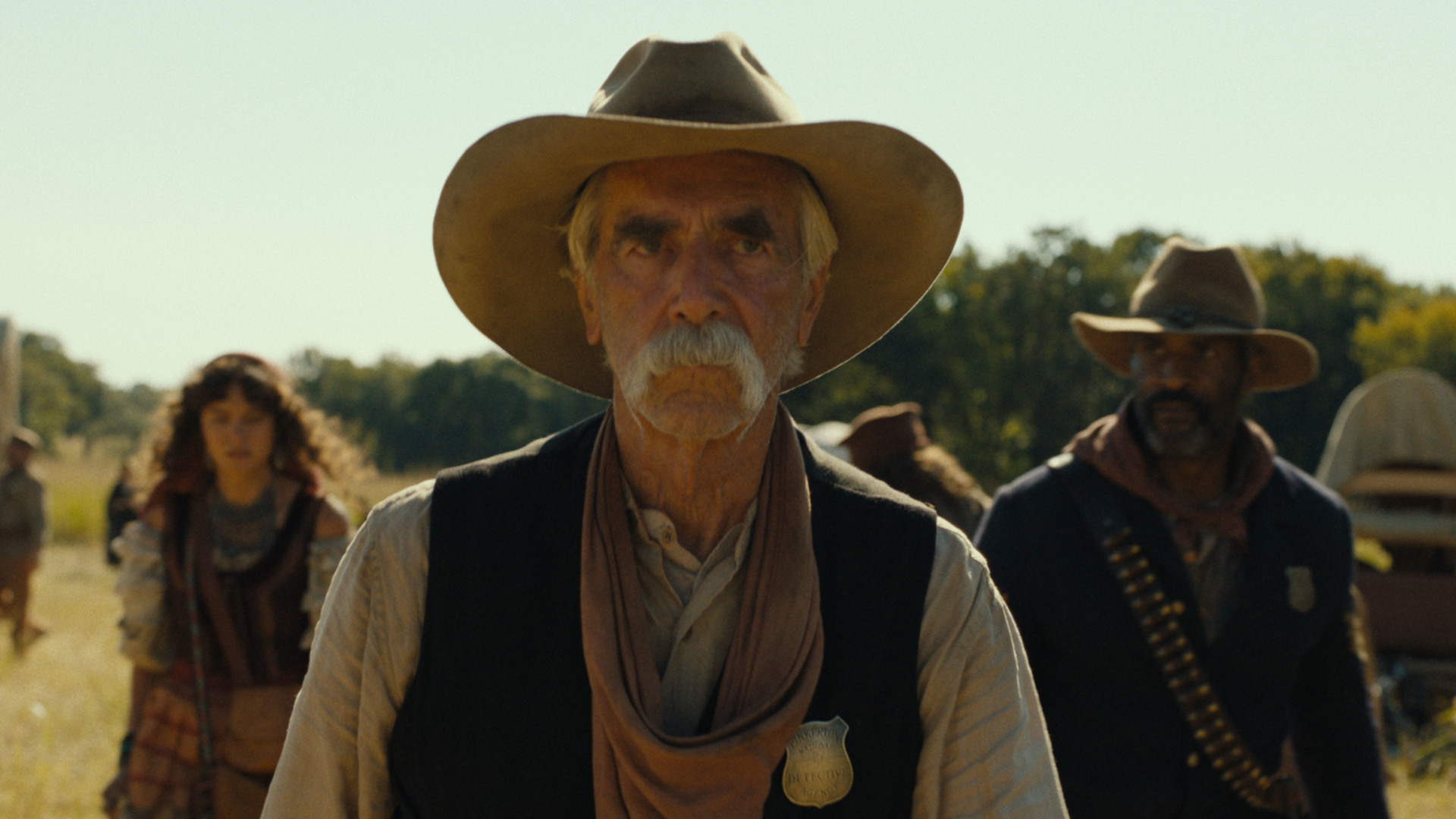
- Shea Brennan (Sam Elliott): As a Pinkerton agent and Civil War veteran, Shea is the pragmatic leader of the wagon train. Elliott brings a gravelly, authoritative presence to the role, embodying the weariness and regret of a man who has lost everything. His relationship with the settlers is complex, often teetering between mentor and enforcer.
- Thomas (LaMonica Garrett): A Pinkerton agent and former buffalo soldier, Thomas is Shea’s right-hand man. Garrett’s performance is defined by a sense of quiet loyalty and strategic brilliance. Thomas represents a crucial voice of reason and skill, often mediating between the conflicting interests of the diverse group of travelers.
Supporting Cast and Ensemble Dynamics
The complexity of 1883 is bolstered by its extensive supporting cast. These actors populate the world with individuals who are fleeing their pasts or chasing an impossible dream, each contributing to the overall themes of isolation and resilience.
The Immigrant Group
A significant portion of the wagon train is comprised of European immigrants seeking a new life. This group acts as a catalyst for much of the tension in the series, as their lack of frontier experience creates constant friction with the American guides.
- Josef (Marc Rissmann): Josef is a leader among the German immigrant group. His role is to represent the collective struggle and the heartbreaking losses sustained by those who are ill-equipped for the journey. Rissmann portrays a man burdened by the weight of leadership and the responsibility for his fellow countrymen’s safety.
- Risa (Anna Fiamora): As Josef's wife, Risa provides a window into the personal cost of the migration. Her arc highlights the domestic sacrifices made by those who, unlike the Duttons, have no prior experience with the American landscape.
Frontier Figures
The show frequently introduces historical figures and transient characters who interact with the caravan, adding layers of authenticity and historical texture to the narrative.
- Wade (James Landry Hébert): A cowboy who joins the crew, Wade provides the necessary labor and expertise to manage the herd. His character represents the archetype of the roaming cowboy—someone whose life is defined by the rhythm of the trail rather than a fixed destination.
- Colton (Noah Le Gros): Similar to Wade, Colton is a young cowboy whose interactions with Elsa provide a sub-plot of romance and youth amidst the encroaching tragedy of the journey. His presence underscores the brevity of life on the trail.
Cast Dynamics and Production Context
The casting process for 1883 was highly deliberate. Taylor Sheridan sought actors who could convey deep, internal pain without relying on heavy dialogue. The chemistry between Tim McGraw and Faith Hill, specifically, was utilized to ground the high-concept historical drama in a tangible, believable marriage.
Table: Key Cast Members and Roles
| Character | Actor | Role Description |
|---|---|---|
| James Dutton | Tim McGraw | Patriarch and lead guide |
| Margaret Dutton | Faith Hill | Matriarch and protective mother |
| Elsa Dutton | Isabel May | Narrator and eldest daughter |
| Shea Brennan | Sam Elliott | Wagon train captain |
| Thomas | LaMonica Garrett | Pinkerton agent and scout |
| Josef | Marc Rissmann | Leader of the immigrant party |
| Wade | James Landry Hébert | Experienced cowboy |
The Impact of Character Development on Narrative
The narrative structure of 1883 is inextricably linked to the development of its characters. Unlike procedural dramas, where the cast might remain static, the characters in 1883 are in a constant state of flux. The environment—the harsh climate, the lack of food, the threat of illness—acts as a secondary "character" that forces the cast to evolve or perish.
For example, the character of Shea Brennan experiences a profound existential crisis throughout the series. His development is not just about moving from point A to point B; it is about his internal reckoning with his own mortality. Similarly, Elsa Dutton’s evolution is marked by her growing competence, which parallels the audience's understanding of how survival actually functions in the 1883 frontier. By the time the final episodes arrive, the cast members are unrecognizable compared to their pilot-episode counterparts, reflecting the corrosive and transformative effect of the Great Plains.
Historical Authenticity and Casting Challenges
One of the primary challenges for the cast was maintaining historical fidelity. Actors were required to learn authentic period-appropriate skills, including horseback riding, herding, and the use of 19th-century weaponry. This "boot camp" approach to production ensured that the physicality of the characters felt earned.
The decision to cast professional country musicians like McGraw and Hill was a calculated risk that paid off. By leveraging their existing public personas—which are often associated with rugged, American values—Sheridan was able to shorthand the audience’s connection to the characters. However, the performance required them to strip away their celebrity image, focusing instead on the grime and fatigue of the 1883 environment.
Frequently Asked Questions
Is the cast of 1883 the same as Yellowstone?
No. 1883 is a prequel series set in 1883. While the characters in 1883 are the ancestors of the Dutton family seen in Yellowstone, the actors are entirely different, as the shows take place over a century apart.
How much training did the cast receive?
The cast underwent extensive "cowboy camp" training, which involved daily instruction in horse riding, cattle herding, and period-accurate survival techniques to ensure the movements of the actors were consistent with those of real 19th-century pioneers.
Is the entire 1883 cast returning for future spin-offs?
The narrative arc of 1883 was designed as a limited series. While the Dutton family saga continues in other iterations of the franchise, the journey of the original 1883 caravan concludes at the end of the series.
What is the significance of the Pinkerton agents in the cast?
The Pinkerton agents represent the bridge between the lawlessness of the frontier and the evolving authority of the federal government. Their presence adds a layer of professional military organization to a group of disorganized travelers.
Does the cast include any historical figures?
While most of the lead characters are fictional, the series populates the world with historical figures and archetypes that were common to the period, such as town sheriffs, indigenous leaders, and outlaws, to heighten the sense of time and place.
Final Recommendations for Viewers
To fully appreciate the performances in 1883, viewers should pay close attention to the non-verbal storytelling. Because the environment is so hostile, much of the character development happens in moments of silence—a shared look between James and Margaret, or the weariness in Shea Brennan’s walk.
If you are just beginning the series, focus on the contrast between the immigrant characters and the Dutton family. This dynamic is the engine that drives the primary conflicts and helps clarify why certain characters make the decisions they do. Pay attention to how the physical condition of the cast members changes as the episodes progress; the wardrobe and makeup departments worked in tandem with the actors to ensure that the physical decline on screen mirrors the mental toll of the journey.
For those interested in the craft of acting, comparing the performances of the seasoned veterans like Sam Elliott against the breakout performance of Isabel May offers a masterclass in contrasting acting styles—the former relying on deep-seated, minimal expressions, and the latter on a dynamic, high-energy emotional arc.