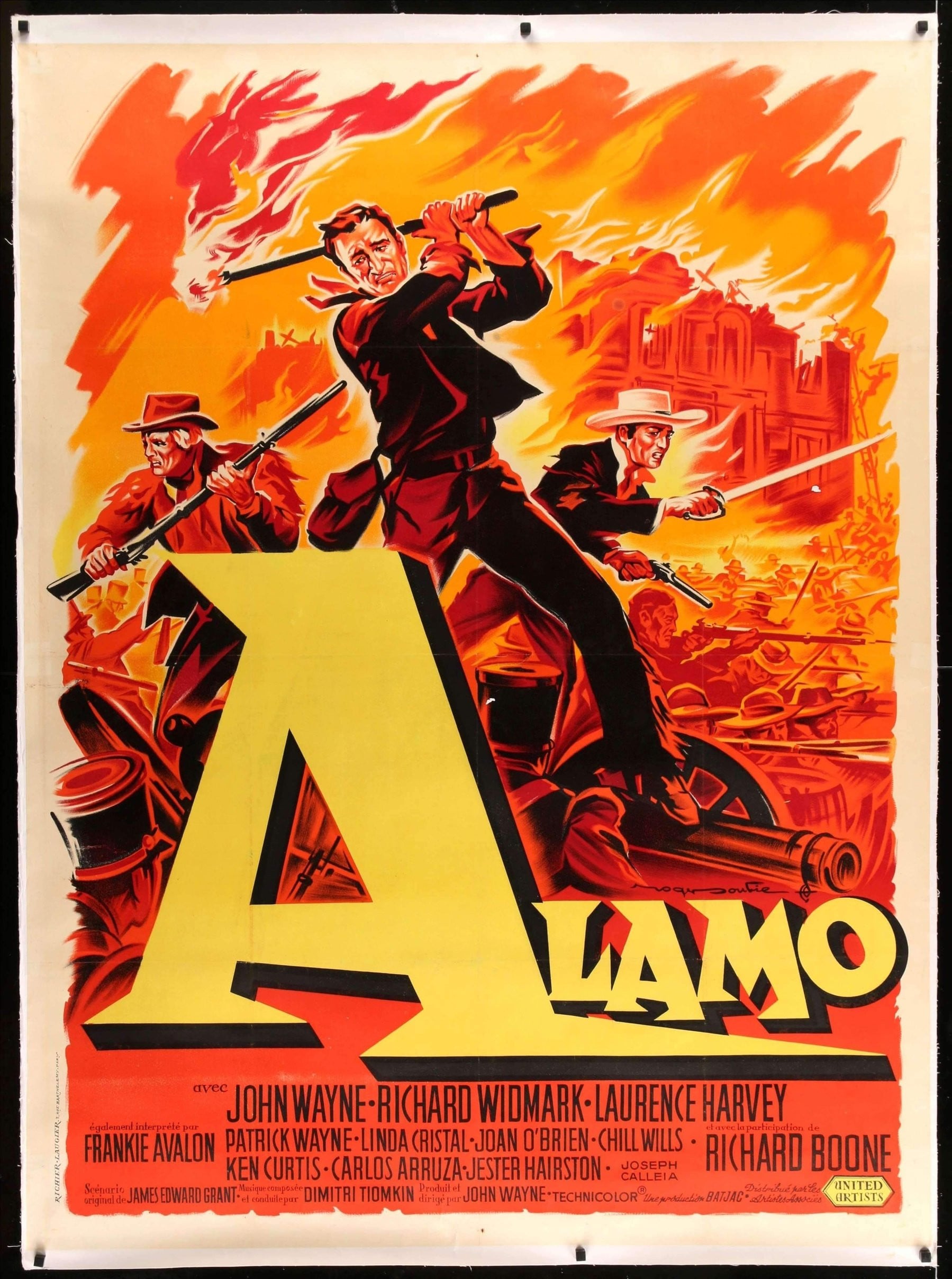
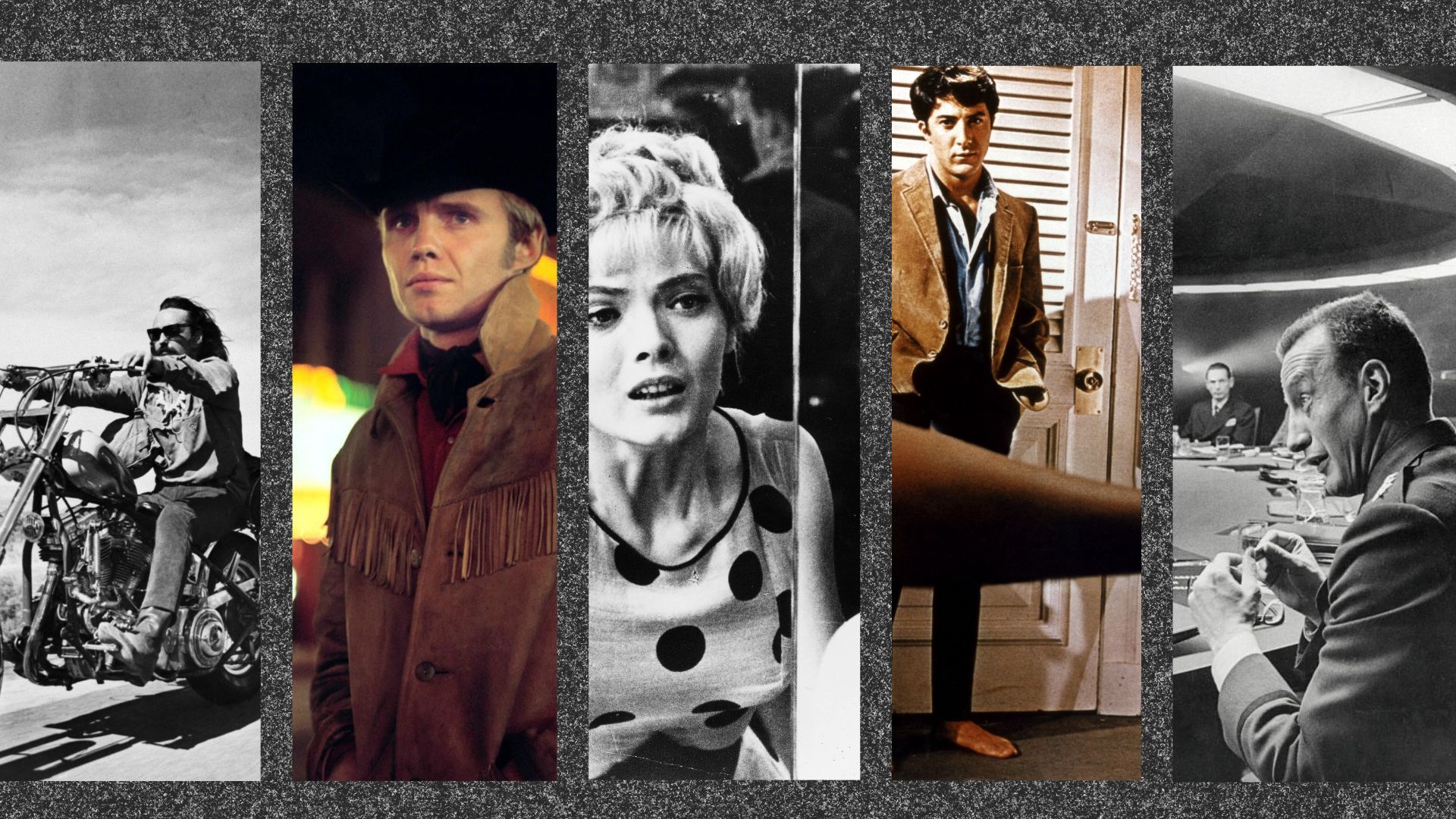
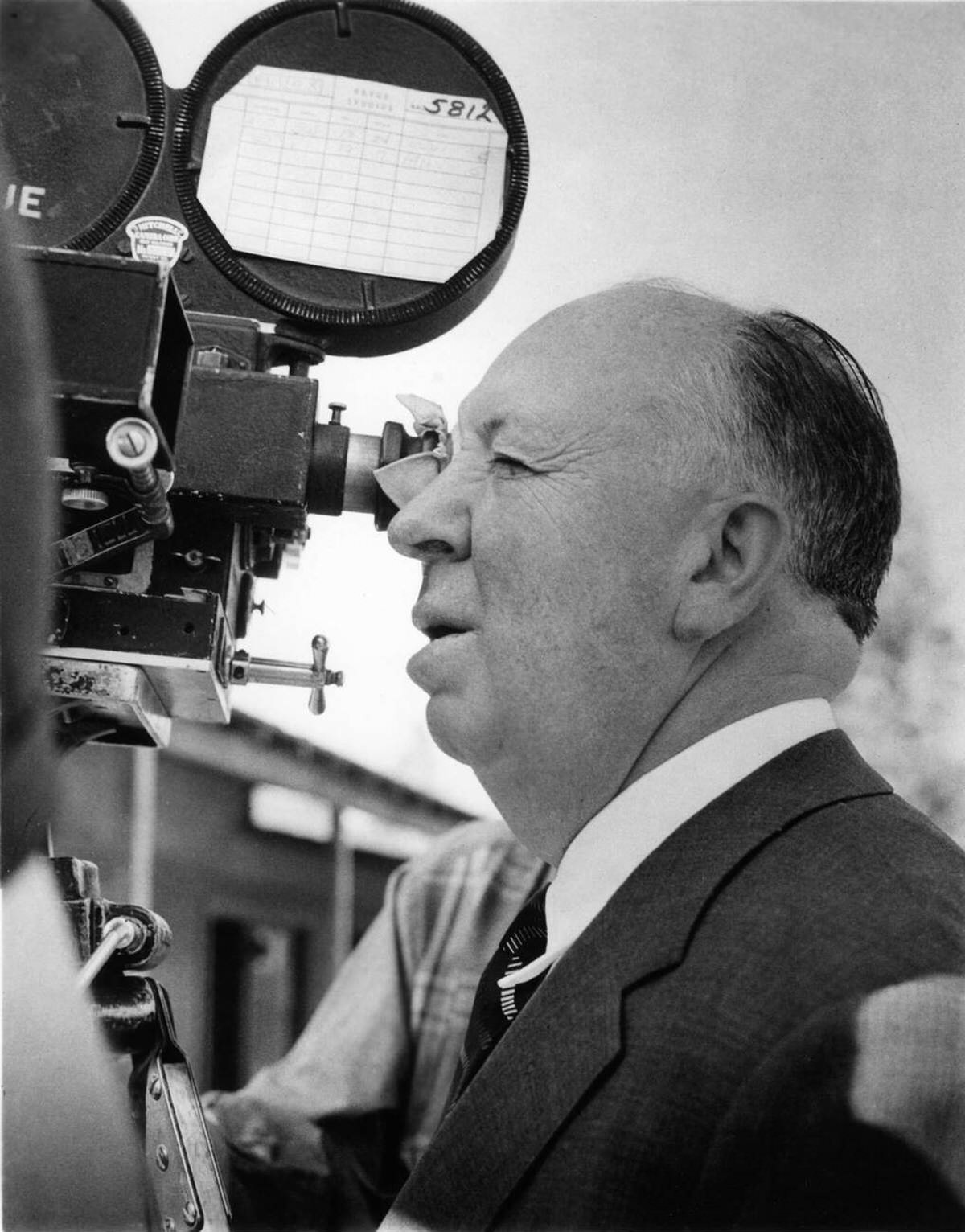
Film production in 1960 represented a pivotal intersection of declining studio-era dominance and the burgeoning "New Hollywood" sensibility. This transition period was characterized by a reliance on large-scale studio infrastructure, traditional photochemical processes, and the rise of independent, location-based shooting that demanded innovative technical logistics and creative shifts in cinematography and production design.
The Industrial Landscape of 1960 Cinema
By 1960, the classical Hollywood studio system—long governed by the "Big Five" studios—was experiencing significant structural erosion. The 1948 Paramount Decree, which had forced studios to divest their theater chains, had fully matured in its impact by the start of the 1960s. Production companies were no longer guaranteed distribution slots, forcing them to treat every film as a standalone financial venture rather than part of a conveyor-belt slate.
For filmmakers in 1960, this meant production schedules became more volatile. While major epics still utilized massive studio backlots for interior controlled environments, there was an increasing mandate for location scouting. This required mobile units capable of transporting heavy 35mm cameras, lighting equipment, and sound recording apparatus to remote areas, a logistical hurdle that necessitated a more streamlined approach to crew management.
Essential Technical Specifications
The standard production workflow in 1960 relied heavily on specific mechanical and optical technologies that dictated the visual language of the decade.
- Film Formats: 35mm remained the industry standard for theatrical release, though the use of wide-screen formats like Panavision and Todd-AO was at its peak. The adoption of these anamorphic lenses allowed for the immersive, wide-angle aesthetic that defined historical epics of the era.
- Cameras: The Mitchell BNC was the workhorse of the industry. Known for its reliability, it was, however, notoriously heavy and required significant "blimping" (sound-deadening covers) to prevent the mechanical noise of the camera from bleeding into the dialogue recording.
- Lighting: Technicians relied on high-intensity arc lamps. These lamps provided the sheer power needed to fill massive soundstages, though they generated significant heat and required skilled electricians to manage the carbon rod replacements throughout the shooting day.
The Role of Cinematography and Sound
Cinematography in 1960 was an exercise in extreme technical precision. Because film stocks of the time had relatively low ASA (speed) ratings—meaning they were not very sensitive to light—sets had to be blasted with enormous amounts of artificial illumination. This required a close collaboration between the cinematographer and the gaffer to ensure continuity across long scenes, often shot over several days.
Sound production faced its own set of challenges. Direct sound, or "sync sound," was captured on magnetic tape recorders like the Nagra III, which was just beginning to revolutionize location production. Before the widespread adoption of portable, crystal-sync recording, much of the dialogue was still dubbed in post-production. This "looping" or ADR (Additional Dialogue Recording) process allowed for greater sonic clarity, but it often sacrificed the naturalistic, spontaneous performance captured on the set.
Logistical Comparison: Studio vs. Location Shooting
The decision to shoot in a studio versus on location in 1960 was driven by both budgetary constraints and the desired aesthetic.
| Feature | Studio Production | Location Production |
|---|---|---|
| Environmental Control | Total (Lighting/Weather/Sound) | Minimal (Variable/Unpredictable) |
| Logistics Cost | High (Stage Rental/Labor) | High (Travel/Permits/Transport) |
| Production Pace | Consistent | Interrupted by Environment |
| Visual Depth | Managed via Set Design | Dependent on Landscape |
| Technology Need | Stationary, Heavy Rigs | Mobile, Modular Gear |
The Evolution of Production Design
Production design in 1960 was transitioning from the "painted flat" aesthetic of the 1940s to a more grounded, textured look. Art directors had to balance the demands of color film (usually Technicolor or Eastmancolor) with the technical limitations of lighting. Colors had to be carefully coordinated to avoid "blooming" or reflection issues when under the high-intensity lamps required for standard film speeds.
Designers increasingly sought out "found" locations that could be augmented with minimal sets. This allowed for a sense of reality that audiences were beginning to crave. The process involved meticulous research into period accuracy, as the audience's growing exposure to global cinema meant that historical mistakes in costume or architectural detail were more likely to be noticed and criticized.
Post-Production and Laboratory Processes
Once the shooting phase concluded, the film went through the laboratory for processing. In 1960, this was an entirely chemical, physical process. Editors worked with workprints—copies of the original negative—physically cutting and taping them together on Moviola machines.
The laboratory was the heart of the technical side of production. The "timing" of the color (adjusting the exposure of each scene during the printing process) was an art form performed by experienced technicians. They ensured that the sequence of shots, often filmed hours or days apart, matched perfectly in color temperature and contrast. Without the digital color correction available today, this was a painstaking, trial-and-error process that took weeks to finalize.
Managing Production Budgets and Risk
Film production in 1960 was inherently risky. With the decline of the long-term studio contract, the budget for a single film could potentially bankrupt a small production company if it underperformed at the box office. Producers implemented rigorous cost-accounting measures. Every foot of film exposed was tracked, and dailies (the raw, unedited footage) were reviewed by executives each evening to ensure that the director was meeting the schedule.
The "completion bond"—a financial guarantee that a film would be finished on time and on budget—became an increasingly common feature in the industry. It reflected the nervousness of financiers who were no longer protected by the vertical integration of the old studio system.
Common Production Mistakes and Challenges
Even with seasoned crews, 1960 film production was fraught with potential errors:
- Light Flickering: Inaccurate synchronization between the camera shutter and the electrical grid on location could lead to perceptible strobing or flickering in the final print.
- Sound Drift: If the recorder and the camera lost their sync, the dialogue would slowly fall out of alignment with the actors' lip movements, requiring expensive, frame-by-frame correction in post-production.
- Color Fading: Incorrect chemical mixtures in the lab could cause "magenta shift," where the color balance of a film would permanently degrade over time if not stored in specific environmental conditions.
Frequently Asked Questions
What was the standard color film stock used in 1960? Eastmancolor became the industry standard by 1960. While Technicolor's "dye-transfer" process produced images with incredible longevity, it was expensive and labor-intensive. Eastmancolor was a single-strip negative that was easier to use, though early versions were prone to fading if not properly preserved.
How did filmmakers handle dialogue before digital sync? Filmmakers used a mix of production sound—captured on magnetic tape—and ADR. If the location was too noisy or the camera blimping failed, the actors would return to a studio after filming to record their dialogue while watching their performance on a screen, ensuring perfect clarity.
Why was the 1948 Paramount Decree significant to 1960 production? The decree forced studios to sell their theaters, ending their monopoly. By 1960, this meant studios had to compete for screen time, which shifted their focus from producing high volumes of low-cost B-movies to making fewer, more expensive "prestige" films to guarantee ticket sales.
What was a Moviola? A Moviola was the standard upright editing machine used in 1960. It allowed an editor to view the film frame by frame through a small lens while physically marking and cutting the strips of film, which were then spliced together with cement or specialized adhesive tape.
Did filmmakers use handheld cameras in 1960? While rare compared to modern standards, the introduction of lighter cameras like the Arriflex 35 began to allow for handheld shooting. This was mostly reserved for documentary-style inserts or specific action sequences, as the heavy, blimped Mitchell cameras were still required for dialogue-heavy scenes.
Recommendation for Further Research
For those interested in the technical minutiae of this era, the best next step is to examine the American Cinematographer archives from 1960. These trade journals provide contemporaneous accounts of the technical hurdles faced on specific film sets, detailing the exact lenses, lighting setups, and camera rigs used by industry professionals during that specific year. Understanding these primary sources offers a far more accurate view of 1960 production than general retrospectives, as they document the immediate constraints and innovations of the working cinematographer.