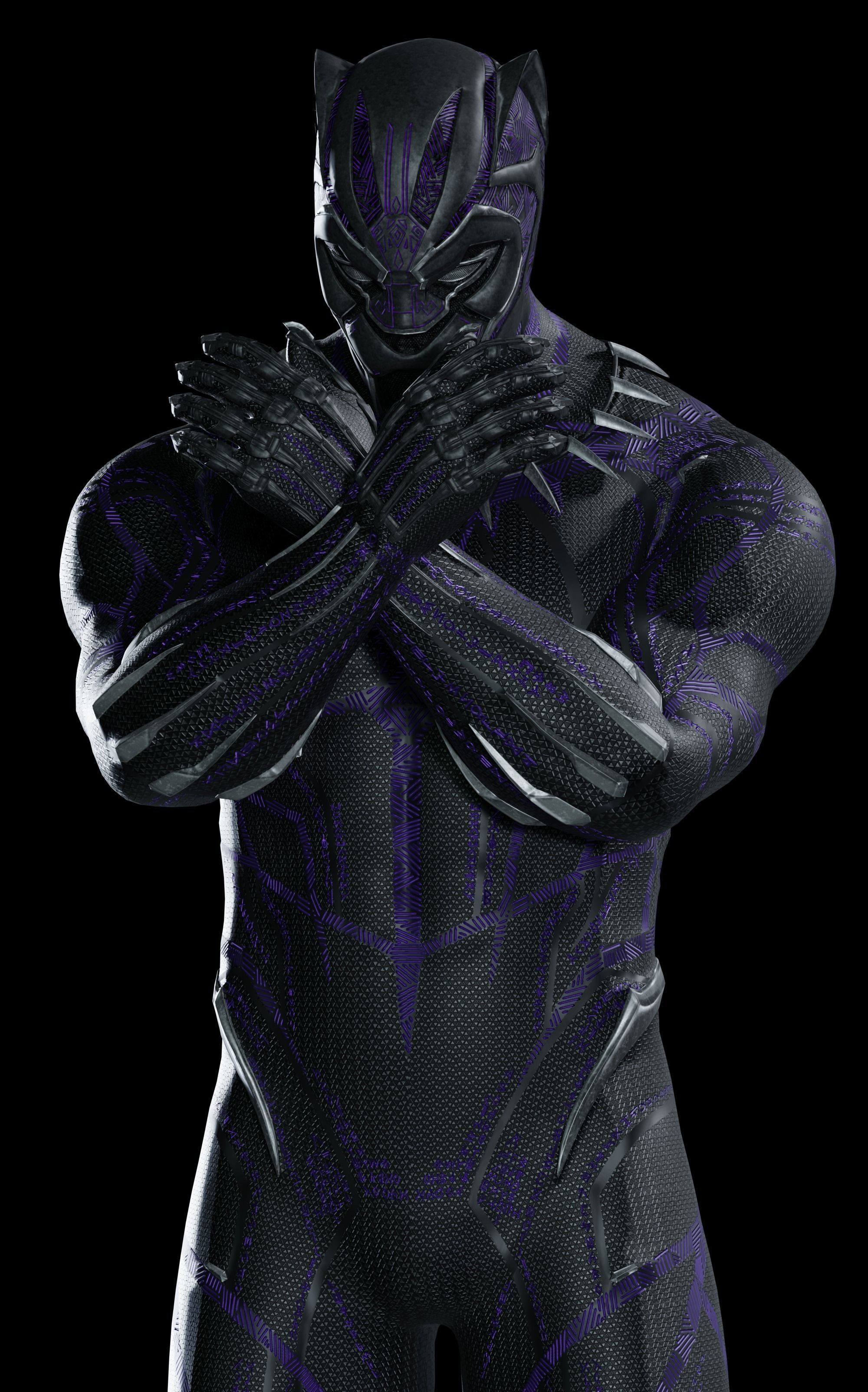
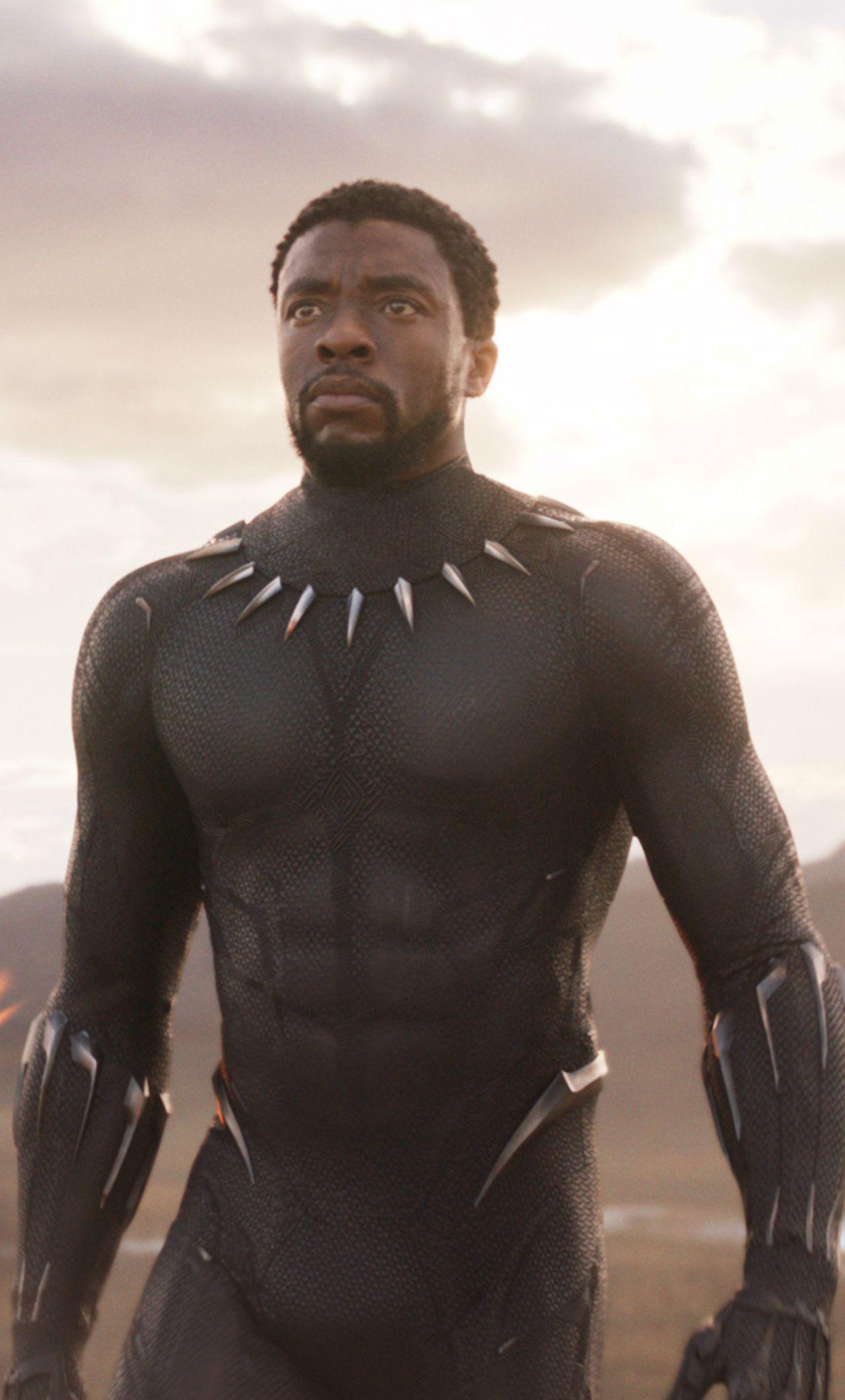
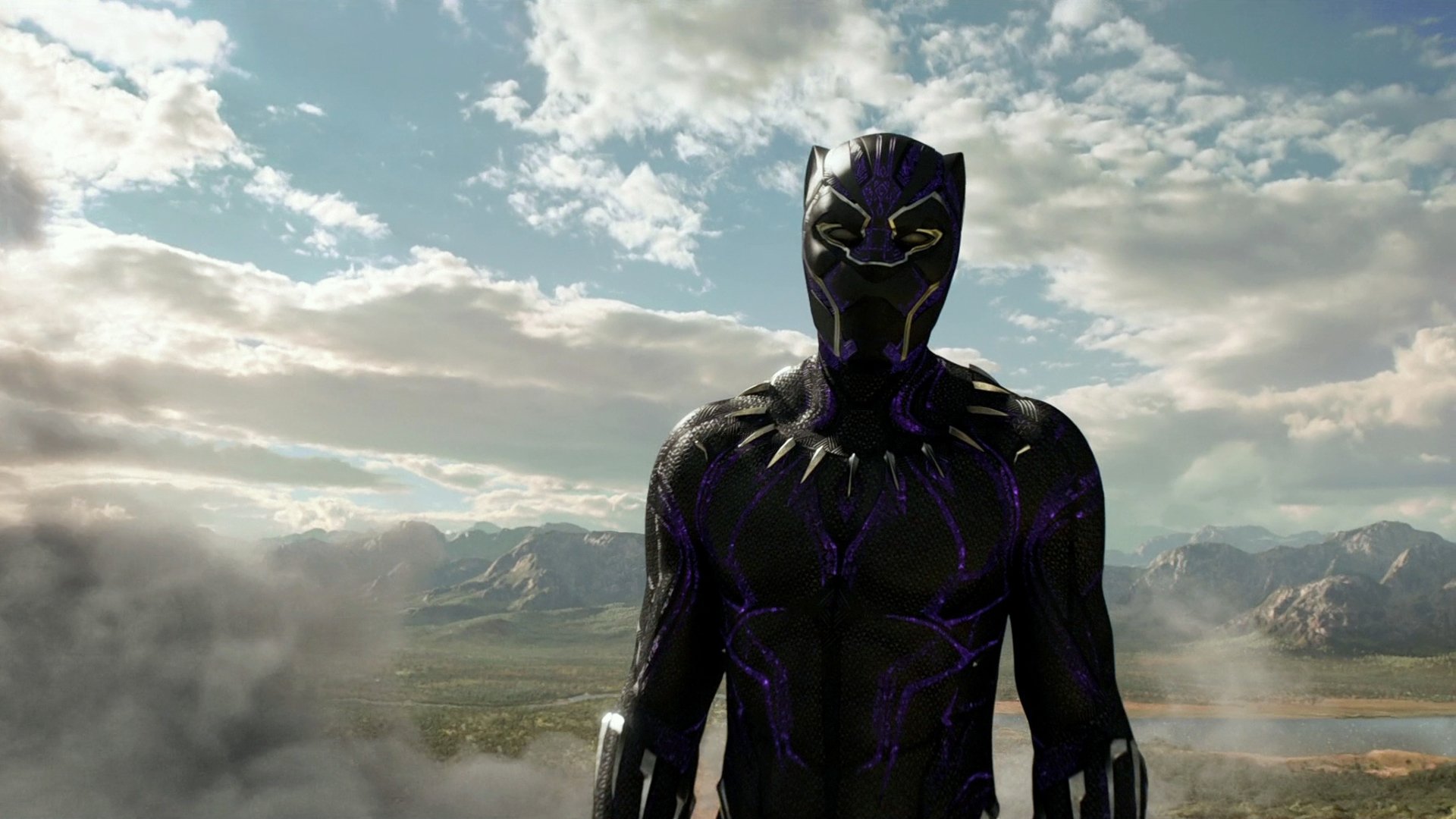
T’Challa is the fictional King of Wakanda and the superhero known as the Black Panther within the Marvel Universe. Created by Stan Lee and Jack Kirby in 1966, he represents a unique intersection of monarchical duty, advanced scientific genius, and superhuman prowess, serving as a global cultural icon of Afrofuturism and representation.
As of 2026, the character of T’Challa remains a cornerstone of popular culture, bridging the gap between mid-century comic book foundations and the modern cinematic landscape. His journey from the pages of Fantastic Four to a billion-dollar film franchise has redefined how audiences perceive the "superhero" archetype. T'Challa is not merely a masked vigilante; he is a sovereign, a diplomat, and a scientist, navigating the complexities of isolationism versus global responsibility.
The Origins and Creation of a King
The introduction of T’Challa in Fantastic Four #52 (July 1966) was a watershed moment in the history of sequential art. At a time when Black characters in American comics were often relegated to background roles or stereotypical depictions, Stan Lee and Jack Kirby introduced a character who was arguably more capable, wealthy, and technologically advanced than the Fantastic Four themselves.
T’Challa was introduced as the leader of Wakanda, a hidden African nation that had never been conquered. The "Black Panther" title was revealed not just as a codename, but as a hereditary mantle passed down through generations of the Wakandan royal family. Kirby’s visual design for Wakanda blended traditional African aesthetics with high-concept science fiction, creating a visual language that would define the character for decades.
In these early appearances, T’Challa’s primary motivation was to test his own skills and the readiness of his nation against external threats. By defeating the Fantastic Four in a series of controlled traps, he proved that Wakanda was not a "third world" nation, but a global superpower hidden in plain sight. This subversion of Western expectations remains a core element of the character’s identity.
The Evolution of the Character in Comics
Following his debut, T’Challa’s role expanded significantly. He joined the Avengers in Avengers #52 (1968), often serving as the team's tactical mind and financier. However, it was the solo runs by visionary writers that truly fleshed out the man behind the mask.
The Jungle Action Era (Don McGregor)
In the 1970s, writer Don McGregor took over the Jungle Action series, producing the "Panther’s Rage" story arc. This is widely considered Marvel’s first graphic novel, featuring a continuous, complex narrative that dealt with internal Wakandan politics, the threat of Erik Killmonger, and the spiritual traditions of the Panther Cult. McGregor’s work grounded T’Challa in his homeland, moving him away from being just another New York-based hero.
The Christopher Priest Revolution
In the late 1990s, writer Christopher Priest redefined T’Challa for the modern age. Priest reimagined the Black Panther as a brilliant, "chess-player" type strategist who was always ten steps ahead of his allies and enemies. This run introduced Everett K. Ross, a US government agent who served as the reader's bewildered guide to the complexities of Wakandan life. It also introduced the Dora Milaje, the elite all-female royal bodyguard, who have since become fan-favorite characters in their own right.
The Ta-Nehisi Coates Era
More recently, author and journalist Ta-Nehisi Coates took the helm, focusing on the philosophy of monarchy and the transition of Wakanda toward a constitutional democracy. Coates explored the weight of the crown and the psychological toll of being a "living god" to his people. This era emphasized the spiritual connection between T'Challa and the "ancestral plane," a concept that would become central to the cinematic interpretation.
Powers, Abilities, and Wakandan Technology
T’Challa’s capabilities are a blend of biological enhancement and technological brilliance. Unlike many heroes who rely solely on one or the other, the Black Panther is a "polymath" hero.
- The Heart-Shaped Herb: Central to the Black Panther lore is a mutated plant found only in Wakanda. When consumed by those of the royal bloodline (and after a rigorous trial), it provides enhanced strength, speed, stamina, and heightened senses. It also facilitates a spiritual connection to Bast, the Panther Goddess.
- Vibranium Suit: The Black Panther habit is woven from Vibranium, a rare, extraterrestrial metal found in Wakanda. The suit is virtually indestructible, capable of absorbing kinetic energy from impacts or bullets and redistributing it as a powerful shockwave.
- Genius-Level Intellect: T’Challa is consistently ranked among the eight smartest people in the Marvel Universe. He holds a Ph.D. in Physics from Oxford University and is a master of "Shadow Physics," a discipline he invented to track and combat mystical and scientific threats.
- Master Combatant: Trained from birth in various African martial arts and contemporary combat styles, T’Challa is one of the world's most formidable hand-to-hand fighters, often holding his own against opponents like Captain America or Wolverine.
T’Challa in the Marvel Cinematic Universe (MCU)
The character’s transition to film brought T’Challa to a global audience of millions. Portrayed by the late Chadwick Boseman, the MCU version of T’Challa debuted in Captain America: Civil War (2016). His arc centered on his evolution from a vengeful prince seeking his father’s killer to a wise king who chooses mercy over retribution.
The Impact of 2018's "Black Panther"
Directed by Ryan Coogler, the 2018 solo film Black Panther became a cultural phenomenon. It was the first superhero film to be nominated for the Academy Award for Best Picture. The film explored themes of the African diaspora, the ethics of resource sharing, and the legacy of colonialism. Boseman’s portrayal was hailed for its dignity, vulnerability, and quiet strength.
The film's impact extended far beyond the box office. It popularized the "Wakanda Forever" salute and sparked global conversations about African identity and the power of representation in media. For many, T’Challa became a symbol of Black excellence and a source of immense pride.
Legacy and "Black Panther: Wakanda Forever"
Following the tragic passing of Chadwick Boseman in 2020, Marvel Studios made the decision not to recast the role of T’Challa in the 2022 sequel, Black Panther: Wakanda Forever. Instead, the film served as a tribute to both the actor and the character. The narrative focused on the grief of his family—specifically his sister Shuri (Letitia Wright) and mother Queen Ramonda (Angela Bassett)—and the transition of the Black Panther mantle to Shuri.
In the 2026 landscape of the MCU, T’Challa’s legacy continues through his son, Prince Toussaint (also named T’Challa), who was introduced in the post-credits scene of the sequel. While the mantle of the Black Panther currently rests with Shuri, the name T'Challa remains synonymous with the spirit of Wakanda.
Key Eras of T'Challa’s History
| Era | Key Writer/Director | Primary Focus | Notable Contribution |
|---|---|---|---|
| Silver Age (1966-1972) | Stan Lee & Jack Kirby | Introduction & Avengers | Created the character; established Wakanda. |
| The Graphic Novel Era (1973-1976) | Don McGregor | Domestic Politics | Panther's Rage; introduced Erik Killmonger. |
| The Modern Redefinition (1998-2003) | Christopher Priest | Tactical Genius & Diplomacy | Introduced the Dora Milaje and Everett Ross. |
| The King of the Dead (2012-2015) | Jonathan Hickman | Multiversal Threats | T'Challa as a leader of the Illuminati. |
| The Cinematic Era (2016-2022) | Ryan Coogler / Chadwick Boseman | Cultural Iconography | Globalized the character; focused on Afrofuturism. |
Political and Cultural Significance
T’Challa is often cited as a prime example of Afrofuturism, a cultural aesthetic that combines science fiction, history, and fantasy to explore the African-American experience and celebrate African culture. Through T'Challa, audiences see a version of Africa that escaped the scars of the Berlin Conference and colonization, allowing for the development of a society that is both hyper-advanced and deeply rooted in tradition.
The character also serves as a vehicle for discussing complex political ideologies. T'Challa frequently struggles with the isolationist policies of his ancestors. Is it his duty to protect only Wakandans, or does his power give him a responsibility to the rest of the world? This tension between nationalism and globalism is a recurring theme in both the comics and films, making T'Challa one of the more philosophically complex characters in the Marvel stable.
Frequently Asked Questions
Is T'Challa the only Black Panther?
No. The Black Panther is a title and a mantle, not just an individual. While T’Challa is the most famous bearer of the title, it has been held by his father (T’Chaka), his grandfather (Azuri), his sister (Shuri), and even his distant ancestors dating back 10,000 years. In the comics, others like Erik Killmonger and Kasper Cole have also briefly held versions of the title.
How did T'Challa get his powers?
T'Challa gained his superhuman abilities by consuming the Heart-Shaped Herb. This rare plant was mutated by a Vibranium meteorite millions of years ago. It grants the user enhanced physical attributes and a spiritual link to the Panther Goddess, Bast. However, the herb is toxic to those not of the royal bloodline unless specifically prepared or earned through ritual.
Why was T'Challa not recast in the MCU?
Following the death of Chadwick Boseman in 2020, director Ryan Coogler and Marvel Studios President Kevin Feige decided not to recast the role. They felt that Boseman’s performance was so iconic and tied to the character that it would be more respectful to have the characters in the story mourn the loss of T’Challa, mirroring the real-world grief of the fans and creators.
Who is T'Challa's greatest enemy?
While he has many foes, Erik Killmonger (N'Jadaka) is widely considered his primary antagonist. Killmonger represents the antithesis of T'Challa's upbringing; where T'Challa was a prince of a wealthy nation, Killmonger was often an exile or an outsider seeking to overthrow the Wakandan throne and use its resources for global revolution. Other major villains include Ulysses Klaue and M'Baku (though M'Baku is often an ally).
What is T'Challa's relationship with the X-Men?
In the comics, T'Challa was famously married to Ororo Munroe, also known as Storm of the X-Men. They were considered the "power couple" of the Marvel Universe for several years, representing a union between the most powerful nation and one of the most powerful mutants. Although their marriage was eventually annulled during the Avengers vs. X-Men event, they remain close allies and have a deep mutual respect.
Practical Recommendation for Readers and Fans
For those looking to explore the character of T'Challa further in 2026, the best starting point remains the Christopher Priest run (collected in Black Panther by Christopher Priest: The Complete Collection). It provides the most comprehensive look at the character's tactical mind and the political machinery of Wakanda.
For a more modern, philosophical take, the Ta-Nehisi Coates run offers a deep dive into the soul of the nation. In the cinematic realm, revisiting the 2018 film Black Panther and its sequel Wakanda Forever provides the most emotionally resonant experience of the character's legacy. As we look toward future animated projects like Eyes of Wakanda, the history of T'Challa continues to be a rich well of storytelling that honors the past while looking toward a technologically brilliant future.