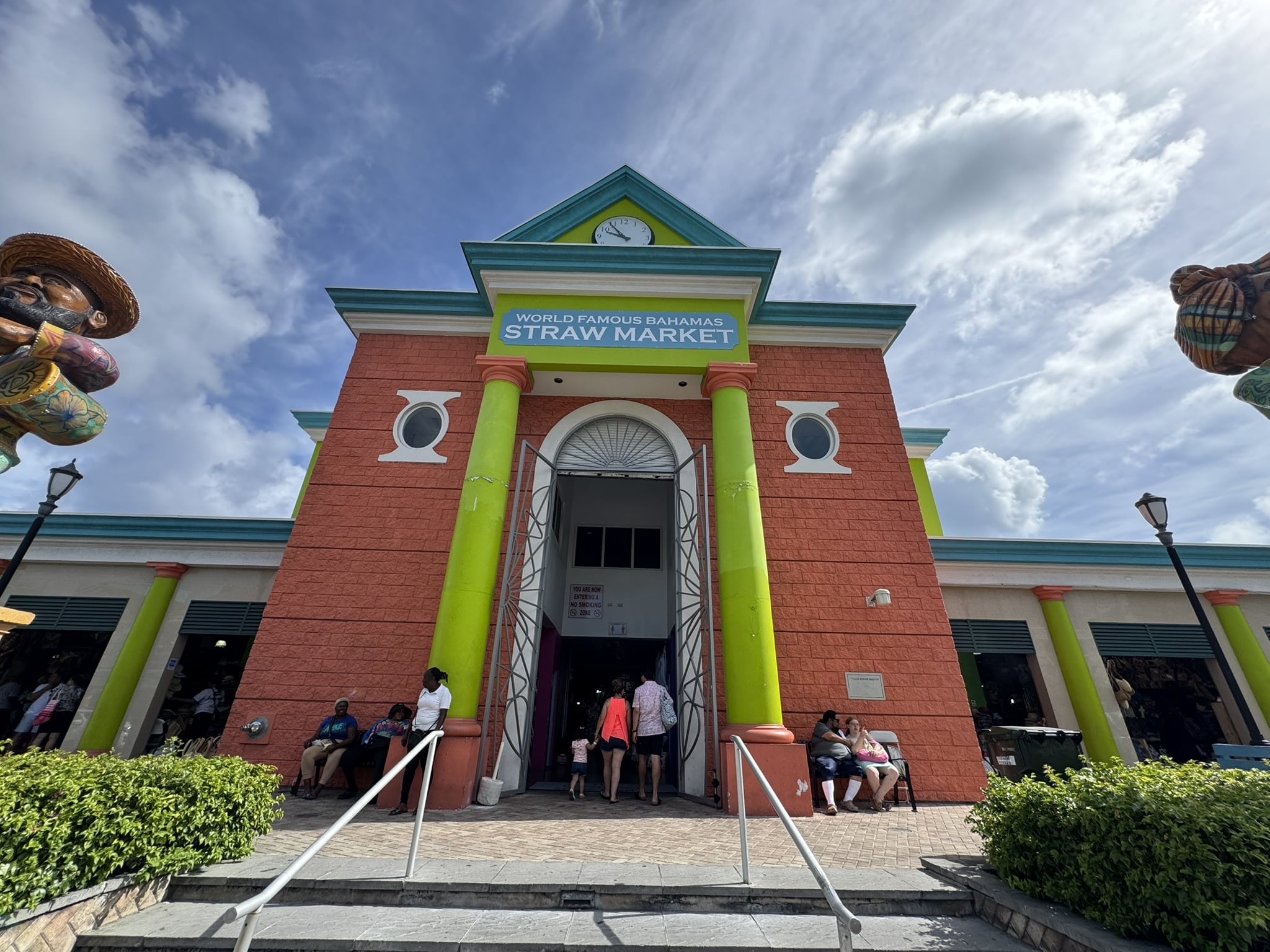
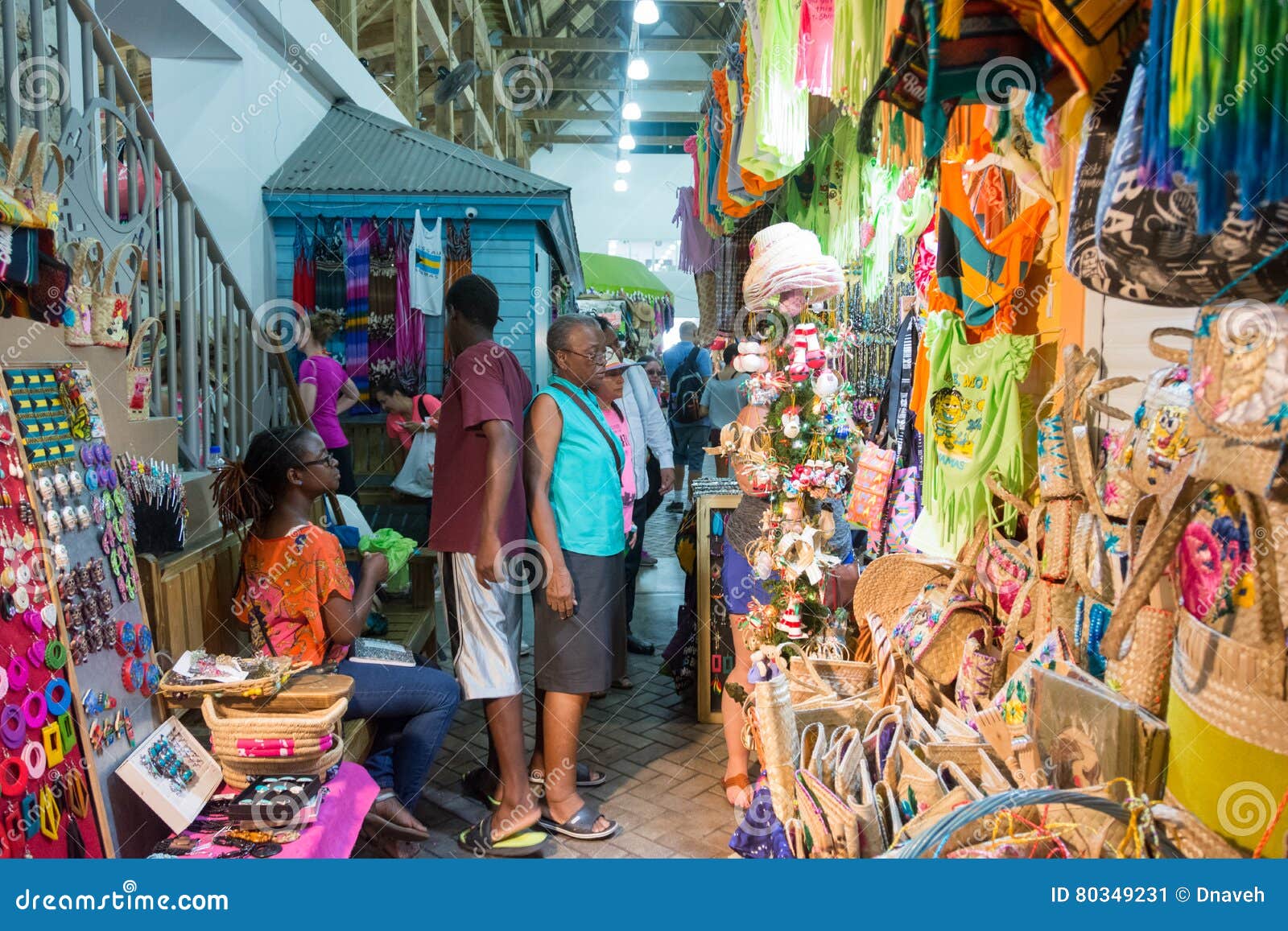
The Nassau Straw Market is a world-renowned cultural landmark and open-air marketplace located on Bay Street in Nassau, Bahamas, specializing in handcrafted Bahamian straw goods. Visitors can purchase authentic hand-woven hats, bags, baskets, and mats, as well as wood carvings and various souvenirs. It serves as both a primary tourist attraction and a vital economic hub for local artisans and their families.
The Historical Evolution of the Straw Market
The roots of the Nassau Straw Market are deeply intertwined with the economic history of the Bahamas. While straw weaving has been a part of Bahamian culture for centuries, the market as a centralized commercial entity gained prominence in the early 1940s. Following the collapse of the local sponge industry due to a fungal blight in the late 1930s, many Bahamians—particularly women from the Family Islands—turned to their traditional skills in straw work to generate income.
Initially, vendors gathered under the trees or near the wharf where cruise passengers disembarked. By the mid-20th century, straw work had evolved from a functional household necessity (used for baskets to carry crops or hats for sun protection) into a flourishing craft industry. The market became a symbol of Bahamian resilience and entrepreneurship.
The market has faced significant challenges, most notably the devastating fire in September 2001, which destroyed the original structure. For a decade, vendors operated under temporary tents nearby until the current, purpose-built facility was opened in 2011. This modern structure, located in the heart of downtown Nassau, was designed to preserve the traditional atmosphere while providing better infrastructure for the hundreds of vendors who call it home. As of 2026, the market remains the epicenter of Bahamian "cottage industry" tourism, maintaining its status as one of the largest facilities of its kind in the world.
Understanding Bahamian Straw Craftsmanship
To appreciate the value of the items in the straw market, one must understand the labor-intensive process behind each piece. Authentic Bahamian straw work is not made from generic grass; it is crafted primarily from the dried fronds of the Silver Top Palm and the Sisal plant.
The Preparation Process
The process begins in the Family Islands (such as Andros, Exuma, and Long Island), where the palm fronds are harvested. The "heart" of the palm is removed, stripped into thin strands, and dried in the sun. Once dried, these strands are bleached or dyed using natural or synthetic pigments to create various colors.
Plaiting and Weaving
The most distinctive aspect of Bahamian straw work is the "plaiting." There are dozens of traditional patterns, each with its own name and history. Some common styles include:
- The Jacob’s Ladder: A complex, tiered weave.
- The Fishbone: A tight, diagonal pattern.
- The Peas 'n' Rice: A textured weave resembling the local staple dish.
Artisans weave these plaits into long strips, which are then coiled and sewn together to form hats, bags, or mats. This "coiling" method is a hallmark of authentic Bahamian construction, distinguishing it from mass-produced imports that are often machine-pressed or made from synthetic materials.
Essential Visitor Information for 2026
If you are planning a visit to the Nassau Straw Market in 2026, navigating the environment requires some preparation. The market is located on Bay Street, the main commercial artery of downtown Nassau, just a few minutes' walk from the Prince George Wharf cruise terminal.
Hours and Logistics
The market typically opens at 8:00 AM and remains active until approximately 5:00 PM or 6:00 PM, depending on the cruise ship schedule. Since cruise traffic drives the majority of the market’s volume, the facility is most crowded between 10:00 AM and 3:00 PM. Visiting early in the morning or late in the afternoon offers a more relaxed experience and better opportunities for conversation with the vendors.
Currency and Payments
While the Bahamian Dollar (BSD) is the official currency, the U.S. Dollar (USD) is accepted at a 1:1 parity everywhere in the market. In 2026, many vendors have adopted mobile payment solutions and digital wallets, but cash remains king at the Straw Market. Small denominations are particularly useful for bargaining and for making small purchases like ornaments or fans.
Customs and Regulations
Travelers must be aware of international customs regulations regarding organic materials. Most Bahamian straw products are treated and dried sufficiently to pass through customs in the United States, Canada, and the UK. However, if a piece contains seeds, untreated wood, or specific agricultural elements, it may be subject to confiscation. Authentic, finished straw bags and hats rarely face issues.
What to Buy: Authentic Goods vs. Souvenirs
The Nassau Straw Market contains a mix of authentic, locally made handicrafts and imported mass-market souvenirs. Distinguishing between them is key to supporting the local economy and ensuring you receive a high-quality product.
- Authentic Straw Work: Look for irregularities in the weave and the scent of dried palm. Authentic pieces are heavier and more durable than their synthetic counterparts. Many vendors can personalize bags by embroidering your name or a design onto the straw in real-time.
- Wood Carvings: The market features several skilled woodcarvers who work with local hardwoods like mahogany and cedar. These items range from small animal figurines to large, intricate masks and bowls.
- Shell Jewelry: Items made from conch shells and other local marine life are popular. Ensure that any shell products are legally sourced and permitted for export.
- Generic Souvenirs: You will also find t-shirts, mass-produced magnets, and plastic toys. While these are common, they are generally not unique to the Straw Market's heritage.
The Art of Haggling: A Guide for Travelers
Haggling is an integral part of the Straw Market experience, but it should be approached with respect and friendliness. Unlike a retail store with fixed prices, the initial price quoted at a straw stall is often a starting point for negotiation.
Tips for Successful Negotiation
- Be Polite: Start a conversation before asking for the price. Vendors are more likely to offer a "local price" to someone who shows genuine interest in their craft.
- The "Bundle" Strategy: If you want to buy multiple items (e.g., three hats), you have significantly more leverage to ask for a discount.
- Know Your Limit: Have a price in mind that you are willing to pay. If the vendor cannot meet it, it is perfectly acceptable to thank them and walk away. Frequently, the vendor may call you back with a lower offer.
- Check the Quality First: Never negotiate for an item you haven't inspected. Check the handles of bags, the stitching of hats, and the finish of wood carvings before discussing the price.
Comparing Nassau Shopping Experiences
The Straw Market is the heart of traditional commerce, but Nassau offers various shopping environments. Understanding the differences helps you decide where to spend your time.
| Feature | Nassau Straw Market | Marina Village (Paradise Island) | Festival Place (Cruise Terminal) |
|---|---|---|---|
| Atmosphere | Energetic, traditional, crowded | Upscale, polished, quiet | Convenient, modern, breezy |
| Product Focus | Hand-woven straw, wood carvings | Luxury brands, high-end gifts | Local food, crafts, tours |
| Pricing | Negotiable / Haggling expected | Fixed retail pricing | Mostly fixed / Limited haggling |
| Authenticity | High (for straw and wood) | Mixed (global brands) | High (local artisans) |
| Payment | Cash preferred / Some digital | Credit cards widely accepted | Cash and credit cards |
Impact on the Local Economy and Culture
The Nassau Straw Market is more than just a place to buy bags; it is a social institution. Many of the vendors are second or third-generation "straw ladies" who have funded their children's education and built homes through their earnings at the market.
In the 2020s, there has been a renewed focus on preserving these skills. The Bahamas Agriculture and Marine Science Institute (BAMSI) and various cultural initiatives have worked to ensure that the younger generation learns the complex plaiting techniques that are unique to the islands. By purchasing an authentic straw bag, tourists are directly contributing to the preservation of a Bahamian heritage that dates back to the post-emancipation era.
Common Mistakes to Avoid
To ensure a positive experience, visitors should avoid several common pitfalls:
- Buying the first thing you see: There are hundreds of stalls. Similar items may be found deeper in the market for different prices or with different weave qualities.
- Confusing "Handmade" with "Local": Some items are handmade but imported from other Caribbean nations or even further afield. If authenticity is your goal, ask the vendor specifically where the straw was grown and who did the weaving.
- Taking photos without permission: While the market is a public space, the vendors' stalls are their livelihoods. Many appreciate it if you ask before taking close-up photos of them or their work.
- Visiting during "Peak Ship" hours: If five cruise ships are in port, the market will be extremely hot and crowded. Aim for before 10:00 AM or after 3:30 PM.
Frequently Asked Questions
Is the straw market in Nassau safe?
Yes, the Nassau Straw Market is generally safe for tourists. It is heavily patrolled by tourism police and is located in a high-traffic area. However, like any crowded marketplace, visitors should remain aware of their surroundings and keep their belongings secure to prevent petty theft or pickpocketing.
How can I tell if a straw bag is authentic?
Authentic Bahamian straw bags are made from "Silver Top" palm or sisal. They typically have a slight natural "grassy" scent, a firm texture, and visible patterns of plaited strips sewn together. Mass-produced imports often feel like plastic or thin paper and lack the structural integrity of a genuine hand-coiled Bahamian bag.
Can I pay with a credit card at the Straw Market?
While the infrastructure for digital payments has improved significantly by 2026, many individual vendors still prefer cash (USD or BSD). Large stalls or those selling high-value wood carvings are more likely to have card readers. It is always best to carry cash for smaller purchases and better bargaining power.
What is the best thing to buy at the Straw Market?
The most iconic and valuable items are the hand-woven bags and hats made from local palm fronds. Many visitors also value the "personalized" service where vendors embroider names or colorful motifs onto the items. For something unique, look for wood carvings made from Bahamian mahogany.
Are prices cheaper at the end of the day?
Often, yes. Vendors may be more willing to negotiate as the market prepares to close, especially if it has been a slow day or if the last cruise ship is about to depart. However, the selection may be slightly picked over by that time.
Recommendation for Next Actions
For the best experience at the Nassau Straw Market, arrive early (around 8:30 AM) with a supply of small-denomination U.S. or Bahamian bills. Take the time to walk through the entire facility before making a purchase. Look for vendors who are actively weaving or embroidering at their stalls, as this is a strong indicator of authenticity. Engage in friendly conversation, ask about the different plaiting styles, and remember that a respectful negotiation is part of the local culture. If you are looking for a specific design, don't hesitate to ask if it can be customized—many artisans can add personal touches while you wait.