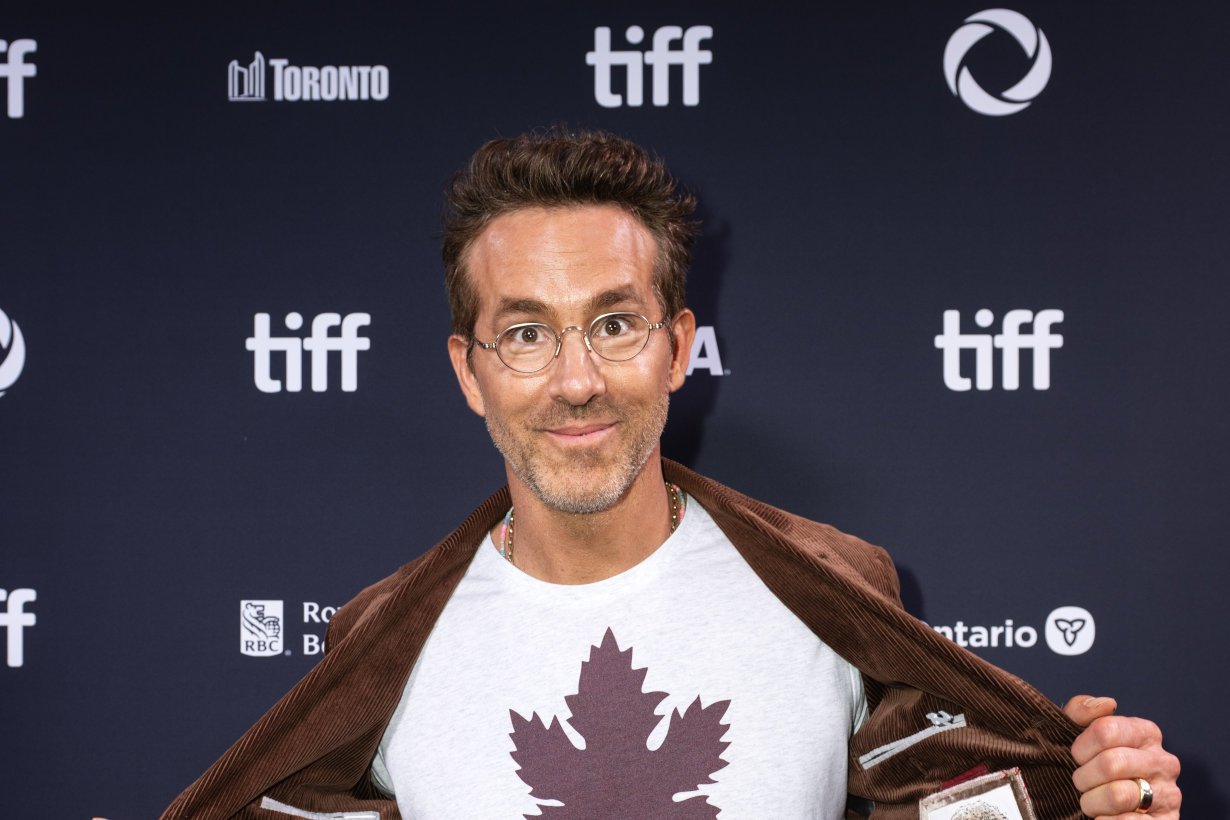
Ryan Reynolds has redefined the modern celebrity business model by leveraging his public persona to drive massive sales through strategic brand deals and merchandise, including highly recognizable graphic t-shirts that serve as both marketing assets and cultural touchstones. His approach combines humor, direct-to-consumer engagement, and high-impact digital storytelling to blur the lines between traditional celebrity endorsement and authentic brand ownership.
The Evolution of the "Reynolds Brand" Ecosystem
To understand how Ryan Reynolds approaches merchandise like t-shirts, one must first recognize the shift in his career trajectory from actor to venture capitalist and marketing mastermind. Unlike traditional Hollywood figures who simply serve as the "face" of a campaign, Reynolds prioritizes creative control. His business strategy, most notably seen through Maximum Effort—the production company and creative agency he co-founded—functions as a bridge between his film projects and his corporate interests.
T-shirts and apparel within the Reynolds ecosystem are rarely standalone items. They are instead treated as "Easter eggs" or narrative extensions. For instance, when Reynolds promotes a brand like Aviation American Gin or Mint Mobile, the associated apparel often incorporates the specific, deadpan humor associated with his social media presence. This converts a simple piece of fabric into a piece of fan-curated identity. By keeping the designs limited-run or tied to specific campaign milestones, he utilizes the psychological principle of scarcity to drive immediate sales.
Strategic Brand Deals: The Mechanism of Influence
Reynolds’ success in the retail and brand-deal space is predicated on a specific formula: the "humble-brag" advertisement. He frequently parodies the tropes of corporate marketing, acknowledging the absurdity of his own status while simultaneously pushing products.
- Alignment of Values: Reynolds chooses brands that allow for self-deprecating humor. He avoids the "polished celebrity" aesthetic, opting instead for a "relatable disruptor" vibe.
- Narrative Integration: Whether it is a Wrexham AFC commemorative shirt or a limited-edition Mint Mobile crewneck, the garment is framed as part of a larger story. The fan isn't just buying a t-shirt; they are buying into the "David vs. Goliath" narrative that he builds around his business ventures.
- Speed to Market: Because he controls the creative agency behind his ads, Reynolds can pivot instantly. If a meme takes off or a viral moment occurs during a film promotion, he can release a supporting apparel item within days.
Merchandise Sales and Consumer Psychology
The business of selling t-shirts in the age of digital influencers relies heavily on the "parasocial relationship." Fans feel they have a personal connection to Reynolds because of his frequent interaction with followers on platforms like X (formerly Twitter). When he offers merchandise, it acts as a digital handshake.
The sales funnel for these items is exceptionally streamlined. Typically, the transition from a viral advertisement to an e-commerce checkout page occurs within seconds of an announcement. The technical execution—using high-conversion platforms and localized fulfillment—ensures that the friction between seeing the item and purchasing it is minimized.
| Campaign Type | Primary Goal | Merchandise Utility |
|---|---|---|
| Film Promotion | Awareness/Engagement | Limited-edition props/apparel |
| Brand Acquisition | Market Disruption | Brand identity apparel (logo-heavy) |
| Philanthropic/Community | Local Impact/Support | Club-branded gear (e.g., Wrexham) |
| Holiday/Event-Based | Seasonal Revenue | Humorous/Thematic graphic tees |
Measuring Public Impact and Cultural Resonance
The public impact of Reynolds’ business ventures is measured not just in units sold, but in the "share of voice." Every time a branded t-shirt is worn in public, it acts as a walking billboard. This is an organic form of marketing that traditional TV spots cannot replicate.
Furthermore, the integration of these products into his public life—wearing them during interviews, on film sets, or during sporting events—validates the product. It removes the "paid shill" stigma, as the items appear to be integrated into his daily wardrobe rather than a forced promotional requirement. This has led to a significant increase in the perceived value of the brands he represents, as the consumer perceives a high level of authenticity behind the merchandise.
Practical Considerations for Brand Partnerships
For those looking to understand the mechanics behind this influence, several key factors distinguish Reynolds' approach:
- Platform Diversification: He does not rely on a single channel. Apparel is promoted across video platforms, social media micro-blogging, and traditional press outlets simultaneously.
- Creative Autonomy: The most successful brand deals are those where the celebrity has the power to veto or approve creative direction. Reynolds’ agency allows him this level of scrutiny.
- Legacy vs. Trend: Reynolds often balances timeless designs (essential for brand longevity) with "of-the-moment" graphic prints (essential for viral marketing).
Common Mistakes in Celebrity Branding
Many celebrities fail in the retail space because they view merchandise as an afterthought rather than a core asset. Common errors include:
- Low Quality: Prioritizing margins over material quality, which leads to negative reviews and long-term brand damage.
- Lack of Context: Releasing apparel that does not align with the brand’s core messaging, leading to confusion among the target audience.
- Oversaturation: Flooding the market with too many designs, which dilutes the "limited-edition" appeal that Reynolds leverages so effectively.
Frequently Asked Questions
How does Ryan Reynolds ensure his brand deals remain authentic to his audience? Reynolds maintains authenticity by ensuring his creative agency, Maximum Effort, produces his own advertisements. By retaining editorial control, he avoids the "corporate suit" aesthetic and ensures that the tone of his brand deals remains consistent with his comedic persona.
Why are t-shirts a common component of his merchandise strategy? T-shirts are low-barrier-to-entry items that are easy to produce, distribute, and wear. They serve as "walking billboards" that allow fans to express their allegiance to his various business ventures, such as Wrexham AFC or his various corporate partnerships.
How much does the "scarcity" factor influence these sales? By using limited-time offers or tying merchandise to specific viral moments, Reynolds triggers the "Fear Of Missing Out" (FOMO) in his audience. This creates spikes in traffic and conversion rates that traditional, ongoing product lines rarely achieve.
What is the role of Maximum Effort in his retail success? Maximum Effort acts as the engine room for his brand deals. It allows him to turn marketing ideas into tangible assets (like t-shirts or video spots) with extreme speed, effectively capitalizing on cultural trends before they lose relevance.
How does the audience distinguish between "promotional gear" and "lifestyle apparel"? The distinction is in the branding. When the apparel features the brand’s identity integrated with a witty or humorous design, it crosses into "lifestyle" territory. If it were merely a logo on a cheap shirt, the audience would likely view it as lower-value promotional content.
Future Outlook and Strategic Direction
Looking toward the remainder of 2026, the intersection of celebrity, digital content, and retail apparel is expected to grow more sophisticated. As audience fragmentation increases, the ability to create community-centric products—such as those centered around the Wrexham AFC community or the subscriber bases of his mobile services—will remain a gold standard for brand engagement.
The most effective next step for anyone attempting to model this behavior is to prioritize community-first marketing. Instead of pushing a product to a cold audience, brands should focus on cultivating a narrative environment where the merchandise becomes the physical evidence of being part of an "insider" group. Whether through humor, shared passions, or the promise of unique access, the goal is to shift the consumer from a buyer to an advocate.