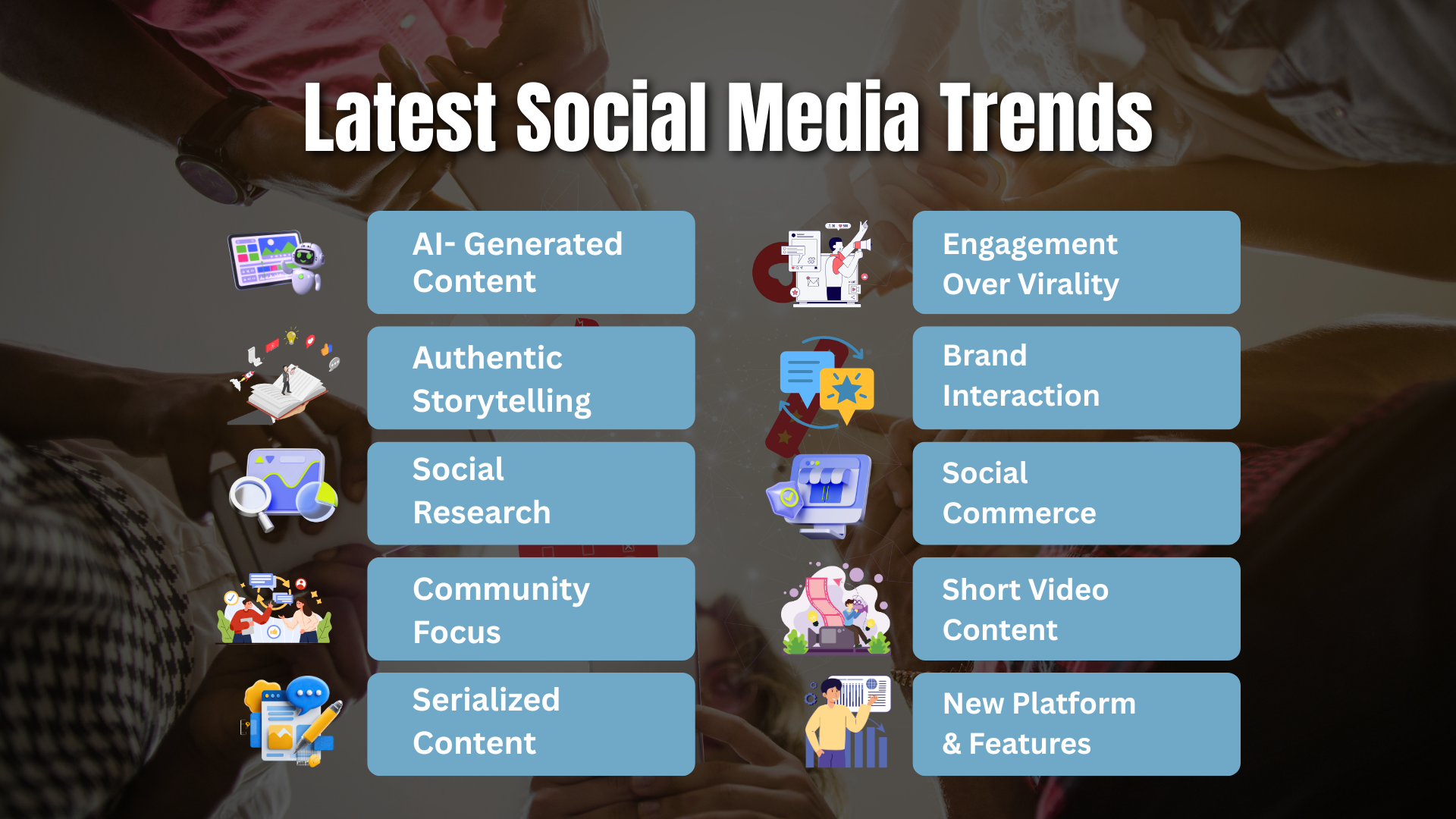
Social media trends in 2026 represent a shift toward algorithm-agnostic community building, the integration of generative AI for hyper-personalized content, and a preference for long-form video storytelling over ephemeral clips. Mastering these shifts requires balancing technical platform requirements with a focus on high-fidelity, authentic audience engagement to maintain visibility and trust in an increasingly saturated digital environment.
The Evolution of Content Consumption Patterns
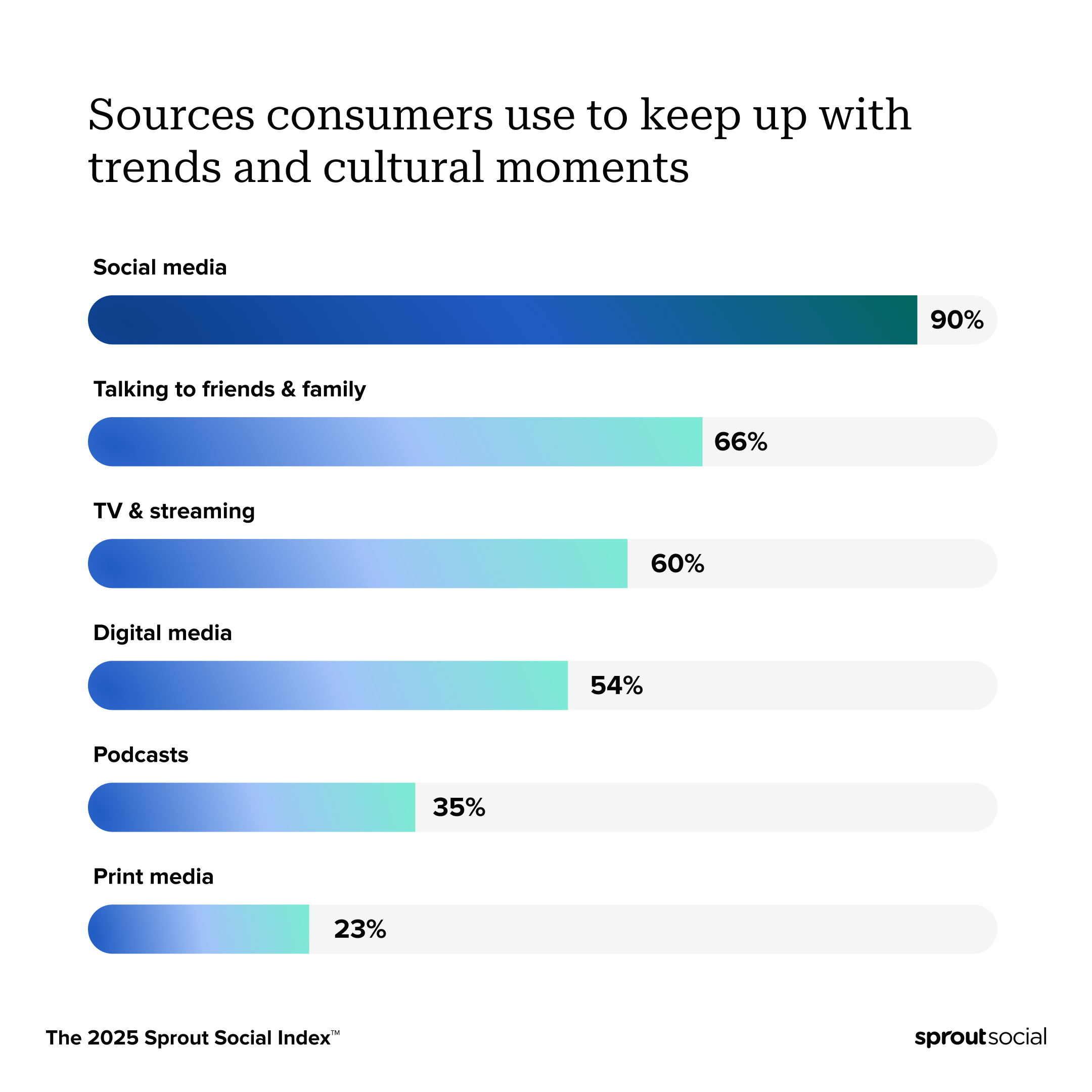
As of 2026, the landscape of social media has transitioned away from the high-velocity, short-form "scroll" that defined the early 2020s. While micro-content remains a staple for discovery, audience retention is now driven by episodic, long-form narratives. Users are actively seeking depth, moving away from fragmented snippets in favor of video essays, live-streamed workshops, and detailed brand storytelling that mirrors the depth previously reserved for legacy media platforms.
The primary driver of this change is user fatigue. After years of rapid-fire content consumption, audiences have developed a heightened sensitivity to low-value, repetitive trends. Consequently, platforms have updated their recommendation engines to prioritize "dwell time"—the duration a user spends actively consuming a single piece of content—over simple click-through rates. For creators and businesses, this means the technical strategy must pivot toward producing fewer, higher-quality assets that encourage viewers to remain within the application environment.
Integration of Generative AI in Social Workflows
In 2026, generative AI is no longer a novelty but an essential operational requirement. The trend has shifted from simply using AI to generate text or images to utilizing localized, brand-specific AI models. Companies are now training proprietary Large Language Models (LLMs) on their own historical data to ensure that automated responses and creative assets maintain a consistent brand voice.
However, this integration carries specific technical requirements. To leverage AI effectively, brands must:
- Audit Data Provenance: Ensure that the training sets used by AI tools are legally compliant and free of biased or harmful data.
- Implement Human-in-the-Loop (HITL) Validation: Use automated AI drafts as a starting point, requiring manual editorial oversight to ensure accuracy and contextual relevance.
- Disclosure Standards: Comply with local and international regulations regarding the labeling of synthetic media to maintain audience transparency and platform compliance.
Community-Centric Platforms and Micro-Influencer Authority
The era of the "macro-influencer" with millions of broad-reach followers is being eclipsed by the "niche expert" within private or semi-private communities. Social media trends now favor gated environments, such as Discord servers, private WhatsApp channels, or subscription-based newsletters, where engagement is more meaningful and conversion rates are historically higher.
This shift necessitates a change in how brands measure success. Metrics such as "Reach" and "Impressions" are being demoted in favor of "Community Sentiment," "Retention Rate," and "Direct Message Conversions." The goal is to build a core group of advocates who contribute to the brand’s narrative, turning the audience into a collaborative partner rather than a passive consumer base.
Strategic Comparison of Engagement Models
| Model | Primary Metric | Audience Reach | Conversion Probability | Resource Intensity |
|---|---|---|---|---|
| Public Short-Form | Viral Reach | High | Low | Moderate |
| Niche Long-Form | Dwell Time | Moderate | Moderate | High |
| Private Community | Member Retention | Low | High | Very High |
Technical Requirements for Platform Compliance
To succeed in the current environment, digital strategists must adhere to the evolving technical specifications of major platforms. As of 2026, platform algorithms prioritize native uploads over cross-platform reposts. Using third-party tools to scrape and auto-post content often results in "shadow-ranking" or reduced algorithmic priority, as platforms strive to keep content exclusive to their specific ecosystems.
Furthermore, technical accessibility remains a non-negotiable requirement. Platforms are increasingly penalizing content that lacks closed captioning, high-contrast visual elements, and accurate alt-text descriptions. Beyond legal compliance, these features are essential for accessibility, which directly correlates with improved algorithmic distribution.
Common Mistakes and How to Avoid Them
The most significant error in current social media strategy is "trend-chasing without context." Many brands fall into the trap of adopting viral audio or meme formats that do not align with their core mission. This often leads to a "brand-identity dissonance," where the audience loses interest because the content feels performative rather than authentic.
Another common mistake is ignoring the technical performance of assets. Posting high-bitrate video that causes buffer delays on mobile networks leads to immediate abandonment. Using standardized compression tools to optimize file sizes while maintaining visual fidelity is a prerequisite for reaching users in areas with varying network stability.
Frequently Asked Questions
Why is my organic reach declining despite high post frequency?
Organic reach often declines when frequency increases at the expense of quality. Platforms in 2026 utilize engagement signals to throttle content that is perceived as spam or low-value. Reducing your posting schedule to prioritize high-dwell-time, original content typically results in better long-term distribution.
How do I balance AI automation with human authenticity?
Use AI for the heavy lifting—data analysis, trend forecasting, and initial drafting—but reserve the final editorial stage for human intervention. Personal anecdotes, unique brand insights, and community interaction must remain human-led to maintain the trust that AI cannot replicate.
What is the most effective way to measure "community" impact?
Move beyond vanity metrics like "likes." Focus on qualitative data such as the quality of comments, the volume of direct messages, and the frequency with which community members advocate for your brand to others. These are indicators of a sustainable, long-term audience base.
Should I invest in private community platforms?
Yes, if your brand relies on deep expertise or customer loyalty. Private channels allow for direct communication, reducing the risk associated with algorithm shifts. However, ensure you have the human resources to manage these spaces, as they require significantly more moderation and active participation than public feeds.
How do I handle negative feedback in an age of viral public scrutiny?
Address concerns publicly when appropriate, but shift the conversation to private channels immediately. Transparency is key; acknowledging mistakes quickly and detailing the steps taken for rectification helps maintain credibility in a landscape that punishes evasiveness.
Next Actions for Your Social Media Strategy
To begin adjusting your strategy, conduct a comprehensive audit of your high-performing content from the last six months. Identify the pieces that generated the most meaningful discussion—not just the most views—and analyze the characteristics that made them successful. Shift your budget away from paid amplification of broad-reach content and toward the development of long-form assets and the cultivation of a dedicated community. By aligning your technical execution with the current preference for depth and authenticity, you will create a resilient social media presence capable of thriving throughout 2026 and beyond.