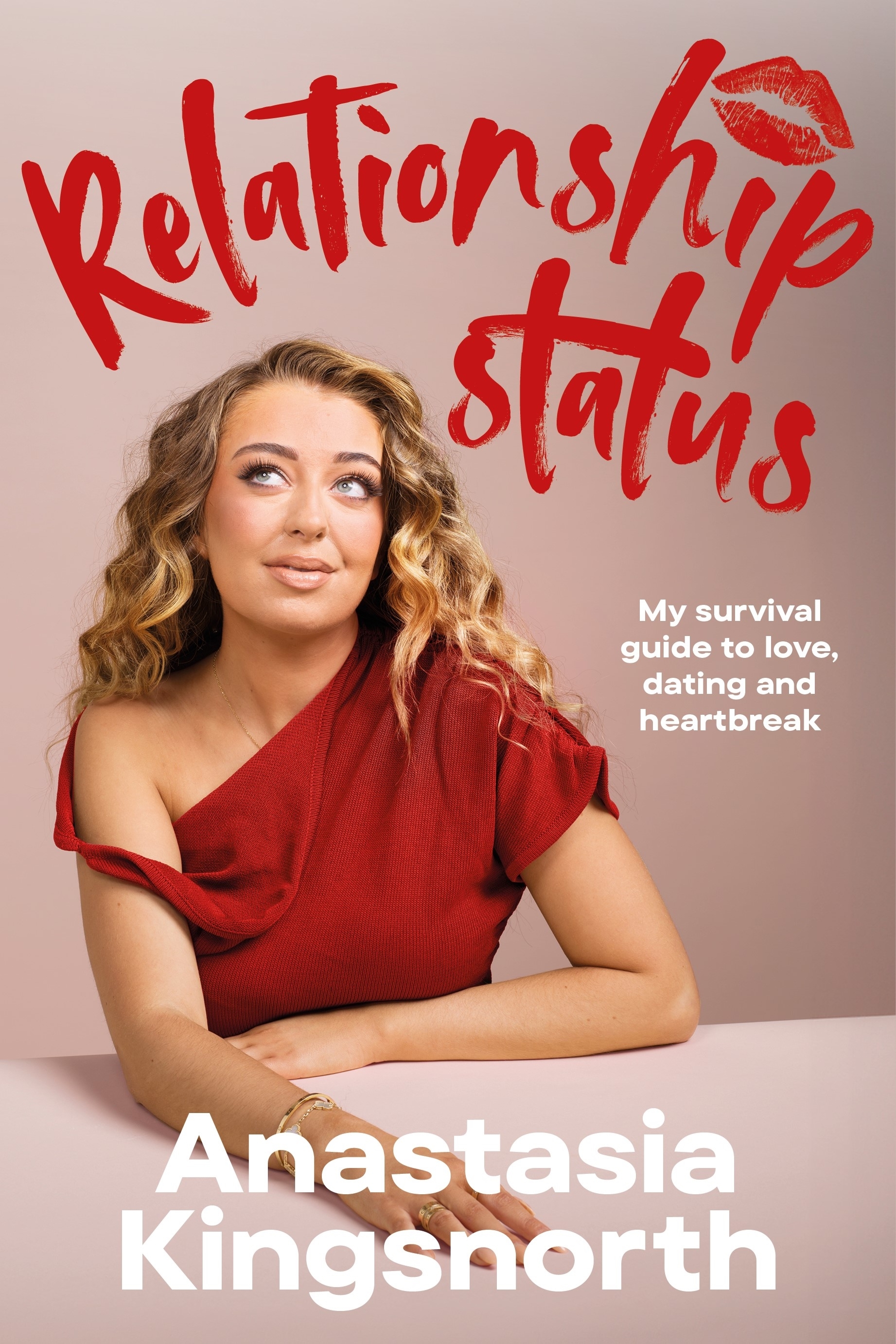
In 2022, the concept of "relationship status" evolved from traditional labels toward the situationship, characterized by a lack of formal commitment despite high emotional intimacy. Driven by post-pandemic social re-entry, 2022 focused on hardballing—radical honesty about long-term goals—and a significant increase in intentional singlehood and "dry dating" among younger demographics.
The Sociological Context of 2022 Relationship Trends
To understand the 2022 relationship status landscape, one must first look at the broader sociological environment of that year. Coming off the heels of the COVID-19 pandemic, 2022 was widely characterized as the year of "social re-emergence." However, this re-emergence did not lead to a return to pre-2020 norms. Instead, it solidified a shift in how individuals viewed partnership, commitment, and personal autonomy.
Data from the U.S. Census Bureau and reports from the Pew Research Center indicated that the median age for first marriages continued to climb in 2022, reaching approximately 30.1 years for men and 28.2 years for women. This delay in formal commitment was not merely a byproduct of economic constraints but a reflection of a changing value system where career stability and personal growth were prioritized over early marriage.
Furthermore, 2022 saw a rise in "single by choice" narratives. No longer seen as a transitional phase between relationships, being single became a celebrated status for many. This shift was fueled by a rejection of the "relationship escalator"—the societal expectation that all romantic endeavors must lead to marriage and cohabitation.
The Rise of the "Situationship" as a Primary Status
If 2022 had a defining relationship status, it was undoubtedly the situationship. While the term existed prior to 2022, it reached a cultural zenith that year, becoming a frequent topic of discussion in mainstream media and social platforms.
Defining the Situationship
A situationship is a romantic arrangement that lacks the formal definition of a traditional relationship. Unlike a "friends with benefits" arrangement, which is often purely physical, a situationship involves emotional labor, regular communication, and shared activities. However, it lacks the explicit "boyfriend/girlfriend" labels and the long-term commitment associated with them.
Why 2022 Was the Year of the Situationship
Several factors contributed to the dominance of this status in 2022:
- Low-Stakes Connection: After the high-intensity stress of the pandemic, many individuals sought the comfort of companionship without the "heavy lifting" of a formal commitment.
- Economic Uncertainty: Rising inflation and global instability made the prospect of long-term planning, such as moving in together or getting engaged, feel daunting.
- Digital Fatigue: The burnout from dating apps led users to settle into comfortable middle-grounds rather than continuing the cycle of endless swiping.
According to the Tinder Year in Swipe 2022, the term "situationship" saw a 49% increase in mentions on the platform compared to the previous year, highlighting that users were increasingly looking for this "in-between" status.
"Hardballing" and the Demand for Radical Transparency
While some embraced the ambiguity of situationships, another segment of the 2022 dating population moved in the opposite direction. This led to the rise of hardballing.
Hardballing is the practice of being incredibly upfront about one’s relationship expectations, deal-breakers, and long-term goals right from the start—often before the first date even occurs. This trend was a direct reaction to "breadcrumbing" (giving just enough attention to keep someone interested) and "ghosting" (disappearing without explanation).
In 2022, hardballing became a survival strategy. Daters felt they had "lost" two years to the pandemic and were unwilling to waste more time on incompatible matches. This led to a more transactional but efficient dating environment. Apps like Hinge adapted to this by introducing "Relationship Intentions" features, allowing users to state exactly what they were looking for (e.g., "Life partner," "Long-term, open to short," or "Short-term fun").
Digital Expressions: Beyond the Facebook Status
In the early 2010s, a relationship was only "official" once it was changed on Facebook. By 2022, this ritual had become largely obsolete, replaced by more nuanced and visual indicators of status on Instagram and TikTok.
The "Soft Launch"
The "soft launch" was a hallmark of 2022 relationship culture. Instead of a formal announcement, individuals would post subtle clues that they were seeing someone—a photo of two wine glasses, a mystery hand on a dinner table, or the corner of a partner’s jacket. This allowed individuals to signal a change in their relationship status without the pressure of a full public reveal, providing a layer of protection if the relationship didn't last.
The 2022 "Wrapped" Trend
Inspired by Spotify Wrapped, 2022 saw a massive trend on TikTok where users created "Dating Wrapped" presentations. These videos summarized their 2022 relationship status journey, including the number of first dates, how many times they were ghosted, and the amount of money spent on dating. This trend highlighted a move toward viewing dating through a lens of self-reflection and humor rather than just romantic success.
Comparing 2022 Relationship Dynamics
The following table outlines the differences between traditional relationship markers and the shifts observed specifically in 2022.
| Feature | Pre-Pandemic Norm (2019) | 2022 Shift | Primary Driver |
|---|---|---|---|
| Primary Goal | Finding "The One" | Finding "The One for Now" | Emotional safety & flexibility |
| Communication | Ambiguous/Playing it cool | Hardballing (Transparency) | Time efficiency & maturity |
| Formal Labels | BF/GF or "It's Complicated" | Situationship | Avoidance of pressure |
| Date Activities | Expensive dinners/Outings | "Dry Dating" or Coffee dates | Inflation & health consciousness |
| Social Media | Facebook Status Update | The "Soft Launch" (Instagram) | Privacy & curated aesthetics |
| Commitment Speed | Escalating quickly | Slow dating (Intentionality) | Psychological caution |
The Impact of Inflation on 2022 Relationship Statuses
One cannot discuss the 2022 relationship status without mentioning the "Cost of Living Crisis." Economic pressure significantly altered how people maintained their status.
"Infla-dating" became a recognized term as the cost of a standard dinner date rose by over 10-15% in many urban areas. This led to a rise in "low-cost dating," where people opted for walks in the park or staying in earlier in the courtship process. For many, the financial burden of dating led to a more selective approach, where "status" was only worth pursuing if the person was deemed "worth the investment."
Additionally, 2022 saw a trend in "staying together for the rent." While not a romantic status, the "economic relationship" became a reality for many couples who might have otherwise broken up but remained in a shared living situation due to the impossibility of finding affordable housing elsewhere.
Intentional Singlehood and Mental Health
In 2022, "Single" ceased to be a default state and became a proactive choice for a growing number of people. This was particularly evident among Gen Z and Millennials, who began to prioritize mental health and "self-work" over the pursuit of a partner.
The phrase "Main Character Energy" trended throughout the year, encouraging individuals to see themselves as the protagonist of their own lives rather than a supporting character in someone else’s romantic story. This cultural shift reduced the stigma associated with being single, allowing individuals to list their relationship status with pride rather than apology.
Mental health awareness also played a role in the "Great Breakup" of 2022. As people emerged from the pandemic, many realized their existing relationships were born out of survival or proximity rather than true compatibility. This led to a surge in breakups in early 2022 as people sought to align their external lives with their internal post-pandemic growth.
Regional and Demographic Variations
While the "situationship" and "hardballing" were global trends, their implementation varied:
- Urban vs. Rural: Situationships were significantly more common in high-density urban areas where the "paradox of choice" on dating apps was most prevalent.
- Gender Dynamics: Reports from Bumble suggested that women in 2022 were increasingly leading the "hardballing" trend, demanding more transparency and equality in relationship roles.
- The Over-50 Demographic: Interestingly, relationship statuses for those over 50 in 2022 showed a rise in "LAT" (Living Apart Together), where couples maintained a committed relationship but chose to keep separate residences to maintain their independence.
FAQ: Common Questions About 2022 Relationship Trends
What exactly is "Hardballing" in a 2022 context?
Hardballing is the practice of being direct about your relationship goals and expectations from the very first interaction. In 2022, this meant clearly stating whether you wanted marriage, kids, or a casual arrangement immediately, rather than waiting weeks or months to have "the talk."
Why did "Situationships" become so popular in 2022?
Situationships provided a "middle ground" for people who were emotionally exhausted by the pandemic but still craved connection. They offered the benefits of a relationship—regular companionship and sex—without the legal or social pressures of a committed partnership.
Did dating apps change in 2022?
Yes. Major apps like Tinder, Hinge, and Bumble introduced features to help users filter by "relationship intent." This was a response to the 2022 trend of "intentional dating," where users wanted to avoid wasting time on people with different goals.
What is "Dry Dating" and why did it trend in 2022?
Dry dating refers to going on dates without consuming alcohol. In 2022, this trend grew as people became more health-conscious and sought more "authentic" connections that weren't blurred by substances. It also served as a way to keep dating costs down during a year of high inflation.
Was the "Facebook Relationship Status" still relevant in 2022?
For younger generations (Gen Z and many Millennials), the Facebook relationship status was considered "cringe" or outdated by 2022. It was largely replaced by Instagram "soft launches" or "Grid posts" as the official way to signal a relationship.
Practical Recommendation: Navigating Relationship Labels
Whether you are looking back at 2022 as a researcher or reflecting on your own journey, the primary lesson of that year’s relationship culture is the value of communication over labels.
If you find yourself in a "situationship" or are practicing "hardballing," the key to success is ensuring that both parties are operating with the same information. In 2026, the legacy of 2022 remains: the most healthy relationship status is not "Single," "Married," or "It’s Complicated," but rather any status where both individuals have consented to the terms of their connection with total transparency.
For those looking to move from a situationship to a formal status, the "2022 approach" of radical honesty remains the most effective tool. Address the lack of a label directly, state your needs, and be prepared to walk away if the other person's "intentionality" does not align with your own.