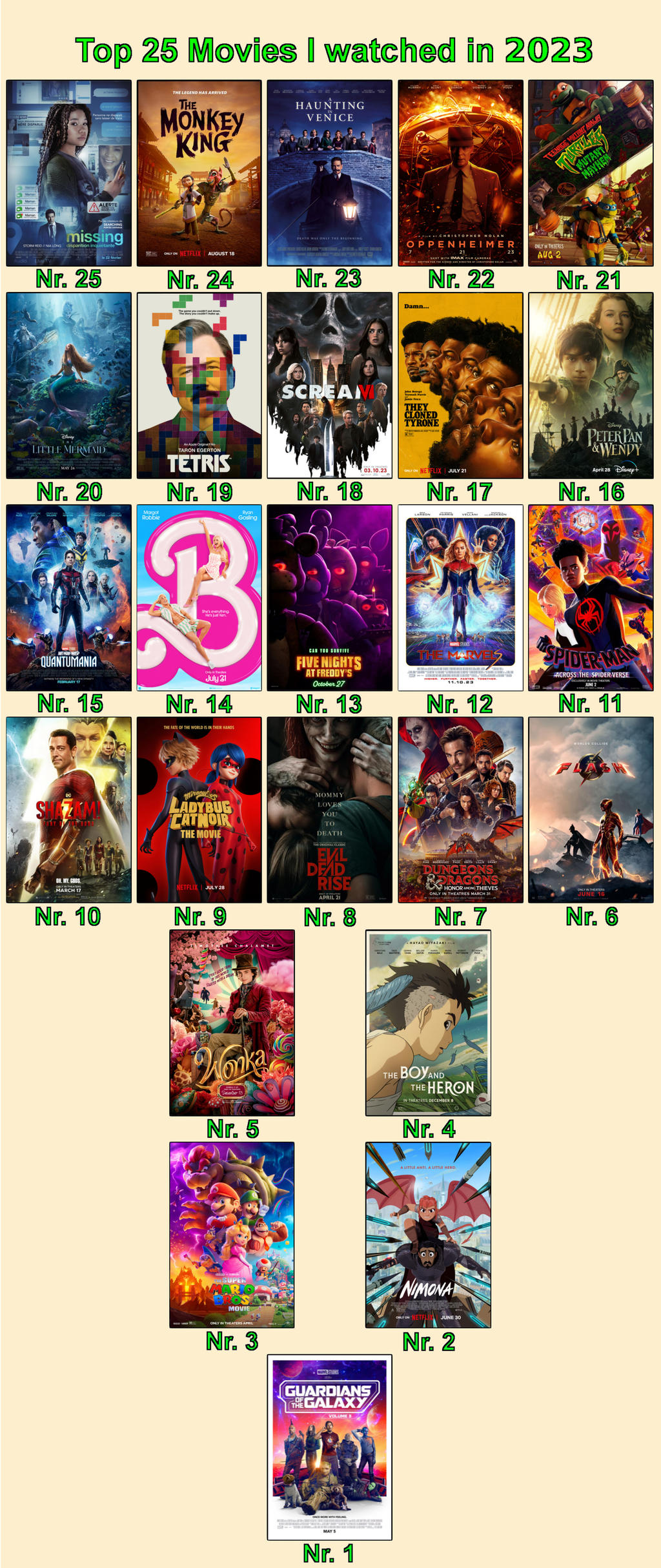
The cinematic landscape of 2023 films was defined by a historic box office rebound, the dual Hollywood labor strikes, and a cultural phenomenon known as "Barbenheimer," which collectively reshaped audience engagement, studio release models, and the ongoing discourse surrounding original versus franchise-driven storytelling.
The year 2023 stands as a fascinating inflection point in modern cinema history. Coming off the protracted recovery phase following the global disruptions of the early 2020s, the film industry experienced a dramatic theatrical resurgence punctuated by unprecedented cultural events, major technological milestones, and labor disputes that halted Hollywood productions for months. From record-shattering box office juggernauts to daring independent features and critical darlings, the motion pictures released in this twelve-month window captured the anxieties, desires, and changing viewing habits of a global audience. Analyzing this cinematic ecosystem requires exploring the shifting distribution models, the dominance of specific narrative genres, the financial metrics of major releases, and the long-term ramifications of the Writers Guild of America (WGA) and Screen Actors Guild-American Federation of Television and Radio Artists (SAG-AFTRA) strikes.
The Theatrical Recovery and Box Office Landscape
The financial health of the global film industry experienced a vital stabilization throughout the year. Studios demonstrated that theatrical exhibition remained a viable and lucrative medium when paired with effective marketing and eventized viewing experiences. Total global box office receipts climbed significantly closer to pre-pandemic baselines, driven largely by a select group of tentpole releases that captured the public imagination.
However, this recovery was unevenly distributed. While mid-budget dramas and traditional romantic comedies continued to struggle for theatrical screen space—frequently pushed directly to subscription video-on-demand (SVOD) streaming platforms—high-concept spectacles and globally recognized intellectual properties (IPs) thrived. The economics of moviegoing shifted toward the "event" film, where audiences felt compelled to see a movie on the opening weekend to avoid social media spoilers and to participate in a shared cultural moment. This dynamic concentrated financial success among a handful of major studio releases, leaving independent distributors to rely heavily on hybrid release strategies, festival buzz, and targeted digital rentals to secure profitability.
The Barbenheimer Phenomenon
No discussion of the cinematic landscape is complete without examining the unprecedented cultural collision of Greta Gerwig’s Barbie and Christopher Nolan’s Oppenheimer. Originally slated for simultaneous theatrical release on July 21, what initially appeared to be a standard counter-programming scheduling quirk morphed into an organic, internet-fueled phenomenon dubbed "Barbenheimer."
Rather than cannibalizing each other's box office potential, the two films created a synergistic effect that drove millions of moviegoers to purchase double-feature tickets. Barbie, a subversive, pastel-hued satire exploring patriarchy and existentialism through the lens of Mattel's iconic fashion doll, grossed over $1.4 billion globally, making Gerwig the highest-grossing solo female director in history. Concurrently, Oppenheimer, an epic biographical thriller detailing the life of theoretical physicist J. Robert Oppenheimer and the creation of the atomic bomb, defied conventional wisdom regarding R-rated, dialogue-heavy dramas by grossing nearly $960 million worldwide.
This phenomenon demonstrated several key lessons for film studios:
- Audience Appetite for Contrast: Moviegoers demonstrated a distinct hunger for bold, contrasting cinematic visions rather than homogenous franchise output.
- The Power of Organic Social Media Marketing: Memes, fashion trends, and communal excitement generated by fans vastly outperformed traditional studio marketing budgets.
- The Vital Importance of Premium Formats: Oppenheimer's heavy emphasis on IMAX 70mm projection drove massive ticket sales for premium large formats (PLFs), proving that technical presentation matters deeply to modern audiences.
Major Studio Franchises and Superhero Fatigue
While event films like Barbenheimer broke records, the traditional bedrock of studio profitability—the comic book adaptation and long-running franchise sequel—showed unmistakable signs of commercial vulnerability. For over a decade, superhero films dominated global box office charts with predictable regularity. However, the release slate experienced a noticeable box office correction, often attributed by industry analysts to audience fatigue and inconsistent quality control.
Releases from major comic book stables, including Marvel Studios and DC Studios, faced uncharacteristic financial and critical underperformances. Films such as The Marvels, The Flash, and Ant-Man and the Wasp: Quantumania failed to reach the lofty financial thresholds established by their predecessors. Audiences began expressing weariness toward interconnected cinematic universes that demanded extensive homework across multiple television series and prior films just to understand a standalone narrative.
Conversely, established franchises that leaned into unique visual styles or nostalgia without the burden of mandatory multi-verse continuity fared better. Spider-Man: Across the Spider-Verse captivated critics and audiences alike with its groundbreaking animation techniques, complex storytelling, and deep thematic resonance, proving that superhero narratives could still thrive if executed with artistic daring and distinct aesthetic identity. Similarly, legacy sequels like Mission: Impossible – Dead Reckoning Part One relied on practical stunts, star power, and straightforward narrative stakes to maintain viewer interest.
Critical Darlings and Independent Cinema
Beyond the multiplexes, independent cinema and specialized distributors delivered some of the most critically acclaimed and enduring artistic achievements of the period. A24, Neon, Searchlight Pictures, and various streaming-adjacent boutique labels fostered projects that prioritized directorial voice, intimate character studies, and genre-bending storytelling.
Yorgos Lanthimos's Poor Things, distributed by Searchlight Pictures, emerged as a major awards contender, blending surrealist dark comedy, feminist liberation, and striking production design. Emma Stone’s fearless performance as Bella Baxter garnered widespread acclaim and anchored a film that challenged conventional narrative structures.
At the same time, international cinema continued to make substantial inroads into Western art-house and mainstream consciousness. Works from visionary global auteurs explored complex historical trauma, family dynamics, and socio-economic critique with nuance and emotional depth. These independent and international productions filled the critical void left by major studios, ensuring that the year's cinematic ledger included challenging, thought-provoking narratives that appealed to cinephiles and academic critics.
| Film Title | Primary Genre | Director | Estimated Box Office / Notable Status |
|---|---|---|---|
| Barbie | Fantasy / Comedy | Greta Gerwig | Over $1.4 billion worldwide; highest-grossing film of the year. |
| Oppenheimer | Biographical Drama / Thriller | Christopher Nolan | Nearly $960 million worldwide; Best Picture Academy Award winner. |
| Spider-Man: Across the Spider-Verse | Animated / Superhero | Joaquim Dos Santos, Kemp Powers, Justin K. Thompson | Critical and commercial triumph; pushed animation boundaries. |
| Killers of the Flower Moon | Epic Crime / Western | Martin Scorsese | High-profile Apple Original Films theatrical and streaming release. |
| Poor Things | Surrealist Comedy / Drama | Yorgos Lanthimos | Major awards circuit success; acclaimed production design and lead performance. |
The Impact of the Hollywood Labor Strikes
No review of the film industry can ignore the profound structural disruption caused by the 2023 Writers Guild of America (WGA) and Screen Actors Guild-American Federation of Television and Radio Artists (SAG-AFTRA) strikes. Writers walked off the job in May, followed by actors in July, effectively shutting down Hollywood production for nearly four months.
These historic strikes were precipitated by fundamental shifts in the economics of entertainment, primarily driven by the transition from traditional television syndication and box office residuals to the subscription streaming model. Key issues at the bargaining table included:
- Residuals in the Streaming Era: Ensuring fair compensation for creative talent based on the viewership and success of shows and movies on digital platforms.
- Artificial Intelligence (AI): Establishing robust guardrails and consent protocols regarding the potential use of generative AI to replicate writers' work, actors' likenesses, and voice performances.
- Writers' Room Stability: Addressing the rise of compressed "mini-rooms" that reduced employment duration and professional development opportunities for television writers.
The strikes forced studios to delay numerous theatrical release dates, pushing highly anticipated blockbusters from late 2023 and 2024 deep into subsequent years. While the dual strikes caused immediate financial hardship for below-the-line crew members and ancillary businesses dependent on production activity, the resulting labor agreements established vital modern precedents for how creative talent is compensated and protected in an increasingly digital and automated media landscape.
Frequently Asked Questions
What was the highest-grossing film released?
Greta Gerwig’s Barbie claimed the top spot at the global box office, grossing over $1.4 billion worldwide and cementing itself as a defining cultural milestone of the decade.
How did the labor strikes affect the release schedule?
The WGA and SAG-AFTRA strikes forced major studios to halt active production for several months. Consequently, numerous high-profile titles originally slated for late theatrical windows were delayed to allow for principal photography and post-production completion once agreements were reached.
What caused the "Barbenheimer" trend?
The trend was born from the simultaneous theatrical release date of Barbie and Oppenheimer. The stark tonal contrast between the two films inspired internet memes, double-feature cinema tickets, and widespread public enthusiasm, turning opening weekend into a communal cultural event.
Did superhero films perform well at the box office?
The genre experienced a noticeable commercial correction. While a few standout entries like Spider-Man: Across the Spider-Verse succeeded critically and financially, several major franchise tentpoles from Marvel and DC underperformed compared to historical box office trends.
Where can I stream the major award-winning movies?
Streaming availability varies by region and distribution rights. Major studio releases typically migrate to proprietary platforms such as Max, Disney+, Paramount+, or Apple TV+ following their theatrical windows, while independent titles frequently appear on specialized services like Criterion Channel, Hulu, or digital rental storefronts.
Practical Next Steps for Film Enthusiasts
To fully appreciate the cinematic achievements of this era, viewers should look beyond mainstream streaming algorithms and explore specialized film catalogs, physical media releases (such as 4K Ultra HD editions featuring extensive behind-the-scenes documentaries), and independent cinema retrospectives. Engaging with film criticism, supporting local independent theaters, and exploring international cinema offerings ensure a deeper, more rewarding understanding of modern filmmaking.