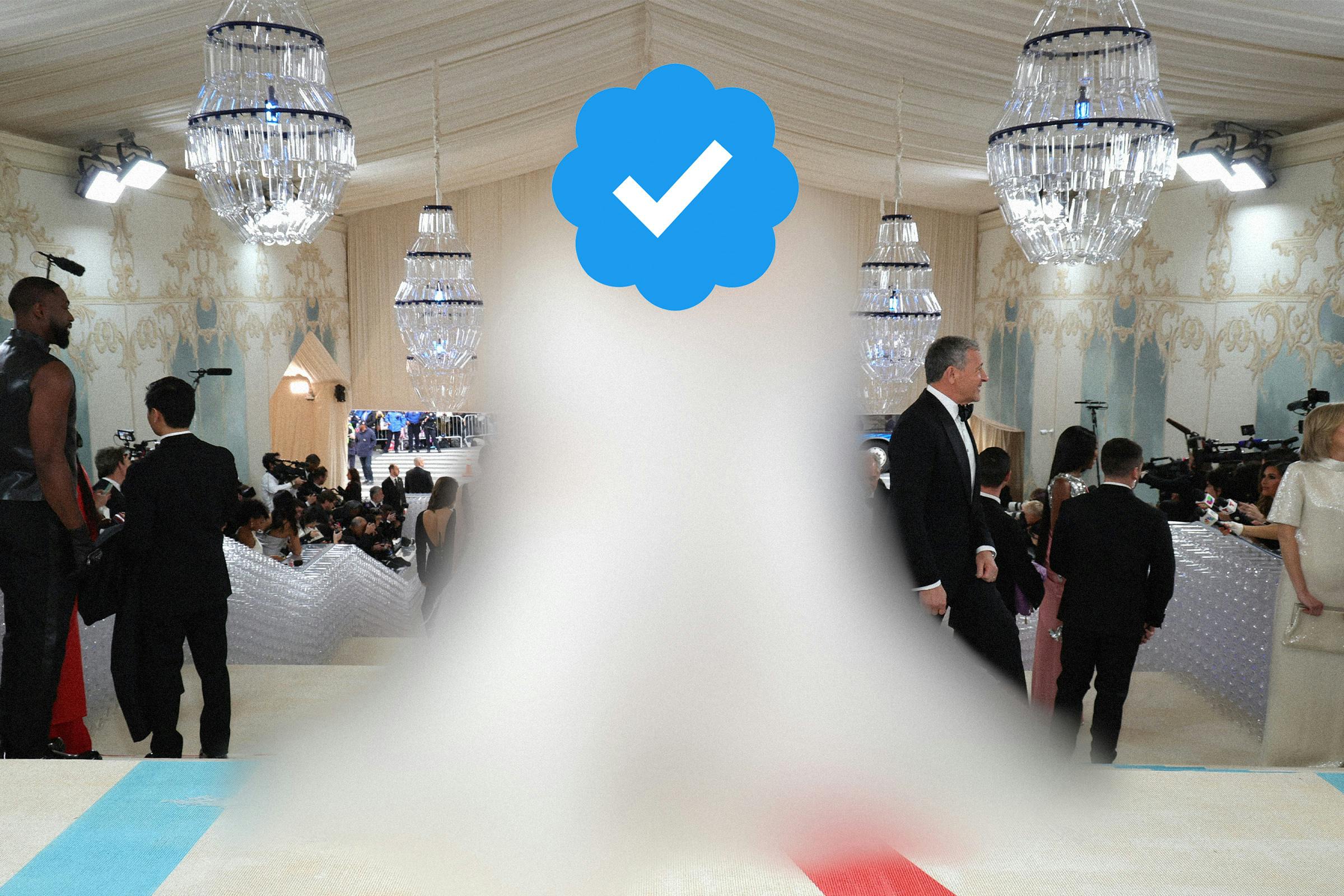
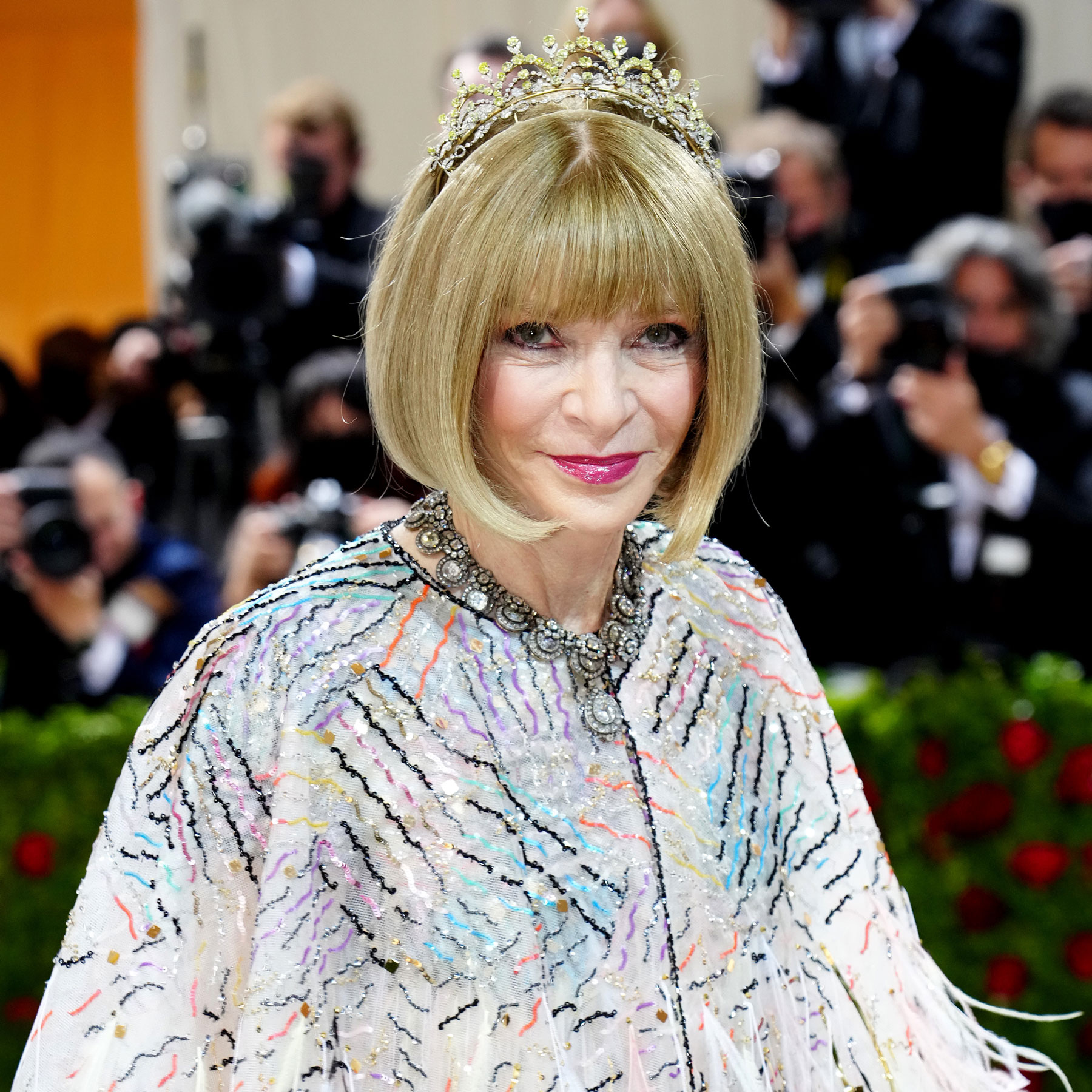
The 2023 Met Gala, titled "Karl Lagerfeld: A Line of Beauty," served as both a tribute to the prolific German designer and a complex examination of his six-decade influence on global fashion. The exhibition and gala explored Lagerfeld’s unique design philosophy, characterized by fluid lines, historical references, and his signature monochromatic aesthetic, while simultaneously sparking significant discourse regarding his controversial personal legacy within the modern cultural landscape.
The Origin and Significance of the 2023 Theme
Every year, the Metropolitan Museum of Art’s Costume Institute selects a theme that provides the narrative framework for both the annual gala and the subsequent spring exhibition. In 2023, the theme was singular and focused: "Karl Lagerfeld: A Line of Beauty." Unlike thematic years that rely on abstract concepts—such as 2018’s "Heavenly Bodies: Fashion and the Catholic Imagination"—this theme centered on a specific individual.
Karl Lagerfeld (1933–2019) remains one of the most prolific figures in fashion history. His career spanned tenures at iconic houses including Chanel, Fendi, Chloé, and his eponymous label. The exhibition, curated by Andrew Bolton, was designed not as a retrospective of his entire life, but as a deep dive into his creative process. The title, "A Line of Beauty," was borrowed from William Hogarth’s 1753 aesthetic theory, which posited that S-shaped "serpentine" lines are the basis of beauty and grace. The curators applied this conceptual lens to Lagerfeld’s sketches, examining how his drawings transitioned from two-dimensional ideas into complex, three-dimensional garments.
Historical Context of the Costume Institute
To understand the weight of a Met Gala theme, one must acknowledge the role of the Costume Institute. Originally known as the Museum of Costume Art, it was founded in 1937 and merged with the Metropolitan Museum of Art in 1946. It serves as a repository for over 33,000 items representing seven centuries of fashion.
The Met Gala, formally the Costume Institute Benefit, has evolved from a small midnight supper for New York high society in 1948 to the most significant fashion fundraiser in the world. By selecting a theme each year, the institute ensures that the event acts as a bridge between high art and contemporary popular culture. The 2023 theme specifically sought to canonize Lagerfeld’s influence, positioning him alongside other titans who have been the subject of dedicated solo exhibitions, such as Alexander McQueen or Rei Kawakubo.
Aesthetic Philosophy: The "Line" of Karl Lagerfeld
The 2023 exhibition was structured around the duality of Lagerfeld’s design work. Bolton organized the space to highlight the "straight line" and the "serpentine line."
- The Straight Line: Represented Lagerfeld’s obsession with precision, structure, and the minimalist architecture of clothing. This was most evident in his work at Chanel, where he modernized the classic tweed suit.
- The Serpentine Line: Represented the more romantic, fluid, and decorative aspects of his work, often seen in his contributions to Chloé or his more avant-garde explorations at Fendi.
Visitors to the exhibition could see the garments paired with Lagerfeld’s original sketches. This provided a rare window into the technical requirements of high fashion: the way a designer translates a pencil stroke into structural tailoring or complex embroidery. For researchers and fashion historians, this focus on the "how" of design offered a masterclass in the evolution of twentieth-century garment construction.
Cultural Controversy and Modern Scrutiny
Choosing Karl Lagerfeld as a subject in 2023 was not without friction. Throughout his career, Lagerfeld made numerous public statements that were widely criticized as sexist, fatphobic, and dismissive of the #MeToo movement. Selecting him as the sole focus of the gala sparked a national conversation about the ethics of "separating the art from the artist."
For many, the theme represented a tension between the museum's role as an arbiter of artistic excellence and its responsibility to reflect current social values. Critics argued that honoring a figure with such a controversial history ignored the systemic issues within the fashion industry that he helped perpetuate. Conversely, proponents suggested that his professional contributions were so massive—virtually inventing the concept of the modern "creative director"—that an examination of his work was essential to understanding the history of fashion, regardless of his personal conduct.
Comparative Analysis: Themes Over Time
The Met Gala theme functions as a barometer for what the industry deems "important" at a given moment. The following table highlights the diversity of themes seen in recent years to illustrate how the 2023 theme fit into the broader institutional strategy.
| Year | Theme | Conceptual Focus |
|---|---|---|
| 2018 | Heavenly Bodies | Fashion and religious iconography |
| 2019 | Camp: Notes on Fashion | Irony, humor, and artifice |
| 2021 | In America: A Lexicon of Fashion | Modern American identity |
| 2022 | In America: An Anthology of Fashion | The history of American style |
| 2023 | Karl Lagerfeld: A Line of Beauty | The creative process of a single designer |
| 2024 | Sleeping Beauties: Reawakening Fashion | Sensory engagement and archival fragility |
The Mechanics of the 2023 Exhibition
The execution of the 2023 exhibition required a massive logistical effort. Given that fashion is organic and prone to decay, displaying decades-old garments involves significant technical challenges. The Costume Institute uses specialized lighting, climate-controlled environments, and gravity-defying mannequins to ensure that delicate fabrics—such as Lagerfeld’s structured silks and intricate beadwork—do not degrade under the pressure of display.
Furthermore, the "Line of Beauty" exhibition was an exercise in archival science. By digitizing his thousands of sketches, the museum was able to create an interactive experience that allowed viewers to see the evolution of a single concept over several decades. This level of technical depth demonstrates that the Met Gala is not merely a party, but a major research undertaking that documents the evolution of textile technology and manufacturing processes.
Practical Impact on Fashion and Industry Standards
The 2023 theme also had a ripple effect on the global fashion market. In the months surrounding the gala, there was a measurable surge in interest regarding vintage Chanel and Fendi pieces. Collectors and archives noted a shift in the market value of items dating back to Lagerfeld’s early tenure.
For designers and fashion students, the exhibition underscored the importance of the archive. In an era of "fast fashion," where trends cycle in weeks, the 2023 theme served as a reminder of the value of longevity, technical proficiency, and the power of a strong, consistent creative vision. It emphasized that a designer’s legacy is built not just on the popularity of a single collection, but on the intellectual rigors of their long-term aesthetic development.
Frequently Asked Questions
1. Who decided the 2023 Met Gala theme? The theme is chosen by the Costume Institute’s head curator, Andrew Bolton, in conjunction with the museum’s administration. They evaluate potential candidates based on their impact on fashion history and their ability to sustain a long-term exhibition.
2. Was the 2023 theme purely about Karl Lagerfeld’s clothes? No, it was specifically about his "creative process." The exhibition utilized his sketches to demonstrate how he moved from a conceptual drawing to a finished garment, focusing on the technical geometry of his design work.
3. Why was the 2023 theme controversial? The controversy stemmed from Karl Lagerfeld’s history of inflammatory public remarks. Many questioned the appropriateness of dedicating a prestigious exhibition to him given his views on sensitive social topics, creating a debate about the ethics of posthumous recognition.
4. How does the Met Gala choose its themes? Themes are selected based on curatorial goals. Some years focus on historical eras (e.g., the Gilded Age), others on specific designers (e.g., Alexander McQueen), and others on cultural phenomena (e.g., Camp). The goal is to provide a narrative that is both academically sound and commercially relevant.
5. Does the exhibition last longer than the gala? Yes. The gala is a single-night fundraising event, but the Costume Institute exhibition typically remains open to the public for several months following the event, allowing for in-depth study and viewing.
6. Can members of the public see the items from the 2023 theme? While the exhibition has concluded, the items themselves remain in the permanent collection of the Metropolitan Museum of Art. You can search the museum’s digital database to view records and images of these pieces for educational purposes.
Recommendation for Further Exploration
If you are interested in the intersection of fashion history and technical design, the best next step is to explore the Metropolitan Museum of Art’s online archive. The Costume Institute has digitized a vast catalog of its collection, which includes high-resolution images, provenance data, and exhibition history for many of the pieces featured in the 2023 exhibition. By reviewing these archival records, you can gain a deeper understanding of how the museum preserves these artifacts and how historical fashion continues to influence contemporary design trends in 2026.