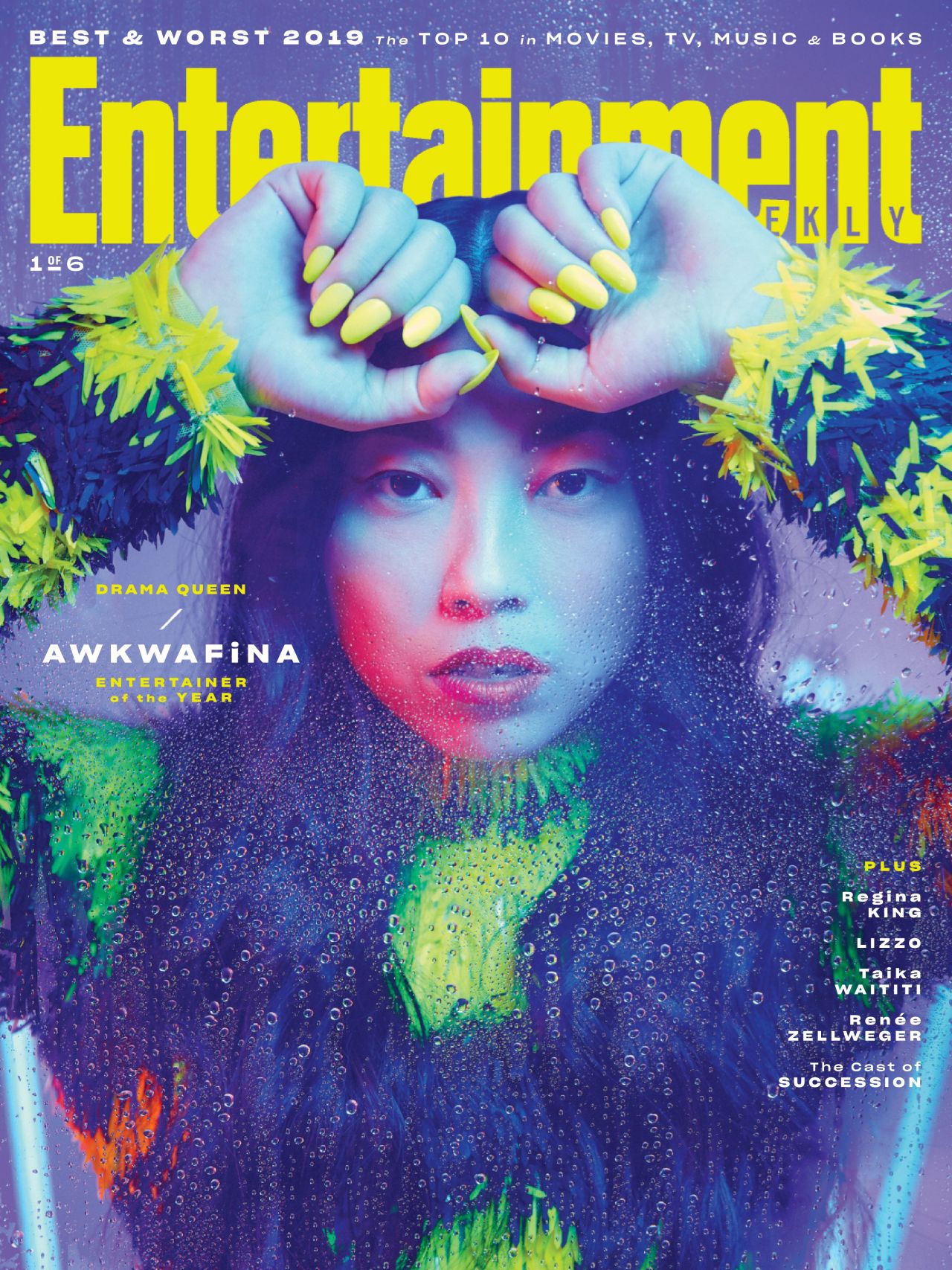
The entertainment landscape of 2019 was defined by the peak of the "Streaming Wars," the conclusion of long-running cultural monoliths, and a significant shift in how audiences consumed blockbuster cinema. This year served as a bridge between the traditional cable-and-theatrical model and the modern era of fragmented, on-demand digital content, marking a period of unparalleled content output across film, television, and music.
The Cultural Dominance of 2019 Cinema
The theatrical experience in 2019 was characterized by massive scale and the definitive end of major franchises. Disney, in particular, exerted unprecedented dominance over the box office, claiming seven of the top ten highest-grossing films of the year.
The Conclusion of the Infinity Saga
The most significant cinematic event of the year was the release of Avengers: Endgame. As the culmination of over a decade of interconnected storytelling within the Marvel Cinematic Universe (MCU), the film shattered historical box office records, briefly becoming the highest-grossing film of all time. Its success demonstrated the power of the "event film" model, where audience participation and the avoidance of spoilers became cultural imperatives.
The Era of Live-Action Reimagining
Disney aggressively pursued its strategy of translating animated classics into live-action or photorealistic CGI features. The Lion King (2019), directed by Jon Favreau, served as a technical benchmark for virtual production, utilizing advanced gaming engine technology to simulate cinematography in a fully digital environment. While these films faced critical scrutiny regarding their creative necessity, they were undeniable commercial forces, driving a significant portion of the year’s total ticket sales.
The Streaming Wars: A Pivotal Turning Point
While 2019 was a massive year for theaters, it was arguably more consequential for the transition toward streaming services. The year saw incumbents solidify their positions while new competitors prepared for launch, fundamentally changing how consumers budgeted for entertainment.
The Netflix Dominance
Netflix maintained its position as the market leader throughout 2019. The company shifted its focus from merely licensing third-party content to prioritizing high-budget, prestige original productions. Films like Martin Scorsese’s The Irishman and Noah Baumbach’s Marriage Story were produced with theatrical-quality budgets, signaling that streaming platforms were no longer just home for television series, but were now direct competitors for Academy Awards and auteur-driven cinema.
Preparation for the Disney+ Launch
The most anticipated event in digital distribution occurred in November 2019 with the launch of Disney+. The service launched with a vast library of intellectual property (IP), including the entire Disney vault, Pixar, Marvel, and National Geographic. The immediate success of The Mandalorian—specifically the cultural phenomenon surrounding "The Child" (colloquially known as "Baby Yoda")—proved that a subscription service could be built entirely around the strength of a brand’s back catalog combined with high-value original franchise content.
Television: The End of an Era
The television landscape in 2019 was defined by the departure of Game of Thrones. After eight seasons, the HBO series concluded, marking the end of the last truly "universal" monocultural television experience. The discourse surrounding the final season highlighted the challenges of maintaining narrative quality in an age of intense fan scrutiny and social media anticipation.
Beyond Game of Thrones, the year saw the rise of the "limited series" as a dominant format. Networks and platforms prioritized shows like Chernobyl and When They See Us, which offered high-production-value, self-contained narratives that avoided the commitment of multi-season arcs. This shift allowed creators to attract top-tier film talent to television projects, further blurring the lines between cinematic and episodic storytelling.
Comparative Overview: Consumption Trends of 2019
The following table summarizes the key shifts in entertainment consumption patterns that defined the year.
| Segment | Primary Driver | Notable 2019 Development | Industry Impact |
|---|---|---|---|
| Film | Franchise IP | Avengers: Endgame | Shifted focus to massive, "must-see" event cinema. |
| Streaming | Library Depth | Launch of Disney+ | Accelerated the decline of linear cable subscriptions. |
| Television | Prestige Drama | Game of Thrones Finale | Marked the end of the traditional "watercooler" TV era. |
| Music | Streaming Access | Spotify/Apple Music Growth | Consolidated the shift from ownership to subscription models. |
The Musical Landscape and the Rise of the Short-Form Video
Music consumption in 2019 moved almost exclusively to subscription-based streaming platforms. The industry also saw a major disruption in how music was discovered and popularized, driven by the rapid growth of TikTok.
The platform transitioned from a niche social app into a primary marketing engine for the music industry. Songs like Lil Nas X’s "Old Town Road" utilized the platform’s viral nature to achieve record-breaking chart longevity. This forced artists and labels to reconsider how they promoted music, prioritizing short, repeatable "soundbites" that could fuel viral challenges over traditional radio marketing.
Practical Considerations for Historical Entertainment Research
For those looking to analyze or archive 2019 media, several logistical realities exist. Unlike the present day, many "streaming original" films from 2019 were released in limited theatrical windows specifically to qualify for award seasons.
- Availability: Many titles from 2019 are now restricted to specific platforms. Because the "Streaming Wars" began in earnest that year, a film or show released in 2019 may exist as an "Original" on one platform and be unavailable elsewhere.
- Pricing: In 2019, streaming costs were generally lower than in 2026. Understanding the "base" cost of an entertainment budget in 2019 requires accounting for the fact that most households subscribed to only one or two services, rather than the bundle-heavy environment of today.
- Technical Standards: While 4K streaming was becoming standard in 2019, the widespread adoption of high-dynamic-range (HDR) and Dolby Atmos audio was still in the "early adopter" phase for many households.
Frequently Asked Questions
What was the most significant entertainment trend in 2019?
The most significant trend was the transition from linear content consumption (cable TV and DVD ownership) to a pure streaming-first model, punctuated by the high-profile launch of Disney+ and the shift of prestige films to Netflix.
Why was 2019 considered a major year for film franchises?
2019 served as a "closing of the books" for several multi-year franchises. It saw the finale of the Avengers Infinity Saga, the conclusion of the Skywalker Saga in Star Wars: The Rise of Skywalker, and the final season of Game of Thrones, representing a massive transition point for pop culture.
How did TikTok change the music industry in 2019?
TikTok fundamentally changed discovery by moving it from passive consumption (radio) to active, participation-based consumption. The success of "Old Town Road" proved that a song could bypass traditional gatekeepers entirely through user-generated content.
What is the primary difference between streaming in 2019 and today?
In 2019, streaming was seen as a supplementary service to cable or theaters for many. By 2026, streaming has become the primary source of entertainment, leading to higher subscription costs and more fragmented content libraries compared to the nascent, consolidation-focused environment of 2019.
Are there any specific legal or copyright issues related to 2019 media?
Much of the content released in 2019 remains under strict copyright protection. When researching or discussing this period, ensure that any cited video clips or audio samples adhere to fair use guidelines, as 2019 content is currently at the height of its commercial value and licensing enforcement.
Next Actions for Entertainment Analysis
If you are researching 2019 entertainment for professional, academic, or personal archival purposes, begin by segmenting your data by distribution channel. Start by identifying which content was "theatrical exclusive" versus "platform original," as these two categories faced vastly different licensing and archival paths. For accurate pricing and historical context, consult the annual reports of major media conglomerates (Disney, WarnerMedia, and Netflix) from their fiscal year 2019, which provide the most reliable data on subscriber growth and content spending.