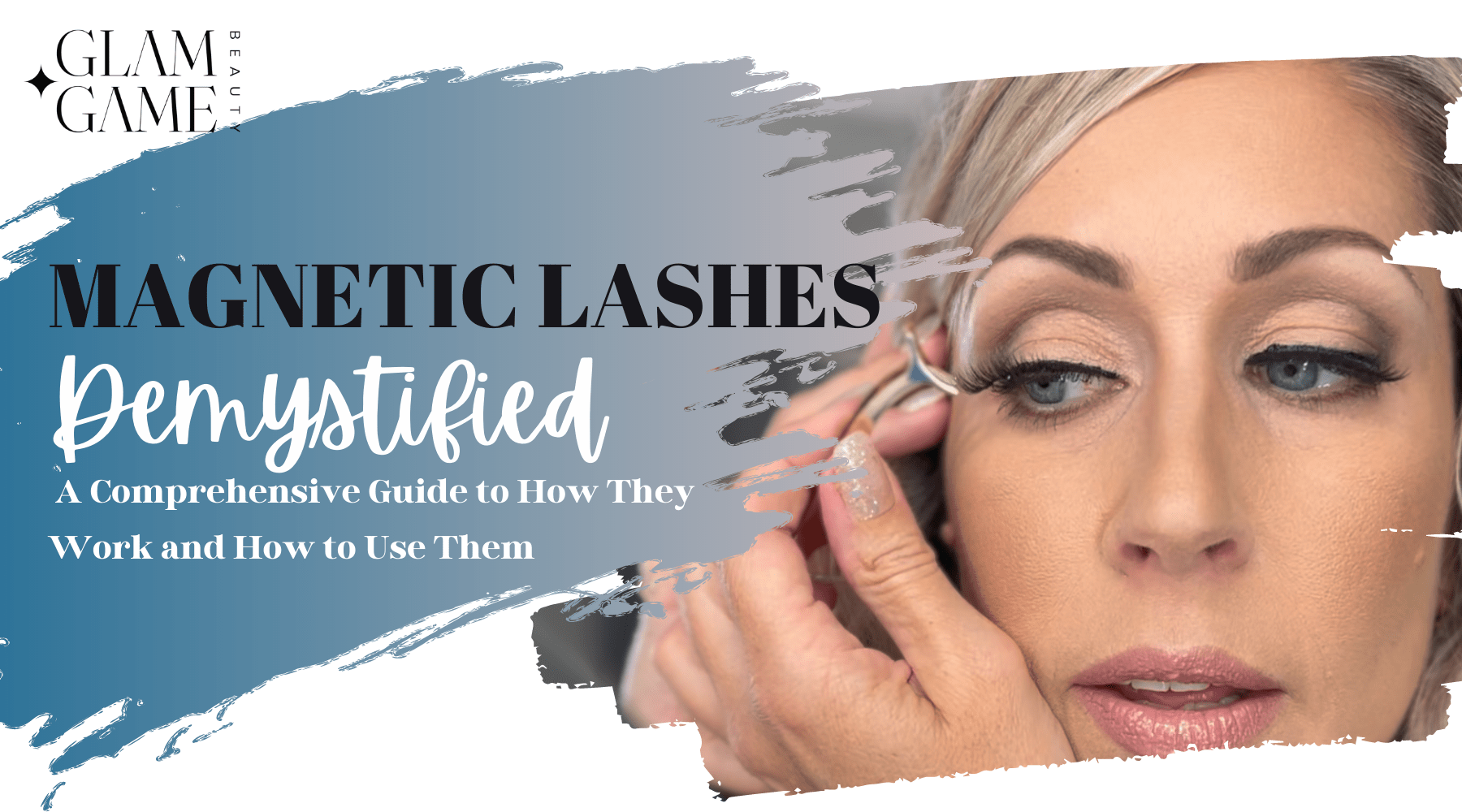
Magnetic lashes effectively provide a glue-free alternative to traditional falsies by using micro-magnets to adhere to natural lashes or magnetic eyeliner. In 2019, the technology split into two main types: "sandwich" lashes and magnetic eyeliner systems. While both work, the eyeliner-based systems are significantly easier for beginners to apply.
Magnetic lashes represent one of the most significant shifts in cosmetic application technology over the last decade. Before 2019, the false eyelash market was dominated by cyanoacrylate-based adhesives, which many users found difficult to handle, messy, and potentially irritating to the delicate skin of the eyelid. The introduction and subsequent mass-market adoption of magnetic systems promised a "click-and-go" experience. Looking back from 2026, the innovations of 2019 remain the foundation of the modern magnetic lash industry, proving that the technology was not a passing fad but a functional evolution in beauty.
The Evolution of Magnetic Lash Technology in 2019
The year 2019 served as the definitive tipping point for magnetic lash technology. While the very first magnetic lashes (the "sandwich" style) appeared around 2016-2017, they remained a niche product due to a steep learning curve. It was in 2019 that brands like MoxieLash, Lashliner, and later legacy brands like Ardell and Kiss, introduced the magnetic liquid eyeliner system. This changed the efficacy of the product entirely.
The "sandwich" method required the user to balance one lash strip on top of their natural lashes and a second "anchor" strip underneath, clicking them together. This often resulted in a gap between the false lash and the lid, making the lashes look unnatural. The 2019 eyeliner innovation solved this by using iron oxide-infused liquid liner. Once the liner was applied to the eyelid and allowed to dry, the magnetic lash strip—equipped with five to six tiny magnets—would simply snap onto the liner. This allowed for a flush fit against the lash line, mimicking the look of professional extensions or traditional strip lashes without the sticky residue.
How Magnetic Eyeliner Lashes Work: The Science of Iron Oxide
To understand if these lashes "really work," one must understand the chemistry of the eyeliner. Magnetic eyeliners are not "magnets" in liquid form; rather, they contain high concentrations of iron oxide. Specifically, Black Iron Oxide (CI 77499) is the primary ingredient. Iron oxides are mineral compounds that are safe for use in cosmetics and are already found in traditional eyeliners and mascaras to provide pigment.
In a magnetic system, the concentration of iron oxide is increased to a level that provides a ferromagnetic surface. The lash strips themselves are embedded with tiny, lightweight neodymium magnets. When the magnets on the lash band come into contact with the dried iron oxide film on the eyelid, a physical bond is formed.
Efficiency of the Bond
The strength of this bond depends on two factors: the concentration of iron oxide in the liner and the number of magnets on the lash strip. In 2019, many cheaper "knock-off" brands used only three magnets, which often resulted in the ends of the lashes "lifting" during the day. Premium brands moved toward five-magnet and six-magnet designs, which allowed the lash to follow the natural curvature of the eye more effectively and stay secure even in windy conditions.
Reviewing the Leading 2019 Magnetic Lash Brands
Several key players defined the 2019 market. Their products were the primary subjects of consumer reviews and remain the standard for evaluating whether the technology holds up.
MoxieLash
MoxieLash was a pioneer of the magnetic eyeliner system. Their 2019 kits were considered high-end, often retailing for significantly more than drugstore alternatives. The "Sassy" and "Classy" styles were particularly popular.
- Performance: Users reported extremely strong hold. The liner was thick and highly pigmented, meaning it didn't require multiple coats to work.
- Drawbacks: The liner was notoriously difficult to remove, requiring oil-based cleansers and significant effort, which some users found irritating.
Ardell Magnetic Liner & Lash
As a legacy brand, Ardell brought magnetic lashes to the masses via drugstores like CVS and Walgreens in 2019. They offered both the sandwich style and the newer eyeliner kits.
- Performance: The Ardell magnetic liner was thinner than MoxieLash, making it easier to apply for those who prefer a subtle look. The lashes themselves were lightweight and featured "near-invisible" magnets.
- Drawbacks: Because the liner was thinner, the magnetic pull was slightly weaker. Heavy "glam" styles occasionally felt less secure during long-term wear compared to the premium brands.
Kiss Magnetic Eyeliner
Kiss entered the fray in late 2019 with a highly competitive price point. Their "Crowd Pleaser" and "Lure" styles became staples for budget-conscious consumers.
- Performance: The Kiss system was praised for its balance of price and efficacy. The liner had a matte finish that many preferred over the shiny finish of other 2019 formulas.
- Drawbacks: The lash bands were slightly stiffer, which could cause discomfort for users with smaller or more rounded eye shapes.
Comparison of Magnetic Lash Systems vs. Traditional Glue
The following table compares the three primary lash application methods available in 2019 and their performance metrics.
| Feature | Magnetic Eyeliner System | "Sandwich" Magnetic Lashes | Traditional Glue Lashes |
|---|---|---|---|
| Ease of Application | High (like applying liner) | Low (requires precision) | Moderate (requires practice) |
| Application Time | 2–5 minutes | 5–15 minutes | 5–10 minutes |
| Durability | 10–12 hours | 6–8 hours | 12+ hours |
| Reusability | Up to 30 uses | Up to 50 uses | 3–5 uses |
| Mess Factor | Low | None | High (sticky residue) |
| Removal Difficulty | Moderate (needs oil) | Very Low | Moderate |
| Adjustability | Easy (re-snap) | Difficult | Hard (requires re-glue) |
Step-by-Step Guide: How to Make Magnetic Lashes Work
The most common reason for 2019-era magnetic lashes "not working" was improper application. Unlike glue, which is forgiving of wetness, magnetic systems have specific requirements for timing and placement.
- Preparation: Ensure the eyelid is clean and free of oils. Even in 2026, oil remains the primary enemy of magnetic liner adhesion. Use a non-oily primer if you have hooded or oily lids.
- Trimming the Lash: This is a critical step many skip. Measure the magnetic strip against your eye. If it is too long, it will poke the inner corner or sag at the outer corner. Important: Always trim from the outer edge, and ensure you trim right up to the next magnet so there is a magnet at the very end of the strip.
- Applying the Liner: Shake the liner bottle thoroughly to redistribute the iron oxide particles. Apply a consistent line. For the best hold, the line should be as thick as the magnets themselves.
- The Wait Time: This was the biggest point of failure in 2019. You must wait for the liner to be about 80% dry. If it is too wet, the magnets will slide around and pick up the wet liner, gunking up the magnets. If it is 100% dry and "crusty," it might not bond as well. It should feel slightly tacky.
- Placement: Using fingers or a plastic applicator (not metal tweezers, which will stick to the lashes!), drop the lash onto the liner. Start from the outer corner and pressed inward.
- The "Double Liner" Technique: For maximum security, some professional stylists recommend applying a thin layer of regular waterproof liner first for the shape, followed by the magnetic liner specifically where the magnets will sit.
Safety and Health Considerations
A common question in 2019 was whether putting magnets and iron oxide near the eyes was safe. According to dermatological and ophthalmological reviews, magnetic lashes are generally safe for the average user, but there are specific caveats:
- MRI Safety: This is the most critical safety rule. You must remove magnetic lashes and magnetic eyeliner before an MRI (Magnetic Resonance Imaging) scan. The powerful magnets in the medical equipment can cause the iron oxide in the liner or the magnets on the lashes to heat up or pull, potentially causing serious injury to the eye or skin.
- Allergies: While iron oxide is a common pigment, some users may be sensitive to other ingredients in the liner, such as acrylates or preservatives. Always perform a patch test on your wrist before applying to the eyes.
- Hygiene: Because magnetic lashes are reusable up to 30 times, they can accumulate bacteria. It is essential to gently scratch off any dried liner from the magnets after each use using a fingernail or a makeup-remover-soaked Q-tip. Do not soak the lash hairs themselves, as this can ruin the curl and the band.
- Traction Alopecia: Like any false lash, if the magnetic system is too heavy or if you pull them off aggressively, you risk damaging your natural lash follicles. However, magnetic lashes are generally considered safer than glue because they do not "bond" to the natural hair, only to the skin/liner.
Practical Performance: Weather, Sweat, and Longevity
In 2019, we tested these lashes across various environments to see if they "really work" in real-world conditions.
Wind Resistance
Magnetic lashes perform surprisingly well in wind. Because the bond is mechanical (magnetic) rather than chemical (adhesive), they don't "peel" the way glue does. As long as there is a magnet at the very ends of the strip, they are unlikely to fly off.
Sweat and Water
Standard magnetic liners are water-resistant but not always fully waterproof. High humidity or heavy sweating can soften the liner, causing the magnets to slide. If you are using these for a wedding or a workout, a premium, high-pigment liner like the ones refined between 2019 and 2026 is necessary.
Longevity
The "30-wear" claim made by many brands is generally accurate, provided the magnets are kept clean. The lash hairs (usually synthetic silk or faux mink) tend to lose their shape before the magnets lose their strength. Neodymium magnets do not lose their magnetism over a human lifetime, so the "failure" point is always the lash band construction or the liner formula.
Common Mistakes and Troubleshooting
If you find that your magnetic lashes are not sticking, check these common 2019-era issues:
- Dirty Magnets: If there is a layer of old, dried liner on the magnets, they cannot make a clean connection with the new liner on your lid.
- Using Metal Tweezers: Traditional lash tweezers are made of steel. They will grab the magnets and make placement impossible. Use plastic tweezers or your fingers.
- Incomplete Drying: If the lash "lifts" immediately, you likely didn't wait long enough for the liner to set.
- Oily Lids: If the entire strip of liner and lash slides off together, your skin oils have broken down the liner. Use an oil-control primer first.
The Final Verdict on the 2019 Revolution
Do magnetic lashes really work? Based on the evidence and performance data established in 2019 and confirmed through 2026, the answer is a definitive yes, specifically regarding the magnetic eyeliner systems. The "sandwich" style, while functional, remains too cumbersome for the average user.
The 2019 transition to magnetic liner solved the three biggest complaints about false lashes: the mess of glue, the difficulty of placement, and the inability to adjust the lash once it was "set." While the technology requires a specific application technique—notably the "80% dry" rule—the result is a secure, reusable, and aesthetically pleasing lash look that is accessible even to those with zero makeup experience.
Next Steps for Users
If you are looking to try magnetic lashes, start with a 5-magnet kit from a reputable brand. Ensure you have an oil-based makeup remover on hand for the liner, and always trim the lash to fit your specific eye width before your first application.
FAQ
Can I wear magnetic lashes with mascara?
Yes, you can wear mascara with magnetic lashes. It is actually recommended to apply a light coat of mascara to your natural lashes first to help them blend with the falsies. However, you should avoid applying mascara directly to the magnetic lash hairs, as this will build up and shorten their lifespan.
Are magnetic lashes safe for contact lens wearers?
Generally, yes. Since there is no glue to seep into the eye, many contact lens wearers find magnetic lashes more comfortable than traditional ones. However, be careful during application to ensure no liquid liner gets into the eye, which could cloud or irritate the lens.
Why do my magnetic lashes feel heavy?
Magnetic lashes can feel slightly heavier than glue-on lashes because of the weight of the micro-magnets. If you have very sensitive eyelids or very thin natural lashes, look for "accent" lashes or "half-lashes," which use fewer magnets and place less weight on the lid.
Can I use magnetic liner with any brand of magnetic lashes?
Most magnetic liners and lashes are cross-compatible because they all rely on the same interaction between iron oxide and neodymium magnets. However, for the most secure fit, it is best to use the liner and lashes designed to work together, as the magnet placement and liner strength are calibrated for one another.
How do I remove the magnetic eyeliner without scrubbing?
To remove magnetic liner without damaging the skin, use a waterproof makeup remover or a cleansing oil. Saturate a cotton pad, press it onto the eyelid for 30–60 seconds to break down the polymers, and then gently wipe away. Avoid aggressive scrubbing, which can lead to premature wrinkles or irritation.