The 1927 Poplar Bluff tornado was a catastrophic meteorological event that tore through the heart of Butler County, Missouri, on May 9, 1927. The F4-rated cyclone killed 88 people and decimated the city's infrastructure, leaving a permanent scar on the regional landscape while forcing significant advancements in emergency response and local architecture.
Meteorological Context and the Path of Destruction
On the afternoon of May 9, 1927, atmospheric conditions across the Midwest were primed for severe convection. A powerful cold front collided with unseasonably warm, moist air streaming northward from the Gulf of Mexico, creating extreme instability. Poplar Bluff, a growing commercial hub in Southeast Missouri, found itself directly in the crosshairs of a supercell storm system that had been tracking across the state.
The tornado touched down in the late afternoon, rapidly intensifying as it approached the city. Unlike smaller, ephemeral vortices, this storm exhibited the classic characteristics of a long-track, violent tornado. By the time it struck the residential and business districts of Poplar Bluff, it had reached F4 intensity on the Fujita scale, with estimated wind speeds exceeding 200 miles per hour. The damage path was roughly 400 yards wide, effectively erasing entire blocks of the city. Historical accounts and contemporary weather analysis confirm that the storm remained on the ground for an extensive period, allowing it to generate the sheer power necessary to level brick structures, snap massive hardwoods, and propel debris at lethal velocities.
Immediate Impact on Poplar Bluff
The suddenness of the event left the local population with almost no warning. In 1927, the dissemination of weather alerts was limited to telegraphs and physical word-of-mouth. When the tornado struck, the primary business district—the economic engine of the city—was reduced to rubble within minutes.
The human toll was staggering. With 88 fatalities reported, the event remains one of the deadliest tornadoes in Missouri history. Hundreds more were injured, overwhelming the limited medical facilities of the era. The destruction of the rail lines and communication infrastructure effectively isolated the city for the first 24 hours. Survivors were forced to coordinate rescue operations using lanterns and hand tools, pulling neighbors and family members from the debris of homes and storefronts that had been reduced to splintered timber and shattered glass.
Socioeconomic Repercussions
The economic fallout from the 1927 storm was multifaceted. For a city like Poplar Bluff, which relied heavily on the lumber industry and regional trade, the destruction of the downtown core represented a existential threat. Businesses were not merely damaged; they were completely obliterated, leading to a massive loss of capital, inventory, and records.
Recovery was a slow, multi-year process that redefined the city’s architectural standards. During the Reconstruction Era following the storm, building codes—though rudimentary by 2026 standards—began to shift toward the use of reinforced concrete and brick for commercial structures. The reliance on wood-frame buildings in high-density areas was curtailed as city planners and business owners sought to mitigate the risks of future windstorms and fire hazards, which often followed the structural collapse of buildings during such events.
Comparative Analysis of Tornado Impact
To understand the severity of the 1927 event, it is useful to view it within the context of other significant historical storms. The following table highlights key characteristics of the 1927 Poplar Bluff tornado compared to standard catastrophic cyclone criteria.
| Metric | 1927 Poplar Bluff Tornado | Typical Severe F4 Tornado |
|---|---|---|
| Estimated F-Scale | F4 | F4 |
| Fatalities | 88 | Variable (often 50–100+) |
| Primary Damage Type | Total structural obliteration | Leveling of well-constructed homes |
| Communication Level | None (Telegraph-dependent) | High (Modern cellular/alert systems) |
| Recovery Duration | Multi-year effort | Rapid (weeks/months) |
Lessons in Disaster Preparedness
The 1927 disaster serves as a foundational case study for modern emergency management. The inability to warn the public effectively highlighted the critical need for a centralized meteorological monitoring system. While meteorologists in the 1920s understood the theory of rotating storms, they lacked the radar and satellite technology that would become standard later in the century.
This event contributed to the eventual lobbying efforts that helped standardize federal weather monitoring through what would become the National Weather Service. By the mid-20th century, the lessons learned from the "Great Missouri Tornado" helped justify the investment in Doppler radar and the creation of the modern tornado watch and warning system used in 2026.
For residents in the region today, the 1927 tornado is not merely a historical curiosity but a reminder of the inherent volatility of the Ozark and Southeast Missouri climate. The reliance on modern apps and wireless emergency alerts is a direct downstream result of the chaos experienced in Poplar Bluff nearly a century ago.
Historical Preservation and Memory
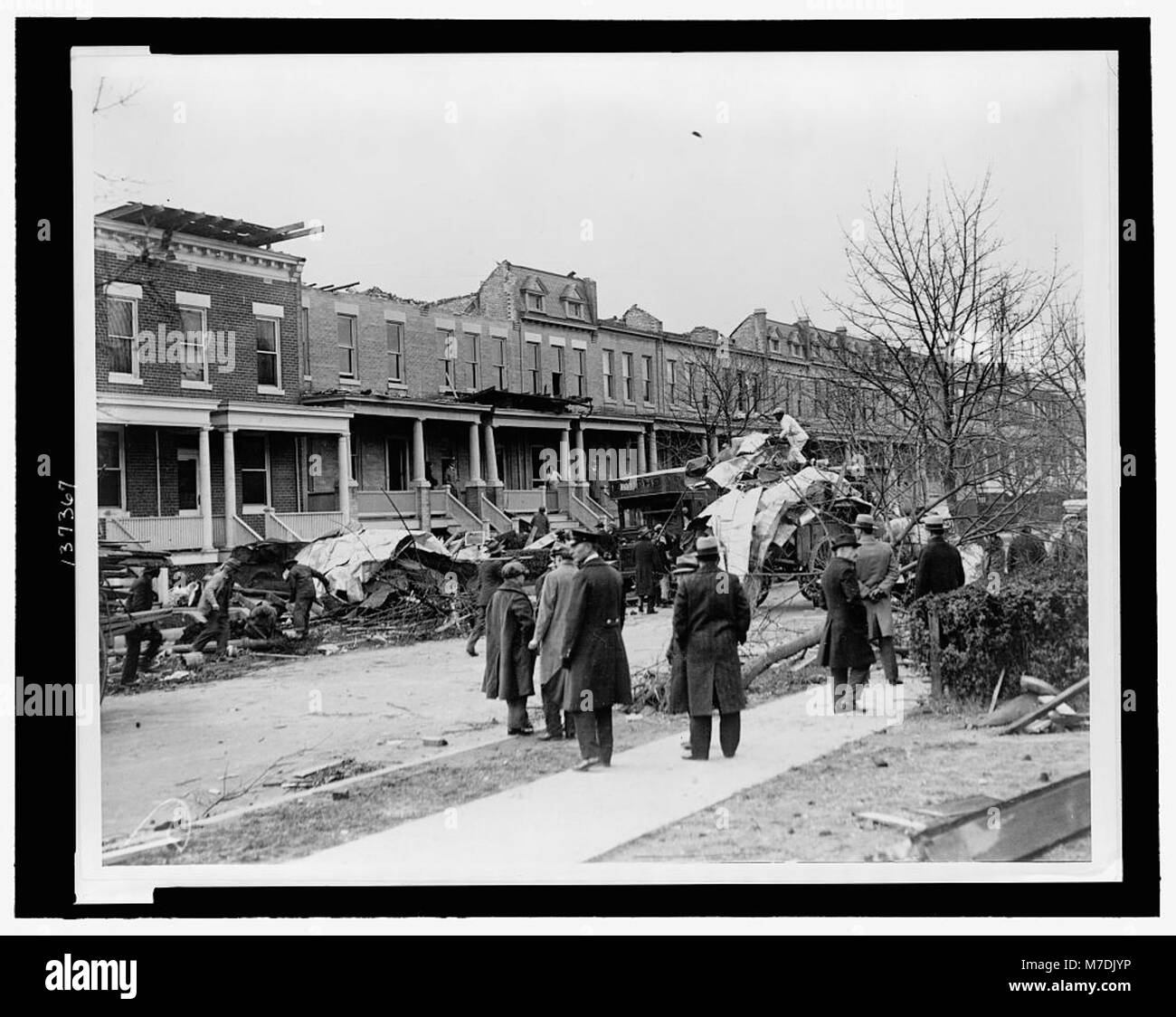
Maintaining the history of the 1927 tornado is a priority for the local historical society and the broader community. The event is often documented in archives through recovered photographs showing the stark contrast between the city before and after May 9. These visual records are essential for researchers who study the long-term demographic shifts caused by natural disasters.
When a town loses a significant portion of its population and infrastructure in a single afternoon, the psychological impact lingers for generations. Many families in the area still pass down oral histories detailing the experiences of their ancestors who survived the storm. These narratives provide a human dimension to the meteorological data, ensuring that the victims are remembered not just as statistics, but as part of the fabric of the community.
Modern Vulnerability and Risk Mitigation
While the building techniques of 2026 are far superior to those of 1927, the vulnerability of the region remains. The expansion of suburban areas has increased the "target area" for potential storm paths. Understanding the specific trajectory and environmental conditions of the 1927 event allows urban planners to make better decisions regarding zoning and the implementation of community-wide storm shelters.
The primary takeaway for modern residents is the importance of having multiple redundant ways to receive weather information. Even in an era of constant connectivity, severe weather can cause widespread power outages and cellular network failures, echoing the isolation that the 1927 survivors experienced. The investment in weather-alert radios and community-grade safe rooms remains the most effective strategy for preventing the type of loss observed in 1927.
Frequently Asked Questions
What caused the 1927 Poplar Bluff tornado? The tornado was caused by a strong spring cold front clashing with warm, humid air from the Gulf of Mexico. This created high CAPE (Convective Available Potential Energy) values, which, when combined with directional wind shear, generated the intense rotation necessary for an F4-rated supercell.
Why was the death toll so high? The high mortality rate was largely due to the lack of a modern, real-time warning system. In 1927, there were no sirens or radio alerts to notify residents that a tornado was approaching. The storm struck during a time when many residents had little structural protection against high-velocity winds.
How long did it take for Poplar Bluff to recover? The immediate recovery took several years, with significant rebuilding efforts continuing into the early 1930s. The psychological impact and the loss of local businesses changed the economic trajectory of the city for a decade, though the core infrastructure was eventually modernized and replaced.
Are there historical markers for the 1927 event? Yes, there are local records and small commemorative displays in the Butler County area. These archives are maintained by local historical societies and museums, which document the path of the storm and the names of those who were lost.
What should residents learn from this event for 2026 preparedness? The most important lesson is that technology—while excellent—is not infallible. Residents should maintain an analog backup for weather alerts, such as a battery-powered NOAA weather radio, and identify the safest point in their homes or local community shelters, just as the 1927 event forced a rethink of structural safety protocols.
Next Steps for Residents and Researchers
For those interested in further study, reviewing the archival records at the Missouri State Archives or the local Butler County historical records office is highly recommended. These sources provide granular details on the property damage and the subsequent federal relief efforts that were organized at the time. For homeowners, the best way to honor this history is to ensure that your own emergency preparedness plan is current, including an updated "go-bag" and a verified plan for receiving emergency alerts during power failures.