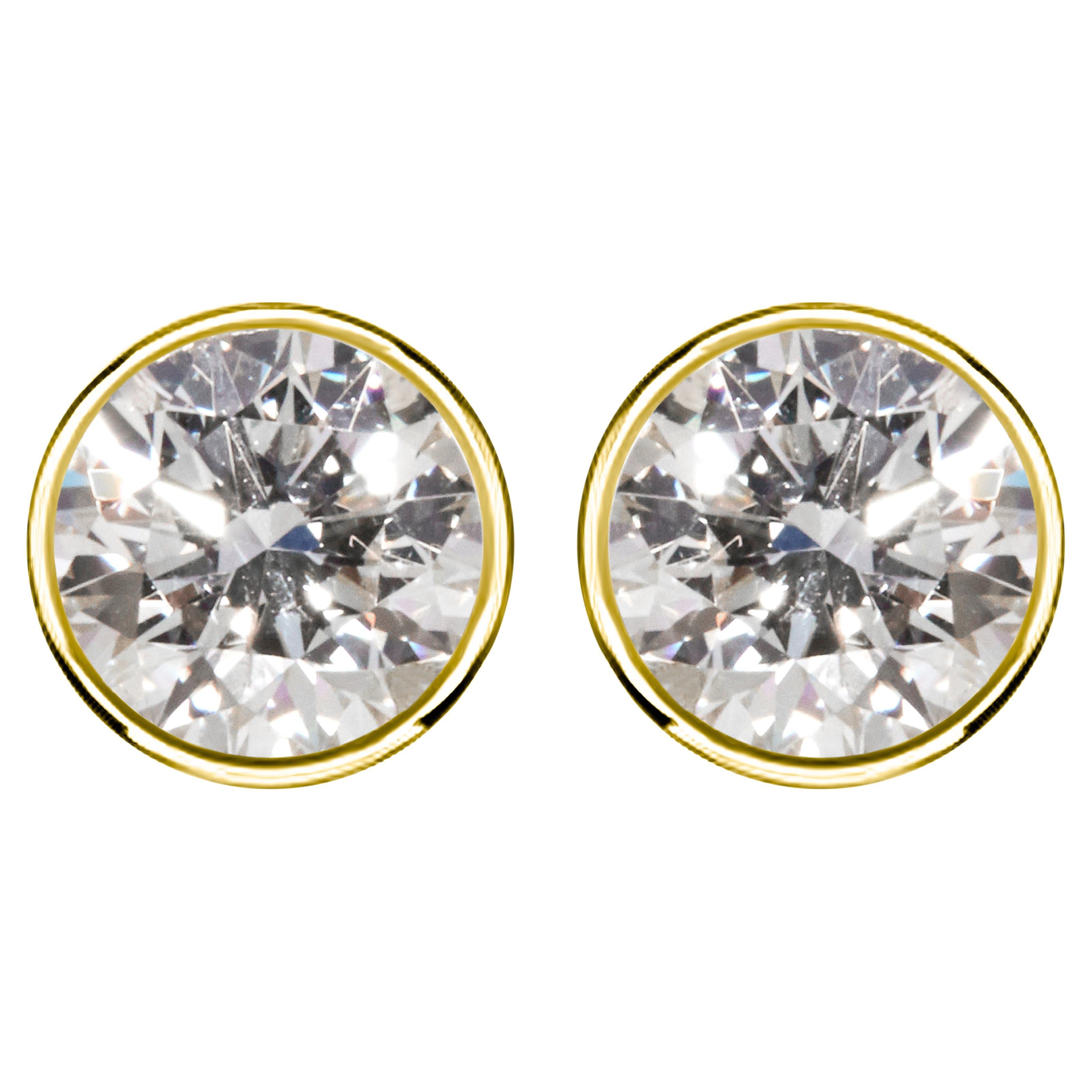
When purchasing 1 carat total weight diamond solitaire earrings, striking the optimal balance between high visual brilliance and cost savings relies on understanding diamond grading fundamentals, setting choices, and alternative stone options. By evaluating the four Cs—cut, color, clarity, and carat weight—alongside mounting styles like three-prong martins or bezel settings, buyers can maximize sparkle while significantly reducing overall expenditure without sacrificing quality or durability.
Understanding the Anatomy of 1 Carat Solitaire Earrings
When shopping for 1 carat diamond solitaire earrings, understanding weight distribution is the foundational step. The term "1 ct" typically refers to the total carats (ctw) for the pair. This means each individual diamond weighs approximately 0.50 carats. Alternatively, a buyer might look for a pair where one single diamond weighs a full carat, though this shifts the total weight to 2 carats and drastically increases the price point due to the rarity of larger rough stones.
For the purposes of balancing sparkle and savings, a 0.50-carat-per-ear diamond pair (1 ctw) serves as an ideal sweet spot. It offers a noticeable presence on the earlobe without entering the exponential pricing tiers associated with stones weighing 1 carat or more individually. Understanding this distinction prevents common purchasing confusion and aligns expectations regarding physical dimensions and visual impact.
The Role of Cut Quality in Maximizing Sparkle
If the goal is maximum brilliance, the cut grade is the single most critical factor among the 4 Cs. A diamond's cut determines how well facets interact with light, governing its brilliance, fire, and scintillation. Even a diamond with lower color or clarity grades can appear remarkably bright and lively if it features an "Excellent" or "Ideal" cut grade from a reputable gemological laboratory such as the Gemological Institute of America (GIA) or the American Gem Society (AGS).
Conversely, a diamond with a poor cut will appear dark, lifeless, and glassy, regardless of its colorlessness or flawless clarity. When attempting to save money, buyers should never compromise on the cut. Instead, adjust down on color or clarity grades while keeping the cut grade at the highest possible tier. Light performance masks minor internal inclusions and slight body tints far more effectively than a subpar cut can hide a lack of brilliance.
Balancing Color and Clarity for Value
To optimize savings on 1 ct diamond solitaire earrings, buyers must navigate the trade-offs between color and clarity. Because these diamonds are relatively small (around 0.50 carats each when split as a pair), inclusions and slight yellow tints are far less visible to the naked eye than they would be in a 2-carat engagement ring center stone.
- Color Grades: The near-colorless range—specifically G, H, I, and J—offers substantial savings over colorless stones (D, E, F) while appearing completely white to the naked eye when mounted in yellow gold, white gold, or platinum.
- Clarity Grades: The slightly included range—specifically VS1, VS2, SI1, and even clean SI2—frequently provides eye-clean stones at a fraction of the cost of VVS or Flawless clarity tiers. Buyers should verify that inclusions are not located directly under the table facet or near the edges where they threaten structural integrity.
| Diamond Grade Category | Recommended Value Tier | Visual Impact on 1 Carat Earrings | Price/Savings Impact |
|---|---|---|---|
| Cut | Excellent / Ideal | Maximizes light return and brilliance | Zero compromise recommended; highest cost allocation |
| Color | G – J Range | Appears white to the naked eye, especially in settings | High savings compared to D–F colorless stones |
| Clarity | VS2 – SI1 Range | Eye-clean (inclusions invisible without magnification) | Moderate to high savings compared to VVS/Flawless |
| Carat Weight | 0.50 ct per stone (1 ctw total) | Optimal balance of lobe coverage and affordability | Substantial savings compared to 1 ct individual stones |
Choosing the Right Setting to Enhance Size and Security
The setting style of solitaire earrings does more than hold the diamonds securely in place; it actively influences how large the stones appear and how much light enters them. Two primary setting styles dominate the market for diamond studs: prong settings and bezel settings.
Prong settings, commonly configured with three or four prongs, minimize metal obstruction, allowing maximum light entry from the sides and bottom. A three-prong martini setting, for example, points downward in a sleek cone shape, pulling the diamond closer to the earlobe and preventing the earring from drooping. Four-prong basket or basket-style settings offer added structural security, making them a reliable choice for daily wear.
Bezel settings encase the diamond in a thin metal rim. While they absorb some side light, they create an optical illusion that makes the diamond face-up larger than it actually is. Furthermore, bezels protect the girdle of the diamond from chipping, making them an excellent choice for active wearers who want to protect their investment.
Exploring Lab-Grown Diamonds for Dramatic Savings
One of the most effective ways to save money without sacrificing size, cut quality, or clarity is to choose lab-grown diamonds instead of mined diamonds. Lab-grown diamonds possess the exact same physical, chemical, and optical properties as natural diamonds. They are real diamonds, rated on the same GIA and IGI grading scales, but they are created in controlled laboratory environments.
The market pricing for lab-grown diamonds has shifted significantly, allowing buyers to purchase higher-tier clarity, color, and carat weight combinations at a fraction of the cost of mined equivalents. For budget-conscious shoppers looking for substantial 1 ct diamond solitaire earrings with exceptional sparkle, lab-grown alternatives provide an accessible route to premium aesthetics.
Metal Selection: White Gold, Yellow Gold, and Platinum
Selecting the precious metal for the settings affects both the overall price tag and the aesthetic harmony of the earrings.
- 14k White Gold: A popular, durable choice that complements near-colorless diamonds by reflecting white light. It requires periodic rhodium plating to maintain its bright finish.
- 18k White Gold: Contains a higher percentage of pure gold than 14k, resulting in a slightly softer metal and a higher price point, though it is less commonly needed for earrings where structural strain is minimal.
- Yellow Gold or Rose Gold: Excellent choices if the diamond color grade falls into the lower near-colorless range (I, J, or K), as the warm metal tones absorb and mask faint yellow body tints in the diamond.
- Platinum: The most durable and hypoallergenic option, though it carries a premium price tag and a heavier weight on the earlobe compared to gold.
Verifying Certifications and Return Policies
Purchasing fine jewelry requires careful verification of documentation and merchant policies. Buyers should insist on independent grading reports from recognized gemological laboratories like the GIA or IGI for stones over a certain threshold, or comprehensive jeweler warranties for smaller accent and stud stones. A grading report ensures that the buyer receives the exact cut, color, clarity, and carat weight advertised.
Additionally, scrutinize the retailer's return policy, warranty terms, and upgrade options. Reputable jewelers typically offer a 30-day money-back guarantee, secure shipping with insurance, and lifetime warranties against manufacturing defects. Reviewing these safeguards protects the financial transaction and ensures peace of mind.
Common Mistakes to Avoid When Buying Diamond Studs
Shoppers often fall into common traps that inflate costs or diminish the beauty of their 1 ct diamond solitaire earrings. Avoiding these pitfalls ensures maximum value extraction.
- Ignoring the Cut Grade: Prioritizing carat weight or clarity over cut results in dull, lifeless stones. Always put cut quality first.
- Overpaying for Color: Buying a "D color" diamond for a standard earlobe stud is often unnecessary, as the human eye cannot differentiate between a D and a G color grade in mounted earrings under normal lighting conditions.
- Neglecting Backing Security: Standard butterfly friction backs can loosen over time, leading to lost earrings. Upgrading to screw-backs, La poussette backs, or locking disc backs secures the investment.
- Failing to Compare Retailers: Traditional brick-and-mortar storefronts often carry heavy markups due to overhead costs. Comparing online direct-to-consumer jewelers often yields significant savings for comparable stone qualities.
Frequently Asked Questions
Are 1 ct diamond solitaire earrings suitable for daily wear?
Yes, diamond studs are among the most versatile and durable pieces of fine jewelry. Diamonds rank a 10 on the Mohs hardness scale, making them resistant to scratching. Pairing them with secure backings like screw-backs ensures they stay safely in place during everyday activities.
Does 1 ct mean each earring is 1 carat?
Usually, no. In jewelry terminology, "1 ct" or "1 ctw" refers to the total carat weight of the pair. This means each individual diamond weighs approximately 0.50 carats. Always verify whether the listed weight is total weight or per-earring weight before purchasing.
How can I make smaller diamond earrings look bigger?
Choosing a specific setting style can enhance visual size. Halo settings surround the center stone with smaller diamonds, while illusion settings or white gold basket mountings with reflective prongs can trick the eye into perceiving a larger surface area.
Are lab-grown diamonds real diamonds?
Yes. Lab-grown diamonds share the exact same optical, physical, and chemical properties as mined diamonds. They are recognized by gemological institutes and cannot be distinguished from natural diamonds without specialized laboratory equipment.
What is the best metal for sensitive ears?
Platinum and 14k or 18k gold that is nickel-free are ideal for sensitive ears. Platinum is naturally hypoallergenic, while high-karat gold or specific white gold alloys minimize allergic reactions compared to nickel-heavy base metals.
Conclusion and Next Actions
Purchasing 1 ct diamond solitaire earrings while maximizing sparkle and minimizing cost requires a strategic approach. Prioritize an Ideal or Excellent cut grade to guarantee maximum brilliance, select a G–J color and VS–SI clarity tier to balance appearance with savings, and consider lab-grown stones for an immediate reduction in cost. Before finalizing the purchase, confirm the presence of independent gemological certification, evaluate secure earring backings to prevent loss, and review the retailer's return policies to ensure a risk-free investment.