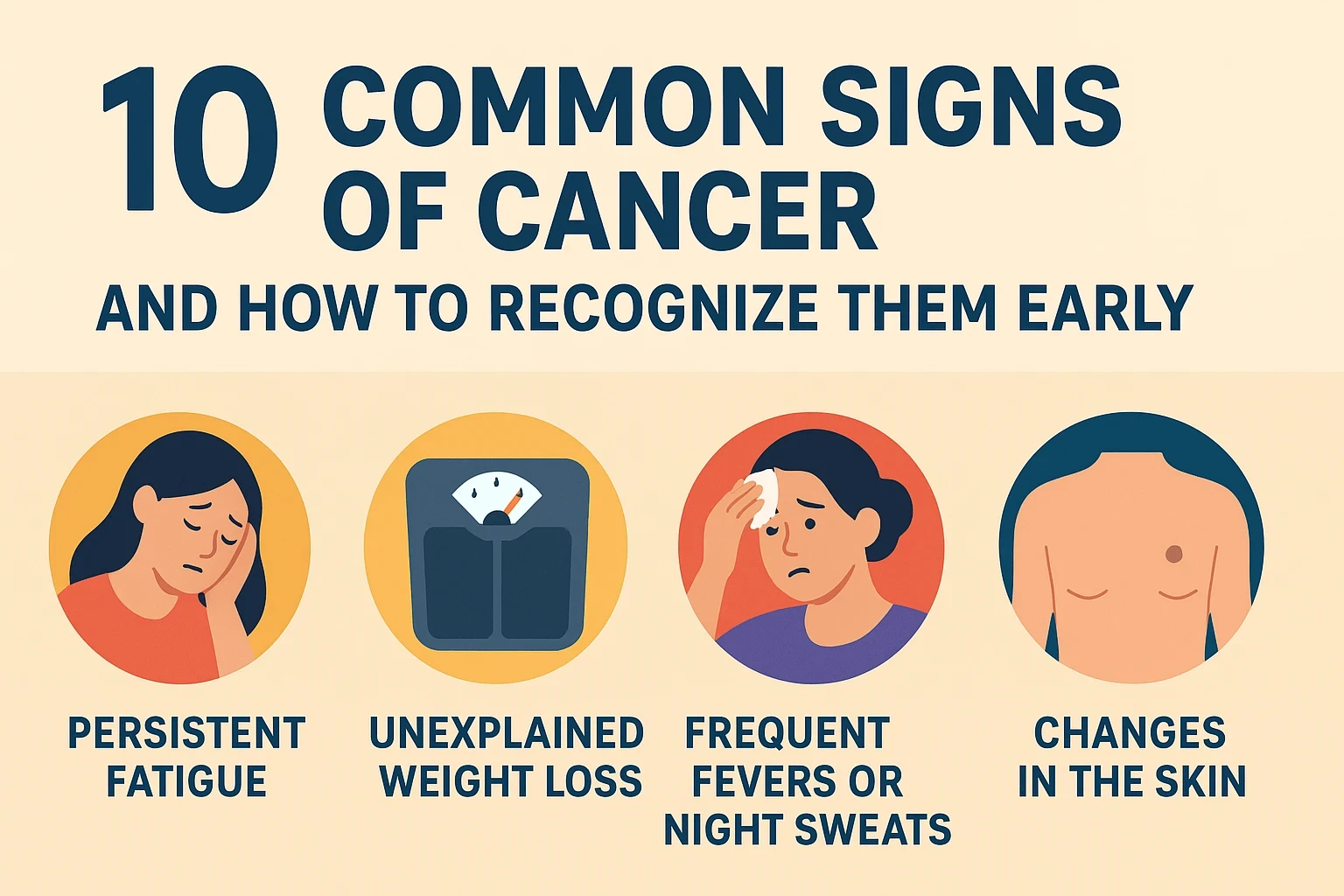
Recognizing the early signs of brain cancer requires paying attention to persistent neurological changes, such as unexplained morning headaches, progressive vision problems, sudden balance issues, or uncharacteristic cognitive and personality shifts that disrupt daily functioning.
Navigating health concerns related to neurological symptoms can feel overwhelming, particularly when signs overlap with less serious conditions like stress, migraines, or normal aging. However, understanding what constitutes a red flag can make a profound difference in early diagnosis and treatment outcomes. Brain tumors, whether primary or metastatic, can manifest in subtle ways depending on their exact location, size, and growth rate. Because the brain is the control center for motor skills, sensory processing, cognition, and emotional regulation, even small disruptions can trigger noticeable shifts in everyday functioning.
Medical Disclaimer: The following information is for educational purposes only and does not substitute for professional medical advice, diagnosis, or treatment. Always seek the advice of a qualified physician or healthcare provider with any questions regarding a medical condition.
Understanding How Brain Tumors Disrupt Neurological Function
The human skull is a rigid compartment housing a delicate organ surrounded by cerebrospinal fluid. When abnormal tissue—a tumor—begins to grow within this fixed space, it creates localized pressure and alters intracranial pressure (ICP). This pressure, combined with the tumor's direct interference with surrounding neural pathways, disrupts the brain’s normal electrical and chemical signaling.
Symptoms generally fall into two categories: general symptoms caused by increased pressure inside the skull, and focal symptoms caused by the tumor pressing on specific regions of the brain responsible for particular functions, such as movement, speech, or vision. Recognizing these patterns helps patients and clinicians differentiate between routine ailments and symptoms requiring immediate neuroimaging, such as an MRI or CT scan.
1. Persistent and Unexplained Headaches
While headaches are exceptionally common and usually benign, brain tumor headaches possess distinct characteristics that set them apart from tension headaches or migraines.
- The Pain Pattern: Brain tumor headaches often feel dull, throbbing, or aching, and they tend to be progressively worse over weeks or months.
- Timing: They are frequently most severe in the early morning upon waking, often easing as the day progresses. This occurs because intracranial pressure rises while lying flat overnight.
- Associated Features: These headaches may worsen with coughing, sneezing, sudden physical exertion, or changing body positions. They are also frequently accompanied by nausea or vomiting without an obvious gastrointestinal cause.
2. Progressive Vision Changes
Vision disturbances often develop gradually, leading individuals to compensate unconsciously by squinting or frequently changing their eyeglass prescriptions without achieving relief.
Tumors located near the optic nerve, the visual pathway, or the occipital lobe can cause various types of sight loss. Common warning signs include double vision (diplopia), blurred vision, loss of peripheral vision (often described as tunnel vision), or brief episodes of total blindness in one or both eyes. If vision changes occur alongside other neurological markers, a comprehensive evaluation by an optometrist or ophthalmologist should prompt a prompt neurological referral.
3. Unexplained Seizures in Adults
The onset of a seizure in an adult who has no prior history of epilepsy or head trauma is a significant medical red flag. Seizures occur when abnormal electrical activity surges through the brain.
A brain tumor can irritate surrounding brain tissue, sparking this erratic electrical behavior. Seizures can manifest dramatically as full-body convulsions (tonic-clonic seizures) or much more subtly as focal seizures. Focal seizures may involve brief periods of staring blankly, involuntary twitching of a single limb, strange sensory disturbances like an unusual smell or taste, or sudden emotional surges of fear or anxiety.
4. Gradual Cognitive Decline and Memory Issues
Subtle shifts in cognitive processing speed, executive function, and short-term memory are frequently brushed off as age-related forgetfulness or chronic stress. However, when these changes appear progressively and worsen over a short period, they warrant closer inspection.
Tumors affecting the frontal or temporal lobes can impair a person's ability to concentrate, plan, organize, and retain new information. A person may struggle to follow multi-step instructions, lose track of ongoing conversations, or exhibit uncharacteristic short-term memory loss that disrupts their professional or personal life.
5. Personality Changes and Behavioral Shifts
Because the frontal lobe governs personality, mood regulation, impulse control, and social judgment, tumors in this area can profoundly alter an individual's disposition.
Loved ones are often the first to notice these shifts. An easygoing person might become uncharacteristically irritable, aggressive, or apathetic. Others may display uninhibited behavior, poor social judgment, or profound mood swings that do not align with their lifelong temperament or life circumstances.
6. Progressive Weakness and Motor Deficits
Motor skills rely on precise communication between the motor cortex and the muscles throughout the body. When a tumor encroaches on motor pathways, it can cause physical weakness or clumsiness.
This typically manifests as unilateral weakness—affecting just one side of the body—such as a subtle drag in one leg or difficulty gripping objects with one hand. Patients often report dropping items frequently, tripping unexpectedly, or feeling a heavy, uncoordinated sensation in a limb. This gradual loss of strength is distinct from acute muscle fatigue and persists regardless of rest.
7. Balance, Coordination, and Gait Issues
The cerebellum, located at the base of the brain, is primarily responsible for coordinating movement, maintaining balance, and regulating posture.
When a tumor impacts the cerebellum or its surrounding pathways, individuals may experience ataxia—a lack of voluntary coordination of muscle movements. This can look like walking with an unsteady, uncoordinated gait, leaning heavily to one side, or struggling with fine motor tasks like buttoning a shirt or writing legibly. Dizziness or a persistent sensation of spinning (vertigo) that does not respond to standard treatments can also originate from central neurological disruptions.
8. Speech Difficulties and Language Impairment
Language processing is localized primarily in specific areas of the dominant cerebral hemisphere, known as Broca's area (speech production) and Wernicke's area (speech comprehension).
Tumors affecting these regions can cause aphasia, an impairment of language ability. Warning signs include struggling to find the right word during a conversation, slurring speech, speaking slowly, or producing sentences that sound confused or nonsensical. In some cases, individuals lose the ability to comprehend spoken or written language entirely, making communication frustrating and difficult.
9. Unexplained Nausea, Vomiting, and Fatigue
General neurological symptoms often mimic systemic illness. Elevated intracranial pressure can directly stimulate the vomiting center in the brainstem, leading to frequent, unexplained nausea and vomiting, particularly in the morning.
Similarly, profound, persistent fatigue that is not relieved by adequate sleep is a frequent complaint. This is distinct from everyday tiredness; it is a heavy, systemic exhaustion that drains an individual's energy to the point where completing basic daily hygiene or household tasks becomes exceptionally difficult.
10. Hormonal and Sensory Imbalances
The pituitary gland and hypothalamus, nestled at the base of the brain, regulate the body's endocrine system, hormonal balance, temperature, and basic metabolic functions.
Tumors in this region can disrupt hormone production, leading to unexpected weight changes, excessive thirst, altered menstrual cycles, or lactation outside of pregnancy. Additionally, tumors affecting sensory processing areas can cause unexplained numbness, tingling, or a loss of sensation in the face, trunk, or limbs, often restricted to one side of the body.
| Sign / Symptom | Potential Underlying Brain Region | Common Presentation |
|---|---|---|
| Persistent Headaches | General / Raised Intracranial Pressure | Dull, aching pain worst in the early morning, often accompanied by nausea. |
| Seizures | Cortex / Temporal or Frontal Lobes | Sudden convulsions, staring spells, or involuntary twitching in adults. |
| Vision Changes | Optic Pathway / Occipital Lobe | Double vision, blurred sight, or loss of peripheral vision. |
| Motor Weakness | Motor Cortex / Corticospinal Tract | Unilateral weakness, dropping objects, or dragging a foot. |
| Balance Issues | Cerebellum | Unsteady gait, lack of coordination, and frequent stumbling. |
Diagnosing and Investigating Neurological Warning Signs
When an individual presents with persistent neurological red flags, a primary care physician will typically perform a thorough neurological exam to check reflexes, muscle strength, coordination, eye movement, and cognitive function.
If abnormalities are detected, the standard diagnostic pathway involves neuroimaging. Magnetic Resonance Imaging (MRI) of the brain with contrast is the gold standard, providing high-resolution images that can detect tumors, swelling, or structural anomalies. In emergency settings or when an MRI is unavailable, a Computed Tomography (CT) scan may be utilized first. Should imaging reveal a mass, a biopsy or surgical resection is usually performed to determine the exact cellular type and grade of the tumor, which guides subsequent oncology and neurology care plans.
Frequently Asked Questions
Can stress or anxiety cause symptoms that mimic brain tumors?
Yes, high levels of chronic stress and anxiety can manifest physically through tension headaches, dizziness, fatigue, and cognitive fog. However, stress-induced symptoms typically fluctuate with emotional triggers and do not cause progressive neurological deficits like unilateral weakness, seizures, or persistent loss of vision. If symptoms are persistent, worsening, or unresponsive to rest and lifestyle adjustments, professional medical evaluation is essential.
Are all brain tumors cancerous?
No, brain tumors can be either benign (non-cancerous) or malignant (cancerous). Benign tumors are typically slow-growing and do not spread to other tissues, but because the skull is a closed space, even a benign tumor can cause serious symptoms by pressing on critical brain structures. Both benign and malignant tumors require medical management.
How quickly do brain tumor symptoms develop?
The timeline varies significantly depending on the tumor's type, grade, and location. High-grade tumors, such as glioblastomas, often grow rapidly, causing symptoms to develop and worsen over a matter of weeks. Low-grade tumors may grow slowly, allowing the brain to compensate over months or even years, leading to a much more gradual onset of subtle signs.
What should I do if I notice multiple warning signs?
If you or a loved one experiences persistent, progressive neurological symptoms—especially a combination of morning headaches, seizures, unexplained weakness, or vision changes—schedule an appointment with a primary care physician immediately. Keep a detailed log of when symptoms occur, their severity, and any triggers to share during your consultation.
Is there a routine screening test for brain cancer?
Currently, there is no routine screening test for brain tumors in the general population, as brain cancers are relatively rare and standard blood tests or imaging are not effective early screening tools. Diagnosis relies on prompt clinical evaluation when neurological symptoms prompt a doctor's visit.
Next Steps and Actionable Recommendations
If you or someone close to you is experiencing any of the persistent, progressive symptoms outlined above, do not ignore them or wait for them to resolve on their own. Compile a clear timeline of when the symptoms started, how frequently they occur, and whether they are worsening. Schedule an appointment with a primary care physician or neurologist to discuss these observations. Bringing a trusted family member or friend to the appointment can help ensure all details are accurately communicated and that you have support when discussing next steps, potential imaging referrals, or specialist consultations.