Addressing stubborn dark circles under the eyes requires moving past aggressive marketing claims and focusing on formulations backed by dermatological science. Effective dark circle treatments rely on targeted active ingredients like vitamin C, retinol, caffeine, and peptides to address hyperpigmentation, thin skin, and vascular pooling.
Disclaimer: The following information is for educational purposes and does not substitute for professional medical advice. Always patch-test new skincare products and consult a board-certified dermatologist for personalized treatment plans, especially if you experience chronic irritation or severe skin conditions.
Understanding the Causes of Dark Circles
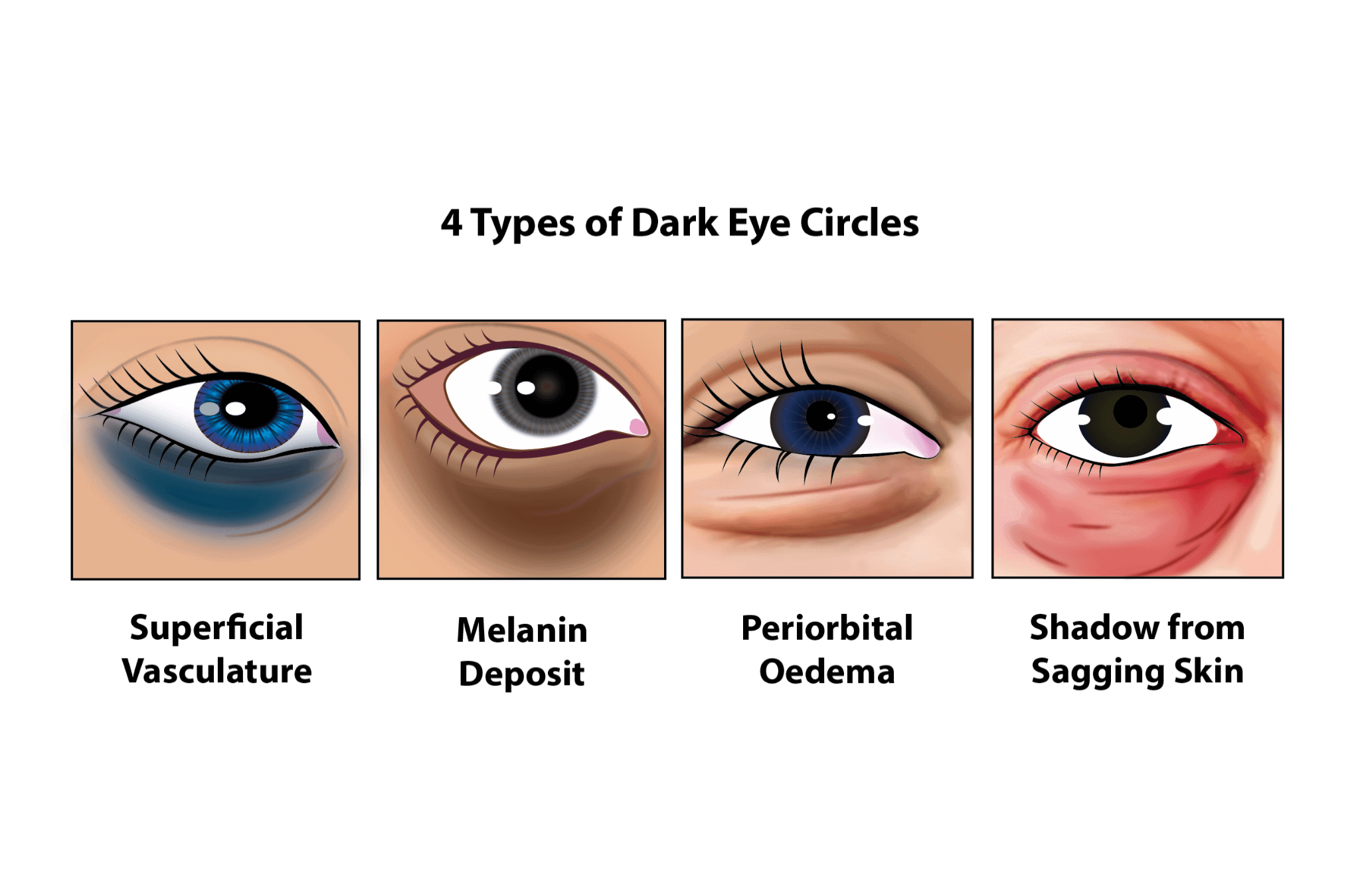
Before selecting a topical treatment, it is essential to understand that not all dark circles are created equal. Dermatologists generally categorize dark circles under the eyes into three primary physiological causes:
- Hyperpigmentation: Excess melanin production caused by sun exposure, genetics, or post-inflammatory hyperpigmentation from rubbing the eyes or allergies. These circles often appear brown or dark brown.
- Vascular Pooling and Thin Skin: As we age, the skin beneath the eyes thins, making the underlying orbicularis oculi muscle and blood vessels more visible. Poor sleep, fatigue, and dehydration can dilate these capillaries, creating bluish, purplish, or reddish hues.
- Structural Shadowing: Volume loss in the tear trough area creates a physical depression that casts a shadow, which topical products alone cannot entirely eliminate (though they can improve skin texture and brightness).
Identifying your specific type of dark circle ensures you choose a product containing the correct active ingredients rather than wasting time and money on mismatched formulations.
Key Dermatologist-Recommended Ingredients to Look For
Board-certified dermatologists consistently recommend specific chemical compounds for treating the periorbital area. Because the skin around the eyes is roughly four times thinner than the skin on the rest of the face, these ingredients must be formulated in safe, non-irritating concentrations:
- Vitamin C (L-Ascorbic Acid, THD Ascorbate): A potent antioxidant that inhibits tyrosinase, the enzyme responsible for melanin production. It brightens existing hyperpigmentation and protects against free radical damage.
- Caffeine: A vasoconstrictor that temporarily constricts blood vessels under the skin, reducing puffiness and the bluish tint associated with vascular dark circles.
- Retinoids (Retinol, Retinaldehyde, Peptides): Stimulate collagen production to thicken the dermis over time, hiding underlying blood vessels and smoothing fine lines.
- Hyaluronic Acid and Ceramides: Humectants and barrier-repair lipids that draw moisture into the stratum corneum, plumping the skin and instantly minimizing the appearance of shadows.
- Niacinamide (Vitamin B3): Reduces inflammation, strengthens the skin barrier, and blocks melanin transfer to skin cells, making it ideal for mixed-cause dark circles.
10 Best Dermatologist-Approved Products for Dark Circles
Evaluating eye creams requires looking at clinical backing, formulation stability, texture, and user tolerance. Below are 10 highly regarded, dermatologist-approved options categorized by their primary active benefit.
1. The Ordinary Caffeine Solution 5% + EGCG
- Primary Benefit: De-puffing and vascular dark circles.
- Key Ingredients: High-solubility caffeine, Epigallocatechin Gallatyl Glucoside (EGCG) from green tea leaves.
- Why Dermatologists Recommend It: This lightweight serum targets fluid retention and dilated blood vessels. EGCG provides robust antioxidant support, while the caffeine content delivers a noticeable tightening effect within minutes of application.
2. SkinCeuticals A.G.E. Eye Complex
- Primary Benefit: Anti-aging, thinning skin, and structural support.
- Key Ingredients: Proxylane, blueberry extract, complex of flavonoids, and synergistic peptides.
- Why Dermatologists Recommend It: Formulated for mature skin, this rich cream addresses glycation—a process where sugar molecules damage collagen fibers. It helps restore firmness, thickens fragile under-eye skin, and diffuses dark shadows.
3. CeraVe Eye Repair Cream
- Primary Benefit: Barrier restoration and daily hydration.
- Key Ingredients: Essential ceramides (1, 3, 6-II), hyaluronic acid, niacinamide, and marine/botanical complexes.
- Why Dermatologists Recommend It: An affordable, fragrance-free option suitable for sensitive skin. It locks in moisture and repairs a compromised skin barrier without triggering contact dermatitis or milia.
4. Paula's Choice C5 Super Boost Eye Cream
- Primary Benefit: Brightening stubborn hyperpigmentation.
- Key Ingredients: 5% Vitamin C blend, peptides, and zero-irritation brighteners.
- Why Dermatologists Recommend It: Vitamin C can sometimes irritate the eye area, but this formula stabilizes the active ingredient alongside soothing peptides, making it safe for daily morning use to fade brown pigment spots.
5. RoC Retinol Correxion Eye Cream
- Primary Benefit: Fine lines and collagen stimulation.
- Key Ingredients: Pure RoC Retinol and a mineral complex.
- Why Dermatologists Recommend It: A drugstore staple backed by clinical trials. It introduces a low, well-tolerated dose of retinol to the delicate eye area, accelerating cell turnover and boosting collagen without causing excessive peeling.
6. Neutrogena Hydro Boost Eye Gel-Cream
- Primary Benefit: Immediate hydration and plumping.
- Key Ingredients: Purified hyaluronic acid.
- Why Dermatologists Recommend It: Dry skin accentuates fine lines and deepens shadows. This oil-free, ophthalmologist-tested gel floods the skin with moisture, creating a smooth canvas that instantly awakens tired eyes.
7. Ole Henriksen Banana Bright+ Eye Crème
- Primary Benefit: Instant color correction and radiance.
- Key Ingredients: Vitamin C, gold-complexed vitamin C, and banana powder-inspired pigments.
- Why Dermatologists Recommend It: While skin care takes time, this cream uses mineral pigments to instantly color-correct bluish undertones while delivering long-term antioxidant benefits beneath concealer.
8. La Roche-Posay Pigmentclar Eyes
- Primary Benefit: Targeting dark circles caused by melanin and poor circulation.
- Key Ingredients: PhE-Resorcinol, caffeine, niacinamide, and light-reflecting pigments.
- Why Dermatologists Recommend It: Specifically formulated for hyperpigmentation, PhE-Resorcinol helps fade dark spots, while the cooling metal applicator massage tip assists with lymphatic drainage.
9. EltaMD Renew Eye Gel
- Primary Benefit: Antioxidant protection and de-puffing.
- Key Ingredients: Peptides, extracts, and hyaluronic acid.
- Why Dermatologists Recommend It: Known for their medical-grade sun care, EltaMD crafts this soothing gel to repair oxidative stress caused by UV exposure and pollution, which frequently worsens periorbital pigmentation.
10. Vanicream Daily Facial Moisturizer (Used for Sensitive Eyes)
- Primary Benefit: Ultimate tolerance for hyper-reactive skin.
- Key Ingredients: Ceramides, squalane, hyaluronic acid (free of common chemical irritants).
- Why Dermatologists Recommend It: For patients whose dark circles are exacerbated by eczema, contact dermatitis, or extreme sensitivity, dermatologists often recommend sticking to a basic, non-irritating moisturizer to heal the skin barrier before introducing active serums.
Comparison of Dermatologist-Recommended Eye Products
| Product Name | Primary Active Ingredients | Best For | Formulation Type |
|---|---|---|---|
| The Ordinary Caffeine Solution 5% | Caffeine, EGCG | Puffiness & Vascular Circles | Lightweight Serum |
| SkinCeuticals A.G.E. Eye Complex | Proxylane, Peptides, Flavonoids | Thinning Skin & Aging | Rich Cream |
| CeraVe Eye Repair Cream | Ceramides, Hyaluronic Acid, Niacinamide | Barrier Repair & Sensitivity | Nourishing Cream |
| Paula's Choice C5 Super Boost | 5% Vitamin C Blend, Peptides | Brown Hyperpigmentation | Emollient Cream |
| RoC Retinol Correxion Eye Cream | Pure Retinol, Mineral Complex | Fine Lines & Cell Turnover | Lightweight Cream |
How to Apply Eye Creams Correctly
Even the most expensive, highly rated eye cream will underperform if applied incorrectly. Follow these dermatological best practices to maximize absorption and prevent accidental trauma to the delicate skin:
- Use the Ring Finger: Your ring finger naturally exerts the least amount of pressure. Avoid using your index finger, which can tug or stretch the thin periorbital skin.
- Tap, Don’t Rub: Dot a rice-grain-sized amount of product along the orbital bone (the bony ridge circling your eye socket), starting from the inner corner and moving outward toward the temples. Never apply product directly onto the movable eyelid unless explicitly instructed by the manufacturer.
- Layering Order: Apply eye products from thinnest to thickest. Generally, water-based serums go on first, followed by heavier eye creams. Apply your facial sunscreen over the orbital bone during your morning routine to prevent UV-induced pigmentation.
- Give It Time: Topical treatments require cellular turnover cycles to show visible changes. Commit to a consistent routine for at least 8 to 12 weeks before evaluating whether a product works for your skin.
When Topical Products Aren't Enough
While quality skincare products improve skin texture, hydration, and mild discoloration, structural and genetic dark circles often require professional dermatological intervention. If topical regimens yield disappointing results, consider consulting a dermatologist about these clinical options:
- Chemical Peels: In-office glycolic acid or TCA peels can safely exfoliate hyperpigmented layers of skin and stimulate collagen.
- Laser Resurfacing: Fractional lasers target melanin deposits or thicken the dermis by triggering controlled thermal injury and healing responses.
- Dermal Fillers: Hyaluronic acid fillers injected into the tear trough area lift the skin away from underlying blood vessels, instantly correcting shadow-based dark circles caused by volume loss.
- Microneedling: Stimulates natural collagen production to thicken skin and improve texture over a series of sessions.
Frequently Asked Questions
Can drinking more water completely cure dark circles?
Hydration helps plump the skin and prevents exaggerated shadows, but dehydration is only one of many contributing factors. If your dark circles are genetic, vascular, or caused by hyperpigmentation, drinking water alone will not eliminate them.
Can I use my regular facial moisturizer or anti-aging cream under my eyes?
In many cases, yes, provided your facial moisturizer does not contain high concentrations of active acids, heavy fragrances, or strong retinoids that can irritate the thin eye area. However, dedicated eye creams are formulated to be ophthalmologist-tested and less likely to migrate into the eyes and cause stinging.
At what age should I start using an eye cream?
You can start using a hydrating or antioxidant-rich eye cream in your early 20s for preventative care. Incorporating retinol or peptide-based eye creams in your late 20s to mid-30s helps mitigate early collagen loss and expression lines.
Why do my dark circles look worse on some days?
Vascular dark circles fluctuate based on sleep quality, sodium intake, seasonal allergies, and alcohol consumption. High sodium and lack of sleep cause fluid retention and localized swelling, which casts deeper shadows under the eyes and dilates blood vessels.
Are natural remedies like cucumber slices or tea bags effective?
Chilled cucumber slices and caffeinated tea bags offer temporary relief by constricting blood vessels and soothing inflammation through cold temperatures and mild antioxidants. However, their effects are short-lived and cannot replace formulated, clinically tested active ingredients.
Final Recommendation
Addressing dark circles successfully starts with an accurate diagnosis of your primary trigger—whether it is hyperpigmentation, thin skin, or vascular pooling. For daily maintenance, pair a gentle, hydrating barrier cream like CeraVe Eye Repair Cream with an antioxidant brightener such as Paula's Choice C5 Super Boost or a de-puffing treatment like The Ordinary Caffeine Solution. Maintain realistic expectations, protect the eye area daily with UV sunglasses and sunscreen, and consult a board-certified dermatologist if you wish to explore clinical procedures for structural shadows.