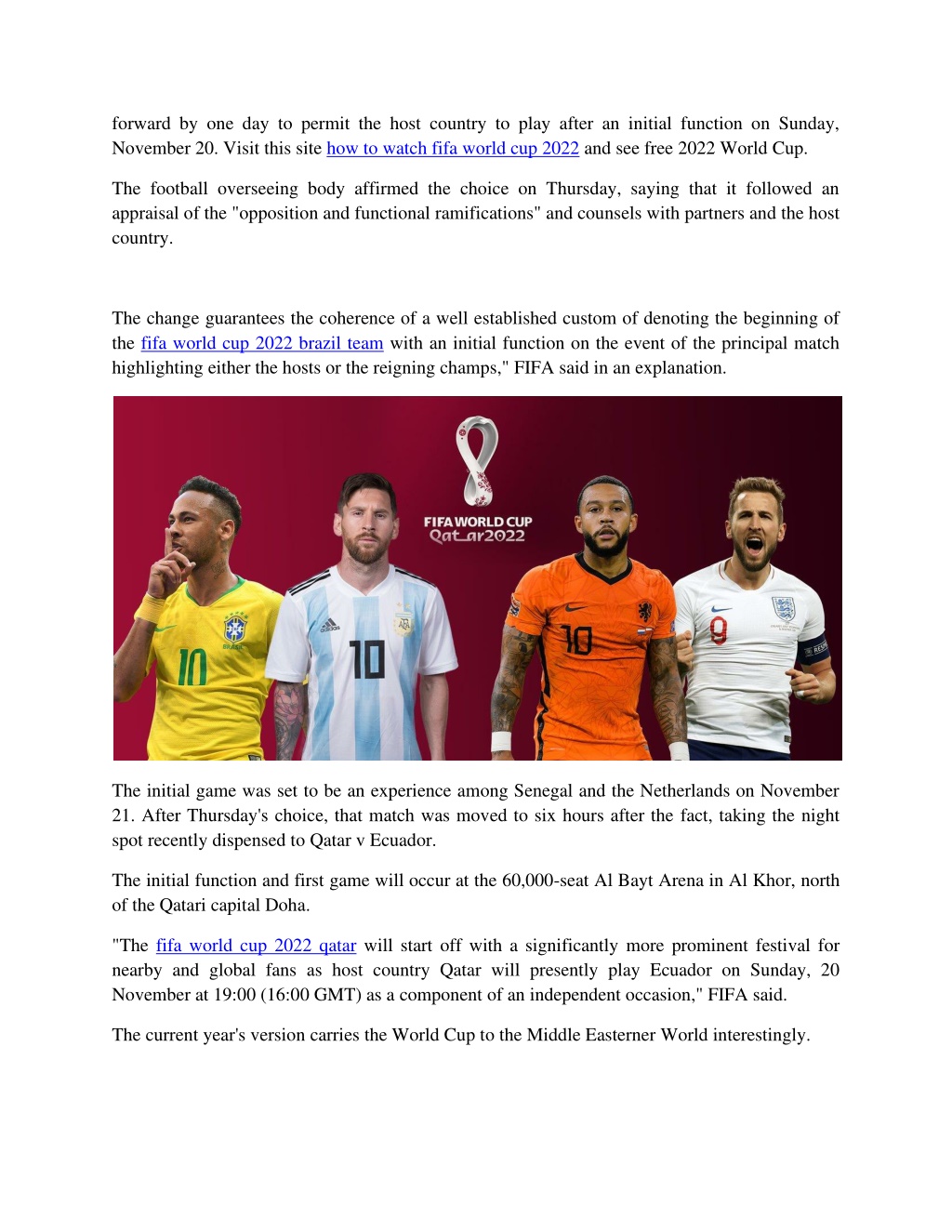
Qatar served as the host for the 2022 FIFA World Cup, marking the first time the tournament was held in the Middle East and the Arab world. The event took place from November 20 to December 18, 2022, featuring 32 teams competing in eight advanced stadiums across a compact geographical area.
The 2022 FIFA World Cup remains one of the most significant sporting events in modern history, not only for the high-quality football displayed on the pitch but also for the logistical and cultural shifts it demanded from the international community. As we look back from 2026, the tournament’s legacy continues to influence how major international competitions are awarded, scheduled, and managed. Hosting a World Cup in a small, desert nation required unprecedented innovations in infrastructure, climate control, and international cooperation.
The Selection and Bid Process for 2022
The journey to the 2022 FIFA World Cup began on December 2, 2010, when the FIFA Executive Committee announced that Qatar had won the hosting rights. This decision was historic, as it brought the world’s most-watched sporting event to the Gulf region for the first time. Qatar’s bid successfully beat out competing proposals from the United States, South Korea, Japan, and Australia.
The selection was based on a vision of a "compact" World Cup, where fans could potentially attend more than one match per day due to the short distances between venues. However, the choice was not without intense scrutiny. Critics raised concerns regarding the nation’s size, its lack of existing football infrastructure at the time, and the extreme summer heat. In response, Qatar committed to a massive multi-billion dollar investment program, including the construction of seven new stadiums and the complete overhaul of its national infrastructure.
Why the Tournament Shifted to a Winter Schedule
One of the most defining characteristics of the 2022 FIFA World Cup was its timing. Traditionally, the World Cup is held in June and July. In Qatar, however, summer temperatures regularly exceed 45°C (113°F), which posed a significant health risk to players and spectators alike.
After extensive consultations with medical experts and international football confederations, FIFA officially moved the tournament to a November-December window. This shift ensured more temperate conditions, with temperatures ranging from 20°C to 30°C. While this necessitated a mid-season break for major European domestic leagues—such as the Premier League, La Liga, and the Bundesliga—it also meant that players arrived at the tournament in peak physical condition, rather than at the end of a grueling 10-month season.
The Eight Iconic Stadiums of Qatar 2022
Qatar utilized eight stadiums for the tournament, all located within a 31-mile radius of central Doha. This proximity was a cornerstone of the hosting strategy, reducing travel fatigue for teams and environmental impact from domestic flights.
Lusail Iconic Stadium
The centerpiece of the tournament, Lusail Stadium, hosted the final match where Argentina defeated France. With a capacity of 80,000, its design was inspired by the "fanar" lantern and traditional bowls used throughout the Arab world. Post-tournament, the venue was planned to be converted into a community hub with schools, shops, and clinics.
Al Bayt Stadium
Located in Al Khor, this 60,000-seat stadium hosted the opening ceremony and the first match between Qatar and Ecuador. Its structure resembles a "Bayt al-sha’ar," the traditional tents used by nomadic people in the Gulf, symbolizing Qatari hospitality.
Stadium 974
This was perhaps the most innovative venue in World Cup history. Built using 974 recycled shipping containers, it was designed to be the first fully demountable FIFA World Cup stadium. It served as a blueprint for sustainable temporary infrastructure in sports.
Other Key Venues
- Al Janoub Stadium: Designed by the late Zaha Hadid, its roof was inspired by the sails of traditional dhow boats.
- Education City Stadium: Known as the "Diamond in the Desert," it features a facade that changes color with the sun’s movement.
- Ahmad bin Ali Stadium: Located on the edge of the desert, its design incorporates symbols of Qatari culture.
- Al Thumama Stadium: Its circular shape mimics the "gahfiya," a traditional woven cap worn by men across the Middle East.
- Khalifa International Stadium: The only pre-existing venue, it underwent massive renovation to include advanced cooling technology.
Logistics: The Hayya Card and Fan Experience
To manage the influx of over 1.2 million international visitors, the host nation introduced the Hayya Card. This digital identification served multiple purposes:
- Entry Permit: It acted as a visa for international fans entering Qatar.
- Stadium Access: Fans could not enter a stadium without a valid Hayya Card and a match ticket.
- Free Transportation: It provided cardholders with free access to the Doha Metro and public bus networks.
The Doha Metro played a vital role in the tournament’s success. The three-line system (Red, Green, and Gold) connected almost all the stadiums, allowing for seamless movement. Unlike previous hosts like Brazil (2014) or Russia (2018), where fans spent hours flying between host cities, Qatar offered a centralized experience where the entire country felt like a single Olympic-style village.
Technical Innovations and Sporting Milestones
The 2022 World Cup introduced Semi-Automated Offside Technology (SAOT). This system used 12 dedicated tracking cameras and a sensor inside the "Al Rihla" match ball to provide highly accurate offside data to VAR officials. This innovation significantly reduced the time taken for offside decisions and improved the flow of the game.
On the pitch, the tournament was defined by Argentina’s triumph, led by Lionel Messi, who finally secured the trophy that had eluded him throughout his career. The final match is widely regarded as one of the greatest in history, ending 3-3 after extra time before Argentina won on penalties against the defending champions, France.
| Feature | Details and Figures |
|---|---|
| Host Nation | Qatar |
| Tournament Dates | Nov 20 – Dec 18, 2022 |
| Total Attendance | 3.4 Million Fans |
| Final Venue | Lusail Iconic Stadium |
| Champion | Argentina (3rd Title) |
| Golden Boot Winner | Kylian Mbappé (8 Goals) |
| Golden Ball Winner | Lionel Messi |
| Estimated Infrastructure Cost | ~$220 Billion |
| Number of Teams | 32 |
Cultural Integration and Global Scrutiny
Hosting the World Cup brought Qatar’s social and legal systems under intense international focus. The nation faced significant criticism regarding its labor laws and the treatment of migrant workers involved in stadium construction. In response, Qatar worked with the International Labour Organization (ILO) to implement reforms, including the abolition of the "Kafala" system, which previously tied workers to their employers.
Furthermore, the host nation had to balance its local customs with the expectations of global football fans. This was most visible in the regulations regarding alcohol. While Qatar is a conservative nation, alcohol was permitted in designated "Fan Zones" and luxury hotels, though it was famously banned from stadium perimeters just days before the opening match.
The Long-Term Legacy of the 2022 Host
The legacy of the 2022 FIFA World Cup is measured by more than just the matches played. For Qatar, the event was a catalyst for the Qatar National Vision 2030, a government plan to transform the country into an advanced society capable of sustaining its development and providing a high standard of living.
Many of the stadiums have since been downsized, with seats donated to developing nations to help build their sports infrastructure. The Lusail area has grown into a bustling city, and the Doha Metro remains a primary mode of transport for residents. The tournament proved that a small nation could host a global event of this magnitude through technological innovation and strict logistical planning.
Frequently Asked Questions
Who hosted the 2022 World Cup?
The 2022 FIFA World Cup was hosted by Qatar. It was the first time the tournament was held in the Middle East and the first time it was hosted by an Arab nation. The decision was made by FIFA in 2010 after a competitive bidding process.
Why was the 2022 World Cup held in the winter?
The tournament was moved to November and December because summer temperatures in Qatar can exceed 45°C (113°F). Playing in the winter provided a safer environment for players and a more comfortable experience for fans, with average temperatures around 25°C (77°F).
Which team won the 2022 FIFA World Cup?
Argentina won the 2022 FIFA World Cup. They defeated France in the final match at Lusail Stadium. The game ended in a 3-3 draw after extra time and was decided by a penalty shootout, which Argentina won 4-2.
How many stadiums were used for the tournament?
Qatar used eight stadiums to host the 64 matches of the tournament. Seven of these were built specifically for the World Cup, while the Khalifa International Stadium was extensively renovated. All eight venues were equipped with advanced solar-powered cooling systems.
What was the Hayya Card used for?
The Hayya Card was a mandatory fan ID for everyone attending the 2022 World Cup. It served as an entry permit into Qatar for international visitors, provided access to the stadiums alongside a match ticket, and allowed for free use of public transportation, including the metro and buses.
What happened to the stadiums after the World Cup?
Most of the stadiums were designed with a "legacy mode" in mind. Several venues had their capacities reduced, with the extra seats donated to sports projects in developing countries. Stadium 974, made of shipping containers, was designed to be completely dismantled and repurposed.
Final Summary for Researchers and Fans
The 2022 FIFA World Cup host, Qatar, delivered a tournament characterized by compact geography, technological firsts, and intense cultural dialogue. For those looking back at the event in 2026, it serves as a case study in how a nation can use a mega-event to accelerate infrastructure development and national branding. Whether you are analyzing the sporting achievements of Lionel Messi or the architectural innovations of the stadiums, the 2022 World Cup remains a pivotal moment in the evolution of global sports. For further historical data and official match reports, you may consult the official FIFA archive.