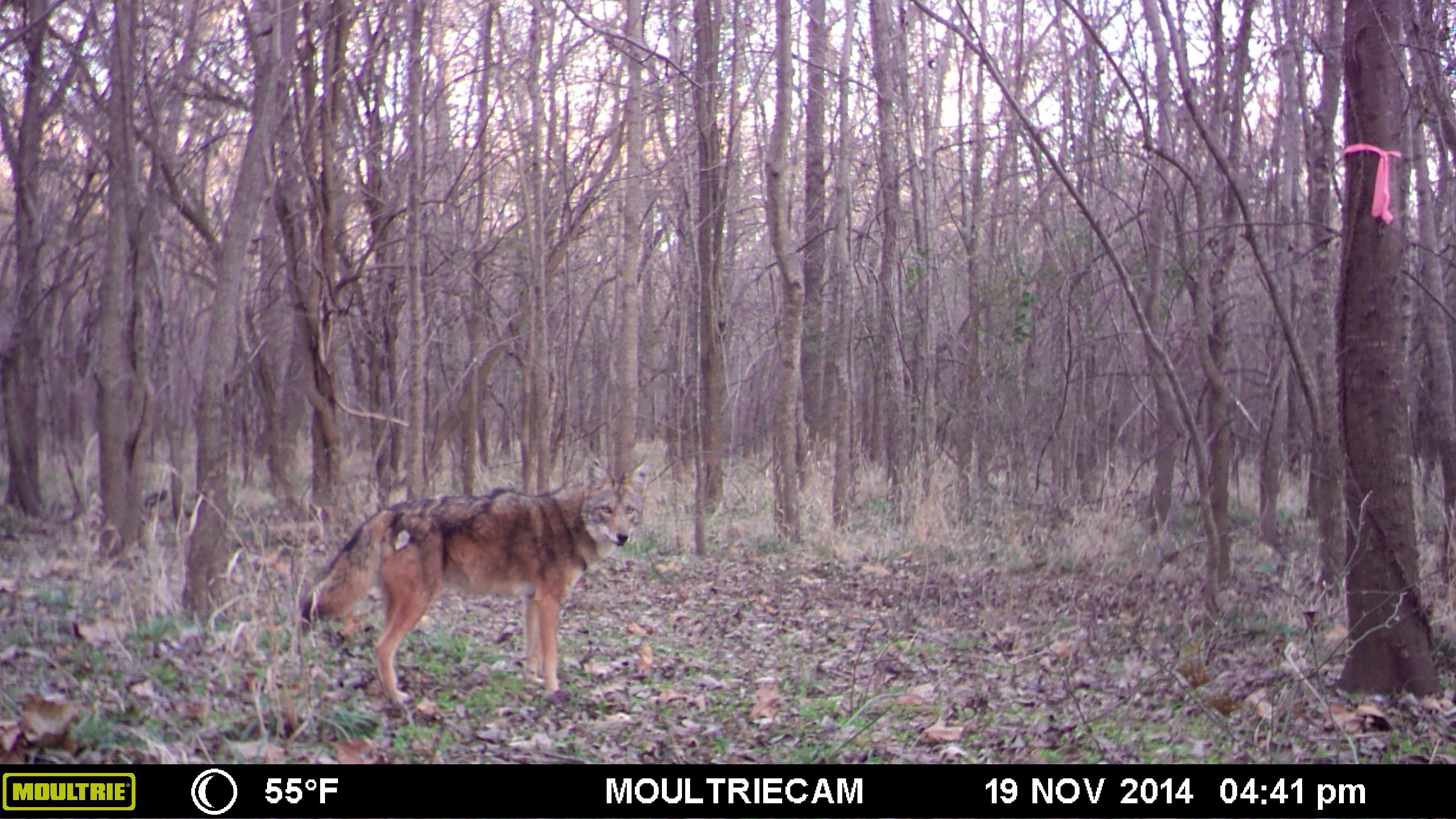
There are currently no established, breeding populations of wild wolves in Oklahoma. While historical records confirm that gray wolves and red wolves once roamed the state, modern wildlife authorities report that any wolves found within Oklahoma today are either occasional transient individuals from neighboring states, misidentified coyotes or large dogs, or captive animals.
Historical Presence and Extirpation of Wolves in Oklahoma
To understand the current status of wolves in Oklahoma, it is necessary to examine the historical record. Before European settlement and the subsequent expansion of agriculture and livestock production across the Great Plains and the American South, both gray wolves (Canis lupus) and red wolves (Canis rufus) inhabited parts of what is now Oklahoma.
The gray wolf historically occupied the western and northern portions of the state, utilizing open plains and transitional woodland edges where bison and other large ungulates provided abundant prey. Meanwhile, the red wolf was native to the eastern half of Oklahoma, thriving in the dense forests, swamps, and thickets of the oak-hickory forest ecosystems.
As settlement intensified throughout the late 19th and early 20th centuries, human-wildlife conflict escalated rapidly. Livestock predation threatened the livelihoods of ranchers and farmers, leading to aggressive predator-control measures. State and federal bounty systems, poisoning campaigns, and unregulated hunting systematically targeted large carnivores. By the mid-20th century, these eradication efforts had eliminated both wolf species from the landscape of Oklahoma. According to the U.S. Fish and Wildlife Service, the last verified native gray wolves and red wolves in the state were eliminated decades ago, leaving a complete vacuum in the local ecosystem until other apex predators, such as coyotes and mountain lions, shifted their ranges.
Modern Status: What Wildlife Authorities Say
The Oklahoma Department of Wildlife Conservation (ODWC), which serves as the primary state agency responsible for managing and protecting wildlife resources, maintains a clear stance on the current presence of wolves. According to official state wildlife data, there is no resident, self-sustaining population of wolves in Oklahoma today.
When residents or outdoor enthusiasts report seeing a "wolf" in the state, wildlife biologists investigate the claims. In the vast majority of cases, the animal in question is identified as one of the following:
- Coyotes (Canis latrans): Coyotes are ubiquitous throughout Oklahoma and can occasionally grow quite large, especially when they interbreed with feral dogs, producing larger animals sometimes colloquially referred to as "coydogs."
- Large Domestic Dogs: Large dog breeds, particularly malamutes, huskies, shepherd mixes, or wolf-dog hybrids, frequently escape or are abandoned, leading to public confusion.
- Transitory Gray Wolves: On very rare occasions, a dispersing gray wolf from northern recovery areas (such as the Northern Rockies or the Great Lakes) or experimental populations might travel hundreds of miles in search of a mate or new territory. However, these transient travelers rarely survive long in a landscape heavily fragmented by highways, agriculture, and livestock operations, and they do not establish permanent residency.
Legal Protection and Federal Status
Even though resident wolves do not exist in Oklahoma, both gray wolves and red wolves remain protected under the federal Endangered Species Act (ESA) where they occur naturally or within designated experimental populations. If a wandering gray wolf were to enter Oklahoma, it would technically receive federal protection as an endangered or threatened species, depending on the specific administrative rules currently governing the region. Killing, harming, or harassing a federally protected wolf carries severe legal penalties under federal law, independent of state hunting regulations. However, because no resident population exists, state wildlife management plans in Oklahoma do not include active conservation, reintroduction, or recovery protocols for wolves.
| Species | Historical Status in Oklahoma | Current Status in Oklahoma | Federal Protection Status |
|---|---|---|---|
| Gray Wolf (Canis lupus) | Native to western/northern plains | Extirpated; occasional transients possible | Protected under the Endangered Species Act |
| Red Wolf (Canis rufus) | Native to eastern woodlands | Extirpated from the wild in Oklahoma | Protected under the Endangered Species Act |
| Coyote (Canis latrans) | Native across the entire state | Abundant and widely distributed | Regulated game/furbearer species |
Misidentifications: Distinguishing Wolves from Coyotes and Dogs
Public sightings often spark rumors of wolf packs returning to Oklahoma. Understanding the physiological and behavioral differences between wolves and the animals commonly mistaken for them helps clarify why confirmed wolf sightings remain nonexistent.
- Reported Sighting
- Weight > 90 lbs, long legs, massive paws? -> Potential Wolf/Hybrid (Extremely Rare)
- Weight 25-45 lbs, pointed snout, bushy tail down? -> Coyote (Common)
- Varies widely, floppy ears, barks frequently? -> Domestic Dog (Common)
Physical Characteristics
- Size and Weight: An adult male gray wolf typically weighs between 80 and 130 pounds, while females range from 60 to 100 pounds. In contrast, an adult Oklahoma coyote rarely exceeds 35 to 45 pounds. While large dog breeds can match or exceed a wolf's weight, their body proportions differ significantly.
- Facial Features and Build: Wolves possess blocky snouts, rounded and relatively short ears compared to their large heads, and long legs built for deep snow and sustained trotting. Coyotes have much narrower, pointier muzzles, larger ears relative to skull size, and a more slender frame.
- Tracks and Sign: Wolf tracks are notably large, typically measuring 4 to 5 inches in length, whereas coyote tracks rarely exceed 2.5 inches. Wolf tracks also display a more direct, straight-line walking pattern (registration) compared to the erratic wandering often seen in domestic dog tracks.
Ecological Impact and the Absence of Wolves
The absence of wolves in Oklahoma leaves an ecological niche that is currently unfilled by other apex predators, though other species play significant roles in the food web.
In ecosystems where wolves are present, they exert top-down pressure on herbivores like white-tailed deer and elk, altering foraging behaviors and preventing overgrazing in riparian zones. In Oklahoma, white-tailed deer populations are managed primarily through regulated sport hunting seasons overseen by the ODWC. Mountain lions (Puma concolor) also maintain a sparse, transient presence in parts of the state, but they do not fulfill the pack-hunting ecological role historically held by wolves.
Without the presence of wolves, Oklahoma's wildlife management framework relies heavily on human intervention, habitat management, and regulated hunting to maintain balanced wildlife densities and prevent agricultural damage.
Frequently Asked Questions
Are there red wolves in eastern Oklahoma?
No. While eastern Oklahoma was historically part of the red wolf's native range, wild populations were completely extirpated. Today, the only extant experimental population of red wolves in the wild is managed by the U.S. Fish and Wildlife Service in a specific recovery area in eastern North Carolina, far from Oklahoma.
What should I do if I think I see a wolf in Oklahoma?
If you suspect you have seen a wild wolf, take clear photographs or video if it is safe to do so, note the exact location, and report the observation directly to the Oklahoma Department of Wildlife Conservation. Biologists track unusual wildlife sightings and can verify whether the animal is a coyote, a domestic dog, or something requiring further investigation.
Could wolves naturally recolonize Oklahoma from other states?
Natural recolonization is highly improbable. While gray wolf populations have recovered significantly in the Northern Rockies, the Great Lakes, and parts of the Pacific Northwest, the vast expanses of agricultural land, interstate highways, and livestock ranches separating those regions from Oklahoma create insurmountable geographic and mortality barriers for dispersing wolves.
Is it legal to shoot a wolf in Oklahoma?
Because there are no resident wolves in Oklahoma, there is no state hunting season for them. If a wandering gray wolf entered the state, it would be protected under the federal Endangered Species Act. Killing a federally protected animal outside of verified self-defense situations is illegal and subject to severe federal prosecution.
Are wolf-dog hybrids legal to own in Oklahoma?
State laws regarding wolf-dog hybrids vary by municipality rather than uniform state statute, but many local jurisdictions and counties in Oklahoma prohibit or heavily restrict the private ownership of exotic carnivores and wolf hybrids due to public safety concerns and rabies vaccination complexities.
Practical Next Steps for Wildlife Observers
For residents, hikers, and landowners interested in Oklahoma's wildlife, maintaining an accurate understanding of native fauna ensures better land management and public safety. If you encounter large canids on your property, rely on secure livestock fencing, guard animals, and proper waste management to deter coyotes and feral dogs. Always consult official resources provided by the Oklahoma Department of Wildlife Conservation for verified updates regarding state wildlife distributions and management programs.