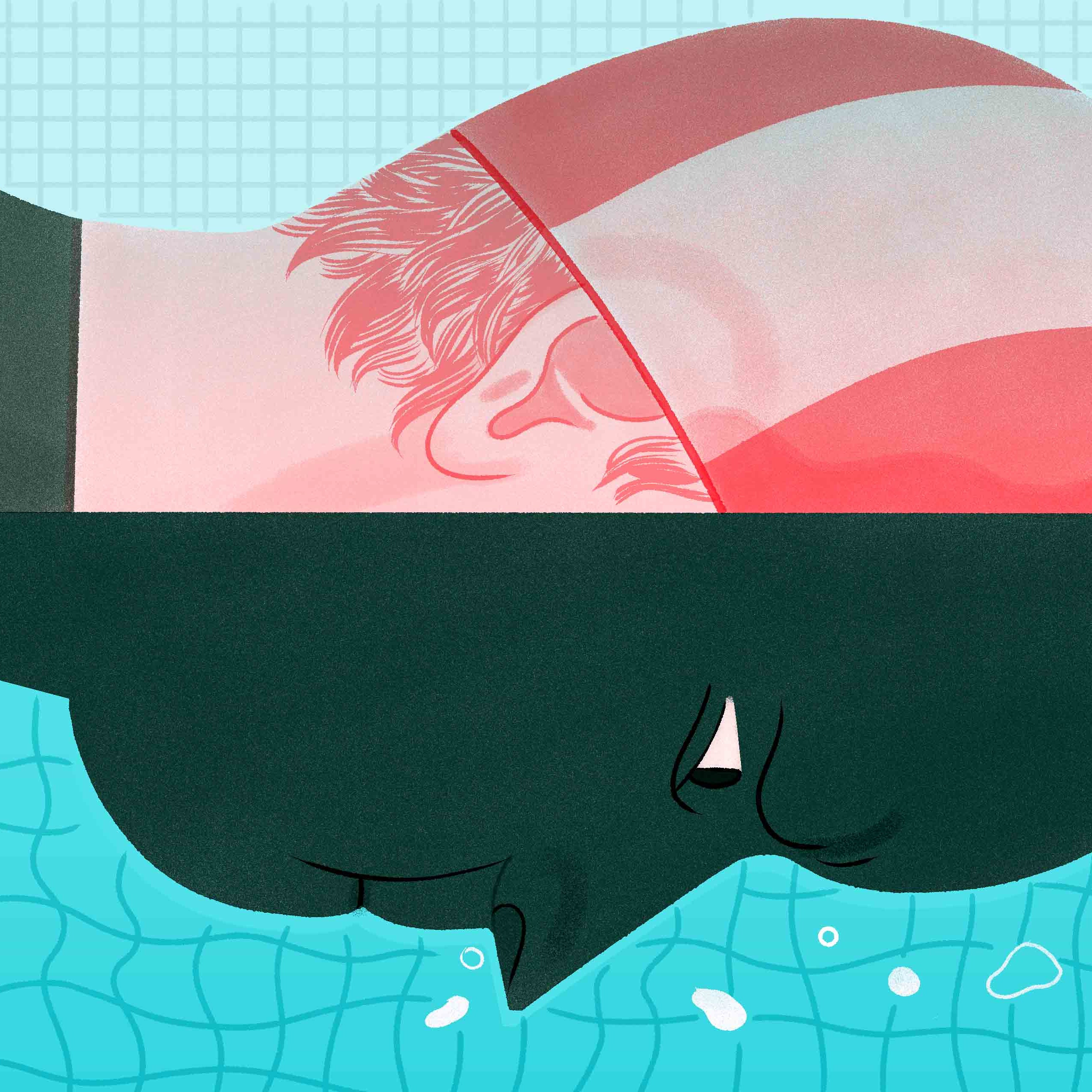
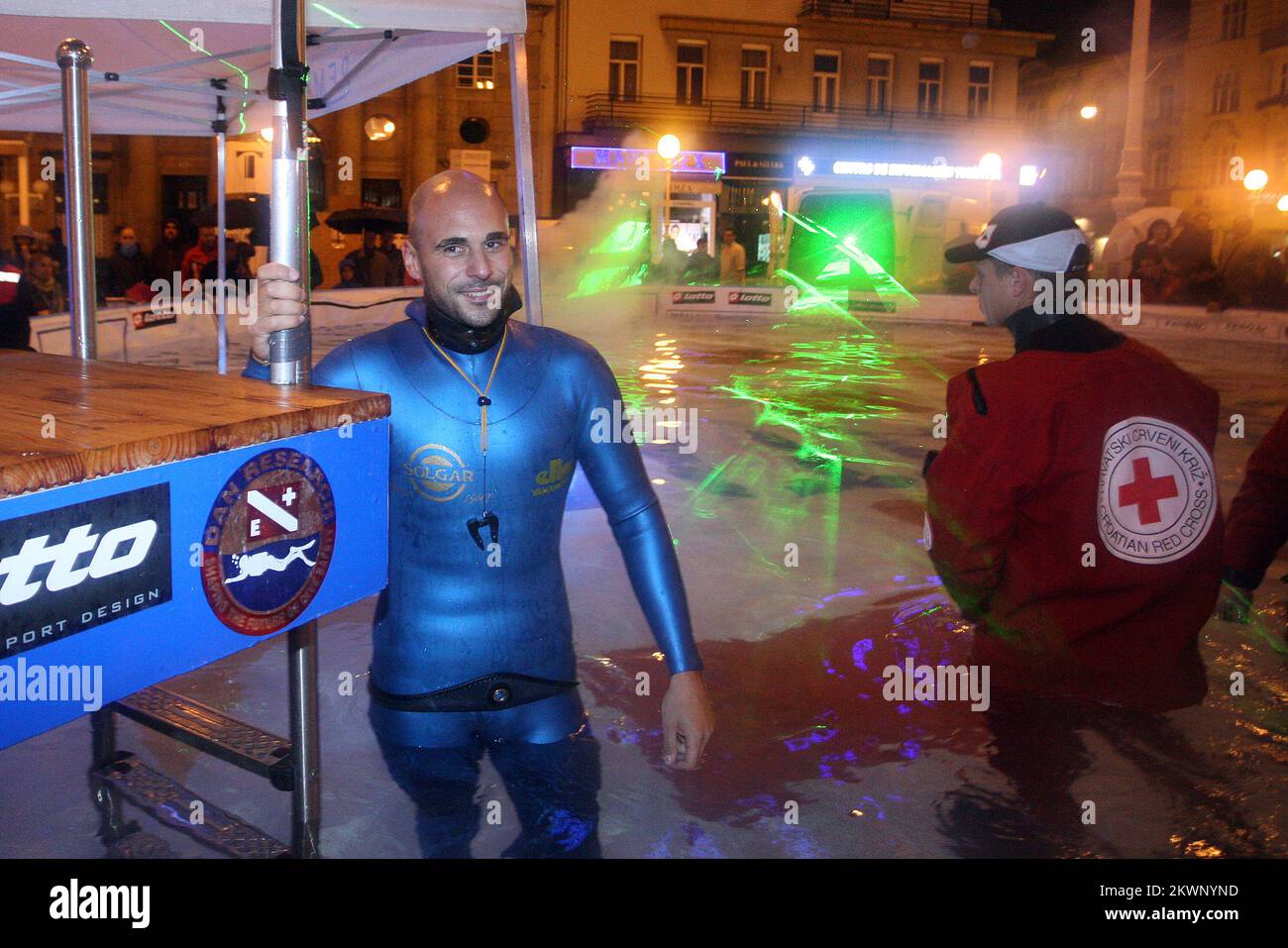
As of 2026, the world record for the longest voluntary breath hold is 24 minutes and 37.36 seconds, set by Budimir Šobat in 2021 using supplemental oxygen. For unassisted static apnea (without pure oxygen), the record remains 11 minutes and 35 seconds, established by Stéphane Mifsud in 2009.
Understanding the Two Main Categories of Breath Holding
When discussing the "breath holding record," it is vital to distinguish between the two primary competitive categories. These categories are governed by different organizations and involve vastly different physiological preparations. Without this distinction, the discrepancy between 11 minutes and 24 minutes can seem incomprehensible to the average reader.
Static Apnea (STA) - The Purest Form
Static apnea is the standard discipline in the world of competitive freediving, primarily overseen by AIDA International (Association Internationale pour le Développement de l'Apnée). In this category, the diver holds their breath for as long as possible with their airway submerged in water, usually a swimming pool.
The critical rule in STA is that the athlete must breathe normal atmospheric air before the attempt. No supplemental oxygen is allowed. This makes the record a "pure" test of the body’s ability to manage carbon dioxide (CO2) buildup and oxygen (O2) depletion. The current AIDA world record of 11 minutes and 35 seconds by Stéphane Mifsud is widely considered one of the most difficult physical feats in human history.
Oxygen-Assisted Breath Holding (Guinness World Records)
The headlines often seen in mainstream media usually refer to the Guinness World Record for "Longest time breath held voluntarily (assisted by oxygen)." In this category, the participant is allowed to breathe 100% pure oxygen for up to 30 minutes before the official clock starts.
By hyper-ventilating with pure oxygen, the diver flushes out a significant amount of carbon dioxide from their bloodstream and saturates their tissues with a massive "reserve" of oxygen. This drastically delays the "urge to breathe," which is triggered by rising CO2 levels rather than falling O2 levels. This explains why records in this category, currently held by Budimir Šobat, are more than double the length of unassisted records.
The Current World Record Holders
As we look at the landscape in 2026, the benchmarks for human endurance in apnea remain defined by a few legendary figures. Despite advancements in sports science, these records are rarely broken because they push the absolute boundaries of human survival.
Budimir Šobat (Assisted Record)
On March 27, 2021, Croatian diver Budimir "Buda" Šobat broke his own record by holding his breath for 24 minutes and 37.36 seconds. This feat was performed to raise awareness for autism. Šobat, who was 54 years old at the time, demonstrated that age and experience play a massive role in the mental discipline required for apnea. He prepared by breathing pure oxygen to saturate his body, effectively turning his lungs and blood into a high-capacity oxygen tank.
Stéphane Mifsud (Unassisted Record)
French freediver Stéphane Mifsud set the unassisted record of 11 minutes and 35 seconds on June 8, 2009. In the nearly 17 years since, no one has officially surpassed this mark in an AIDA-sanctioned event. Mifsud’s capacity is considered a biological anomaly, combined with rigorous mental training. Most elite freedivers struggle to pass the 9- or 10-minute mark, highlighting just how far ahead of his time Mifsud was.
Female World Records
In the women's category, the unassisted static apnea record is held by Natalia Molchanova, who recorded a time of 9 minutes and 2 seconds in 2013. Molchanova, often cited as the greatest freediver in history, disappeared during a private dive in 2015, but her records continue to stand as the gold standard for female athletes in 2026. For oxygen-assisted records, Karoline Mariechen Meyer holds a notable Guinness record with a time of 18 minutes and 32 seconds.
The Science of Apnea: How the Human Body Survives Without Air
Holding one’s breath for over 20 minutes seems like a violation of the laws of biology. However, humans possess an evolutionary toolkit known as the Mammalian Dive Reflex (MDR), which is the cornerstone of all breath-holding records.
The Mammalian Dive Reflex (MDR)
The MDR is a series of physiological responses triggered by the contact of cold water with the face, specifically the area around the nose and eyes. This reflex optimizes respiration to allow the body to stay underwater for extended periods. It involves three main components:
- Bradycardia: The heart rate slows down immediately, sometimes by as much as 30% to 50%. This reduces the body's overall oxygen consumption.
- Peripheral Vasoconstriction: The blood vessels in the limbs (arms and legs) constrict, redirecting oxygen-rich blood toward the brain and heart—the organs that need it most for survival.
- The Spleen Effect: During prolonged apnea, the spleen contracts, releasing a "surge" of oxygenated red blood cells into the circulatory system. This acts like a natural biological booster, increasing the blood's oxygen-carrying capacity.
The "Urge to Breathe" vs. Hypoxia
One of the biggest misconceptions about breath holding is that the "urge to breathe" is caused by a lack of oxygen. In reality, the burning sensation in the chest and the involuntary contractions of the diaphragm are caused by the buildup of carbon dioxide.
The body’s CO2 sensors are much more sensitive than its O2 sensors. This is why athletes who breathe pure oxygen before a Guinness record attempt can last so long; they have purged the CO2 that would normally force them to breathe long before their oxygen actually ran out.
Training and Preparation Techniques
Breaking a breath-holding record is not just about willpower; it is about physiological adaptation. Professional apnea athletes use specific training regimens to expand their lung capacity and increase their tolerance to CO2.
CO2 and O2 Tables
The most common training methods are "Static Tables." These are sets of breath holds with controlled recovery periods.
- CO2 Tables: These involve keeping the breath-hold time constant but decreasing the rest time between holds. This forces the body to operate in a high-CO2 environment, training the brain to ignore the panic signals sent by the respiratory center.
- O2 Tables: These involve keeping the rest time constant but increasing the breath-hold time. This trains the cells to function more efficiently as oxygen levels drop (hypoxia).
Diaphragmatic Breathing and Lung Packing
Athletes use "belly breathing" or diaphragmatic breathing to ensure they are using the full volume of their lungs, rather than just the upper chest. Some elite divers also use a technique called "lung packing" (glossopharyngeal insufflation). This involves using the throat muscles to literally "gulp" extra air into the lungs after they are already full. While effective for increasing volume, this technique carries significant risks, including lung barotrauma.
Comparison of Major Breath Holding Records
The following table compares the different tiers of breath-holding records recognized globally as of 2026.
| Category | Record Holder | Time | Type | Governing Body |
|---|---|---|---|---|
| Men's World Record | Budimir Šobat | 24:37.36 | Oxygen-Assisted | Guinness World Records |
| Men's Pure Static | Stéphane Mifsud | 11:35 | Unassisted (Air) | AIDA International |
| Women's Pure Static | Natalia Molchanova | 9:02 | Unassisted (Air) | AIDA International |
| Women's Assisted | Karoline Meyer | 18:32 | Oxygen-Assisted | Guinness World Records |
| Dynamic (with fins) | Guillaume Néry | 285m (dist) | Unassisted (Air) | AIDA (Contextual) |
Risks and Safety Protocols
Breath holding, particularly when aiming for records, is inherently dangerous. The primary risk is a Shallow Water Blackout (SWB). This is a sudden loss of consciousness caused by oxygen deprivation to the brain.
The Danger of Hyperventilation
Many beginners attempt to hyperventilate (breathe rapidly and deeply) before holding their breath. This is extremely dangerous. Hyperventilation lowers CO2 levels without significantly increasing O2 levels. This "tricks" the body into thinking it doesn't need to breathe. As a result, the person may run out of oxygen and lose consciousness before they ever feel the urge to take a breath.
Essential Safety Rules
- Never Train Alone: This is the golden rule of apnea. A blackout underwater is only fatal if there is no one there to lift your head out of the water.
- Train on Dry Land First: Most CO2 and O2 tables should be practiced on a sofa or bed, where the risk of drowning is zero.
- Listen to the Body: Pushing past "contractions" (diaphragm spasms) should only be done by trained professionals under strict supervision.
- Avoid "Packing" Without Instruction: Improper lung packing can lead to air embolisms or collapsed lungs.
Why Records Haven't Been Broken Recently
As we observe the records in 2026, many wonder why Mifsud’s 2009 record or Šobat’s 2021 record have not been eclipsed. There are several factors contributing to this plateau in human performance.
First, there is a biological limit. The human brain consumes a massive amount of oxygen. Even in a state of total relaxation, there is a "floor" to how low our metabolic rate can go. Second, the safety regulations for official record attempts have become increasingly stringent. AIDA and Guinness require rigorous medical presence and specific water temperatures, which can be difficult to coordinate.
Finally, the mental toll is immense. To hold one's breath for 11 or 24 minutes requires entering a state of profound meditation that few people can achieve. It involves suppressing the most basic survival instinct—the need to inhale—while experiencing physical pain and intense CO2-induced panic.
FAQs about Breath Holding Records
Can I hold my breath for 5 minutes with training?
Most healthy adults can reach a 3- to 4-minute breath hold with about six months of consistent training. Reaching 5 minutes usually requires a specific genetic predisposition for a high lung volume and a very strong dive reflex. However, this must always be practiced with a partner.
Does water temperature affect the record?
Yes, water temperature is critical. If the water is too cold, the body shivers, which consumes oxygen rapidly. If it is too warm, the heart rate increases. Most records are set in water that is slightly below body temperature—around 30°C (86°F)—to balance the dive reflex with metabolic calm.
What is the "Spleen Effect" in record holding?
The spleen effect refers to the contraction of the spleen when it senses low oxygen levels. This releases a "cache" of concentrated red blood cells. In elite freedivers, the spleen can shrink by up to 20% during a record attempt, significantly extending their time by providing a natural blood transfusion of sorts.
Is breath holding bad for the brain?
Research on elite freedivers generally shows that their brains adapt to low oxygen levels. However, frequent blackouts (hypoxic events) can lead to cumulative damage. Most record holders focus on "clean" holds where they do not lose consciousness, as a blackout during a competition result in immediate disqualification.
What is the difference between static and dynamic apnea?
Static apnea (the subject of this article) is about duration while remaining still. Dynamic apnea is about distance traveled underwater on a single breath. While they both require breath holding, dynamic apnea uses oxygen much faster because the muscles are working.
Practical Recommendation: Starting Safely
If you are interested in exploring the limits of your own breath-holding capacity, do not attempt to break records immediately. Start by researching a certified freediving course through organizations like AIDA International or PADI. These programs teach the necessary safety protocols and physiological theory before you ever get into the water.
For home practice, focus on Static Tables on a dry surface. Use a pulse oximeter to monitor your heart rate and oxygen saturation. Never, under any circumstances, practice breath-holding in a pool, bathtub, or any body of water without a trained safety diver watching you directly. The journey to a longer breath hold is a marathon of patience and relaxation, not a sprint of willpower.