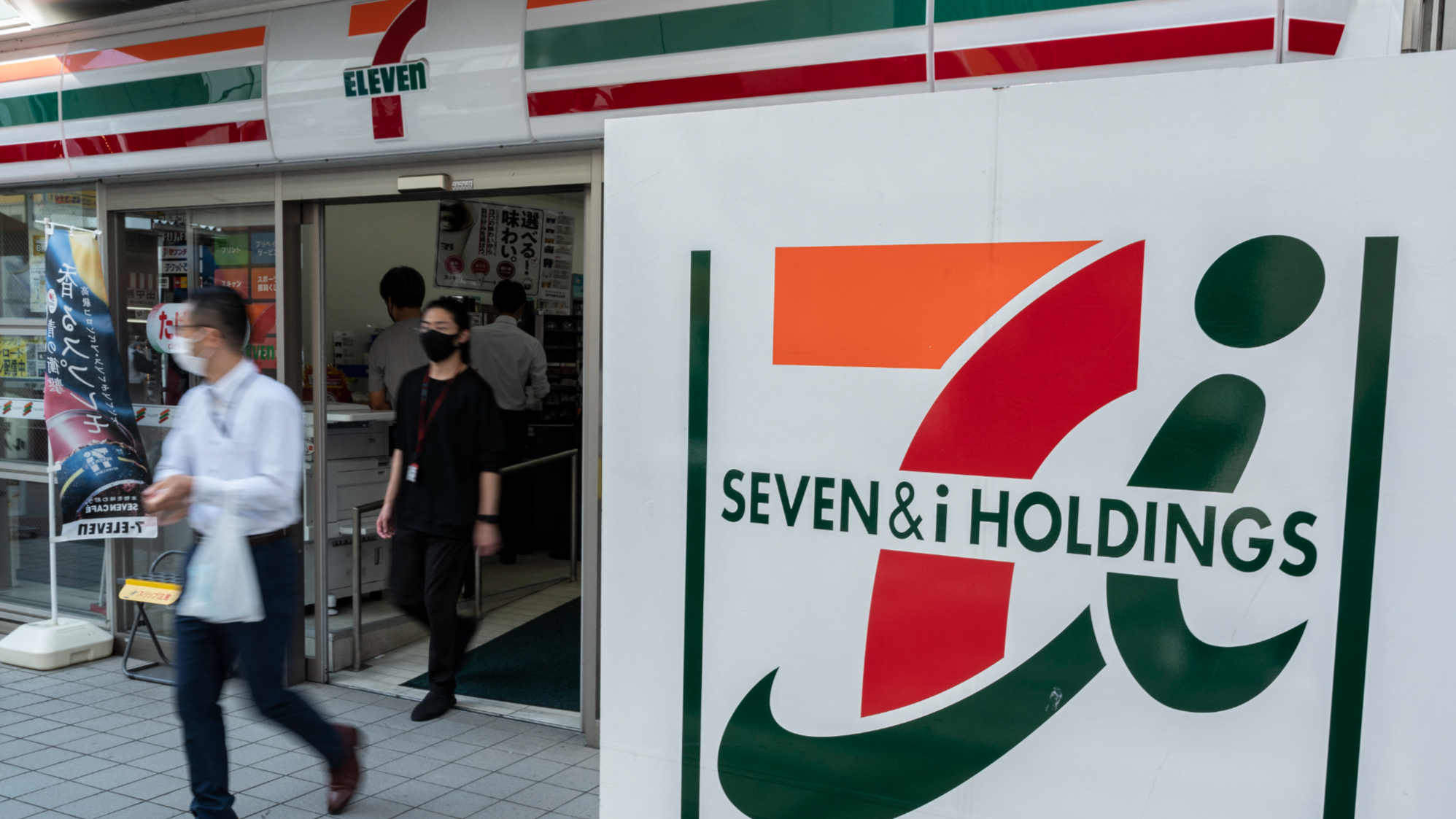
7-Eleven serves as the preeminent global leader in the convenience retail sector, operating or franchising over 85,000 stores across 20 countries and regions as of 2026. Functioning as a subsidiary of Seven & i Holdings Co., Ltd., the organization provides a standardized retail model focused on high-frequency consumer goods, proprietary fresh food offerings, and integrated financial services to meet the rapid, localized needs of modern urban and suburban populations.
The Operational Model and Organizational Structure
The 7-Eleven business model is predicated on the principle of "item-by-item management," a philosophy that requires store operators to analyze the movement of every individual product. By monitoring sales data at a granular level, the chain adjusts its inventory to reflect shifting local consumer preferences and seasonal trends. This approach minimizes waste and maximizes the return on shelf space, which is critical given the typically compact footprint of convenience stores.
The global network operates primarily through a master franchise system. While the parent company, Seven & i Holdings, maintains corporate oversight and sets global brand standards, local operators—often joint ventures or regional subsidiaries—adapt the product mix to fit cultural requirements. For instance, the inventory in a Japanese konbini differs significantly from the product assortment found in a North American location, reflecting the specific dietary habits and daily convenience requirements of those demographics.
Evolution of the Global Retail Network
The history of 7-Eleven is marked by a transition from a local ice house retailer in Dallas, Texas, to a global retail behemoth. Originally founded in 1927 as the Southland Ice Company, the brand earned its current name in 1946 to highlight the extended operating hours—7 a.m. to 11 p.m.—which were unprecedented at the time.
By the late 20th century, the Japanese operations, managed by Ito-Yokado, proved so successful that the Japanese arm eventually acquired the American parent company. This shift in control transformed the organizational structure, leading to a focus on technological innovation and supply chain efficiency that defines the current 2026 status of the network. The brand's expansion strategy relies on a combination of organic growth, strategic acquisitions of smaller chains, and a robust franchising framework that allows independent business owners to leverage the 7-Eleven brand name and distribution infrastructure.
Key Product Categories and Service Offerings
To maintain its competitive edge, 7-Eleven has moved beyond standard retail items like snacks and beverages. The modern store functions as a multi-purpose service hub.
- Proprietary Fresh Foods: This includes items like sandwiches, salads, sushi (in specific international markets), and hot foods such as pizza, wings, and taquitos.
- The Slurpee and Big Gulp: Iconic proprietary beverage products that serve as major foot-traffic drivers.
- Financial Services: Many locations provide automated teller machines (ATMs), money order services, and, in several regions, integrated digital payment systems that allow users to manage utility payments or government fees.
- Logistics and Parcel Services: Partnerships with e-commerce platforms have turned many locations into secure collection and drop-off points for parcels, addressing the "last-mile" delivery challenge.
Comparison of Regional Store Features
| Feature | North American Focus | Asian (Japan/Taiwan) Focus |
|---|---|---|
| Primary Food Offering | Hot grab-and-go snacks, pastries | High-quality prepared meals (bento) |
| Technology Integration | Mobile checkout, delivery apps | Multi-functional kiosks for event tickets |
| Service Range | ATM, lottery, fuel stations | Banking, utility payments, laundry |
| Typical Daily Traffic | Morning coffee and commute-oriented | Frequent visits for all three meals |
Technology and Supply Chain Management
The backbone of the 7-Eleven network is its sophisticated supply chain and information technology system. As of 2026, the company utilizes predictive analytics to manage its inventory replenishment cycles. Because convenience stores have limited storage space, the "just-in-time" delivery model is essential. Distribution centers operate on strict schedules to replenish items that have been identified as low-stock by the store’s point-of-sale (POS) terminal.
Technological investments also extend to the consumer experience. Mobile applications allow for loyalty program integration, localized promotions, and, in some test markets, automated cashier-less checkout systems. These digital touchpoints are designed to reduce friction for the customer, ensuring that the "convenience" promise of the brand is fulfilled through speed of service.
Challenges and Operational Limitations
Despite its massive scale, the 7-Eleven model faces persistent challenges. One major hurdle is the high cost of labor and rent, particularly in dense urban centers. To remain profitable, stores must maintain high customer turnover, which necessitates efficient interior layouts and fast-moving inventory.
Additionally, as consumer health awareness increases, the chain faces pressure to diversify its offerings. The historical reliance on shelf-stable processed snacks is being challenged by a consumer shift toward fresh, organic, or allergen-conscious products. Managing the shelf-life of these fresh products creates a secondary operational challenge, as it requires a more robust cold chain and a higher frequency of deliveries.
Legal and regulatory issues also impact the chain, particularly concerning the sale of age-restricted items like tobacco, alcohol, and lottery tickets. Compliance with local municipal laws is a prerequisite for every franchisee, and violations can lead to significant penalties, including the loss of the franchise license. Prospective store owners are typically required to undergo extensive background checks and legal training to ensure full adherence to these regulations.
Strategic Outlook and Future Sustainability
Looking toward the remainder of 2026 and beyond, 7-Eleven is focusing on sustainability initiatives, including the reduction of single-use plastics and the optimization of energy consumption in its refrigeration systems. The company is also exploring how to integrate more electric vehicle (EV) charging stations into its existing fuel-based locations, effectively pivoting from traditional gasoline-reliant retail to a more diversified energy model.
For those interested in the business side of the chain, the path to ownership involves a rigorous vetting process. Prospective franchisees must demonstrate sufficient liquidity and management experience. The initial investment varies significantly based on geographic location, store size, and whether the location is a newly constructed build or a conversion of an existing facility.
Frequently Asked Questions
What is the primary business model of 7-Eleven? The primary model is a master-franchise retail system. 7-Eleven provides the brand, the supply chain logistics, and the marketing framework, while individual franchisees or regional master franchisees operate the daily business, hire staff, and manage local inventory to meet regional consumer demand.
How does 7-Eleven determine which products to stock? Stores use a data-driven process called "item-by-item management." POS data is analyzed daily to determine which specific products sell at what times. This information is sent to distribution centers, which then tailor individual store shipments to avoid stockouts of popular items while reducing the amount of unsold inventory.
Can I open a 7-Eleven franchise in any country? No, 7-Eleven operates through master franchise agreements. In many countries, the rights to develop the brand are owned by a single large corporation. Interested parties must check if the master franchisee for their specific country is currently accepting new store applications or sub-franchisees.
What is the significance of the 2026 operational landscape for the brand? In 2026, the brand is emphasizing digital transformation and energy diversification. This includes deeper integration of mobile-first shopping experiences and the conversion of traditional parking lots into infrastructure that supports the transition to electric vehicles, ensuring the chain remains relevant as personal transport habits evolve.
How does 7-Eleven handle food safety across its global network? The company enforces strict corporate food safety standards that all franchisees must adhere to. This includes localized health department certifications, consistent temperature monitoring for all cold and hot food displays, and standardized training protocols for all staff members handling food preparation and storage.
Conclusion and Recommendations
The 7-Eleven network remains a cornerstone of global retail, characterized by its ability to scale standardized logistics while maintaining localized product relevance. For consumers, the brand provides reliable access to essentials, while for business-minded individuals, it offers a proven, albeit capital-intensive, franchising pathway.
If you are a consumer, leverage the official 7-Eleven mobile application in your region to access rewards programs and localized deals that are not always advertised on the storefront. If you are researching franchising opportunities, visit the official corporate portal of the master franchisee for your specific country to obtain current capital requirements, training mandates, and the specific application timeline for the 2026 fiscal year. Ensure you perform a site-specific demographic analysis before committing to any franchise investment, as the success of the 7-Eleven model is highly dependent on local foot traffic and the specific needs of the surrounding community.