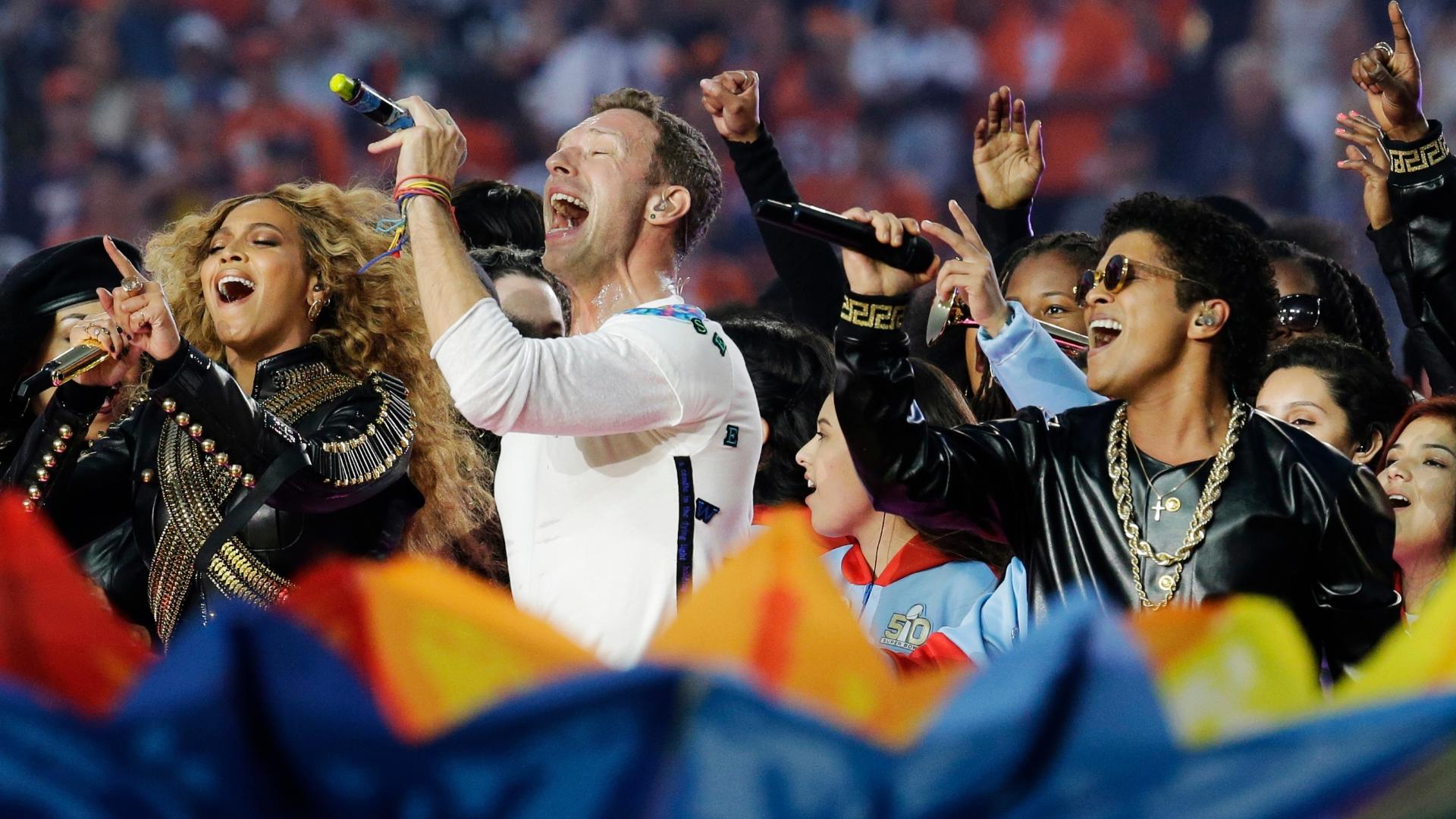
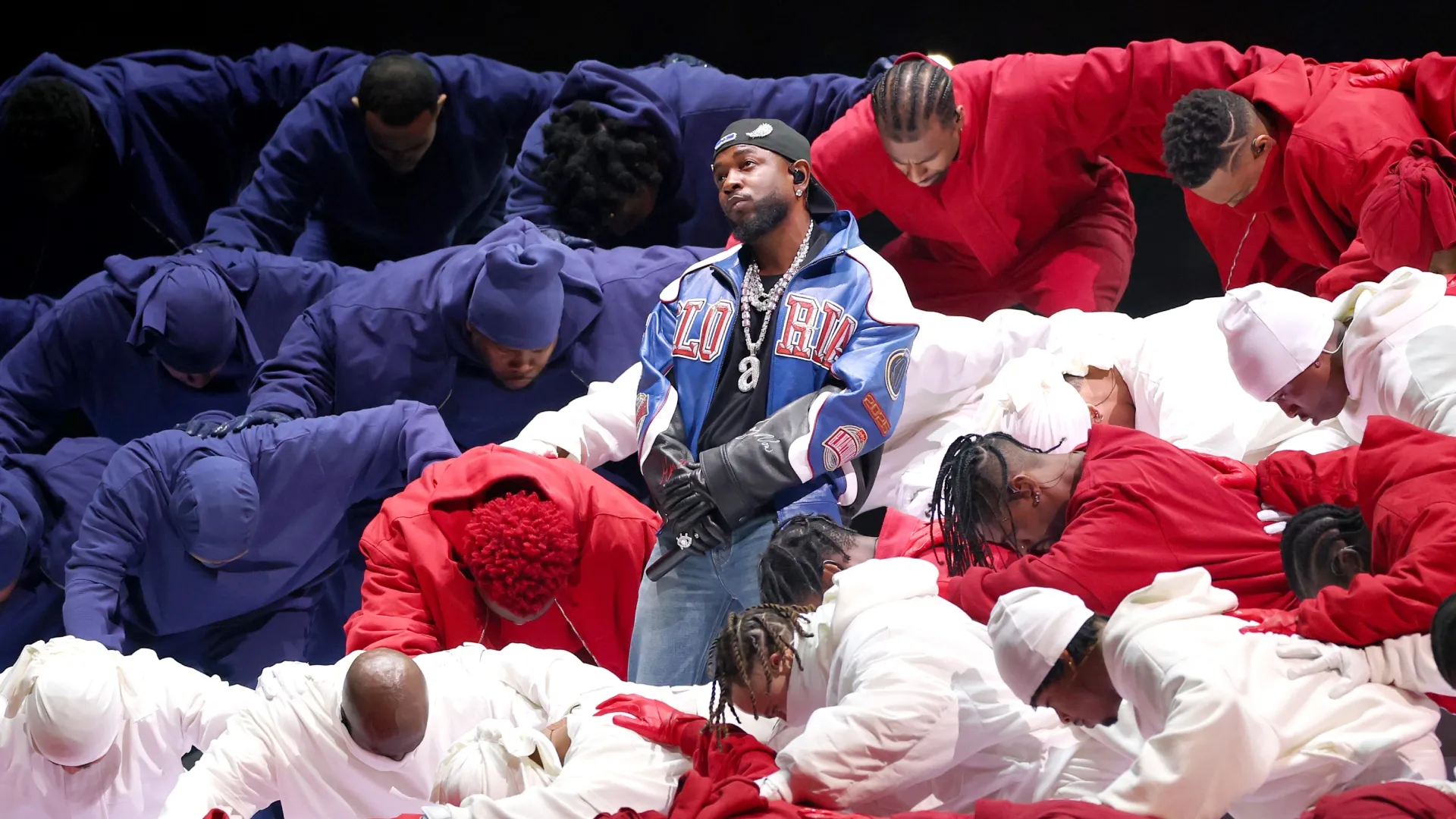
The 2012 Super Bowl halftime show, featuring headliner Madonna alongside a vibrant lineup of guest performers including LMFAO, Nicki Minaj, M.I.A., and CeeLo Green, remains one of the most-watched and culturally analyzed musical events in television history, prompting artists and production teams to frequently reflect on its massive logistical scale, meticulous choreography, and unforgettable hits.
The Cultural and Production Scale of Super Bowl XLVI
Super Bowl XLVI, played on February 5, 2012, at Lucas Oil Stadium in Indianapolis, Indiana, brought together a complex amalgamation of pop royalty, electronic dance music, hip-hop, and soul. Madonna, entering her fifth decade of cultural dominance, approached the performance with the rigor of a military campaign. Production for the event involved thousands of volunteers, massive LED projection mapping on the field, and a stage design that had to be assembled and disassembled by hand in a matter of minutes.
For the performers involved, stepping onto the Super Bowl stage represents a unique professional pinnacle. Unlike a standard arena tour where an artist controls the environment, lighting, and pacing, the Super Bowl halftime show operates under strict broadcast windows and military-like precision. When artists relive these moments in interviews and retrospectives, they often highlight the sheer adrenaline required to perform live before more than 110 million television viewers while navigating heavy costumes, pyrotechnics, and complex spatial blocking.
The preparation phase spanned several months, involving closed-door rehearsals in airplane hangars and soundstages before the final week on-site in Indianapolis. The primary challenge for Madonna and her creative directors—including Jamie King and multimedia designers from Moment Factory—was blending her iconic catalog with contemporary acts without losing the narrative thread of the performance.
Breakdown of the Halftime Show Lineup and Setlist
The 12-minute performance was structured as a high-energy medley that transitioned seamlessly through distinct thematic eras, utilizing Madonna's classic hits alongside contemporary collaborations. Understanding the progression of the setlist illustrates how the performers balanced nostalgia with modern chart dominance.
| Sequence | Song / Segment | Primary Performer(s) | Key Visual or Production Elements |
|---|---|---|---|
| 1 | "Music" / "Give Me All Your Luvin'" | Madonna, Nicki Minaj, M.I.A. | Roman-themed entrance, cheerleaders, marching band |
| 2 | "Open Your Heart" / "Express Yourself" | Madonna, CeeLo Green, marching bands | Gloved choreography, drum corps, soul choir |
| 3 | "Party Rock Anthem" / "Sexy and I Know It" | LMFAO, Madonna | Mashup integration, shuffle dancing, LED costumes |
| 4 | "Like a Prayer" | Madonna, CeeLo Green, choir | Illuminated stadium floor, gospel choir, massive "WORLD PEACE" message |
The Opening Spectacle: "Music" and "Give Me All Your Luvin'"
The show opened with a grand entrance inspired by ancient Roman royalty. Madonna was pulled across the field on a massive gold platform by hundreds of gladiators before launching into "Music." The energy shifted immediately as Nicki Minaj and M.I.A. joined her for "Give Me All Your Luvin'," sporting cheerleader uniforms and pom-poms. This segment set a playful, high-velocity tone, blending Madonna's legacy with the peak era of early-2010s electropop and hip-hop.
The Transitional Era: Blending Soul and Anthems
As the performance progressed, CeeLo Green entered to lend his powerful vocals to segments of "Open Your Heart" and "Express Yourself." The inclusion of university marching bands—specifically from Purdue University and other regional institutions—added a traditional collegiate football element that grounded the pop spectacle in sports culture. Performers often reminisce about the intense coordination required between the professional dancers and the hundreds of volunteer musicians marching in precision formations on a temporary turf cover.
The Climax: "Like a Prayer" and Global Unity
The performance culminated in a spiritual and emotional high point with "Like a Prayer." Madonna, clad in a long black coat, was joined by CeeLo Green and a full gospel choir. As the song built to its crescendo, the stadium lights dimmed, and tens of thousands of audience members turned on handheld light reflectors, creating a glowing mosaic across the seating bowl. The performance ended with Madonna sinking beneath the stage as the phrase "WORLD PEACE" lit up in giant letters across the field.
Behind the Scenes: The Performers' Perspectives in Retrospect
In subsequent years, members of the 2012 lineup have frequently shared behind-the-scenes anecdotes that shed light on the intense pressure and camaraderie of the event.
Madonna’s Perfectionism and Work Ethic
Collaborators and dancers have consistently noted Madonna's hands-on approach to every detail of the production. From costume fittings that accommodated quick changes in freezing Indianapolis weather to rigorous vocal and physical conditioning, her commitment set the standard for the entire crew. In later reflections, Madonna and her team emphasized that the performance was designed to be a celebration of light and unity, executed without a single major technical mishap during the live broadcast.
The Guest Collaborators' Viewpoints
For supporting acts like LMFAO, Nicki Minaj, and M.I.A., sharing the stage with Madonna marked a defining career milestone. LMFAO's energetic integration allowed them to bring their signature party-rock style to a multi-generational audience. Meanwhile, the performers have often spoken about the strict security, precise timing rehearsals, and the surreal experience of standing on the 50-yard line while millions watched worldwide.
Common Misconceptions About Super Bowl Halftime Productions
When fans and media outlets discuss historical halftime shows like the one in 2012, several persistent myths often surface regarding logistics, audio, and compensation.
- Do halftime performers get paid performance fees? No. The NFL and the event producers traditionally do not pay performance fees to halftime headliners. Artists perform for exposure, catalog streaming boosts, and the unique cultural platform, though production and travel costs for the massive stage show are covered by the league and sponsors.
- Is the music entirely live? Due to the immense acoustic challenges of an open-air stadium, the complexity of staging changes, and the rapid pace of choreography, artists often utilize pre-recorded vocal tracks or pre-mixed stems alongside live vocals to ensure broadcast audio stability.
- How long is the setup window? The stage and production elements are assembled by a massive volunteer crew in approximately six to eight minutes. Once the final whistle blows for the first half of the football game, the crew executes a finely rehearsed drill to roll the modular stage components onto the field, connect power, and clear the area before the countdown expires.
Frequently Asked Questions
Who headlined the 2012 Super Bowl halftime show?
Madonna served as the primary headliner for Super Bowl XLVI in 2012, organizing and anchoring the 12-minute production from start to finish.
Which guest artists performed alongside Madonna in 2012?
The halftime show featured guest performances by electronic pop duo LMFAO, rap artists Nicki Minaj and M.I.A., and soul singer CeeLo Green, alongside several university marching choirs and dance troupes.
Do Super Bowl halftime performers receive a paycheck from the NFL?
Headlining artists do not receive standard talent fees for the Super Bowl halftime show. The NFL covers production expenses, staging, and technical costs, while the artists benefit from massive post-performance global music consumption and media visibility.
What song closed the 2012 Super Bowl halftime show?
The performance concluded with a rendition of Madonna's classic hit "Like a Prayer," featuring CeeLo Green and a full gospel choir, ending with an illuminated stadium-wide message of global peace.
How are the stages built so quickly during the halftime show?
The stage is constructed using modular, wheeled rolling carts that are maneuvered by hundreds of trained field volunteers. This allows the entire infrastructure to be assembled in minutes and rolled off the field before the second half of the game begins.
Next Actions and Further Exploration
For music enthusiasts and sports historians looking to dive deeper into the legacy of Super Bowl XLVI, reviewing the official broadcast archive provides a masterclass in modern live-event production. Audiences can explore documentary shorts detailing the creation of the LED floor displays, costume design archives from the fashion houses that outfitted the performers, and post-game interviews where the artists dissect the logistical hurdles of executing a flawless live spectacular on one of the world's biggest stages.