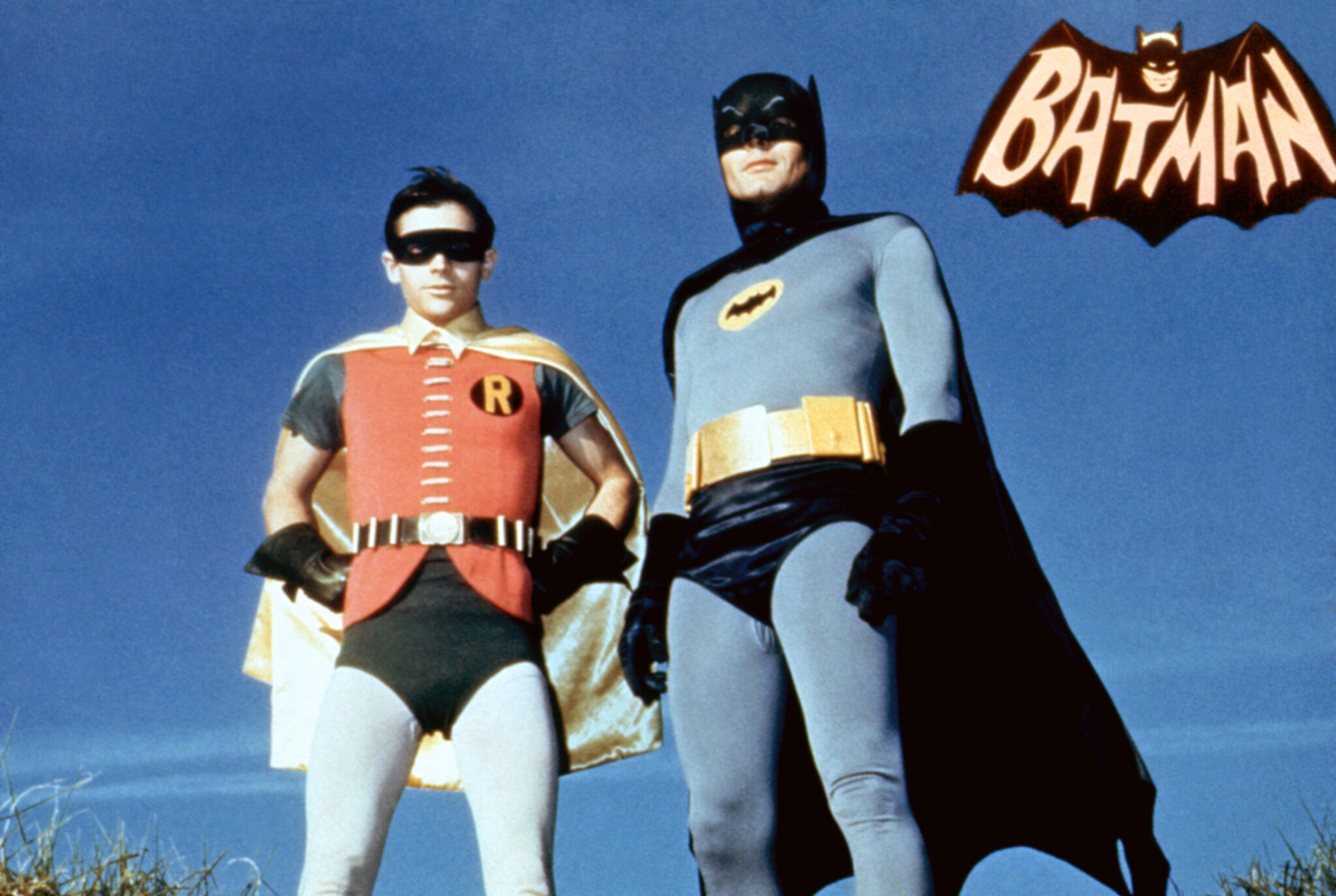
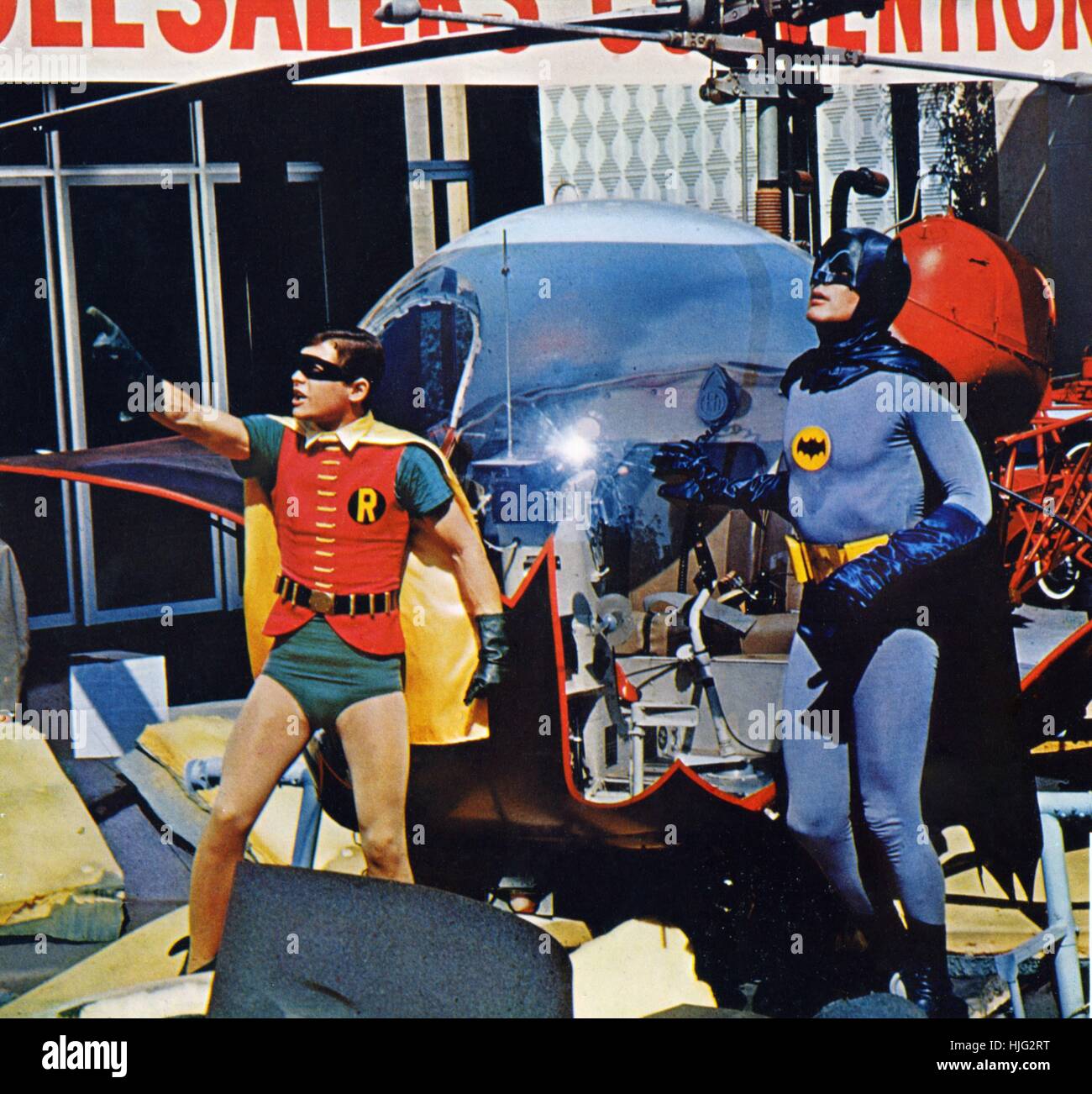
The 1960s Batman television series, which aired from 1966 to 1968, remains a seminal work of camp television. Starring Adam West as Batman and Burt Ward as Robin, the show is celebrated for its vibrant aesthetics, recurring guest-star villains, and moralistic humor. Today, fans can access the complete three-season library through various digital streaming platforms and physical media collections.
The Cultural Significance of the 1960s Batman Series
Premiering on January 12, 1966, on the ABC network, Batman was an immediate sensation that triggered "Batmania" across the United States. Produced by William Dozier, the show took a distinct stylistic departure from the brooding, dark tone often associated with the DC Comics character in later decades. Instead, it embraced high-concept pop art, primary colors, and a self-aware, deadpan delivery that allowed it to be enjoyed simultaneously by children and adults.
The show is famous for its "Biff! Bang! Pow!" visual effects, the "Bat-climb" cameos by various celebrities, and the iconic theme music composed by Neal Hefti. Beyond the spectacle, it established the definitive live-action portrayals for a generation, creating a template for episodic superhero television that balanced villain-of-the-week structures with serialized cliffhanger endings.
Technical Specifications and Production Quality
For modern viewers assessing the series in 2026, it is important to understand the technical limitations and restoration efforts surrounding the production. The series was filmed in 35mm, which has allowed for high-quality digital transfers.
When viewing the series today, you will notice:
- Aspect Ratio: The original broadcasts were in the standard 4:3 (1.33:1) television format of the 1960s. Modern high-definition masters maintain this ratio with vertical pillarboxing on widescreen displays.
- Color Palette: The show was a pioneer in using saturated, Technicolor-influenced palettes. Modern restorations have emphasized these bright reds, yellows, and blues, which were intentional design choices to mimic the look of comic book panels.
- Sound Design: The original monaural audio has been preserved in most digital and physical releases, maintaining the distinct orchestral score and the exaggerated sound effects that define the series’ auditory landscape.
Accessing the Series in 2026
As of 2026, the licensing rights for the 1960s Batman series are held by Warner Bros. Discovery. The show is generally available through major digital video-on-demand storefronts and periodically rotates through premium streaming services.
Methods of Access
- Digital Purchase: You can purchase individual seasons or the complete series bundle through platforms such as Amazon Prime Video, Apple TV, or the Google TV store. This provides permanent access to your digital library regardless of streaming service licensing agreements.
- Physical Media: The complete series was released on Blu-ray. Collectors often prefer this format as it includes the highest possible bitrate for video and audio, along with significant archival bonus features, including original screen tests and behind-the-scenes documentaries.
- Streaming Rotation: Because streaming libraries are subject to regional licensing, the series may move between platforms like Max or other rotating catalogs. Always check your local region's current streaming availability before committing to a new subscription.
Comparison of Viewing Formats
| Feature | Digital Purchase | Physical Blu-ray | Streaming Subscription |
|---|---|---|---|
| Availability | Permanent | Permanent | Temporary/Rotating |
| Video Quality | High Definition | High Definition (Highest) | Variable (1080p to 4K) |
| Bonus Features | Limited | Extensive | Minimal |
| Cost Basis | Per season/series | One-time purchase | Monthly fee |
Notable Villains and Episode Structure
The "guest villain" format was a cornerstone of the show's success. Each major antagonist was given a two-part story arc, typically airing on Wednesday and Thursday nights. This structure was designed to hook audiences with a cliffhanger at the end of the first episode, where Batman and Robin would inevitably face a precarious situation—often a Rube Goldberg-style death trap—that they would resolve at the start of the next episode.
Key performances that defined the series include:
- Cesar Romero as The Joker: Notably, Romero famously refused to shave his mustache for the role, leading to it being painted over with white greasepaint, a quirk that has become legendary in television history.
- Frank Gorshin as The Riddler: Gorshin’s energetic, manic portrayal set the standard for the character, earning an Emmy nomination.
- Julie Newmar as Catwoman: Her performance added a layer of sophistication and flirtatious tension that became a hallmark of the show's second season.
- Burgess Meredith as The Penguin: His signature laugh and physical comedy provided a grounded, yet eccentric, foil to the Caped Crusaders.
Common Misconceptions and Troubleshooting
"Is the show meant to be taken seriously?"
The primary intent of the 1966 Batman was satire and high-camp entertainment. If you attempt to watch it expecting the gritty realism of 21st-century superhero media, you will likely find the tone jarring. The series succeeds when viewed as a period piece that satirizes the self-seriousness of 1960s culture while paying homage to the source material of DC Comics.
Troubleshooting Playback Issues
If you are streaming the series and experiencing quality drops, ensure your playback device is set to "Best Available" quality in the streaming app settings. Because the series is older, some automated upscaling algorithms on modern smart TVs may occasionally cause "soap opera effect" motion smoothing or digital artifacts. If the picture looks unnatural, navigate to your TV’s "Picture" or "Motion" settings and disable features such as "Motion Smoothing," "TrueMotion," or "Auto Motion Plus" to restore the original 24fps film cadence.
Historical Context: The 1960s Pop Art Movement
The series did not exist in a vacuum. It was deeply influenced by the Pop Art movement of the mid-1960s, popularized by artists like Andy Warhol and Roy Lichtenstein. The show’s production designers utilized "Bat-gadgets," vibrant set designs, and Dutch-angle camera shots to create an immersive, comic-book-inspired environment.
When analyzing the series today, consider how the show mirrored the anxieties of the Cold War era, often featuring villains who threatened global stability or attempted to seize control of government infrastructure. The series offered a comforting, predictable resolution to these threats every week, reinforcing the moral authority of the protagonists.
Frequently Asked Questions
Where can I find the original, uncut episodes?
Most current digital storefronts and the standard Blu-ray box set contain the uncut, original episodes as they aired. There are no significant "Director's Cuts" for this series, as the televised versions are the definitive versions produced by William Dozier.
Why do the death traps always fail?
The death traps are a satirical element of the show. The writers intentionally created convoluted scenarios to mock the idea of "evil genius" tropes. Part of the charm lies in the audience's expectation that Batman will utilize a specific, often convenient, gadget from his utility belt to escape at the last possible moment.
Is the 1966 film part of the series continuity?
Yes, the 1966 feature film Batman was released between the first and second seasons. It serves as an extended, higher-budget version of the show's style and features the primary cast. It is widely considered a companion piece that fits perfectly into the show's timeline.
How did the show end?
The series was canceled in 1968 after three seasons due to declining ratings and high production costs. There was no formal finale; the final episode, "Minerva, Mayhem and Millionaires," followed the standard format of the series.
Can children watch this series today?
The series is considered highly appropriate for all ages. It maintains a G-rated standard throughout, with violence that is highly stylized and cartoonish—a stark contrast to the intense action sequences found in modern superhero franchises.
Final Recommendation for Viewers
For those interested in exploring the series, the best approach is to start with the first season's two-part episodes. Watching the introductory episodes involving The Riddler will provide a comprehensive understanding of the show’s rhythm and tone. If you are a fan of pop culture history or classic television, the Blu-ray collection is the recommended investment due to its superior image quality and extensive supplementary material that contextualizes the era of production.