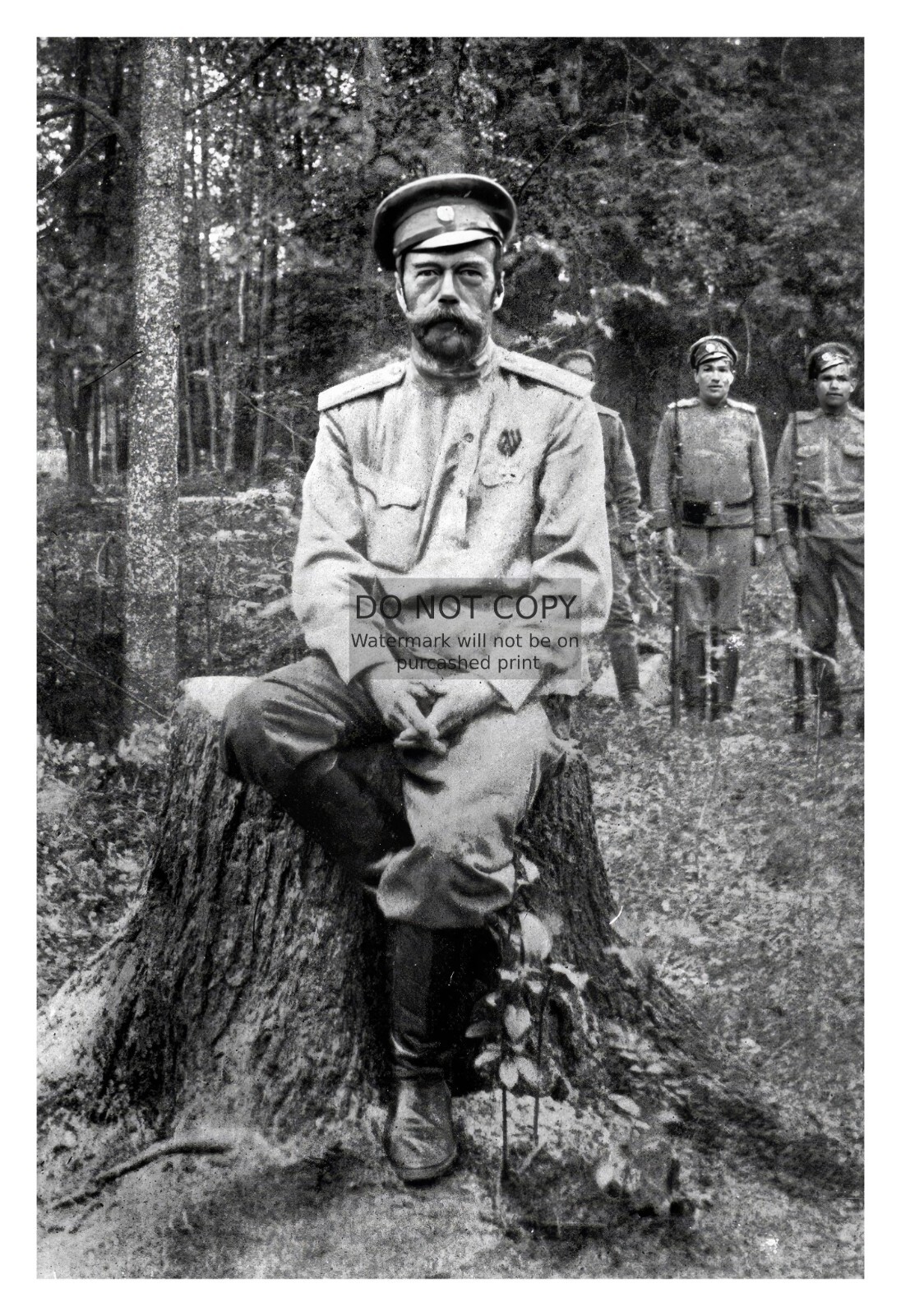
The Romanov family history spans over three centuries of absolute rule, profound geopolitical transformation, immense wealth, and a tragic, dramatic collapse that ended with the execution of Tsar Nicholas II and his family in 1918. Their legacy remains one of the most thoroughly scrutinized and endlessly captivating subjects in modern European history.
1. Modest Beginnings Before Ascending the Throne
Long before they commanded the vast expanses of the Russian Empire, the Romanovs were simply a prominent noble clan of boyars with close ties to the ruling Rurik dynasty. Their rise to ultimate power began in 1613 during the aftermath of the Time of Troubles—a period of severe political crisis, famine, and foreign intervention that threatened to dissolve the Russian state.
To restore order and legitimacy, a grand national assembly elected 16-year-old Michael Romanov as the new Tsar. This election established the Romanov dynasty, which would rule Russia for 304 years. Despite their humble origins compared to ancient European houses, the family rapidly consolidated authority, eventually transforming a fractured realm into a formidable Eurasian superpower through strategic alliances, territorial expansion, and ruthless internal administration.
2. Peter the Great and the Westernization of Russia
Perhaps the most transformative figure in Romanov history was Peter I, known historically as Peter the Great, who reigned from 1682 to 1725. Towering over six feet seven inches tall, Peter possessed an insatiable appetite for modernization, naval warfare, and administrative reform.
Frustrated by what he viewed as the traditionalism and backwardness of the Russian court, Peter instituted radical changes:
- Cultural Overhaul: He famously taxed long beards worn by traditional noblemen and mandated Western European dress codes for the court elite.
- Capital Relocation: He founded the city of St. Petersburg in 1703 on the Baltic marshes, naming it his "Window to Europe" and moving the imperial capital away from Moscow.
- Military Modernization: He built Russia's first professional navy and reorganized the army along modern European lines, decisively defeating the Swedish Empire in the Great Northern War.
3. Catherine the Great and the Golden Age of Enlightenment
Sophia Augusta Frederica, a minor German princess who adopted the name Catherine upon converting to Russian Orthodoxy, executed a palace coup in 1762 to depose her ineffectual husband, Tsar Peter III. Ruling as Catherine II for 34 years, she presided over the Russian Enlightenment and the territorial expansion of the empire.
Catherine corresponded extensively with French Enlightenment philosophers such as Voltaire and Denis Diderot, presenting herself as an enlightened monarch. Under her rule, Russia annexed Crimea, partitioned Poland, and added hundreds of thousands of square miles to its borders. However, despite her intellectual leanings, her reign also entrenched the oppressive institution of serfdom, particularly after the bloody Pugachev peasant rebellion of 1773–1775.
4. Immense Wealth and Fabergé Splendor
At the height of their power, the Romanovs were arguably the wealthiest royal family in world history, commanding vast agricultural estates, gold and platinum mines in Siberia, and immense state treasuries. This staggering wealth funded an opulent court lifestyle characterized by breathtaking art collections, sprawling palaces like the Winter Palace and the Alexander Palace, and world-class patronage.
Most emblematic of this Gilded Age luxury were the Imperial Easter Eggs crafted by Peter Carl Fabergé’s jewelry firm. Beginning in 1885 under Tsar Alexander III and continuing through Nicholas II, the imperial family commissioned these intricate masterpieces as Easter gifts for empresses and mothers. Each egg, crafted from precious metals, gemstones, and enamels, concealed a mechanical surprise, representing the pinnacle of late 19th-century craftsmanship.
5. The Shadow of Hemophilia and Grigori Rasputin
The reign of the last emperor, Nicholas II, and his wife, Alexandra Feodorovna, was deeply overshadowed by tragedy and political vulnerability, driven largely by the hereditary bleeding disorder hemophilia. Their only son and heir to the throne, Tsarevich Alexei, inherited the gene from his mother, a granddaughter of Queen Victoria. Alexei’s frequent, agonizing bleeding episodes were a closely guarded state secret that plunged the imperial parents into despair.
Desperate for a cure when conventional medicine failed, Empress Alexandra turned to Grigori Rasputin, a Siberian mystic and self-proclaimed holy man who seemingly possessed the hypnotic ability to soothe the young tsarevich's pain. Rasputin’s immense influence over the royal couple severely damaged the monarchy's reputation among the aristocracy, the press, and the public, fueling explosive rumors of corruption and incompetence on the eve of revolution.
| Imperial Figure | Reign / Lifespan | Significant Historical Impact |
|---|---|---|
| Michael Romanov | 1613–1645 | Founder of the dynasty, elected after the Time of Troubles. |
| Peter the Great | 1682–1725 | Modernized the military, built St. Petersburg, westernized the court. |
| Catherine the Great | 1762–1796 | Expanded imperial borders, patronized Enlightenment thinkers. |
| Alexander II | 1855–1881 | Emancipated the serfs ("Tsar Liberator"), assassinated by radicals. |
| Nicholas II | 1894–1917 | Last emperor; abdicated during the Russian Revolution. |
6. The Crushing Impact of World War I
When World War I erupted in August 1914, initial patriotic fervor rallied the Russian population around Tsar Nicholas II. However, the conflict quickly exposed the catastrophic structural weaknesses of the Russian state. Millions of soldiers were sent to the front lines without adequate weapons, boots, or medical supplies, leading to staggering casualties and demoralization.
In 1915, Nicholas II made the fateful decision to take personal command of the army at the military headquarters in Mogilev. This move backfired significantly:
- Direct Accountability: By leaving Petrograd, the tsar became personally and visibly responsible for every military defeat at the front.
- Political Vacuum: Empress Alexandra and Rasputin were left effectively managing the domestic government, leading to rapid ministerial turnover and administrative paralysis.
- Economic Collapse: Wartime inflation, transportation bottlenecks, and severe food shortages in urban centers turned the civilian population decisively against the autocracy.
7. Abdication and the February Revolution
By early 1917, the situation in Petrograd reached a breaking point. Widespread strikes, bread riots, and mutinies among the city's garrison troops coalesced into the February Revolution. Realizing he had lost the support of his generals, the Duma, and the general populace, Tsar Nicholas II abdicated on March 15, 1917, renouncing the throne for both himself and his son in favor of his brother, Grand Duke Mikhail Alexandrovich (who prudently declined the crown).
The abdication ended three centuries of Romanov autocracy. A Provisional Government assumed power, initially placing the imperial family under house arrest at the Alexander Palace in Tsarskoye Selo while debating whether to exile them to Great Britain or put them on trial.
8. The Midnight Execution in Yekaterinburg
Following the Bolshevik seizure of power during the October Revolution of 1917, the political climate grew increasingly perilous for the former royals. In August 1917, the Bolsheviks transferred the family deep into the Ural Mountains to Tobolsk, and later to Yekaterinburg, housing them in the heavily fortified Ipatiev House, which the guards grimly dubbed the "House of Special Purpose."
In the early hours of July 17, 1918, as White Army forces advanced on the region, local Bolshevik authorities commanded by Yakov Yurovsky awakened the family under the pretext of relocating them to a safer area. They were led down into a semi-basement room. Instead of transport, a firing squad entered and executed Nicholas, Alexandra, their five children (Olga, Tatiana, Maria, Anastasia, and Alexei), and four loyal retainers in a chaotic and brutal volley of gunfire.
9. The Persistent Myth of the Surviving Grand Duchess
The violent and clandestine nature of the execution, coupled with early Soviet secrecy regarding the fate of the children, birthed one of the most famous historical mysteries of the 20th century: the persistent rumor that one or more members of the imperial family had miraculously survived.
Dozens of impostors emerged over the decades claiming to be Anastasia or Alexei. The most famous was Anna Anderson, who surfaced in Berlin in 1920 and spent her entire life maintaining that she was Grand Duchess Anastasia. While sensationalized books, films, and cultural folklore romanticized these survival claims for decades, modern historical consensus dismissed them as fabrications.
10. Discovery of the Remains and Ultimate Historical Vindication
The ultimate resolution to the fate of the Romanov family came through forensic science and archaeology. In 1979, amateur sleuths discovered the primary burial site of most of the family members near Yekaterinburg, though their findings were kept secret until the fall of the Soviet Union in 1991. Official exhumation and subsequent DNA profiling confirmed the identities of Nicholas, Alexandra, and three of their daughters.
The two remaining children—Alexei and one of the daughters (historically debated between Maria and Anastasia)—were discovered in a separate, smaller pit nearby in 2007. Advanced DNA testing conducted by international laboratories definitively matched their genetic material to living royal relatives, including Britain's Prince Philip, permanently closing the physical chapter on the Romanov mystery and establishing a verified historical record of their final moments.
Frequently Asked Questions
Did any members of the Romanov family survive the Russian Revolution?
Yes. While the immediate family of Tsar Nicholas II was executed in 1918, more than 30 members of the extended Romanov family successfully escaped Russia during or after the revolution. Many fled to Western Europe, particularly Paris and London, as well as the United States, leaving behind living descendants today who gather for family associations and cultural events.
Why were Tsar Nicholas II and his family canonized?
In 1981, the Russian Orthodox Church Outside of Russia canonized the Romanov family as martyrs. In 2000, the Moscow Patriarchate followed suit, canonizing them as passion-bearers—saints who faced their deaths with Christian humility and forgiveness, mirroring the passion of Jesus Christ.
What happened to the Romanov jewels and wealth after 1917?
A substantial portion of the imperial family's private wealth, crown jewels, and art collections was confiscated by the Bolshevik government. Many of the crown jewels were cataloged and later sold abroad to fund the industrialization of the Soviet Union, while other pieces were scattered into private collections and museums worldwide.
Where are the remains of the Romanov family located today?
Following forensic identification and official state ceremonies, the remains of Tsar Nicholas II, Empress Alexandra, and three of their daughters were interred in the grand St. Catherine Chapel of the Peter and Paul Cathedral in St. Petersburg in 1998. The remains of Alexei and the remaining daughter were preserved for further study before eventual unification with archival memorials.
To explore Romanov history further, examine primary source diaries from the imperial archive, visit historical exhibitions featuring late-Imperial Russian artifacts, or read scholarly biographies that untangle the complex political landscape of the twilight years of the Russian Empire.