When Apple released the iPhone 15 lineup, it introduced a series of historic transitions, engineering overhauls, and design shifts that permanently altered the trajectory of the smartphone industry. From the long-awaited abandonment of the proprietary Lightning port in favor of universal USB-C to the widespread implementation of the Dynamic Island across all base models, the generation marked a major milestone in mobile technology. Examining these devices reveals several surprising hardware changes, manufacturing realities, and technological capabilities that casual consumers and tech enthusiasts alike may find unexpected.
1. The Death of the Lightning Port and the USB-C Mandate
For over a decade, the proprietary Lightning connector defined the iPhone ecosystem, serving as the physical tether for charging, data syncing, and accessory connection. The transition of the iPhone 15 lineup to a universal USB-C port was not merely an incremental design refresh; it was a watershed moment driven largely by regulatory pressure from the European Union, which mandated a common charging standard for electronic devices to reduce e-waste.
While the physical port shape is uniform across the iPhone 15, iPhone 15 Plus, iPhone 15 Pro, and iPhone 15 Pro Max, the underlying data transfer speeds reveal a stark hardware divide. The standard iPhone 15 and 15 Plus are restricted to USB 2.0 speeds—capping transfers at 480 megabits per second, identical to the legacy Lightning connector. In contrast, the iPhone 15 Pro and Pro Max leverage a dedicated controller to support USB 3 speeds, allowing data transfer rates up to 10 gigabits per second. This disparity surprised many buyers who assumed that adopting USB-C automatically guaranteed high-speed data transfer across the entire family of devices.
2. Titanium Chassis Construction and Weight Reduction
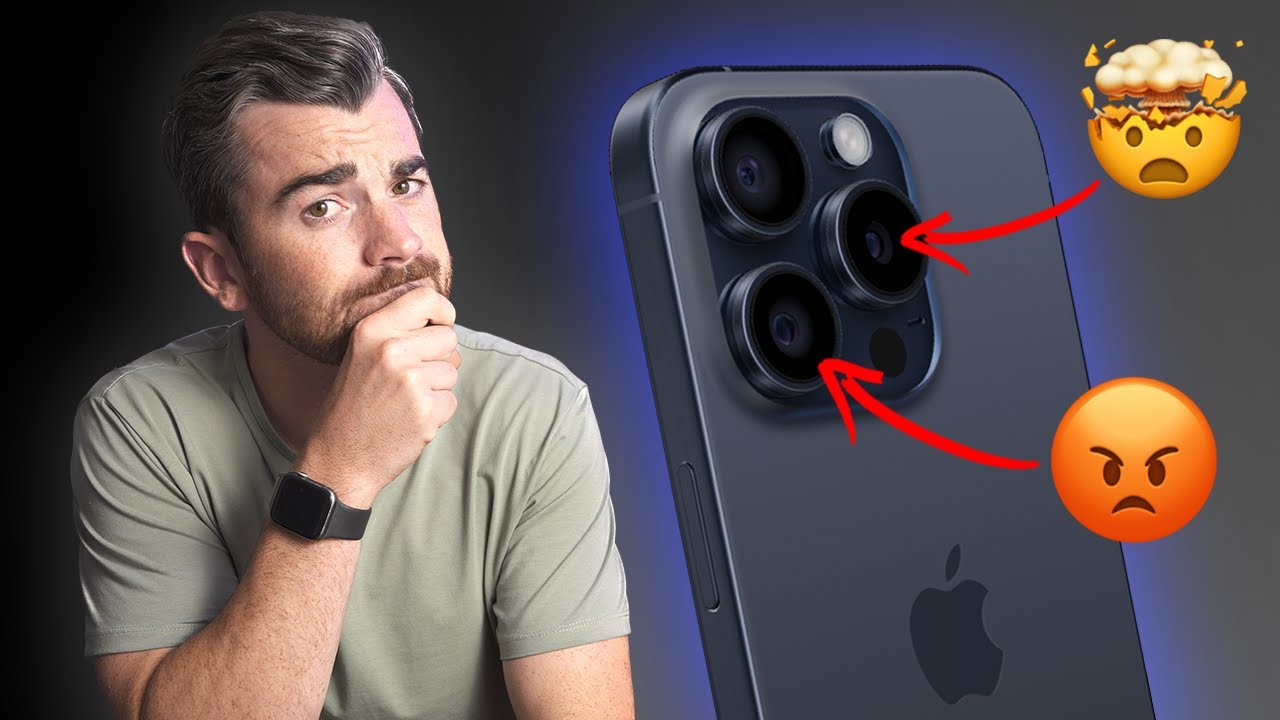
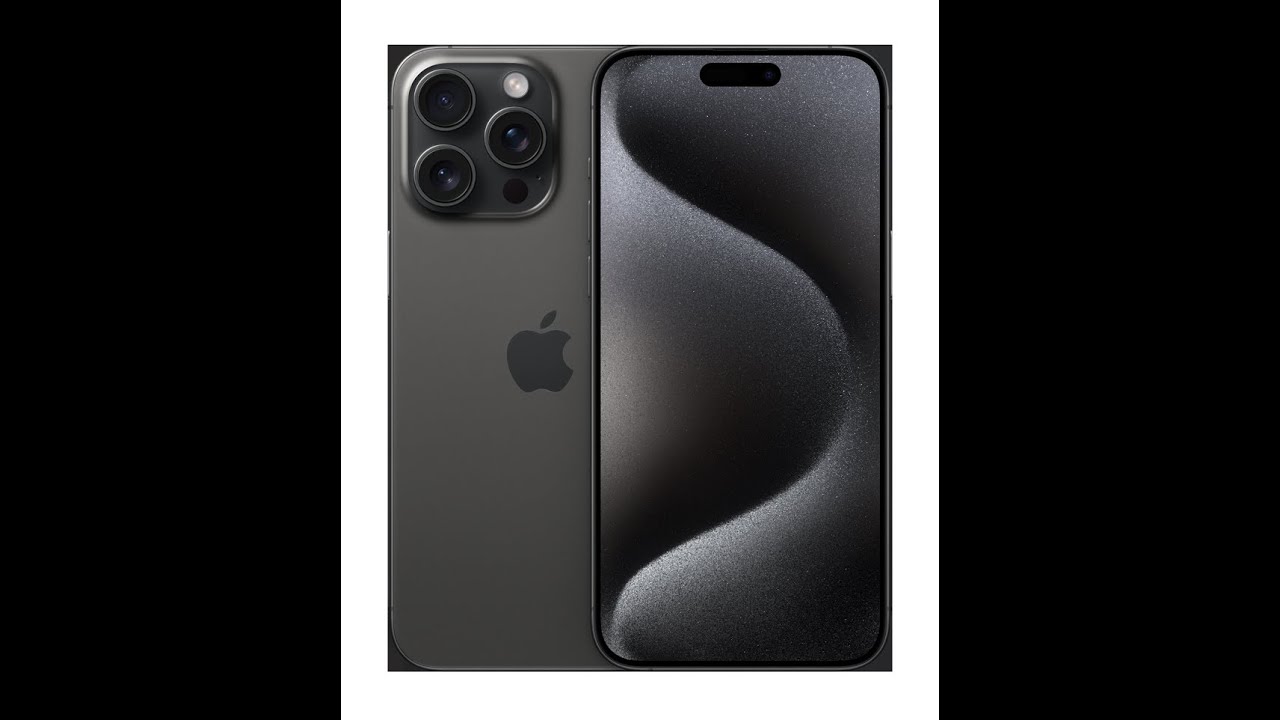
The introduction of aerospace-grade titanium on the iPhone 15 Pro and iPhone 15 Pro Max represented a significant departure from the stainless steel bands used since the iPhone X. Titanium offers an exceptionally high strength-to-weight ratio, allowing Apple to shave crucial grams off the physical footprint of its flagship devices. The iPhone 15 Pro, for instance, weighs in at 187 grams—a noticeable reduction compared to the 206-gram iPhone 14 Pro.
Beyond ergonomics, this material shift altered the thermal and tactile profile of the device. Titanium has a lower thermal conductivity than stainless steel, which initially led to user discussions regarding how heat dissipates during intensive tasks like high-end gaming or fast charging. Furthermore, the brushed texture of the titanium alloy reacts differently to natural skin oils than polished steel, temporarily altering its visual finish until wiped clean.
3. The A17 Pro Chip and Hardware-Accelerated Ray Tracing
Apple’s branding shift from the traditional "Bionic" moniker to "A17 Pro" for its high-end silicon underscored a monumental leap in mobile graphics architecture. The A17 Pro chip, built on an industry-first 3-nanometer process by TSMC, introduced a completely redesigned GPU featuring hardware-accelerated ray tracing. This technology, previously confined to high-end desktop gaming rigs and dedicated consoles, simulates the physical behavior of light to render reflections, shadows, and lighting effects with unprecedented realism on a handheld screen.
The inclusion of hardware-accelerated ray tracing enabled major game publishers to port console-quality titles—such as Resident Evil Village, Resident Evil 4, and Death Stranding—directly to the iPhone 15 Pro. This capability effectively blurred the line between mobile gaming and traditional console platforms, though it also pushed mobile thermal management to its absolute limits during extended gaming sessions.
4. The End of the Proximity Sensor Island
With the iPhone 14 Pro generation, Apple introduced the Dynamic Island, replacing the long-standing display notch with a pill-shaped software-hardware interface. However, that transition left the physical proximity sensor visible beneath the active display area.
On the iPhone 15 lineup, Apple quietly re-engineered the TrueDepth camera system and relocated the proximity sensor so that it sits entirely behind the display panel across all models. Because the sensor no longer requires a dedicated visible cutout beneath the Dynamic Island, the physical assembly is cleaner, marking a subtle yet sophisticated milestone in display engineering that went largely unheralded during the official keynote presentation.
5. Reverse Wired Charging Capabilities
A surprisingly useful yet under-discussed feature of the iPhone 15 lineup is its native ability to charge smaller accessories using its own battery via the USB-C port. By connecting a compatible cable, an iPhone 15 can deliver up to 4.5 watts of power to charge an Apple Watch, a pair of AirPods Pro (USB-C edition), or even another smartphone.
While wireless charging sharing has existed in various forms on Android devices for years, the inclusion of wired reverse charging via USB-C provides a reliable, high-efficiency fallback when accessories run out of power in the field. This capability turns the iPhone into a portable power bank for its ecosystem companions, transforming a standard data cable into a bidirectional power conduit.
6. Global eSIM Adoption and Physical SIM Tray Removal
While Apple initiated the removal of physical SIM card trays with the iPhone 14 lineup in the United States, the international rollout of eSIM technology continued to expand with the iPhone 15 generation. In markets where physical SIM trays were eliminated, users must rely entirely on embedded digital SIM profiles provided by cellular carriers.
This transition offers enhanced security—since a stolen phone cannot have its SIM card physically removed to prevent tracking—and allows users to store multiple active profiles simultaneously. However, it also introduced logistical hurdles for international travelers accustomed to swapping physical local SIM cards upon landing in a foreign country, requiring advanced planning with global roaming packages or digital carrier apps.
7. Peak Outdoor Display Brightness of 2,000 Nits
Outdoor legibility has historically been a challenge for mobile displays under direct, blinding sunlight. The iPhone 15 lineup addresses this by incorporating a Super Retina XDR display capable of reaching a peak outdoor brightness of 2,000 nits.
This metric represents a doubling of the outdoor brightness ceiling compared to older baseline models and matches the peak outdoor output of the preceding Pro generation. When ambient light sensors detect bright sunlight, the display automatically drives up its luminance far beyond standard indoor viewing levels, ensuring that maps, text, and camera viewfinders remain crystal clear even in glaring outdoor environments.
8. Battery Health Optimization and Cycle Limits
Battery longevity is a perennial concern for smartphone owners, and Apple introduced nuanced software and hardware adjustments for the iPhone 15 series to manage long-term degradation. Beyond standard optimized battery charging algorithms that learn user routines to delay charging past 80%, select models within the iPhone 15 lineup introduced a hard charging limit toggle in settings, allowing users to cap maximum charge at exactly 80% to preserve chemical battery health over years of ownership.
Furthermore, supply chain disclosures revealed that Apple engineered the iPhone 15 batteries to retain their performance capacity across a higher number of charge cycles than previous generations, challenging historical norms of rapid lithium-ion degradation. Users can view their exact battery manufacture date, first-use date, and total cycle count directly within the iOS settings menu, offering unprecedented transparency into hardware wear.
9. Color-Infused Glass Backs
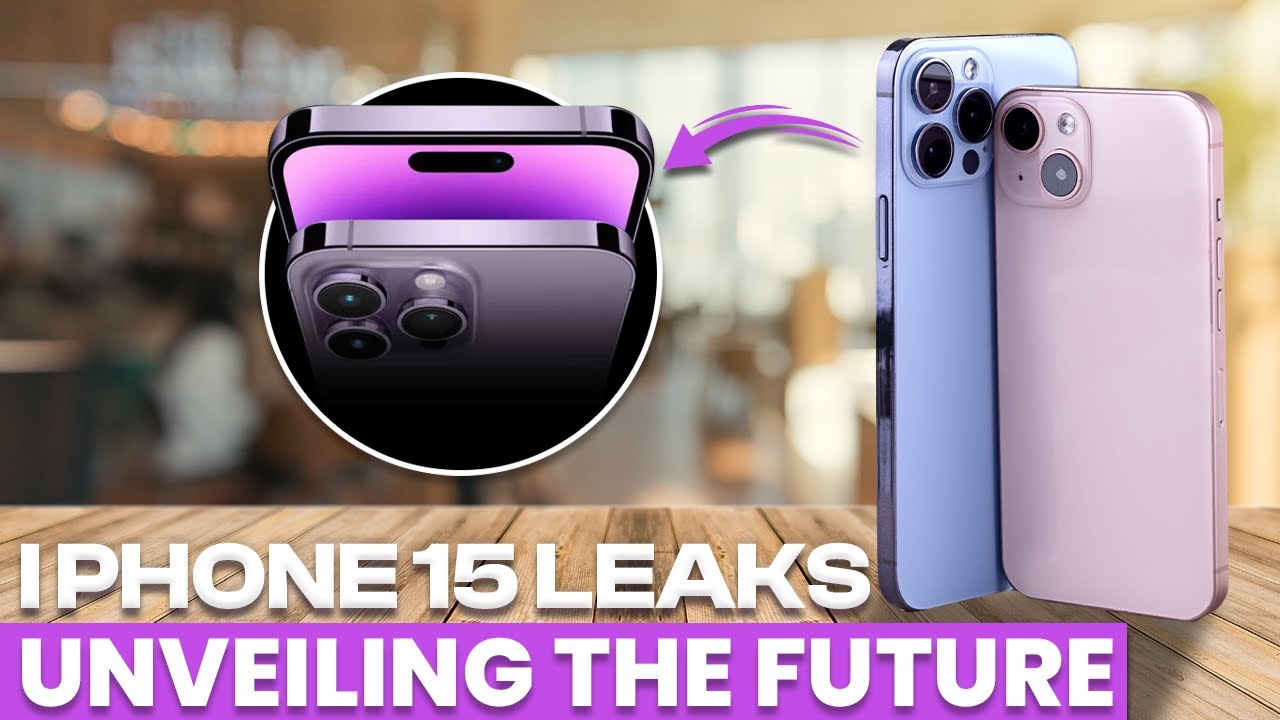
The standard iPhone 15 and 15 Plus models abandoned traditional surface-painted back glass in favor of a novel manufacturing process: color-infused back glass. Instead of applying color strictly to the inner surface, Apple ions metallic ions through the entire back glass panel, saturating the material itself before etching it with a textured matte finish.
This process results in a durable, tactile surface that resists fingerprint smudges while producing a soft, pastel aesthetic. The fusion of color directly into the structural glass marks a significant step forward in industrial design for non-Pro devices, bridging the gap between premium feel and everyday durability.
10. Specification Breakdown Across the Lineup
To fully grasp how Apple segmented the iPhone 15 family, examining the direct technical differences between the standard models and the Pro tier highlights the engineering tradeoffs made during production.
| Feature / Specification | iPhone 15 / 15 Plus | iPhone 15 Pro / 15 Pro Max |
|---|---|---|
| Processor | A16 Bionic (5nm) | A17 Pro (3nm) |
| Chassis Material | Aerospace-grade aluminum | Grade 5 Titanium |
| USB Data Speeds | USB 2.0 (Up to 480 Mbps) | USB 3.0 (Up to 10 Gbps) |
| Action Button | Traditional Ring/Silent Switch | Customizable Solid-State Action Button |
| Telephoto Zoom | 2x Optical Zoom (via sensor crop) | 3x (Pro) / 5x Tetraprism (Pro Max) |
Frequently Asked Questions
Can I use my old iPhone Lightning cables with the iPhone 15?
No. The iPhone 15 lineup uses a USB-C port, meaning legacy Lightning cables are physically incompatible without an adapter. You will need to transition to USB-C cables for charging and data synchronization.
Do all iPhone 15 models support the new Action Button?
No. The customizable Action Button—which replaces the traditional ring/silent toggle switch—is exclusive to the iPhone 15 Pro and iPhone 15 Pro Max models. The standard iPhone 15 and 15 Plus retain the traditional mute switch.
Why are data transfer speeds different between the iPhone 15 and iPhone 15 Pro?
The standard iPhone 15 models use the older USB 2.0 protocol controller integrated into the A16 Bionic architecture, capping transfer rates at 480 Mbps. The iPhone 15 Pro incorporates a dedicated USB controller that unlocks full USB 3 speeds up to 10 Gbps.
Is the titanium frame on the iPhone 15 Pro stronger than stainless steel?
Yes. Grade 5 titanium offers a higher tensile strength-to-weight ratio than the stainless steel used in previous Pro generations, making the device significantly lighter without sacrificing structural durability.
Can the iPhone 15 charge other devices?
Yes. Thanks to native USB-C power delivery, you can use a compatible cable to reverse-charge smaller accessories like AirPods, an Apple Watch, or even other smartphones directly from your iPhone 15 battery.
When upgrading or evaluating the iPhone 15 generation, carefully verify whether your daily workflow requires the high-speed data transfers and advanced ray-tracing capabilities of the Pro models, or if the baseline improvements—such as the Dynamic Island, USB-C transition, and 2,000-nit display—fully meet your mobile requirements.