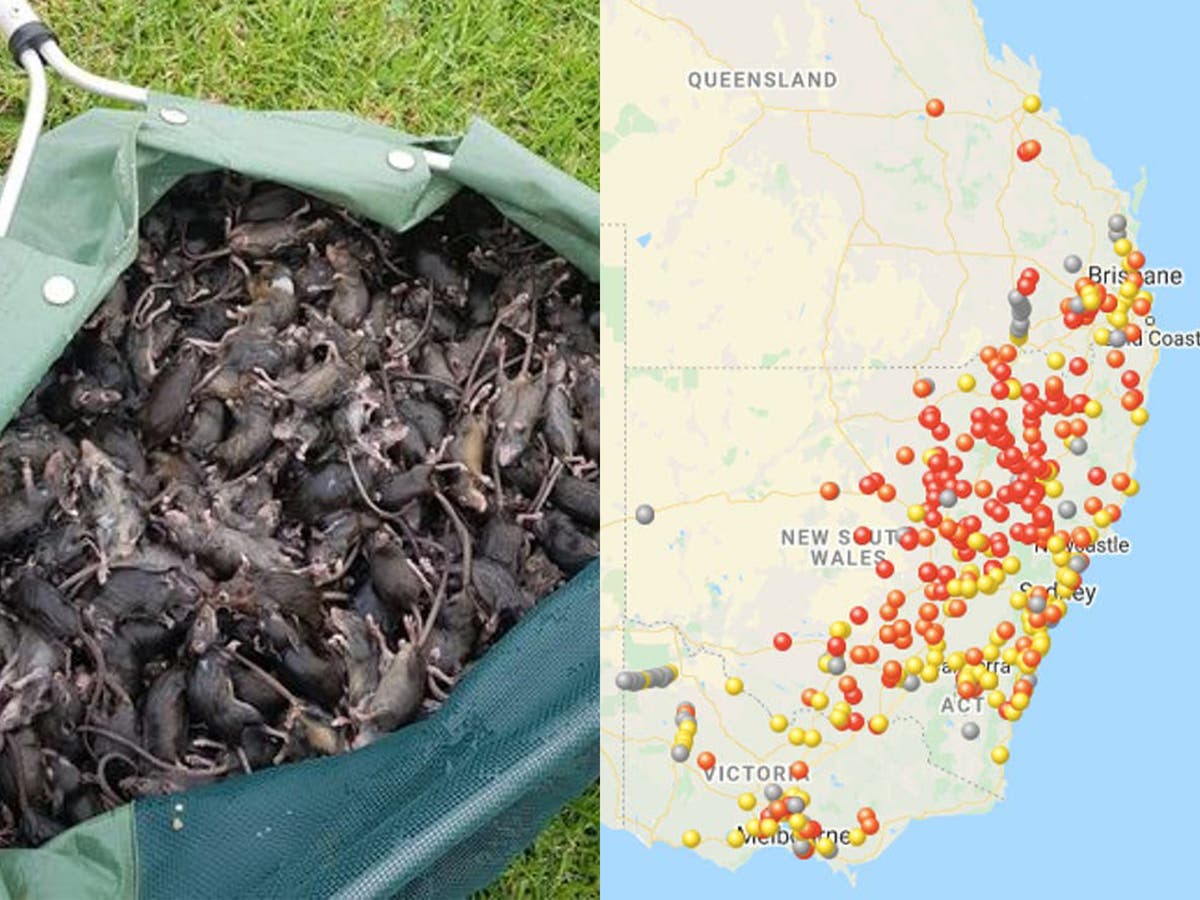
A rodent plague refers to a rapid, explosive increase in local populations of mice or rats, typically triggered by favorable environmental conditions like excessive rainfall, abundant food sources, or a lack of natural predators. Addressing this situation requires a transition from standard household pest control to an integrated, systematic approach that combines immediate population reduction with long-term habitat modification and exclusion strategies.
Understanding the Mechanics of a Rodent Outbreak
A rodent plague is rarely a sudden event; it is the culmination of biological factors reaching a tipping point. Rodents, specifically the Norway rat (Rattus norvegicus), the roof rat (Rattus rattus), and the house mouse (Mus musculus), have high reproductive rates. Under ideal conditions—where food is abundant and nesting sites are protected—a single pair of rats can theoretically lead to hundreds of descendants within a year.
In urban and rural environments, a plague state is often reached when human infrastructure fails to contain waste, or when agricultural cycles provide sudden surpluses. Recognizing a plague early is crucial; homeowners should look for increased droppings, greasy rub marks along baseboards, gnaw marks on structural materials, and the presence of rodents during daylight hours, which suggests the colony is so large that competition for resources has forced individuals into high-risk behaviors.
Immediate Action: Establishing a Perimeter Defense
Once you have identified that your property is experiencing a significant increase in rodent activity, the first step is to "harden" the structure. This is not a matter of simply setting a few traps, but of creating a physical barrier that prevents further ingress while eliminating the resources that sustain the current population.
- Exclusion (Sealing the Building): Rodents can compress their skeletons to fit through surprisingly small gaps. Rats require an opening no larger than the size of a quarter, while mice can squeeze through holes the size of a dime. Use steel wool or hardware cloth secured with industrial-grade sealant to block these entry points. Pay close attention to utility penetrations, where pipes enter foundations, and gaps around exterior doors.
- Sanitation and Resource Management: You must remove the "incentives" for rodents to stay. This involves elevating woodpiles, moving trash bins away from the structure, cleaning up fallen fruit from trees, and ensuring all pet food is stored in airtight, rodent-proof containers. If you manage livestock, storing feed in galvanized metal bins is a non-negotiable requirement to limit the available caloric intake for a plague population.
Comparing Methods of Population Control
When dealing with a high-volume rodent event, relying on a single method is rarely effective. The following table highlights the common approaches and their efficacy in a plague scenario.
| Control Method | Primary Mechanism | Efficacy (High Infestation) | Limitations |
|---|---|---|---|
| Snap Traps | Mechanical lethality | High | Requires high trap density and daily monitoring. |
| Bait Stations | Anticoagulant ingestion | Very High | Risk of secondary poisoning to pets and wildlife. |
| Ultrasonic Devices | Sound interference | Low | Rodents quickly habituate to consistent frequencies. |
| Glue Boards | Immobilization | Low to Moderate | Inhumane; limited use in large-scale infestations. |
| Exclusion Agents | Physical barrier | Essential | Does not remove existing indoor population. |
The Role of Professional Integrated Pest Management (IPM)
In a widespread rodent plague, consumer-grade products often fail because the infestation scale exceeds the capacity of over-the-counter tools. Professionals utilize Integrated Pest Management (IPM), a strategy that prioritizes non-chemical methods before escalating to targeted chemical interventions.
Professional services often have access to rodenticides that are restricted from public sale. These include second-generation anticoagulant rodenticides (SGARs), which are potent enough to kill in a single feeding. However, the use of these substances must be strictly managed to prevent "secondary poisoning," where predators like owls, hawks, or family pets ingest a poisoned rodent and succumb to the chemicals themselves. Always inquire about the use of tamper-resistant bait stations, which are anchored to the ground to ensure that only target species can access the toxins.
Environmental and Biological Factors
In 2026, climate patterns and urban development continue to be primary drivers of rodent cycles. Warmer winters allow for extended breeding seasons, while urban sprawl pushes displaced rodent colonies into residential areas. Understanding your local environment is key to anticipation. If you live near greenbelts, water sources, or areas with recent construction or demolition, you are at a statistically higher risk for rodent encroachment.
When managing a plague, it is also important to consider the biological reality of "bait shyness" and trap avoidance. If you use a single type of trap or bait, a colony may learn to avoid that specific stimulus. Professional pest controllers rotate tools, using different scents, textures, and mechanisms to bypass the learned avoidance behavior of established, mature rodents.
Safety Considerations and Public Health
The presence of a rodent plague is a legitimate public health concern. Rodents are known vectors for various diseases, including hantavirus, salmonella, and leptospirosis. These pathogens are transmitted through urine, feces, and parasites such as fleas and ticks that often accompany rodents.
- Cleaning Contaminated Areas: Never vacuum or sweep dry rodent droppings, as this can aerosolize harmful pathogens. Instead, dampen the area with a bleach solution (one part bleach to ten parts water) and wipe it up using paper towels. Wear gloves and, in severe cases, a respirator mask.
- Pet Safety: If you have domestic animals, they should be kept away from areas where bait is placed. If your pet shows signs of lethargy, internal bleeding, or loss of appetite, consult a veterinarian immediately and bring the packaging of any bait you have used to the clinic.
Troubleshooting Failed Control Efforts
If your control efforts are not yielding results, you are likely facing one of three common issues:
- The "Super-Abundance" Problem: You are failing to eliminate the food source. If a nearby neighbor or a nearby dump site continues to provide unlimited food, your efforts on your property will only provide temporary relief as new rodents migrate to fill the void.
- Ignoring the "Highways": Rodents are creatures of habit. They travel along specific paths, usually near walls and beneath shrubbery. If your traps are placed in open areas, they will likely be ignored. Place traps perpendicular to walls, with the trigger end facing the wall.
- Incomplete Exclusion: You have sealed 90% of the entry points, but the remaining 10% are sufficient to maintain the colony. Re-examine your structure during the evening hours using a high-powered flashlight to catch the "backlight" of any openings you may have missed.
Frequently Asked Questions
How long does a rodent plague typically last? A plague persists as long as the environmental conditions supporting it remain. If the food and shelter sources are removed, the population will crash naturally, but this can take several months. Active human intervention is required to shorten this duration and prevent damage to your home.
Can I use essential oils or natural repellents to clear a plague? No. While peppermint oil or similar substances may have mild deterrent effects in very small, contained spaces, they are completely ineffective against a large-scale plague. They are not a substitute for mechanical trapping and structural exclusion.
What should I do if I find a dead rodent? Do not touch it with bare hands. Use a shovel or a plastic bag turned inside out to pick up the carcass. Spray the area where it was found with a disinfectant. Dispose of the rodent in a sealed plastic bag inside an outdoor trash container.
Is it safe to seal entry points while rodents are still inside? Yes, but you must prioritize trapping to remove the interior population first. If you seal the building while rodents are trapped inside, they may cause significant damage to interior walls, insulation, and electrical wiring in their attempts to escape or forage for food.
Why are the rats not entering my bait stations? Rats are neophobic—they are suspicious of new objects in their environment. Place the stations in the area for a few days without bait to allow them to become familiar with the box before you add the attractant or poison.
Next Actions for Property Owners
If you are currently facing a potential rodent plague, your immediate next action should be a thorough property inspection. Walk the perimeter of your home, checking for any gaps larger than a dime. If you find signs of activity, purchase high-quality snap traps—do not rely on cheap, flimsy versions—and bait them with peanut butter or dried fruit. If you notice signs of a structural infestation (chewed wiring or scratching in walls), contact a licensed pest control professional immediately. They can perform an assessment, map the rodent movement, and implement a secure, multi-stage eradication plan that is safer and more efficient than DIY methods.