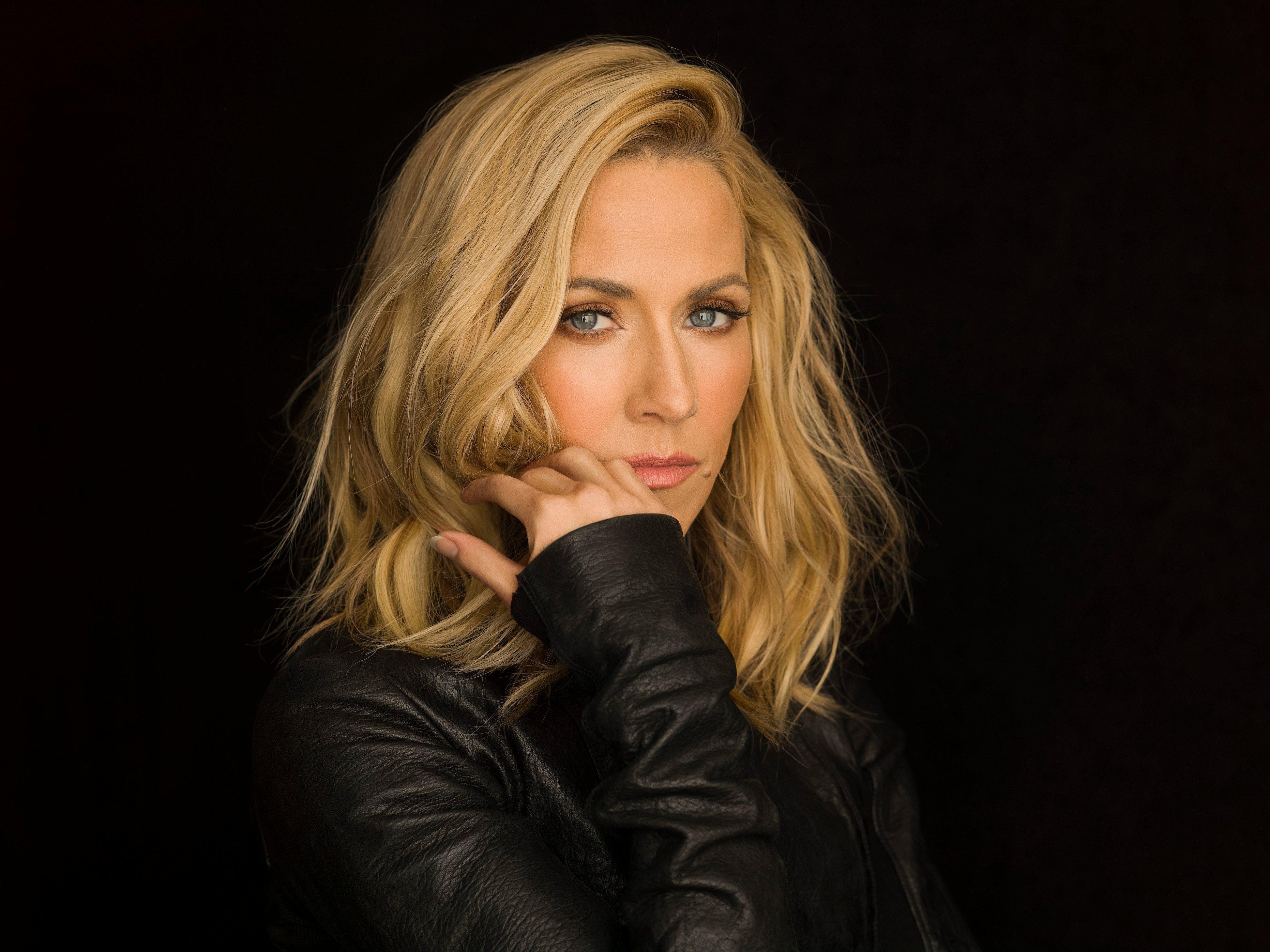
Sheryl Crow is a multi-Grammy-winning American singer-songwriter, musician, and record producer whose career has spanned over three decades. Merging elements of rock, pop, country, jazz, and blues, she rose to global prominence in the 1990s and has since maintained a consistent presence as a versatile artist, influential songwriter, and resilient survivor in the competitive music industry.
Early Life and Professional Foundations
Born in Kennett, Missouri, in 1962, Sheryl Crow’s entry into the professional music scene was not instantaneous. She earned a Bachelor of Science degree in music composition, performance, and education from the University of Missouri before moving to St. Louis to teach elementary school music. This foundational period in education preceded her move to Los Angeles in 1986, where she initially worked as a jingle writer and backup vocalist.
Her tenure as a backup singer, most notably for Michael Jackson during his Bad World Tour (1987–1989), provided her with a rigorous education in the realities of global stardom. This experience acted as a catalyst, grounding her in professional performance standards while simultaneously deepening her desire to pursue a solo career defined by her own songwriting voice.
Breakthrough: Tuesday Night Music Club
The defining moment of Crow’s early career occurred with the 1993 release of her debut studio album, Tuesday Night Music Club. The album was the result of collaborative sessions with a group of talented Los Angeles musicians. Despite a slow start in terms of commercial sales, the record eventually exploded in popularity, driven largely by the massive success of the hit single "All I Wanna Do."
This debut firmly established her aesthetic: a blend of introspective, lyric-driven folk-rock and accessible, radio-friendly pop. The success of the album culminated in three Grammy Awards in 1995, including Best New Artist and Record of the Year. It set a precedent for her career, demonstrating a knack for crafting songs that bridged the gap between serious singer-songwriter artistry and mainstream commercial appeal.
Stylistic Diversity and Artistic Maturity
Following her initial breakthrough, Crow avoided the trap of replicating her debut, instead choosing to expand her sonic palette. Her self-titled second album, released in 1996, moved toward a more raw and experimental sound, signaling her intent to be viewed as a serious musician rather than a pop icon. Throughout the late 1990s and 2000s, she continued to pivot:
- The Globe Sessions (1998): Characterized by darker, more complex songwriting and sophisticated production, it solidified her reputation as a formidable producer in her own right.
- C'mon, C'mon (2002): A foray into polished, upbeat pop-rock that produced hits like "Soak Up the Sun."
- Wildflower (2005): A return to more intimate, acoustic-leaning compositions, emphasizing piano-based arrangements.
This pattern of evolution allowed Crow to maintain relevance while adapting to shifting industry landscapes. By participating in diverse collaborations—ranging from country artists like Brad Paisley and Willie Nelson to rock legends like the Rolling Stones—she demonstrated an unusual ability to transcend genre boundaries.
Key Studio Albums and Industry Impact
To understand Sheryl Crow’s trajectory, one must look at the breadth of her discography. Her work serves as a case study in how to navigate the music industry while maintaining creative agency.
| Album Title | Year | Notable Contribution/Context |
|---|---|---|
| Tuesday Night Music Club | 1993 | Launched her solo career; defined the 90s pop-rock sound. |
| Sheryl Crow | 1996 | Marked a departure toward darker, experimental arrangements. |
| The Globe Sessions | 1998 | Earned critical acclaim for production and lyrical depth. |
| C'mon, C'mon | 2002 | Solidified her status as a mainstream radio staple. |
| Wildflower | 2005 | Shifted toward a more melancholic, piano-driven aesthetic. |
| Threads | 2019 | A collaborative project featuring diverse genre legends. |
Facing Challenges: Health and Personal Resilience
A critical aspect of Sheryl Crow’s public identity is her resilience in the face of significant health challenges. In 2006, she was diagnosed with breast cancer. Her public handling of the diagnosis—which involved a successful lumpectomy and subsequent radiation therapy—brought significant awareness to early detection and the importance of routine screening.
This experience significantly altered her approach to her career and personal life. It highlighted the balance she strikes between being a public figure and a private individual. Throughout her recovery and beyond, she has remained active in charitable work, particularly in support of breast cancer research and environmental initiatives, leveraging her platform to influence social discourse beyond the recording studio.
Songwriting and Production Philosophy
Unlike many performers of her era, Sheryl Crow has consistently insisted on her role as a songwriter and producer. Her writing process often begins with a melody or a specific observation, leading to lyrics that frequently touch upon themes of social commentary, personal freedom, and the complexity of modern relationships.
As a producer, she is known for her hands-on approach. She often plays multiple instruments on her records, including bass, guitar, and keyboards. This versatility not only reduced her reliance on session musicians but allowed her to shape the sonic signature of her records, ensuring that her albums reflected her personal artistic vision rather than the trends of the moment.
Navigating the Modern Music Landscape
By 2026, the music industry has undergone a total transformation from when Crow first started. She has successfully navigated the transition from physical media to streaming platforms, adapting her release strategies to fit the digital-first environment.
Her recent work reflects an acceptance of the industry's shift toward the "collaboration model." Rather than attempting to dominate the charts as a standalone pop artist, she has leaned into her status as an industry elder, using her experience to mentor younger artists and engage in collaborative projects that cross generational and genre lines. This approach has preserved her reputation as both an artist and an industry institution.
Frequently Asked Questions
Did Sheryl Crow write all of her hit songs?
Sheryl Crow is a prolific songwriter and has had a hand in writing the vast majority of her songs. While she has collaborated with co-writers throughout her career, she is officially credited on nearly all of her primary hits, emphasizing her role as an active architect of her musical output.
How has Sheryl Crow's sound changed over the decades?
Her sound has evolved from the alternative pop-rock of the 90s to include deeper influences from blues, country, and soul. While she maintained a consistent pop-sensibility, her later albums often favor more organic instrumentation and thematic maturity compared to her high-energy early hits.
What is the significance of the album "Threads"?
Threads was marketed as a final studio album, featuring collaborations with a wide array of musical icons such as Keith Richards, Stevie Nicks, and Mavis Staples. It represents the culmination of her career to date, serving as a tribute to the influences and peers who shaped her musical journey.
How did her health battle impact her career?
Her 2006 breast cancer diagnosis led to a re-prioritization of her life. While she did not stop recording, she reduced the intensity of her touring schedules and became a vocal advocate for health awareness. This shift helped transition her career from a relentless touring cycle to a more sustainable, project-based professional model.
Is Sheryl Crow still touring in 2026?
Yes, as of 2026, Sheryl Crow continues to perform live. However, her touring schedule is significantly more selective than it was in the 1990s and 2000s, often focusing on festival appearances, curated residencies, and special events rather than exhaustive, months-long world tours.
Next Actions for Fans and Listeners
If you are looking to explore the depth of Sheryl Crow’s career, the best approach is to move beyond her Greatest Hits collection. Start by listening to The Globe Sessions in its entirety to appreciate her production capabilities, followed by Threads to see how she interacts with various musical traditions. For those interested in her early, unfiltered sound, the remastered editions of Tuesday Night Music Club provide the best sonic representation of her breakout years.