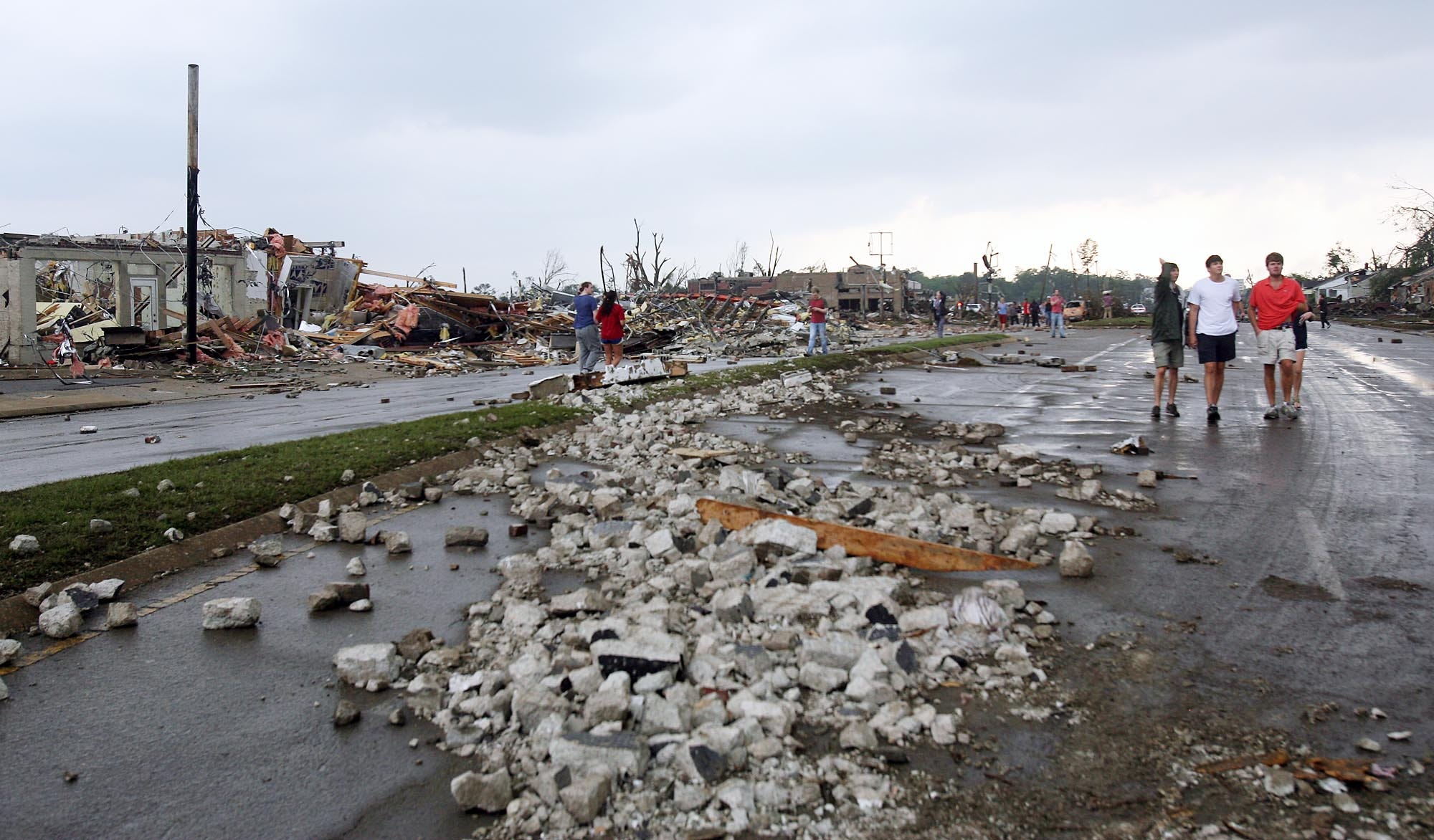
The 2011 tornado season—highlighted by the historic April 25–28 Super Outbreak—stands as one of the most violent and economically devastating severe weather events in modern meteorological history, producing over 350 tornadoes across the Southern, Midwestern, and Eastern United States and causing billions of dollars in catastrophic structural damage.
The year 2011 occupies a distinct and harrowing place in modern meteorological annals, defined by a convergence of extreme atmospheric conditions that generated record-breaking tornado activity across the United States. While the entire year experienced elevated storm counts, the spring months—most notably April and May—unleashed sequences of convective storms that tested the limits of emergency management, meteorological forecasting, and community resilience.
Understanding the 2011 tornado events requires examining the underlying atmospheric dynamics, reviewing the most catastrophic outbreaks, analyzing the societal and structural impacts, and evaluating the long-term advancements in severe weather forecasting and building practices that emerged in the aftermath.
Meteorological Context and Atmospheric Drivers of 2011
The extreme tornado activity of 2011 was not random; it was fueled by a potent combination of large-scale climate patterns and regional atmospheric ingredients that created ideal environments for tornadogenesis. To understand how these storms formed, it is necessary to examine the interaction between oceanic temperatures, jet stream dynamics, and local thermodynamic instability.
La Niña and Jet Stream Configurations
During the winter and spring of 2011, a persistent La Niña event was active in the equatorial Pacific Ocean. La Niña typically alters global weather patterns, frequently resulting in a southward displacement of the polar jet stream across North America during the spring months. This configuration fosters a strong, active subtropical jet stream that intersects with cold, dry air plunging southward from Canada and warm, moist air streaming northward from the Gulf of Mexico.
In April 2011, this setup became exceptionally pronounced. A series of deep upper-level troughs carved across the western United States, pumping intense mid-level winds—known as speed maxes or jet streaks—over the southern Plains and Mississippi Valley. These strong wind fields created tremendous vertical wind shear, a critical ingredient for severe weather. Wind shear changes speed and direction with height, causing updrafts within supercell thunderstorms to rotate.
Thermodynamic Instability and Moisture Return
In addition to wind shear, the atmosphere required high amounts of Convective Available Potential Energy (CAPE), commonly referred to as instability. Throughout April and May 2011, persistent southerly low-level winds transported unusually warm, humid air masses from the Gulf of Mexico far inland.
When this rich moisture pooled beneath dry, cooler air moving in from the elevated terrain of Mexico and the American Southwest, it created an extremely unstable air mass. As daytime heating warmed the surface, parcels of air accelerated rapidly upward when triggered by lifting mechanisms such as drylines, warm fronts, or cold fronts. This explosive upward motion formed classic supercell thunderstorms capable of producing long-track, violent tornadoes.
The Historic April 25–28 Super Outbreak
The defining event of the year—and one of the most significant weather disasters in United States history—was the Super Outbreak of April 25–28, 2011. Over these four days, a relentless sequence of severe weather systems generated 358 tornadoes across 21 states, with the heaviest concentrations striking Mississippi, Alabama, Tennessee, Georgia, and Virginia.
| Statistic Category | April 25–28 Super Outbreak Data |
|---|---|
| Total Tornadoes | 358 confirmed tornadoes |
| Fatalities | 324 deaths across six states |
| EF5 Tornadoes | 4 (Tuscaloosa–Birmingham, Hackleburg–Phil Campbell, Smithville, Itawamba County) |
| EF4 Tornadoes | 11 tornadoes |
| Total Economic Loss | Estimated over $10.2 billion (2011 USD) |
The April 27 Peak: A Day of Extreme Violence
April 27, 2011, marked the pinnacle of the outbreak and one of the most prolific days of tornado production ever recorded, surpassing even the historic April 3–4, 1974 Super Outbreak. On this single day, 216 tornadoes touched down, driven by an exceptionally violent squall line and discrete supercells moving through an environment characterized by extreme wind shear and high helicity.
Several long-track, violent tornadoes carved paths of total destruction through populated areas and rural communities alike:
- Hackleburg–Phil Campbell (Alabama): Rated EF5, this monstrous tornado remained on the ground for over 130 miles, leveling entire neighborhoods, sweeping homes completely off their foundations, and causing 72 fatalities.
- Tuscaloosa–Birmingham (Alabama): Also rated EF5, this destructive wedge tornado tracked directly through densely populated residential and commercial sectors of Tuscaloosa before moving into the western suburbs of Birmingham. The daylight event was broadcast live on television and news helicopters, capturing its immense size and destructive power as it killed 64 people.
- Smithville (Mississippi): This rare EF5 tornado demonstrated extreme ground scour, ripping up municipal infrastructure, throwing heavy vehicles hundreds of yards, and completely obliterating well-constructed brick homes.
Other Notable Outbreaks in 2011
While the April Super Outbreak remains the most infamous, 2011 featured several other catastrophic events:
- The Joplin, Missouri Tornado (May 22, 2011): Striking late on a Sunday afternoon, an EF5 tornado tracked directly through the heart of Joplin. With winds exceeding 200 mph, the tornado destroyed approximately one-third of the city, including St. John's Regional Medical Center. It resulted in 158 fatalities, making it the single deadliest individual tornado in the United States since modern record-keeping began in 1950.
- The Super Tuesday Outbreak (February 28–March 1, 2011): Though occurring earlier in the year, this outbreak produced significant tornadoes across the Southeast, foreshadowing the active season to come.
- The Memorial Day Weekend Outbreak (May 22–27, 2011): Occurring simultaneously with and immediately following the Joplin disaster, this multi-day event produced hundreds of additional tornadoes across the Midwest and Plains.
Societal Impacts, Infrastructure Vulnerability, and Casualties
The human and economic toll of the 2011 tornado season forced emergency managers, urban planners, and structural engineers to re-evaluate how communities prepare for and withstand severe weather.
Fatalities and Demographics
In 2011, a total of 553 people died from tornadoes in the United States, making it the deadliest tornado year since 1925. An analysis of these fatalities revealed several recurring vulnerabilities:
- Mobile and Manufactured Homes: A disproportionate number of fatalities occurred in manufactured or mobile homes, which generally lack the structural anchoring required to withstand even moderate EF1 or EF2 winds.
- Nighttime Tornadoes: Many tornadoes in 2011 occurred during the overnight hours when residents were asleep and unable to see approaching storms or hear standard outdoor siren systems.
- Shelter Access: In densely populated urban areas like Tuscaloosa and Joplin, many older commercial buildings and residential structures lacked designated, reinforced interior safe rooms or subterranean basements.
Economic and Structural Devastation
The cumulative economic impact of the 2011 tornado season exceeded $25 billion, driven by massive property damage, business interruption, and infrastructure loss. Power grids suffered catastrophic failures; in Alabama alone, millions of people lost electrical service, some for over a week, complicating rescue and recovery operations.
Insurance markets faced unprecedented claims volumes, leading to premium adjustments and increased scrutiny on building codes, especially regarding roof-to-wall connections and commercial structural integrity.
Technological and Operational Advancements Post-2011
The profound tragedy of the 2011 season served as a major catalyst for advancements in meteorological research, warning dissemination, and emergency preparedness. Agencies such as the National Weather Service (NWS), the Federal Emergency Management Agency (FEMA), and academic institutions implemented significant operational changes.
Radar Technology and Dual-Polarization Upgrades
At the time of the 2011 outbreaks, the National Weather Service was in the process of upgrading its WSR-88D radar network to dual-polarization technology. Dual-pol radar sends both horizontal and vertical pulses of energy, allowing meteorologists to see the shape and size of targets in the atmosphere.
Post-2011 integration of dual-pol enabled forecasters to detect "debris balls"—signatures of lofted structural debris, insulation, and vegetation—within a tornadic supercell in real time. This capability provided definitive confirmation that a tornado was actively producing damage, reducing false alarms and increasing confidence in high-end warnings.
Warning Lead Times and Communication Strategies
The NWS evaluated how warnings were communicated to the public. Recognizing that traditional text-based warnings often failed to convey urgency, the agency introduced impact-based warnings (IBWs) in subsequent years. IBWs use clear, concise phrasing that highlights specific threats, such as "destructive wind of 100+ mph" or "catastrophic damage," prompting more immediate protective action.
Furthermore, the widespread adoption of smartphones led to the implementation of Wireless Emergency Alerts (WEA). This system pushes life-threatening warning messages directly to mobile devices within targeted polygon areas, bypassing the need for individuals to actively monitor weather broadcasts or outdoor sirens.
Building Codes and Safe Room Construction
Engineering studies conducted in the wake of the 2011 EF5 tornadoes reshaped building safety guidelines. Organizations like the Federal Alliance for Safe Homes (FLASH) and the International Code Council (ICC) emphasized the integration of FEMA P-320 and P-361 standards for safe rooms and storm shelters.
Communities across the tornado-prone regions of the South and Midwest began prioritizing the construction of community safe rooms in schools, public parks, and commercial developments, while homeowners increasingly invested in prefabricated steel or concrete underground shelters.
Frequently Asked Questions
What made the 2011 tornado season so destructive?
The 2011 season was exceptionally destructive due to a combination of persistent La Niña conditions, an active jet stream, frequent incursions of warm and humid Gulf moisture, and strong vertical wind shear. These ingredients produced repeated, large-scale multi-day outbreaks that targeted populated regions in the South and Midwest with violent, long-track tornadoes.
How many EF5 tornadoes occurred during 2011?
A total of six tornadoes were rated EF5 during 2011: four during the April 25–28 Super Outbreak (Hackleburg–Phil Campbell, Tuscaloosa–Birmingham, Smithville, and Itawamba County), one in May (Joplin, Missouri), and one later in the season (Chickasha, Oklahoma, on May 24).
Why was the Joplin tornado so deadly?
The Joplin tornado was exceptionally deadly because it tracked directly through a densely populated, urbanized area during a late Sunday afternoon. It achieved maximum EF5 intensity, caught many people outdoors or in standard residential structures without basements, and moved rapidly through commercial districts.
How have tornado warnings improved since 2011?
Since 2011, severe weather forecasting has improved through the nationwide implementation of dual-polarization radar, the rollout of Wireless Emergency Alerts (WEA) on mobile phones, and the adoption of impact-based warnings that clearly communicate specific threats rather than generic alerts.
What is the best way to stay safe during a violent tornado?
The safest place during a violent tornado is a designated underground storm shelter, a FEMA-compliant safe room, or an interior room on the lowest floor of a sturdy, well-built structure away from windows. Mobile homes and vehicles are extremely unsafe during tornadoes and should be abandoned immediately for a sturdily built shelter.
Practical Next Actions and Preparedness Recommendations
Evaluating the lessons of the 2011 tornado season underscores the importance of proactive emergency preparedness for individuals and communities living in tornado-prone areas. Reviewing local risk profiles and establishing robust safety protocols can significantly reduce vulnerability.
- Identify Safe Shelter Locations: Determine the strongest shelter available in your home, workplace, or school before severe weather threatens. If you live in a mobile home, identify a nearby permanent building or community shelter.
- Establish Multiple Warning Sources: Rely on more than one method for receiving weather alerts, such as a NOAA Weather Radio with a battery backup, local broadcast media, and smartphone emergency alert notifications with location services enabled.
- Assemble an Emergency Supply Kit: Prepare a portable kit containing essential items including potable water, non-perishable food, first aid supplies, flashlights, extra batteries, sturdy shoes, and medications.
- Create a Family Communication Plan: Designate an out-of-town contact person and establish a clear protocol for how family members will check in and reunite if a disaster disrupts local communication networks.