The year 2015 marked a monumental turning point for the global film industry, characterized by unprecedented box office milestones, the massive resurgence of legacy intellectual properties, and a fascinating tension between sweeping studio blockbusters and independent artistic visions. Rather than being defined by a single stylistic movement, 2015 cinema showcased a rapidly shifting media landscape where digital distribution began challenging traditional theatrical windows, franchises solidified their dominance, and international markets emerged as critical arbiters of financial success.
The Blockbuster Resurgence: Nostalgia, Franchises, and Box Office Records
The box office in 2015 demonstrated the immense commercial power of legacy sequels and long-dormant intellectual properties. Studios leaned heavily into nostalgia, reviving franchises that had defined previous decades and introducing them to a new generation of moviegoers. This strategy paid off on a historic scale, pushing global box office revenues to record highs.
At the forefront of this movement was Star Wars: The Force Awakens, directed by J.J. Abrams. Released in December 2015, the film shattered opening weekend records and ultimately grossed over two billion dollars worldwide. By seamlessly blending original trilogy heritage characters—such as Han Solo, Leia Organa, and Luke Skywalker—with a fresh, diverse new cast, the production established a blueprint for modern franchise revival.
Simultaneously, Universal Pictures dominated the box office calendar with a diverse powerhouse slate. Jurassic World, directed by Colin Trevorrow, capitalized on 22 years of audience anticipation to become one of the highest-grossing films in history. Meanwhile, Furious 7 proved the enduring appeal of high-octane action while serving as a poignant emotional farewell to the late Paul Walker. The superhero genre also continued its relentless expansion; Marvel Studios released Avengers: Age of Ultron, while 20th Century Fox found massive, unexpected success with Kingsman: The Secret Service, a stylish, subversive take on the spy genre.
Auteur Visions and Prestige Cinema
While commercial blockbusters dominated multiplexes, 2015 was equally notable for daring auteur-driven projects, mid-budget prestige dramas, and provocative international releases. Filmmakers working within both studio systems and independent financing models pushed narrative and visual boundaries, resulting in some of the decade's most critically acclaimed works.
George Miller’s Mad Max: Fury Road emerged as a critical darling and a technical tour de force, later winning six Academy Awards. Eschewing heavy reliance on computer-generated imagery in favor of practical stunts, real-world desert locations, and kinetic choreography, Miller crafted a post-apocalyptic chase film that doubles as a masterclass in visual storytelling.
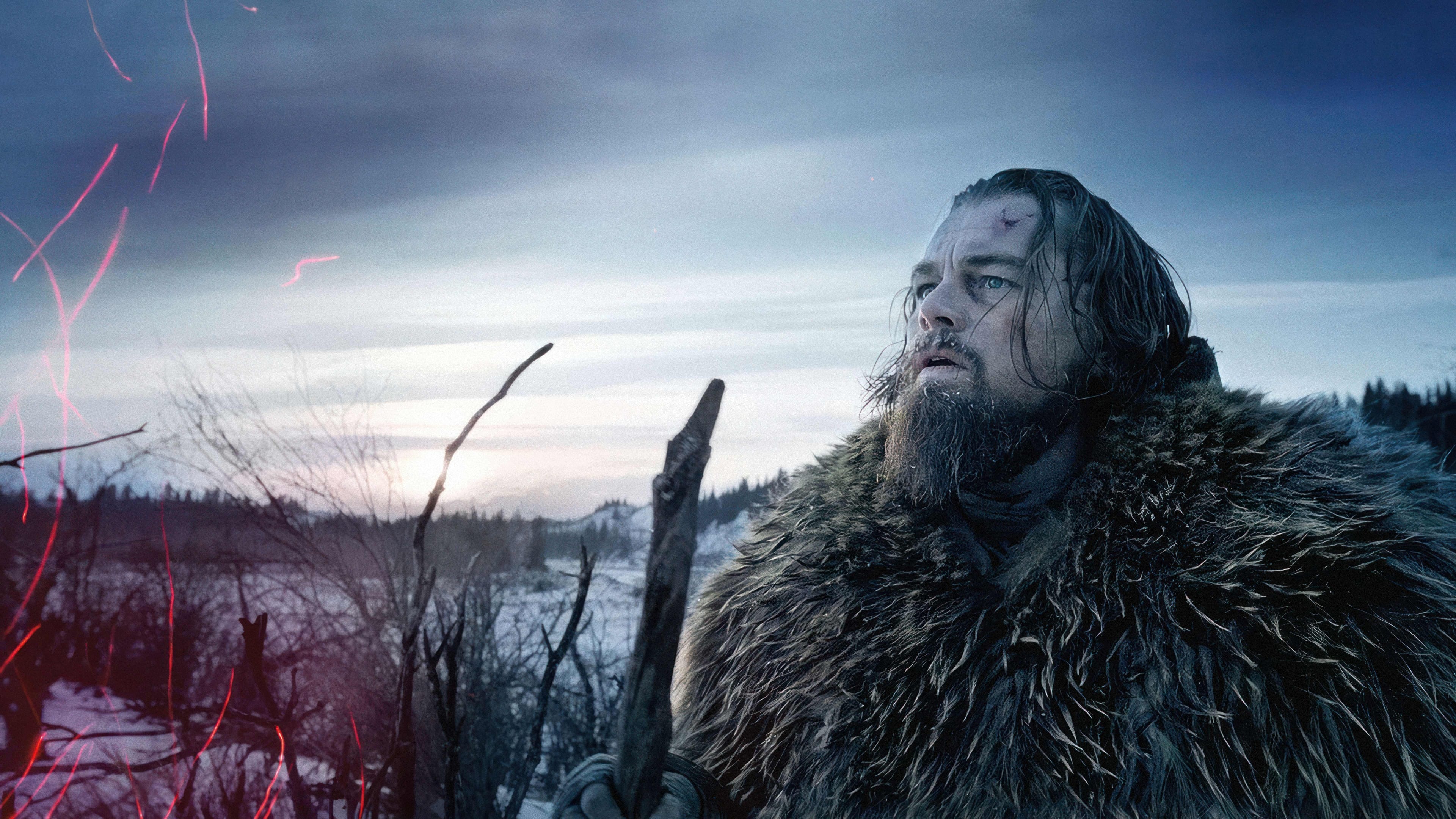
In the realm of independent and mid-budget cinema, A24 solidified its reputation as a premier distributor of elevated genre and arthouse films with the release of Alex Garland’s Ex Machina and Lenny Abrahamson’s Room. Both films explored intense psychological confinement and ethical dilemmas, earning critical acclaim and Academy Award recognition. Additionally, historical and biographical dramas such as Spotlight (which won Best Picture), The Revenant, and Bridge of Spies anchored the theatrical landscape, proving that mature storytelling for adult audiences still held vital cultural and commercial weight.
Key Critical and Commercial Releases of 2015
| Film Title | Director | Primary Genre | Major Accolades / Significance |
|---|---|---|---|
| Star Wars: The Force Awakens | J.J. Abrams | Sci-Fi / Action | Highest-grossing domestic release of all time upon its run; revitalized a multi-billion-dollar space opera franchise. |
| Mad Max: Fury Road | George Miller | Action / Sci-Fi | Won 6 Academy Awards; widely cited by critics as one of the greatest action films ever made. |
| Spotlight | Tom McCarthy | Drama / Thriller | Won Academy Award for Best Picture; praised for its rigorous, grounded depiction of investigative journalism. |
| The Revenant | Alejandro G. Iñárritu | Adventure / Western | Won 3 Academy Awards, including Best Actor for Leonardo DiCaprio and Best Cinematography for Emmanuel Lubezki. |
| Ex Machina | Alex Garland | Sci-Fi / Thriller | Won Academy Award for Best Visual Effects; explored the philosophical implications of artificial intelligence. |
Technological Shifts and Distribution Evolution
Behind the scenes, 2015 accelerated the transition from traditional photochemical film stock to digital capture and projection. While a dedicated faction of filmmakers—including Quentin Tarantino (The Hateful Eight) and Christopher Nolan—vocalized passionate defenses for celluloid, the exhibition industry completed its near-total migration to digital cinema packages (DCPs). This shift drastically lowered distribution costs for independent filmmakers while transforming the logistical nature of global theatrical rollouts.
Concurrently, subscription streaming services began shifting from supplementary viewing platforms to primary production and distribution hubs. Companies like Netflix and Amazon Studios increased their investments in original feature films, signaling an impending disruption of the traditional theatrical window. Films such as Netflix's Beasts of No Nation, directed by Cary Joji Fukunaga, premiered simultaneously on streaming and in select theaters, sparking intense industry-wide debates about the future of cinema exhibition models.
Representation, Diversity, and Cultural Impact
The cultural conversation surrounding cinema in 2015 was heavily influenced by questions of representation and industry inclusivity. The #OscarsSoWhite movement, which gained widespread momentum following the announcement of the 88th Academy Award nominations, exposed deep-seated systemic biases in how mainstream Hollywood recognized talent. This scrutiny forced studios, casting directors, and guilds to confront long-standing homogeneity in major studio productions.
Despite these industry hurdles, several 2015 releases made significant strides in diverse storytelling and representation. Straight Outta Compton, directed by F. Gary Gray, became a cultural touchstone and a massive financial success, chronicling the rise and impact of the hip-hop group N.W.A. Furthermore, independent releases and international film festivals highlighted vital perspectives from marginalized creators, ensuring that the year's cinematic record extended far beyond traditional Hollywood formulas.
Frequently Asked Questions
What was the highest-grossing film worldwide in 2015?
Star Wars: The Force Awakens was the highest-grossing film globally in 2015, earning over two billion dollars at the worldwide box office. Its historic financial performance was driven by immense holiday-season demand, enthusiastic critical reception, and multi-generational audience appeal.
Which film won the Academy Award for Best Picture for films released in 2015?
Spotlight, directed by Tom McCarthy and starring Michael Keaton, Mark Ruffalo, and Rachel McAdams, won the Academy Award for Best Picture at the 88th Academy Awards ceremony held in early 2016. The film detailed the Boston Globe's investigative reporting on systemic institutional cover-ups.
Did 2015 mark a complete transition to digital filmmaking?
While the vast majority of commercial and independent films released in 2015 were shot and projected digitally, it was not a complete monopoly. A small, influential group of directors—most notably Quentin Tarantino, Christopher Nolan, and J.J. Abrams—continued to shoot on 35mm or 70mm film stock, preserving photochemical formats in high-profile releases.
How did streaming services impact the film industry in 2015?
In 2015, streaming platforms transitioned from being mere library archives for older movies to aggressive financiers and distributors of original feature films. Netflix's day-and-date release of Beasts of No Nation in theaters and online challenged traditional theatrical exclusivity windows and ignited ongoing debates among theater owners and studio executives.
What technical innovation defined the cinematography of 2015 blockbusters?
Cinematography in 2015 was heavily defined by the maturation of ultra-high-definition digital sensors and immersive large-format lenses, alongside an increased focus on natural lighting. Films like The Revenant utilized exclusively natural light to capture brutal wilderness environments, setting new standards for authentic, immersive visual world-building.
Conclusion and Legacy
The cinematic output of 2015 successfully balanced the commercial demands of massive studio franchises with the artistic integrity of bold independent storytelling. By redefining box office boundaries, accelerating digital distribution models, and sparking necessary cultural conversations regarding diversity, the films of this year laid the structural and creative foundation for the contemporary entertainment landscape. Reviewing this era reveals a pivotal industry adapting to rapid technological and social changes while retaining its foundational dedication to visual narrative.