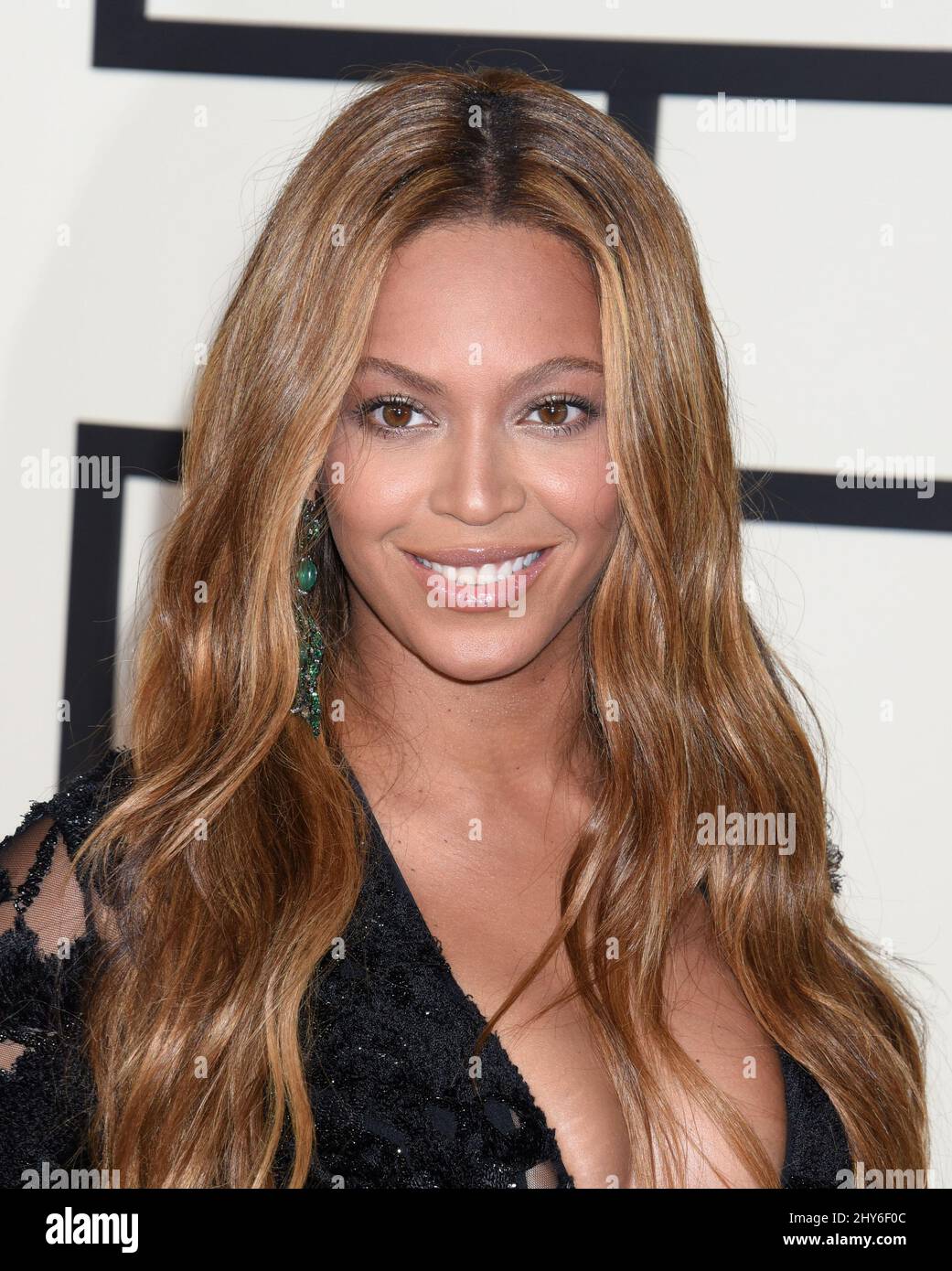
The 57th Annual Grammy Awards, held on February 8, 2015, at the Staples Center in Los Angeles, celebrated the pinnacle of recorded music achievements from the eligibility year, marked by major wins for Beck, Sam Smith, and Beyoncé, alongside memorable performances and cultural moments that defined the mid-2010s music landscape.
Overview and Background of the 57th Annual Grammy Awards
The 57th Annual Grammy Awards ceremony, produced by Ken Ehrlich and broadcast live on CBS, stood as a major milestone for the Recording Academy. Honoring works released between October 1, 2013, and September 4, 2014, the event brought together the biggest names in pop, rock, hip-hop, R&B, and country music. Nominations, announced in December 2014, set the stage for a competitive night where established superstars collided with groundbreaking independent artists.
The cultural context of 2015 was one of transition. The music industry was navigating the rapid shift from physical and digital downloads to streaming platforms, which influenced how consumption patterns translated into critical acclaim. Against this backdrop, the 2015 Grammys managed to balance commercial juggernauts with critically adored art-rock and soul projects. The ceremony was hosted by LL Cool J, marking his fourth consecutive year guiding the broadcast. His steady presence anchored a night that featured complex emotional performances, high-profile collaborations, and a few controversial outcomes that sparked debate among fans and critics alike.
Major Category Winners and Nominees
The general field categories—Album of the Year, Record of the Year, Song of the Year, and Best New Artist—captured the central narratives of the evening. The results produced both predictable triumphs and unexpected upsets that reverberated across the industry.
Album of the Year
The battle for Album of the Year featured a diverse slate of nominees:
- Beck – Morning Phase (Winner)
- Beyoncé – Beyoncé
- Ed Sheeran – x
- Sam Smith – In the Lonely Hour
- Pharrell Williams – G I R L
Beck’s victory for his lush, acoustic-driven rock record Morning Phase caught many observers off guard, particularly given the massive cultural footprint of Beyoncé’s self-titled visual album. However, the Recording Academy’s voting bloc historically favored sophisticated, traditional musicianship, propelling Beck to the top prize and earning comparisons to his contemporary peers in classic songwriting.
Record and Song of the Year
Sam Smith emerged as one of the night's biggest commercial and critical victors, dominating the pop categories.
- Record of the Year: "Stay with Me (Darkchild Version)" by Sam Smith won over Iggy Azalea featuring Charli XCX ("Fancy"), Sia ("Chandelier"), Taylor Swift ("Shake It Off"), and Meghan Trainor ("All About That Bass").
- Song of the Year: "Stay with Me" also secured the songwriting award for Sam Smith, James Napier, William Phillips, Tom Petty, and Jeff Lynne (the latter two credited due to compositional similarities to "I Won't Back Down").
Best New Artist
The Best New Artist category spotlighted breakout acts across genres:
- Sam Smith (Winner)
- Iggy Azalea
- Bastille
- Brandy Clark
- Haim
Sam Smith’s win cemented a dominant evening that also included trophies for Best Pop Vocal Album (In the Lonely Hour) and Best Pop Solo Performance.
Genre-Specific Highlights and Triumphs
Beyond the general categories, genre fields showcased deep talent and historic victories across rap, rock, country, and R&B.
In the rap categories, Kendrick Lamar claimed early wins before his subsequent career-defining sweeps in later years. His track "i" won Best Rap Performance and Best Rap Song, validating his position as a preeminent voice in modern hip-hop. Eminem continued his strong historical performance at the Grammys, taking home Best Rap Album for The Marshall Mathers LP 2.
In rock and alternative music, Paramore secured their first career Grammy win when "Ain't It Fun" won Best Rock Song. The Black Keys took home Best Rock Album for Turn Blue, while St. Vincent (Annie Clark) captured Best Alternative Music Album for her self-titled release, marking a rare and celebrated victory for a female solo artist in that historically male-dominated category.
Country music saw Miranda Lambert claim Best Country Album for Platinum, while Carrie Underwood won Best Country Solo Performance for "Something in the Water," reinforcing their status as pillars of contemporary mainstream country music.
| Category | Winner | Notable Nominees |
|---|---|---|
| Album of the Year | Beck – Morning Phase | Beyoncé (Beyoncé), Sam Smith (In the Lonely Hour) |
| Record of the Year | Sam Smith – "Stay with Me" | Sia ("Chandelier"), Taylor Swift ("Shake It Off") |
| Song of the Year | Sam Smith – "Stay with Me" | Sia ("Chandelier"), Meghan Trainor ("All About That Bass") |
| Best New Artist | Sam Smith | Iggy Azalea, Haim, Bastille |
| Best Rap Album | Eminem – The Marshall Mathers LP 2 | Iggy Azalea, Childish Gambino, Common |
| Best Rock Album | The Black Keys – Turn Blue | Ryan Adams, Beck, Tom Petty and the Heartbreakers |
Iconic Performances and Collaborative Moments
The live broadcast of the 57th Annual Grammy Awards relied heavily on unexpected pairings and high-concept stage production to captivate television audiences.
One of the most talked-about performances of the night paired veteran rocker Annie Lennox with soul sensation Hozier, followed by Lennox joining forces with pop star Katy Perry. AC/DC opened the ceremony with high-voltage renditions of "Rock or Bust" and "Highway to Hell," introducing classic rock energy to a contemporary broadcast audience.
Another major collaborative highlight featured pop icon Madonna delivering an energetic, matador-themed performance of her single "Living for Love," surrounded by elaborate choreography and masked dancers. Meanwhile, Sam Smith and Mary J. Blige delivered a powerful, stripped-down vocal performance of "Stay with Me" that underscored Smith's vocal prowess.
The evening closed with a sprawling, star-studded tribute to the music of the film Selma, featuring Common and John Legend performing their Oscar-winning anthem "Glory." Their emotionally resonant performance brought the audience to its feet and provided one of the most culturally significant television moments of the year.
Controversies and Critical Reception
Like many Grammy ceremonies, the 2015 telecast generated substantial post-show discussion regarding artistic recognition, genre representation, and voting integrity.
The most prominent controversy arose during Beck's acceptance speech for Album of the Year, when Kanye West briefly walked onto the stage in a playful nod to his infamous 2009 MTV Video Music Awards incident with Taylor Swift. While West later clarified in interviews that his protest stemmed from a belief that artistry and recognition should have gone to Beyoncé, the moment ignited widespread debate across media outlets about racial bias within the Recording Academy's voting structure. Critics argued that Black artists were routinely relegated to genre-specific urban categories rather than being recognized in the top general field races.
Additionally, the shutout of certain commercial heavyweights, such as Taylor Swift (whose 1989 era was unfolding at the time, though competing primarily in later cycles) and Ed Sheeran, sparked discussions about how academy voters weighed traditional musicianship against commercial dominance and streaming metrics.
Legacy and Impact on Future Ceremonies
Looking back from the vantage point of 2026, the 2015 Grammys occupy a fascinating transitional chapter in the history of popular music and industry awards.
The ceremony highlighted a period when traditional album craftsmanship still held supreme power among elderly and institutional voting blocks, even as streaming began to fundamentally alter how music was distributed and consumed. The debates sparked by the 2015 results directly influenced subsequent structural reforms within the Recording Academy. In the years following, the Academy expanded the size and diversity of its voting membership, eventually increasing the nominees in the general field categories from five to eight (and later ten) to prevent major genres or artists from being shut out.
The victories of artists like Beck and St. Vincent also underscored how critical acclaim within indie and alternative circles could triumph over massive pop and R&B commercial machines—a dynamic that continues to shape how music critics and historians evaluate the prestige of a Grammy win.
Frequently Asked Questions
Who won Album of the Year at the 2015 Grammys?
Beck won Album of the Year at the 57th Annual Grammy Awards for his twelfth studio album, Morning Phase. The victory surprised many viewers who anticipated a win for Beyoncé's self-titled visual album or Sam Smith's In the Lonely Hour.
How many Grammys did Sam Smith win in 2015?
Sam Smith won four Grammy Awards out of six nominations: Record of the Year, Song of the Year, Best New Artist, and Best Pop Vocal Album. Their emotional hit single "Stay with Me" drove much of this commercial and critical success.
Who hosted the 57th Annual Grammy Awards?
Actor and rapper LL Cool J hosted the 2015 Grammy Awards. This marked his fourth consecutive year serving as the master of ceremonies for the live CBS broadcast from the Staples Center in Los Angeles.
What were the major controversies from the 2015 Grammys?
The primary controversy involved Kanye West staging a mock interruption during Beck's Album of the Year acceptance speech. Though framed playfully on stage, West later criticized the Academy for overlooking Beyoncé, sparking broader industry debates about racial representation and voting biases.
Which rock and alternative artists were recognized in 2015?
The Black Keys won Best Rock Album for Turn Blue, Paramore won Best Rock Song for "Ain't It Fun," and St. Vincent won Best Alternative Music Album for her self-titled release, marking notable victories for rock-oriented acts.
Conclusion and Further Historical Context
The 57th Annual Grammy Awards remain a complex cultural snapshot of the mid-2010s music industry. By honoring traditional craftsmanship alongside explosive pop breakthroughs, the ceremony captured the tensions of a rapidly evolving medium. Reviewing the winners, performances, and debates of that night provides valuable insight into how artistic value was measured during a pivotal era of music history.