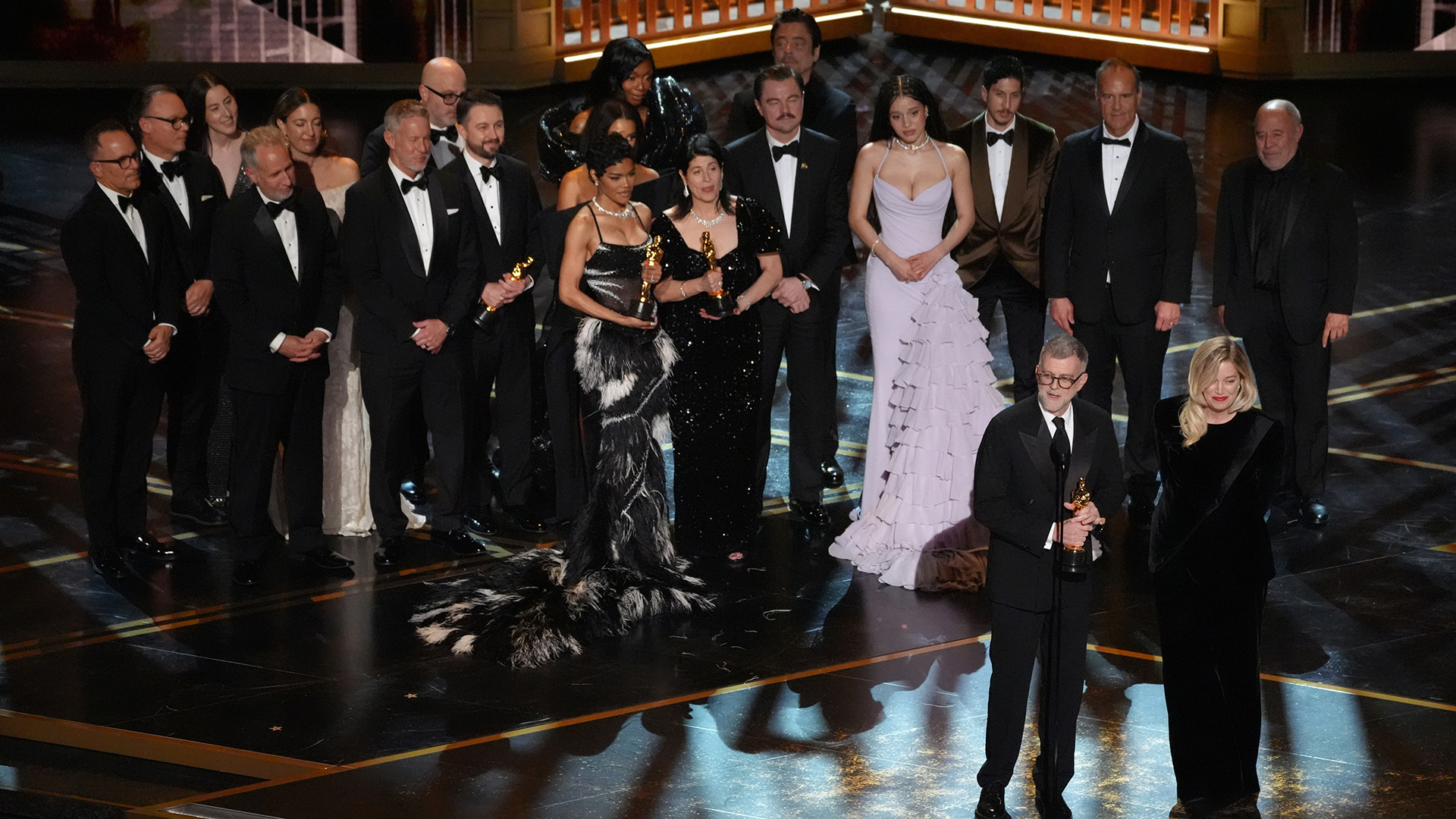
The 26th Academy Awards, held on March 25, 1954, celebrated the cinematic achievements of 1953 and remains one of the most significant ceremonies in film history. The evening was dominated by the military drama From Here to Eternity, which secured eight wins, including Best Picture. Iconic figures like Audrey Hepburn and William Holden took home top acting honors, cementing their status as Hollywood legends.
Historical Significance of the 26th Academy Awards
The 26th Academy Awards occurred during a period of massive transition for the American film industry. In the early 1950s, Hollywood faced intense competition from the burgeoning medium of television. To entice audiences back into theaters, studios began experimenting with widescreen formats like CinemaScope and technicolor spectacles. However, the 1954 ceremony proved that intimate, character-driven dramas still held the most prestige within the Academy of Motion Picture Arts and Sciences (AMPAS).
This ceremony was unique because it was only the second time the Oscars were televised, reaching audiences across the United States and Canada via NBC. This technological leap changed how the public perceived film stars, transforming them from distant icons into household names. In 2026, as we look back through nearly a century of Academy history, the 26th ceremony stands out as a bridge between the Golden Age of Hollywood and the modern era of media.
The event was held simultaneously at the RKO Pantages Theatre in Hollywood and the NBC Century Theatre in New York City. This bicoastal arrangement was necessary to accommodate the heavy production schedules of actors working on both coasts, a logistical challenge that the Academy eventually phased out in favor of a single Los Angeles-based venue.
The Dominance of 'From Here to Eternity'
When discussing the 26th Oscars winners, the conversation inevitably centers on From Here to Eternity. Directed by Fred Zinnemann and produced by Buddy Adler, the film was an adaptation of James Jones's controversial novel about U.S. Army soldiers stationed in Hawaii just before the attack on Pearl Harbor.
A Sweep Across Major Categories
The film was nominated for 13 awards and won eight, tying the record at the time held by Gone with the Wind. Its victory in the Best Picture category was a testament to its critical and commercial success. The film’s ability to navigate the strict Hays Code—which regulated moral content in films—while maintaining the gritty emotional core of the novel was a significant achievement for Zinnemann and his team.
Directorial Mastery
Fred Zinnemann’s win for Best Director was a career-defining moment. Zinnemann was known for his meticulous preparation and his ability to extract nuanced performances from his cast. In From Here to Eternity, he balanced multiple intersecting storylines with a precision that became a blueprint for future ensemble dramas. His direction emphasized the psychological toll of military life, moving away from the more glorified depictions of war common in the previous decade.
Acting Excellence: Historic Wins for Hepburn and Holden
The 26th Academy Awards featured one of the most competitive fields for acting in the history of the ceremony. The winners in these categories were not only recognized for their specific roles but also for their enduring impact on the craft of acting.
Audrey Hepburn’s Breakout Success
The Best Actress award went to Audrey Hepburn for her role in Roman Holiday. This was Hepburn’s first major film role, and her win was considered a "star is born" moment. Playing a sheltered princess who escapes her handlers to explore Rome with an American journalist (played by Gregory Peck), Hepburn brought a blend of sophisticated grace and childlike wonder that captivated voters.
Her win was significant because it signaled a shift in the "ideal" Hollywood leading lady. Moving away from the more overtly voluptuous archetypes of the early 50s, Hepburn introduced a gamine, chic aesthetic that would influence fashion and film for decades. By the standards of 2026, her performance remains a masterclass in screen presence and comedic timing.
William Holden’s Gritty Performance
The race for Best Actor was particularly intense, with William Holden winning for his role as the cynical Sergeant Sefton in Stalag 17. Holden’s win was seen by some as an "overdue" recognition, as many felt he should have won years earlier for Sunset Boulevard.
In Stalag 17, directed by Billy Wilder, Holden played a prisoner of war who is suspected of being a mole for the German guards. His performance was characterized by a hard-boiled, unsentimental realism that contrasted sharply with the more traditional heroic leads of the era. This victory solidified Holden as one of the top box-office draws of the 1950s.
Supporting Performances and Career Revivals
The supporting categories at the 26th Oscars provided some of the night’s most emotional and culturally significant highlights, particularly regarding the career trajectory of Frank Sinatra.
Frank Sinatra’s Legendary Comeback
Frank Sinatra’s win for Best Supporting Actor for his role as Maggio in From Here to Eternity is often cited as the greatest comeback in Hollywood history. By the early 1950s, Sinatra’s singing career had stalled, and he was considered "washed up" by many industry insiders. He campaigned aggressively for the role of Maggio, even offering to work for a fraction of his usual salary.
His performance was a revelation. Sinatra shed his "crooner" persona to play a tragic, scrappy soldier with a vulnerability that few knew he possessed. The win revitalized his career, leading to a decade of major film roles and a massive resurgence in his music career.
Donna Reed’s Departure from Tradition
The Best Supporting Actress award was won by Donna Reed for her portrayal of Lorene in From Here to Eternity. This was a notable departure for Reed, who was primarily known for playing "girl next door" characters, such as Mary Hatch in It’s a Wonderful Life. In Zinnemann’s film, she played a woman working at a social club (a sanitized version of the novel’s prostitute character), demonstrating a dramatic range that surprised critics and the Academy alike.
Writing and Technical Achievements
The 26th Academy Awards also highlighted the technical evolution of the craft. In 1954, the Academy still maintained separate categories for Black-and-White and Color films in areas like Cinematography, Art Direction, and Costume Design.
Screenwriting Categories
The Academy recognized writing across three distinct categories during this era:
- Best Writing (Screenplay): Awarded to Daniel Taradash for From Here to Eternity. Taradash was praised for his ability to condense a massive, complex novel into a coherent and hard-hitting script.
- Best Writing (Story and Screenplay): Awarded to Charles Brackett, Walter Reisch, and Richard L. Breen for Titanic (1953). This category focused on original scripts not based on published material.
- Best Writing (Motion Picture Story): Awarded to Ian McLellan Hunter for Roman Holiday. Interestingly, it was later revealed that the story was actually written by the blacklisted writer Dalton Trumbo. In 1993, the Academy posthumously corrected the record, awarding Trumbo the Oscar.
Cinematography and Visuals
The award for Best Cinematography (Black-and-White) went to Burnett Guffey for From Here to Eternity. His work was essential in creating the stark, high-contrast look of the military base and the iconic beach scene involving Burt Lancaster and Deborah Kerr.
Conversely, the award for Best Cinematography (Color) was given to Loyal Griggs for the legendary Western Shane. Griggs utilized the vast landscapes of Wyoming to create a visual style that felt both epic and intimate, setting a high bar for the Western genre that remains influential in 2026.
The Complete List of 26th Oscar Winners
The following table provides the full list of winners for the 26th Academy Awards across all competitive categories.
| Category | Winner | Film |
|---|---|---|
| Best Picture | Buddy Adler, Producer | From Here to Eternity |
| Best Director | Fred Zinnemann | From Here to Eternity |
| Best Actor | William Holden | Stalag 17 |
| Best Actress | Audrey Hepburn | Roman Holiday |
| Best Supporting Actor | Frank Sinatra | From Here to Eternity |
| Best Supporting Actress | Donna Reed | From Here to Eternity |
| Best Screenplay | Daniel Taradash | From Here to Eternity |
| Best Story and Screenplay | Brackett, Reisch, and Breen | Titanic |
| Best Motion Picture Story | Dalton Trumbo (credited later) | Roman Holiday |
| Best Cinematography (B&W) | Burnett Guffey | From Here to Eternity |
| Best Cinematography (Color) | Loyal Griggs | Shane |
| Best Film Editing | William Lyon | From Here to Eternity |
| Best Art Direction (B&W) | Cedric Gibbons and Edward Carfagno | Julius Caesar |
| Best Art Direction (Color) | Lyle Wheeler and George Davis | The Robe |
| Best Costume Design (B&W) | Edith Head | Roman Holiday |
| Best Costume Design (Color) | Charles LeMaire and Emile Santiago | The Robe |
| Best Sound Recording | John P. Livadary | From Here to Eternity |
| Best Scoring of a Dramatic/Comedy | Bronislau Kaper | Lili |
| Best Scoring of a Musical | Alfred Newman | Call Me Madam |
| Best Original Song | Sammy Fain and Paul Francis Webster | "Secret Love" from Calamity Jane |
| Best Documentary Feature | Walt Disney, Producer | The Living Desert |
| Best Documentary Short | Walt Disney, Producer | The Alaskan Eskimo |
Legacy of the 1954 Winners in the Modern Era
As of 2026, the winners of the 26th Academy Awards are viewed as foundational pillars of the cinematic canon. From Here to Eternity is frequently studied in film schools for its editing and screenplay structure. The Library of Congress has preserved several of the 1954 winners in the National Film Registry for being "culturally, historically, or aesthetically significant."
The 26th ceremony also marked the peak of the Academy's "separate but equal" treatment of Black-and-White and Color films. As color film stock became the industry standard throughout the 1950s and 60s, these separate categories were eventually merged. Looking back from 2026, the distinction highlights a unique moment in technical history where the two mediums were judged on their own specific merits.
Furthermore, the 1954 Oscars established the "prestige drama" as the Academy's preferred genre, a trend that has persisted with varying intensity for over 70 years. While the 2026 film landscape is dominated by immersive virtual reality and AI-integrated narratives, the core human emotions captured by the 26th Oscar winners—love, betrayal, duty, and resilience—continue to resonate with audiences globally.
Frequently Asked Questions
Which film had the most nominations at the 26th Academy Awards? From Here to Eternity led the field with 13 nominations. It was followed closely by Roman Holiday with 10 nominations and Lili with 6. The high number of nominations for From Here to Eternity correctly predicted its eventual sweep of the major categories.
Who was the host of the 26th Oscars? The 26th Oscars featured a dual-hosting arrangement. Fredric March hosted from the RKO Pantages Theatre in Hollywood, while Donald O'Connor co-hosted from the NBC Century Theatre in New York City. This was part of a broader effort to showcase the bicoastal nature of the industry at the time.
Was the 26th Academy Awards broadcast on television? Yes, the 26th Academy Awards was the second Oscar ceremony ever to be televised. It was broadcast on the NBC network on March 25, 1954. This television broadcast was instrumental in increasing the Academy Awards' popularity among the general public.
Why did Audrey Hepburn win Best Actress for her debut role? Audrey Hepburn’s win for Roman Holiday was attributed to her transformative screen presence and the film's massive critical success. While it was her first major starring role in a Hollywood production, her background in theater and her unique "European" charm offered a fresh alternative to the established stars of the era, which deeply impressed the Academy voters.
What was the significance of Walt Disney’s wins at the 26th Oscars? Walt Disney won four Academy Awards at the 26th ceremony, a record for the most Oscars won by a single individual in a single year. His wins were for The Living Desert (Documentary Feature), The Alaskan Eskimo (Documentary Short), Toot, Whistle, Plunk and Boom (Short Subject - Cartoon), and Bear Country (Short Subject - Two-reel).
Practical Recommendation for Film Enthusiasts
To fully appreciate the 26th Oscars winners, film students and enthusiasts should engage in a comparative viewing of From Here to Eternity and Roman Holiday. These two films represent the dual nature of 1953 cinema: the gritty, realistic drama that tackled social taboos and the lighthearted, escapist romance that defined Hollywood glamour. In 2026, most of these winners are available in high-definition 8K restorations through major streaming platforms and the Academy Museum of Motion Pictures archives. Reviewing the cinematography of Loyal Griggs in Shane also provides essential context for the development of visual storytelling in the American Western.