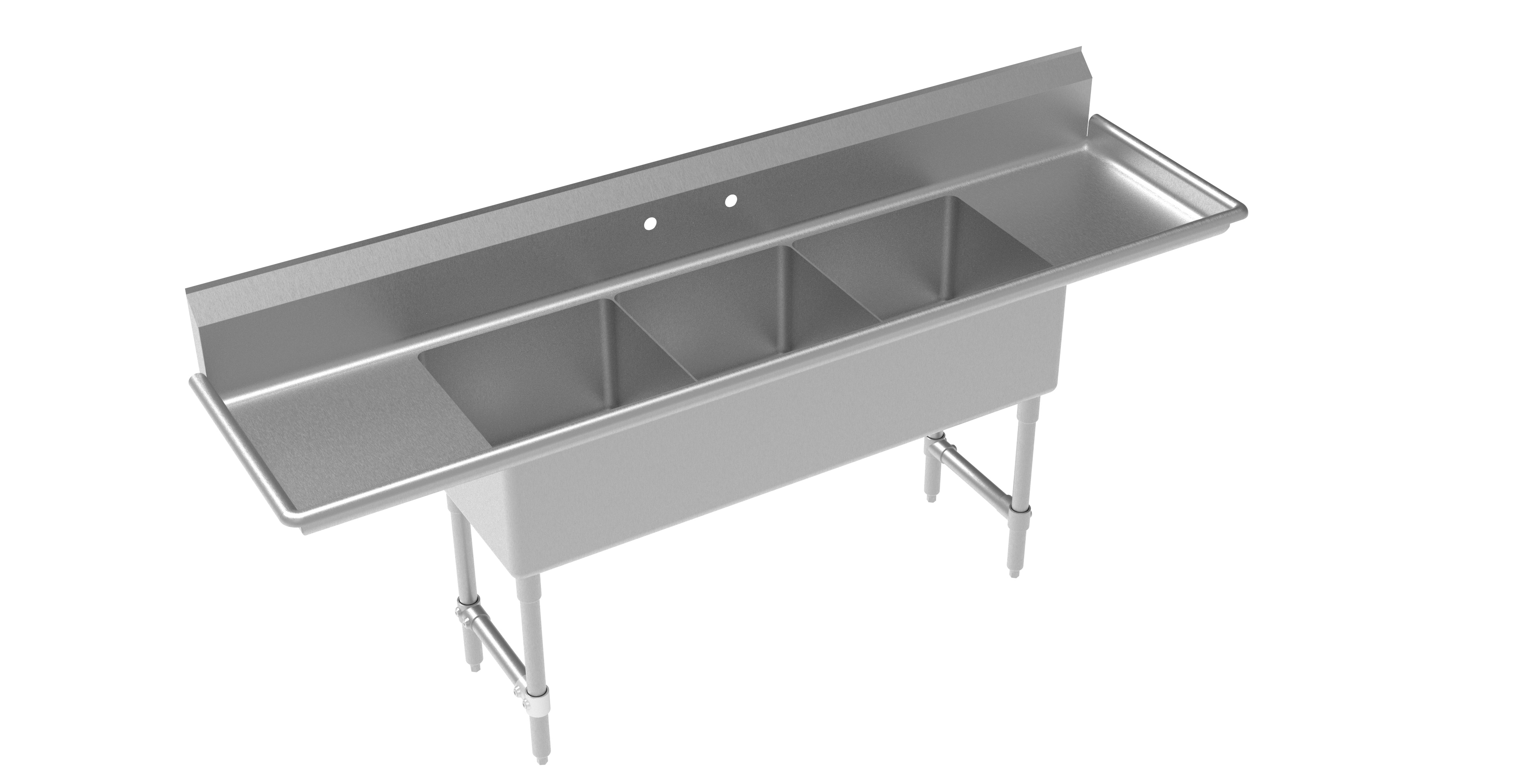
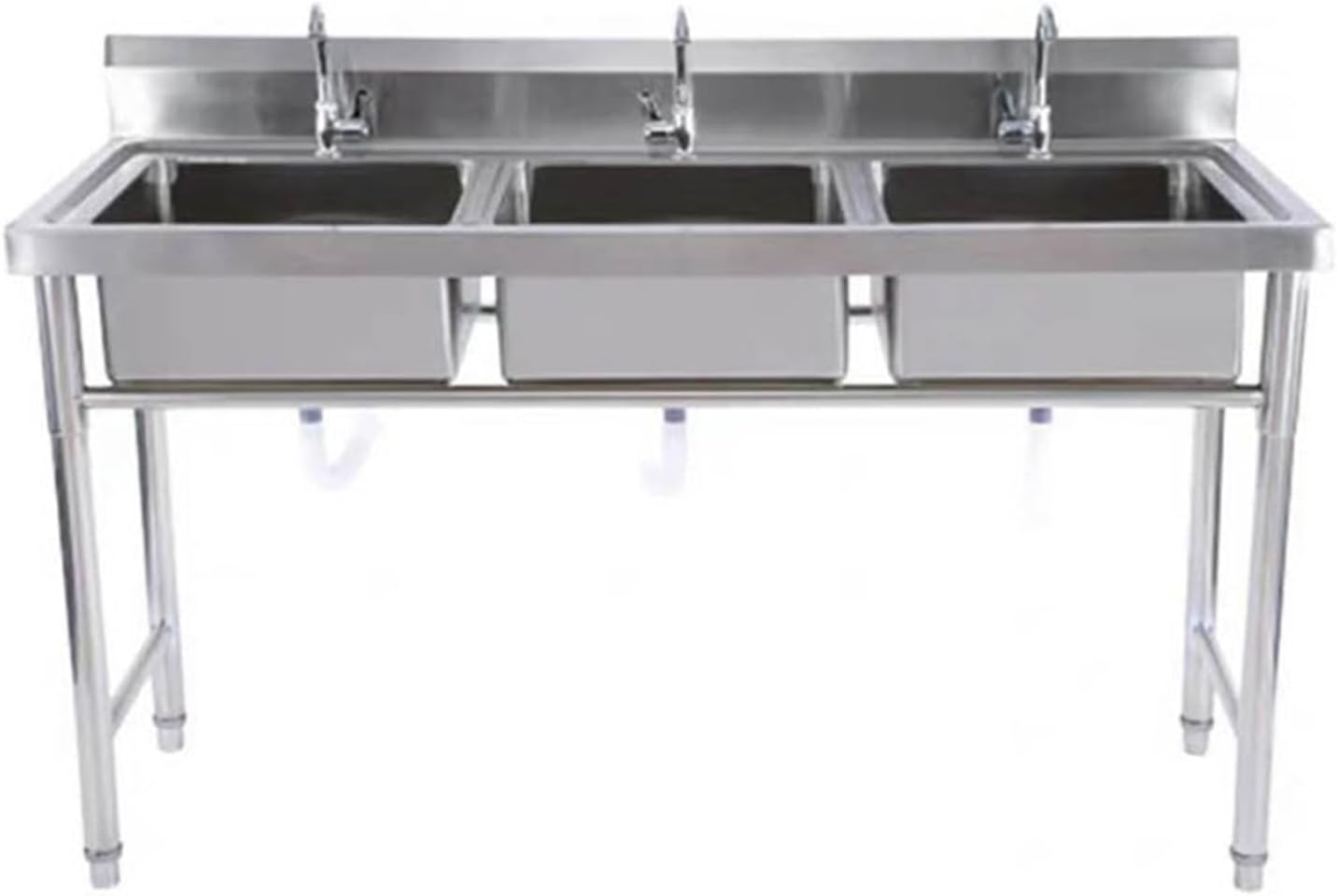
A 3-compartment sink is a specialized piece of commercial plumbing equipment designed to facilitate a manual three-step cleaning process: washing, rinsing, and sanitizing. It is a mandatory requirement in most food service jurisdictions to ensure that multi-use utensils, pots, and pans are chemically or thermally treated to eliminate pathogenic microorganisms before being returned to service.
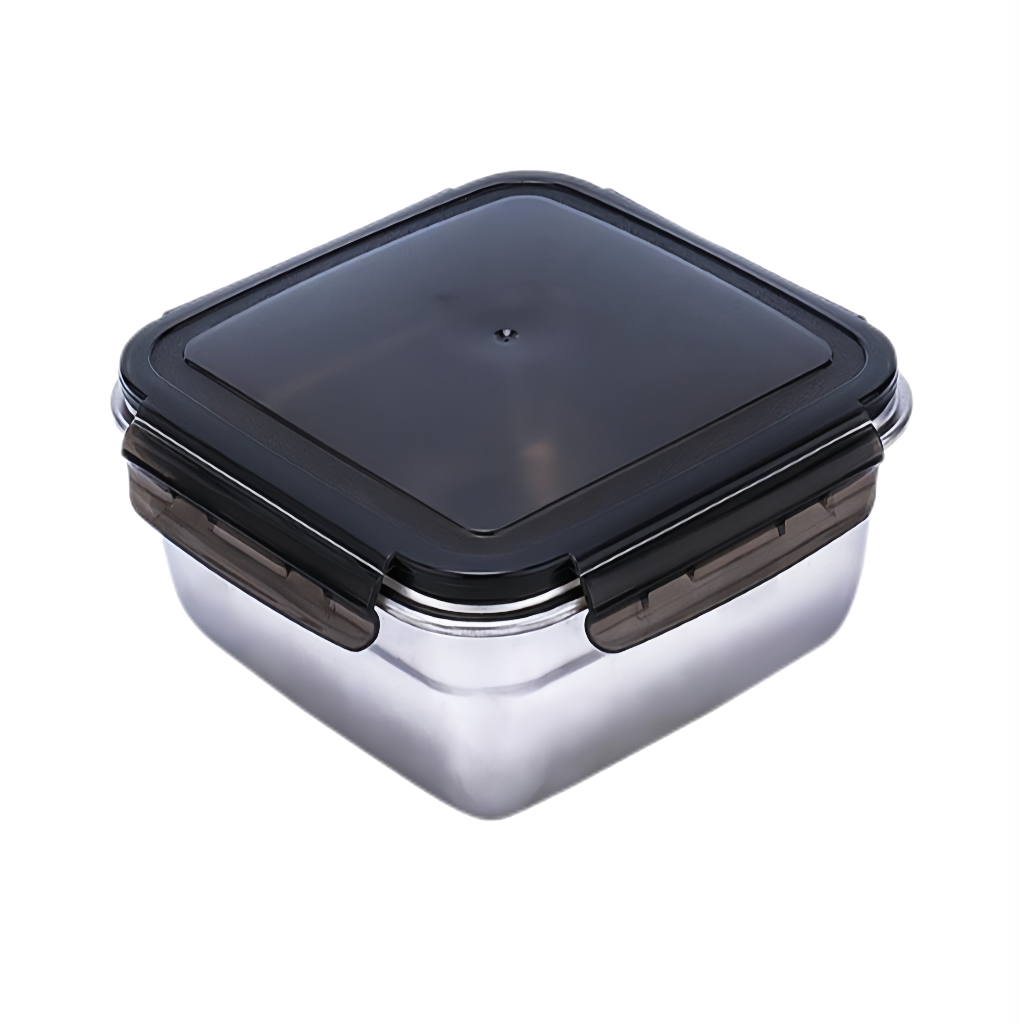
While the term "3 compartment" can occasionally refer to meal-prep containers or storage organizers, in a professional and regulatory context, it almost exclusively identifies the three-basin sink system used in commercial kitchens, laboratories, and healthcare facilities. These systems are governed by strict health codes and engineering standards to prevent cross-contamination and ensure public safety. As we navigate the regulatory landscape of 2026, the 3-compartment sink remains the ultimate failsafe for sanitation, even in facilities equipped with high-temperature mechanical dishwashers.
The Engineering of a Professional 3-Compartment Sink
A professional-grade 3-compartment sink is more than just three basins joined together; it is a precision-engineered tool designed for durability and hygiene. Most units are constructed from Type 304 Stainless Steel, which contains high levels of chromium and nickel to resist corrosion from harsh sanitizing chemicals.
Material Gauges and Durability
In 2026, the standard for a high-volume kitchen remains 14-gauge or 16-gauge stainless steel. The "gauge" refers to the thickness of the metal; a lower number indicates a thicker, more durable material.
- 14-Gauge: Heavy-duty, ideal for high-volume pots and heavy cast iron. It resists denting and "oil-canning" (the popping sound thin metal makes under pressure).
- 16-Gauge: The industry standard for most commercial applications, offering a balance between cost and structural integrity.
- 18-Gauge: Typically found in lighter-duty environments or "economy" models. While functional, it is more prone to vibration and wear over time.
Design Features for Hygiene
To meet NSF International (formerly the National Sanitation Foundation) standards, these sinks must feature "coved" corners. This means the internal corners of the basins are rounded (usually with a 5/8-inch or 3/4-inch radius) rather than sharp 90-degree angles. Rounded corners prevent food particles and bacterial biofilm from accumulating in crevices that are difficult to scrub. Additionally, integrated drainboards—sloped surfaces on either side of the basins—are essential for managing the flow of soiled items and the air-drying of clean ones.
The Five-Step Manual Warewashing Process
The 3-compartment sink is the centerpiece of a five-step process mandated by the FDA Food Code. Understanding these steps is critical for compliance and safety.
1. Scrape and Pre-Rinse
Before any item touches the water in the first basin, it must be scraped to remove bulk food debris. Many 3-compartment setups include a pre-rinse spray valve located above or near the first sink. Removing fats, oils, and solids at this stage prevents the wash water from becoming prematurely "loaded" with organic matter, which neutralizes detergents.
2. Wash (Compartment One)
The first basin is filled with hot water and detergent. According to most health department guidelines, this water must be maintained at a minimum of 110°F (43°C). The detergent acts as a surfactant, breaking the surface tension of the water and emulsifying grease. It is vital to use brushes or abrasive pads that are specific to the type of ware being cleaned to avoid scratching surfaces where bacteria can hide.
3. Rinse (Compartment Two)
The second basin is filled with clean, plain water. This step is often overlooked but is scientifically critical. The rinse removes the "detergent load" from the item. If soap residue is carried into the third compartment, it can chemically neutralize the sanitizer, rendering the final step ineffective. The rinse water should be changed frequently to ensure it remains clear of suds.
4. Sanitize (Compartment Three)
The third basin is where the actual reduction of pathogens occurs. Items must be completely submerged in a sanitizing solution for a specific "contact time"—usually at least 30 seconds for chemical sanitizers. There are two primary methods used in 2026:
- Chemical Sanitizing: Using Chlorine, Quaternary Ammonium (Quats), or Iodine.
- Thermal Sanitizing: Using hot water maintained at 171°F (77°C) or higher. This usually requires a specialized "booster heater" to maintain the temperature safely.
5. Air Dry
The final step is perhaps the most strictly enforced by health inspectors: items must be placed on a clean drainboard to air dry. Towel drying is prohibited because towels can easily harbor and spread bacteria from one surface to another.
Chemical Concentration and Monitoring
For the 3-compartment sink to be effective, the chemical concentration in the third basin must be precise. If the concentration is too low, it won't kill bacteria; if it is too high, it can be toxic or leave a chemical residue on the dishes.
| Sanitizer Type | Required Concentration | Required Contact Time | Advantages |
|---|---|---|---|
| Chlorine (Bleach) | 50–100 ppm | 10 Seconds | Inexpensive, effective against many viruses. |
| Quaternary Ammonium | Usually 200 ppm | 30 Seconds | Non-corrosive, stable at higher temperatures. |
| Iodine | 12.5–25 ppm | 30 Seconds | Less irritating to skin, distinct color indicates presence. |
| Hot Water | N/A (171°F+) | 30 Seconds | No chemical residue, highly reliable. |
Establishments must provide specific test strips calibrated for the sanitizer being used. In 2026, many high-end 3-compartment sinks are equipped with digital monitoring probes that provide real-time readouts of parts per million (PPM) and temperature, though manual test strips remain the legal "gold standard" for health inspections.
Installation and Plumbing Requirements
Installing a 3-compartment sink involves specific plumbing codes, most notably the requirement for an indirect waste connection.
The Air Gap Requirement
A 3-compartment sink cannot be directly "hard-plumbed" into the sewage line. Instead, there must be a physical "air gap" between the sink's drain pipe and the floor sink or floor drain. This air gap prevents sewage from backing up into the basins in the event of a drain blockage. If the sewer lines fail, the waste will overflow onto the floor rather than contaminating the sink basins where food-contact items are handled.
Grease Trap Integration
In most jurisdictions, the effluent from the 3-compartment sink must pass through a grease trap (also known as a grease interceptor). Since the first basin contains fats and oils from washed dishes, the grease trap prevents these substances from entering the municipal sewer system, where they can cause "fatbergs" and blockages.
Faucet and Water Supply
Commercial sinks require heavy-duty faucets, often with 8-inch centers (the distance between the hot and cold water inlets). Swivel spouts are standard, allowing the operator to fill all three basins from a single faucet. In 2026, motion-activated or foot-pedal-controlled valves are increasingly common to improve ergonomics and reduce water waste.
Choosing the Right Size and Configuration
The dimensions of the sink basins should be dictated by the largest item you need to wash. If you frequently use 18"x26" sheet pans, your basins must be at least 20" to 24" wide to allow for full submersion.
- Standard Basin Sizes: Common sizes include 18"x18", 20"x20", and 24"x24".
- Depth: Most commercial basins are 12" to 14" deep.
- Overall Footprint: You must account for the length of the drainboards. A sink with two 24-inch drainboards and three 18-inch basins will require nearly 9 feet of wall space.
Regulatory Compliance and Certification
When purchasing or inspecting a 3-compartment sink, look for the NSF Mark. This certification ensures that the equipment meets strict standards for "cleanability," material safety, and performance. Without this mark, many local health departments will not approve the installation for a commercial food permit. Information on current standards can be verified through the NSF Official Listing.
Common Mistakes and Maintenance
Even the best equipment fails if it is not used correctly. The most common failures in 3-compartment sink management include:
- Improper Sequencing: Skipping the rinse step, which leads to "soap carryover" that kills the effectiveness of the sanitizer.
- Water Temperature Fluctuations: If the wash water drops below 110°F, grease will solidify on the dishes rather than being washed away.
- Cross-Contamination via Drainboards: Using the "clean" side drainboard to store dirty items or raw food.
- Failure to Clean the Sink: The sink itself must be cleaned and sanitized at least once every 24 hours, or whenever it becomes contaminated.
- Using the Sink for Handwashing: Most health codes strictly prohibit using a 3-compartment sink for handwashing. A dedicated handwashing station must be available within the immediate vicinity.
3-Compartment Sinks vs. Mechanical Dishwashers
While many modern kitchens use high-capacity dishwashers, the 3-compartment sink remains essential.
- Versatility: The sink can handle oversized items (like giant stockpots) that won't fit in a standard rack.
- Reliability: Unlike mechanical washers, a sink has no moving parts or electronic boards that can fail during a busy shift.
- Redundancy: Health departments usually require a functional 3-compartment sink as a backup even if the facility has a $20,000 conveyor-style dishwasher.
Frequently Asked Questions
Can I use a 2-compartment sink instead?
In most commercial food service settings, a 2-compartment sink is not allowed for dishwashing because it is impossible to wash, rinse, and sanitize simultaneously without cross-contamination. Some jurisdictions allow 2-compartment sinks only if the facility uses a "single-service" model (disposable plates/utensils) and only needs to wash a few small items.
Is a 3-compartment sink required for a bar?
Yes. Bars use 3-compartment sinks specifically designed for glassware. These are often shorter in height to fit under the bar counter and may include specialized brushes in the wash basin to scrub the interior of glasses.
How often should I change the water?
The water in all three basins should be changed as soon as it becomes visible dirty or "sudsy" (in the rinse basin), or when the temperature or chemical concentration falls outside the required range. At a minimum, this usually occurs every 2 to 4 hours during peak operation.
Do I need a permit to install a 3-compartment sink?
Yes. Because it involves both potable water and sewage, a plumbing permit is required. Additionally, the local health department must review the "plan check" to ensure the sink's location and specifications meet food safety codes.
What is the average cost of a 3-compartment sink in 2026?
A standard 16-gauge, NSF-certified stainless steel 3-compartment sink with drainboards typically ranges from $800 to $2,500, depending on size and features. Installation by a licensed plumber, including grease trap connection, can add another $1,500 to $4,000 to the total cost.
Final Recommendation
When setting up a professional kitchen or laboratory in 2026, prioritize a 14-gauge or 16-gauge 304 Stainless Steel unit with NSF certification. Ensure your staff is trained not just on the "Wash, Rinse, Sanitize" mantra, but on the technical specifics of contact time and chemical PPM. Regular verification with test strips and thermometers is the only way to guarantee that your "3 compartment" system is actually performing its intended role: protecting public health.