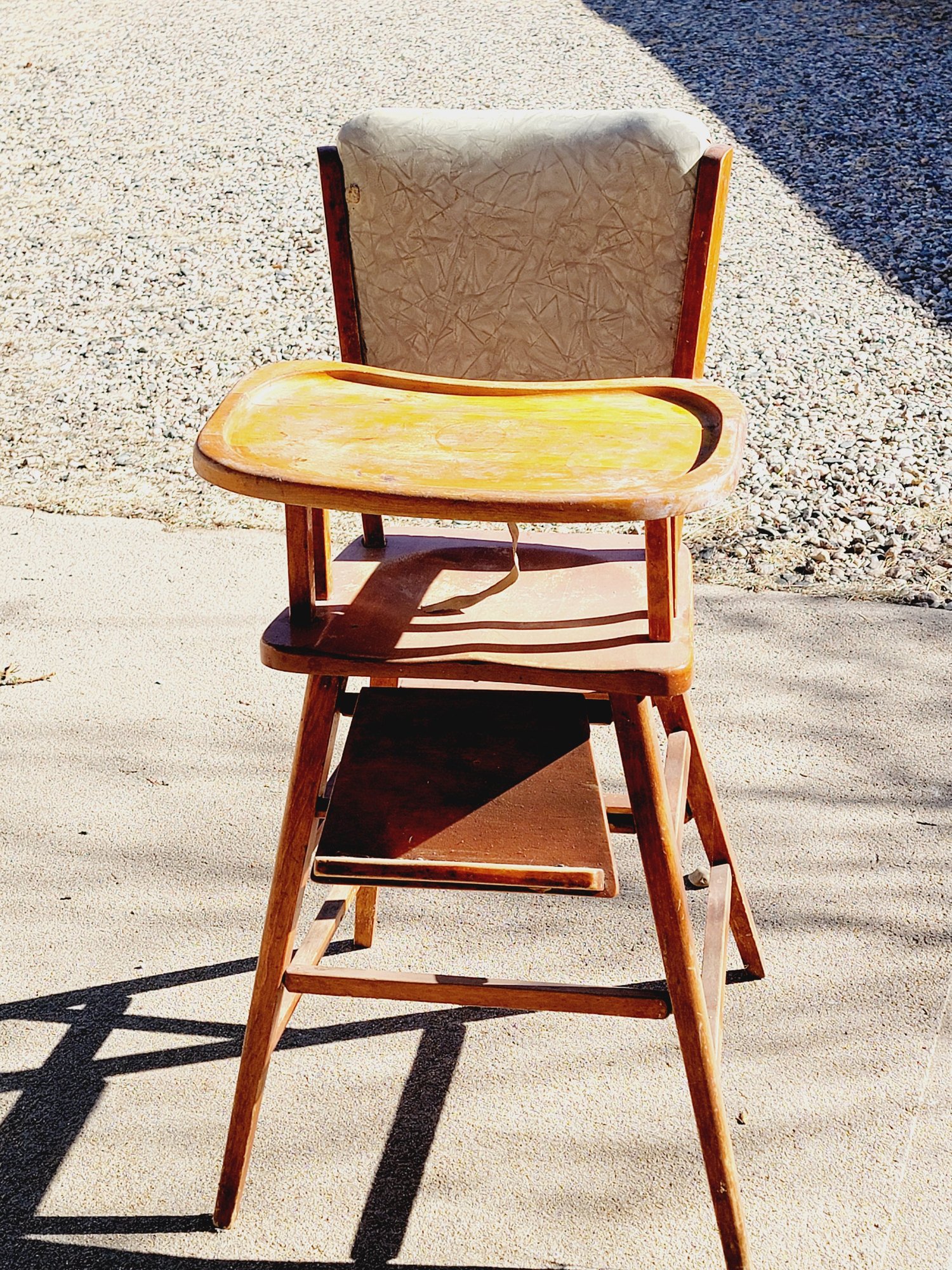
Reviving a 1980s high chair for modern use requires balancing nostalgic vintage aesthetics with strict contemporary child safety standards, as older wooden or folding models often lack modern crotch restraints, feature unsafe slat spacing, or contain lead-based paints.
Understanding the Appeal and Risks of 1980s High Chairs
The 1980s represented a distinct era in juvenile product manufacturing. Driven by a mix of traditional wooden craftsmanship and the early integration of mass-produced plastics and metal-tubing frames, high chairs from this decade are frequently sought after for their rustic charm, mid-century modern spillover designs, or distinctive pastel-colored cushions. Consumers often encounter these items at estate sales, antique shops, or through family hand-me-downs, drawn to the heavy-duty wood or folding convenience of brands popular during the Reagan era.
However, furniture safety regulations—particularly those governed by agencies such as the U.S. Consumer Product Safety Commission (CPSC) and international bodies like ASTM International—have evolved dramatically since the 1980s. A piece of nursery furniture that was considered compliant or acceptable forty years ago may present severe entrapment, fall, or chemical hazards by modern metrics. Evaluating a vintage high chair requires a meticulous inspection protocol to determine whether it can be safely restored, whether it should be modified with aftermarket hardware, or whether it is strictly better suited for decorative purposes.
Evolution of High Chair Safety Standards: 1980s vs. Today
To understand the risks associated with 1980s high chairs, one must examine how safety standards have shifted. Prior to the widespread adoption of rigorous mandatory standards in the late 1990s and 2000s (such as ASTM F404, the standard consumer safety specification for high chairs), manufacturing tolerances and mandatory safety features were significantly less comprehensive.
| Safety Feature | 1980s Standard Practice | Modern Requirement (ASTM F404 / CPSC) |
|---|---|---|
| Restraint Systems | Often featured only a simple waist strap or a passive crotch post attached to the tray. | Mandatory 3-point or 5-point harness system anchored independently of the tray. |
| Stability & Footprint | Narrow wooden legs or lightweight folding metal frames prone to tipping. | Wide-splayed legs and anti-tip stability testing requirements. |
| Slat and Opening Spacing | Openings between wooden slats or tray bars frequently exceeded 2.375 inches. | Strict dimensional limits to prevent infant head and torso entrapment. |
| Finishes and Coatings | Lead-based pigments were largely phased out by the late 1970s, but heavy metals and toxic varnishes were still common. | Strict limits on lead, phthalates, and volatile organic compounds (VOCs). |
| Tray Locking Mechanisms | Single-action latches that could be easily kicked or dislodged by an active toddler. | Dual-action locking mechanisms requiring deliberate simultaneous actions to release. |
As outlined in the comparison above, the most critical vulnerability of 1980s high chairs lies in their restraint systems and structural stability. Many models from this era relied heavily on the removable wooden or plastic tray to keep the child in place, lacking an independent harness attached directly to the seat frame. If a toddler manages to dislodge the tray or slip underneath it, the risk of a catastrophic forward fall increases substantially.
Step-by-Step Inspection Checklist for Vintage High Chairs
Before allowing an infant or toddler to sit in a 1980s high chair, a comprehensive structural and chemical audit must be performed. Do not rely on visual appeal alone; decades of storage, temperature fluctuations, and previous wear can compromise the structural integrity of wood and hardware.
1. Structural Stability and Frame Integrity
Examine the main load-bearing joints. If the high chair is made of wood (such as oak, pine, or beech), check for dried-out glue, loose dowels, or splitting at stress points.
- Shake the chair firmly from side to side and front to back. Excessive wobble indicates compromised joints that require professional disassembly, stripping, and re-gluing with modern wood adhesives.
- For metal-tubing folding high chairs from the 1980s, inspect the folding hinges and locking pins for rust, cracks, or bending. A compromised hinge can cause the chair to collapse unexpectedly under a moving child's weight.
2. Fastener and Hardware Audit
Original screws, bolts, and brackets from the 1980s often loosen over time.
- Replace all rusted, stripped, or bent metal fasteners with modern stainless steel equivalents of identical gauge and length.
- Ensure that no protruding bolt ends, sharp metal brackets, or exposed screw heads exist where a child's fingers, clothing, or skin could catch.
3. Slat Spacing and Entrapment Hazards
Measure the distance between any vertical wooden slats, backrest rungs, or the gap between the seat and the tray.
- If any opening exceeds 2.375 inches (6 cm), a baby or toddler's head or torso could slip through and become entrapped, creating a severe suffocation hazard. High chairs with wide slat spacing must not be used unless modified with solid backing panels.
4. Surface Coatings and Chemical Testing
Although the U.S. banned residential lead paint in 1978, many imported or specialty vintage wooden items from the early 1980s occasionally tested positive for residual heavy metals, or were coated in varnishes containing high levels of VOCs and plasticizers.
- Use an EPA-recognized lead test kit on all painted or stained surfaces, particularly on areas where a teething infant might mouth the wood.
- If the original finish is flaking, peeling, or failing lead tests, the chair must be completely stripped down to bare wood in a well-ventilated area using safe containment practices, then refinished with non-toxic, food-grade mineral oils, beeswax, or modern child-safe polyurethane.
Retrofitting and Upgrading for Modern Safety
If a 1980s high chair passes initial structural inspections and is deemed salvageable, integrating modern safety features is essential before putting it into active service. You should never rely solely on vintage hardware to protect a child.
Installing a Modern Restraint Harness
The single most important upgrade is the addition of a secure harness system.
- Procure a universal 3-point or 5-point safety harness kit designed for juvenile furniture.
- Securely anchor the harness straps directly into the solid wood of the seat back and base frame using heavy-duty hardware (such as T-nuts and machine screws), ensuring that the anchor points cannot be pulled free by a pulling toddler. Do not anchor straps solely to decorative cushions or thin plywood backings.
Padding and Cushions
Original vinyl or cloth cushions from the 1980s are frequently degraded, cracked, or infested with hidden mold and mildew from decades of storage.
- Discard original soft goods.
- Fabricate or purchase a clean, non-toxic, wipeable vinyl or washable cotton pad that fits the specific dimensions of the vintage seat without interfering with the new harness straps.
Pros and Cons of Using Vintage Nursery Furniture
Choosing to use a 1980s high chair involves weighing aesthetic and build-quality advantages against undeniable safety and convenience drawbacks.
Advantages
- Superior Hardwood Construction: Many 1980s wooden high chairs were built from dense, solid hardwoods rather than the particle board or thin molded plastics common in budget-friendly modern gear.
- Aesthetic Uniqueness: They offer a distinct mid-century or retro charm that complements specific interior design motifs.
- Sustainability: Reusing vintage furniture keeps items out of landfills and reduces the demand for new resource extraction.
Disadvantages
- Lack of Certifications: Vintage items do not carry current JPMA (Juvenile Products Manufacturers Association) certification or meet modern CPSC stability benchmarks.
- Ergonomic Limitations: Older designs often lack adjustable seat heights, multi-position reclines, and removable dishwasher-safe tray inserts, making cleanup significantly more labor-intensive.
- Maintenance Overhead: Ongoing monitoring for loose joints, degraded finishes, and worn hardware is required.
Frequently Asked Questions
Are 1980s wooden high chairs safe for daily use?
They can be made safer with significant retrofitting, but unmodified 1980s high chairs generally do not meet modern safety standards. They frequently lack independent harness systems, feature inadequate crotch restraints, and may have unsafe gap dimensions or degraded structural joints.
How do I check if a vintage high chair has lead paint?
You can use a surface lead test kit available at most hardware stores. Swab the painted or varnished surfaces according to the kit instructions. If the indicator changes color, indicating lead, the chair must either be professionally stripped and sealed or kept strictly as a decorative display piece.
Can I install a modern 5-point harness into an old wooden high chair?
Yes, you can install a universal harness by securely anchoring the straps directly into the solid wood frame using robust hardware like bolts and T-nuts. Ensure the attachment points are load-tested to withstand a forceful pull from a toddler.
What should I look for when buying a vintage high chair at a flea market?
Prioritize solid wood frames without deep cracks, check that all folding mechanisms or joints are stable, verify that the distance between slats is less than 2.375 inches, and inspect the overall condition to ensure you are willing to invest the time required for restoration and safety upgrades.
Is it better to use a vintage high chair just for decoration?
If the chair has unresolvable structural issues, wide slat entrapment hazards, or historical value that would be destroyed by safety modifications, using it strictly as a decorative heirloom or doll display is the safest and most prudent choice.
Final Recommendation
When considering a 1980s high chair, prioritize your child's physical safety above all aesthetic considerations. If you choose to restore and use a vintage wooden model, perform a rigorous structural audit, replace all questionable hardware, install an independently anchored 5-point harness, verify that slat spacing prevents entrapment, and use non-toxic finishes. If these modifications cannot be reliably achieved, retire the piece to a non-functional decorative role and invest in a modern, certified high chair for daily feeding use.