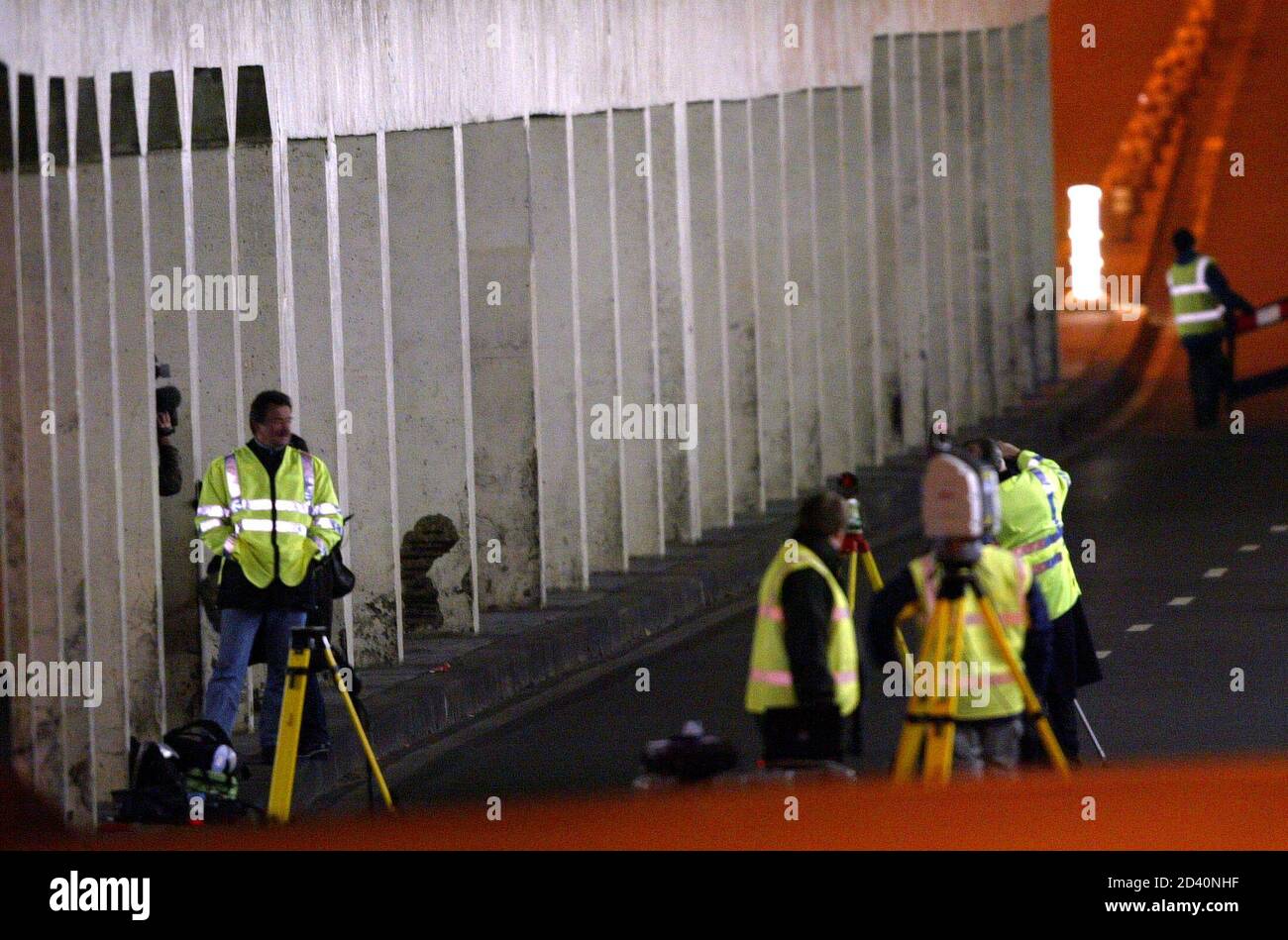
The 1997 Paris crash refers to the high-speed automobile collision on August 31, 1997, inside the Pont de l'Alma tunnel in Paris, France, which resulted in the deaths of Diana, Princess of Wales, Dodi Fayed, and driver Henri Paul, while seriously injuring bodyguard Trevor Rees-Jones. The tragedy triggered unprecedented global mourning, extensive judicial investigations, and far-reaching changes in media ethics, royal security protocols, and paparazzi regulations.
Historical Context and the Events of August 30–31, 1997
Understanding the tragedy requires examining the intense public scrutiny and media dynamics surrounding Diana, Princess of Wales, following her divorce from Charles, Prince of Wales. In the summer of 1997, Diana was the most photographed woman in the world, pursued relentlessly by independent photojournalists known colloquially as paparazzi.
On the evening of August 30, 1997, Diana and her companion, Dodi Fayed—son of Egyptian billionaire Mohamed Al-Fayed—dined at the exclusive Hôtel Ritz Paris, owned by the Fayed family, located on the Place Vendôme. As evening turned to night, a crowd of photographers gathered outside the hotel entrances, anticipating the couple's departure. To evade the media swarm, hotel security and staff devised a decoy plan involving a second vehicle, while Diana and Fayed prepared to leave in an unmarked, rented Mercedes-Benz S280 driven by Henri Paul, the acting head of security at the Hôtel Ritz. Trevor Rees-Jones, a bodyguard employed by Mohamed Al-Fayed, occupied the front passenger seat.
At approximately 12:20 a.m. on August 31, the Mercedes departed the Place Vendôme, heading south toward the Seine. Pursuit by several photographers on motorcycles and in cars began almost immediately. To distance the vehicle from the trailing press corps, Henri Paul accelerated significantly as the car approached the lower-level roadway along the right bank of the Seine, entering the Pont de l'Alma underpass.
The Collision Inside the Pont de l'Alma Tunnel
As the Mercedes-Benz entered the Pont de l'Alma tunnel at high speed—estimated by investigators to be between 96 and 118 kilometers per hour (60 to 73 miles per hour) in a 50 km/h zone—it collided with the thirteenth structural pillar supporting the roof of the tunnel.
Physical evidence, skid marks, and forensic reconstructions established that the vehicle struck the wall on the right side of the two-lane carriageway before veering across and crashing head-on into the concrete pillar. The impact caused catastrophic structural damage to the front end of the automobile, deploying airbags but crushing the passenger compartment beyond recognition.
Emergency services arrived at the scene within minutes. Trevor Rees-Jones was trapped in the front passenger seat with severe facial and cranial trauma but remained conscious. Henri Paul and Dodi Fayed were pronounced dead at the scene. Diana was extricated from the wreckage suffering from massive internal injuries and cardiac arrest. Paramedics performed advanced life support at the scene and during transport to the Pitié-Salpêtrière Hospital, where medical teams attempted extensive surgical interventions. Despite these efforts, Diana was pronounced dead at 4:00 a.m. local time.
Official Investigations and Findings
The crash prompted major judicial inquiries in both France and the United Kingdom, designed to establish the precise chain of events, mechanical integrity of the vehicle, and physiological state of the driver.
The French Judicial Inquiry (1997–1999)
A comprehensive investigation led by French Magistrate Hervé Stephan concluded in 1999. The French report identified the primary cause of the accident as driver error attributable to intoxication and excessive speed. Toxicology reports revealed that Henri Paul had a blood alcohol concentration (BAC) nearly three times the French legal limit at the time of the crash, alongside therapeutic levels of prescription antidepressant medications (fluoxetine and tiapride).
The inquiry also examined the role of the pursuing photographers, several of whom were initially detained and investigated for manslaughter and failure to render assistance. In 2002, a French court dismissed the manslaughter charges against the photographers, ruling that the direct cause of the collision was the driver's state of intoxication and excessive speed, compounded by the failure of the occupants to wear seat belts.
Operation Paget (2004–2006)
In response to widespread public speculation, conspiracy theories, and allegations raised by Mohamed Al-Fayed regarding the nature of the crash, the British Metropolitan Police launched Operation Paget in 2004. Headed by Lord Stevens of Kirkwhelpington, this independent inquiry reviewed all evidence from the French investigation alongside hundreds of thousands of documents and witness statements.
Published in December 2006, the Operation Paget report categorically rejected theories of a deliberate assassination, state-sponsored conspiracy, or involvement of security services. It confirmed the core findings of the French investigation:
- Henri Paul was legally intoxicated and driving at excessive speed to evade photographers.
- None of the vehicle's occupants, with the sole exception of Trevor Rees-Jones, were wearing seat belts at the time of impact. Had Diana worn a seat belt, medical experts testified that she likely would have survived with minor to moderate injuries.
- There was no physical evidence of a blinding flash from a strobe light or contact with another vehicle (such as a mysterious white Fiat Uno, which investigators tracked down and eliminated as a primary collision factor).
The Inquests (2007–2008)
Following Operation Paget, official British inquests into the deaths of Diana and Dodi Fayed were held before a jury under the direction of Lord Justice Scott Baker. In April 2008, the jury returned a verdict of unlawful killing, driven by a combination of gross negligence by the driver Henri Paul and the reckless driving of the pursuing paparazzi.
Summary of Investigation Findings
| Investigation / Body | Lead Agency | Primary Conclusion | Key Contributing Factors |
|---|---|---|---|
| French Judicial Inquiry | Magistrate Hervé Stephan | Accidental collision caused by driver error. | Intoxication (BAC 1.75 g/L), prescription drugs, excessive speed. |
| Operation Paget | British Metropolitan Police | No conspiracy; crash was a tragic accident. | High speed, paparazzi pursuit, lack of seat belts. |
| UK Inquest Jury | Royal Courts of Justice | Unlawful killing. | Gross negligence of Henri Paul and pursuing photographers. |
Cultural, Media, and Legal Aftermath
The 1997 Paris crash sent shockwaves across international society, prompting profound shifts in public behavior, media ethics, and royal protocol.
Global Mourning and Public Reaction
The sudden death of Diana generated an unprecedented outpouring of public grief, particularly in the United Kingdom, where millions visited royal residences to leave floral tributes, notes, and personal items. Her televised funeral at Westminster Abbey was watched by an estimated 2.5 billion people worldwide, marking one of the most-watched broadcast events in history. The public reaction revealed a significant cultural shift in British society, moving away from traditional emotional restraint toward more expressive public mourning.
Media Ethics and Paparazzi Regulation
The intense pursuit by photographers prior to the crash focused global attention on the aggressive tactics of tabloid journalism and independent paparazzi. Ethical standards across mainstream news organizations underwent immediate review, leading to stricter self-regulation regarding the purchase and publication of intrusive photographs. Several European nations moved to tighten privacy laws, and civil actions highlighted the legal boundaries of personal privacy versus freedom of the press.
Royal Security Protocols
The tragedy necessitated a complete overhaul of personal protection and transport protocols for members of the British Royal Family. Protection units were reorganized to ensure higher standards of defensive driving, rigorous vetting of drivers and auxiliary staff, and mandatory utilization of secure transport fleets equipped with advanced safety features.
Frequently Asked Questions
Was anyone wearing a seat belt during the 1997 Paris crash?
Out of the four occupants in the Mercedes-Benz, only the bodyguard, Trevor Rees-Jones, was wearing a seat belt. Investigators confirmed that Diana, Dodi Fayed, and driver Henri Paul were unrestrained at the moment of impact. Forensic analysis indicated that seat-belt use would have substantially reduced the severity of Diana's injuries.
Did the paparazzi cause the crash?
While official investigations concluded that the direct physical cause of the crash was the driver's excessive speed and intoxication, the jury in the British inquest found that the reckless driving of pursuing photographers contributed to the unlawful killing verdict by creating an emergency driving environment.
What was the condition of the driver, Henri Paul?
Toxicology tests conducted during the French judicial investigation revealed that Henri Paul had a blood alcohol concentration nearly three times the French legal limit. He had also ingested prescription antidepressant drugs, which experts testified impaired his motor skills, judgment, and reaction times.
Are there any conspiracy theories surrounding the crash?
Yes. Mohamed Al-Fayed and various commentators popularized multiple conspiracy theories alleging state-sponsored assassination or intelligence agency involvement. However, extensive independent inquiries, including the British Metropolitan Police's Operation Paget, found zero evidence supporting these claims, confirming the incident was a tragic traffic accident.
What is the Pont de l'Alma tunnel today?
The Pont de l'Alma underpass remains a vital thoroughfare in Paris. The pillars supporting the tunnel structure have been modified over the years with safety barriers. The nearby Flame of Liberty monument—a full-scale replica of the flame of the Statue of Liberty—has served globally as an unofficial memorial site for visitors paying respects to Diana.
Practical Guidance and Historical Preservation
For researchers, historians, and students examining the events of August 31, 1997, reliance on primary documentation—such as the published findings of the French judicial dossier and the complete Operation Paget report—remains essential for separating verified forensic evidence from pervasive media speculation.