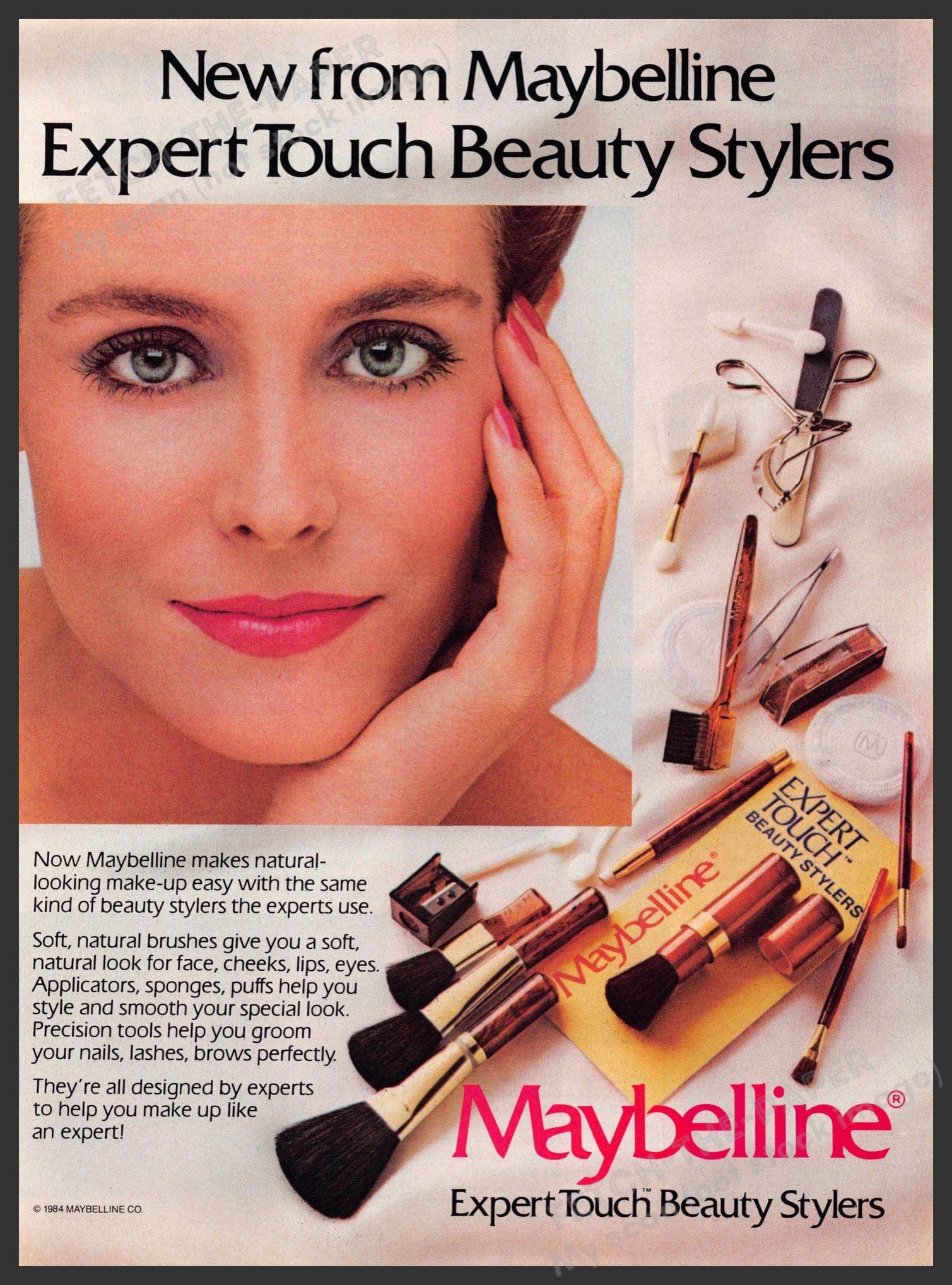
The 1980s beauty landscape was defined by maximalism, vibrant color palettes, dramatic structural styling, and an attitude of unapologetic self-expression that broke free from the subdued tones of previous decades.
The beauty movement of the 1980s represents one of the most distinctive, high-impact eras in cosmetic and hairstyling history. Moving away from the natural, bohemian styling of the 1970s, the 1980s embraced bright neons, heavy theatrical contouring, geometric shapes, and gravity-defying hair. Driven by pop culture icons like Madonna, Cyndi Lauper, and Princess Diana, as well as the rise of supermodels and fitness crazes, 1980s beauty was all about high contrast and making a statement. Understanding this decade requires looking beyond simple caricatures to examine the specific techniques, products, and cultural shifts that shaped an iconic aesthetic.
The Cultural and Media Catalysts of 1980s Aesthetics
The visual language of the 1980s did not emerge in a vacuum. It was propelled by rapid developments in media, music television, cinema, and the global fitness boom. MTV, launched in 1981, served as a 24-hour visual canvas where musicians could experiment with radical looks that fans immediately sought to replicate.
Pop music videos transformed makeup and hair from quiet complements to high-fashion statements. Artists like Boy George, David Bowie, and Annie Lennox popularized androgynous styling and heavy cosmetic experimentation that blurred traditional gender lines. Simultaneously, Hollywood blockbusters and television prime-time soap operas such as Dynasty and Dallas showcased power dressing paired with razor-sharp facial contouring and voluminous hair, establishing a look of wealth and authority.
At the same time, the aerobic fitness movement—championed by Jane Fonda and translated into millions of home video sales and leotard-clad classes—introduced athletic health as a core aesthetic pillar. This fitness craze brought neon spandex, colorful sweatbands, and fresh, flushed skin into mainstream daily wear, creating a bridge between high-fashion editorial styling and everyday street style.
Foundational Skin and Face Makeup Techniques
Skin finishes in the 1980s evolved rapidly across the decade, shifting from a heavy, matte porcelain base toward a sun-kissed, athletic radiance, though dramatic structure remained a constant thread.
The Base: Foundation and Powder
The quest for a flawless complexion often resulted in a heavier application than modern minimalist standards dictate. Foundations tended to be fully opaque to create an even, porcelain canvas, frequently set with generous amounts of translucent powder to withstand long hours and high-energy environments. While early-decade looks favored a pale, matte complexion, the later years of the 1980s shifted dramatically toward warm, bronze skin tones, popularized by the global obsession with sunbeds and tanning oils.
Sculpting and Draping
Before modern contouring palettes and neutral powders dominated cosmetic bags, the 1980s relied heavily on a technique popularized by makeup artist Way Bandy known as "draping." Instead of using cool-toned contour powders to recede features, makeup artists used vibrant blush to sculpt the face.
- Blush was applied heavily to the apples of the cheeks and blended upward toward the temples and into the eye crease.
- Shades ranged from vivid fuchsia and hot pink to deep terracotta and plum.
- The goal was not subtle enhancement, but an energetic flush of color that created immediate dimension under harsh club or studio lighting.
Bold Eyes: Color Theory and Geometric Application
Eye makeup in the 1980s was characterized by a fearless approach to color blocking, heavy blending, and complete disregard for the understated.
Palettes were packed with electric blues, emerald greens, sunny yellows, and hot pinks. eyeshadow was rarely applied as a delicate wash; instead, it was packed onto the eyelid from the lash line straight up to the brow bone in solid, graphic blocks of color. Monochromatic looks—where the eyeshadow shade matched the wearer's outfit or blush—were immensely popular.
Eyeliner and Mascara
Eyeliner was applied thickly, often encircling the entire eye. The waterline was frequently lined with black kohl pencil to create a dramatic, smoky intensity. Liquid eyeliner was also utilized for sharp, graphic cat-eyes, though the smudged, rock-and-roll look championed by punk and new wave subcultures was equally influential. Mascara was applied in multiple coats to both top and bottom lashes, frequently layered to the point of deliberate clumping, often referred to as "spider lashes."
Eyebrow Evolution
The extreme thinness of 1920s and 1930s brows or the groomed arches of the 1950s were entirely rejected in favor of a thick, untamed, and bushy aesthetic. Inspired by natural beauties like Brooke Shields and Madonna, women grew out their brows and emphasized their natural fullness. Gels, tinted pomades, and simple brushing techniques kept the hairs standing upright and voluminous, serving as a robust frame for the brightly colored eyeshadows below.
Statement Lips: From Neon Pinks to Deep Berries
Lip makeup in the 1980s oscillated between two distinct extremes depending on the subgenre of style: high-octane neons or deep, moody vampiric tones.
- Neon and Frost: Daywear and club culture favored bright coral, bubblegum pink, and electric orange lipsticks. A hallmark of the decade was the frosty finish—lipsticks infused with metallic pearl or white frost pigments that gave lips a reflective, icy sheen.
- Dark and Dramatic: Evening and high-fashion looks leaned toward heavy brick red, deep plum, and berry stains. Lip liner was almost always a shade or two darker than the lipstick itself, applied with precision to create an exaggerated, defined lip line that was sometimes left unblended for a stark, graphic effect.
Gravity-Defying Hair and High-Volume Styling
Hair in the 1980s was an engineering feat. Driven by the accessibility of powerful blow-dryers, teasing combs, and advanced aerosol hairsprays, hair was styled to maximize volume, height, and texture.
The era was defined by the crimper, the curling iron, and the permanent wave (perm). Straight hair was frequently altered to create uniform zigzag crimps or wild, cascading waves. Backcombing—or teasing—was performed aggressively at the roots to lift hair away from the scalp, creating massive crowns that defied gravity.
| Hair Trend | Primary Technique | Key Styling Products | Cultural Association |
|---|---|---|---|
| The Big Hair / Perm | Chemical restructuring combined with heavy layering | Acid-perm solutions, setting lotion, heavy-hold hairspray | Heavy metal bands, suburban glam, mainstream high fashion |
| The Crimped Look | Thermal clamping across small hair sections | Heat protectant, texturizing spray, flexible-hold mist | Teen pop culture, casual daywear, roller-rink style |
| The Mullet | Precision cutting (short top/sides, long back) | Pomade, styling gel, mousse | Rock musicians, working-class youth, sports stars |
| The Side Ponytail | High lateral placement with secured scrunchie | Elastic bands, terrycloth scrunchies, teasing combs | Aerobic fitness, casual youth culture, dance trends |
Nail Art and Accessories: The Finishing Touches
No 1980s beauty regimen was complete without attention to manicures and statement accessories. Nail polish broke away from traditional neutral reds and pinks to embrace neon formulations, electric blues, neon greens, and stark white finishes. Long nail shapes—both oval and square—were standard, often embellished with geometric decals or metallic stickers.
Accessories played a monumental role in framing the face and hair. Oversized scrunchies made from velvet, satin, or neon cotton fabrics anchored high side ponytails. Padded headbands embellished with pearls, lace, or metallic thread pushed voluminous bangs straight up and back. Huge statement earrings—ranging from heavy gold hoops to neon plastic geometric shapes—completed the look, drawing the eye upward to structured hairstyles and dramatic makeup.
1980s Beauty Comparison: Day vs. Evening Styling
To understand how individuals navigated the beauty standards of the decade, it is helpful to examine how daily routines contrasted with nightlife expectations.
- Daytime Aesthetic
- Base: Lighter foundation, tinted moisturizer, or bare tanned skin
- Eyes: Soft wash of pastel eyeshadow (peach, mint) with basic mascara
- Lips: Sheer pink gloss or frosted nude lipstick
- Hair: Scrunchie-secured side ponytail or natural air-dried waves
- Nighttime Aesthetic
- Base: Heavy matte or contoured foundation with dramatic draping blush
- Eyes: Electric blue or purple block shadow, thick black kohl liner, clumped mascara
- Lips: Bright neon pink, frosted orange, or deep vampy plum with dark liner
- Hair: Teased crown, crimped texture, or heavily lacquered permanent wave
Common Misconceptions About 1980s Aesthetics
A common pitfall when evaluating 1980s beauty is treating the entire decade as a single, homogenous aesthetic block. In reality, the era was sharply divided between distinct subcultures and chronological shifts.
The early 1980s retained residual elements of late-seventies naturalism before exploding into the neon-soaked, highly structured power-dressing era of the mid-1980s. By the late 1980s, minimalism began to creep back in through the supermodel era, foreshadowing the grunge movement of the 1990s. Furthermore, underground movements like Gothic rock, punk, and New Romanticism cultivated styles that rejected mainstream aerobic neon in favor of chalk-white skin, severe black hair, and theatrical, romantic melancholy.
Frequently Asked Questions
What were the most popular eyeshadow colors in the 1980s?
Electric blue, vibrant purple, emerald green, and hot pink were the defining eyeshadow shades of the decade. They were typically applied in solid, opaque blocks from the lash line all the way up to the brow bone, often matching the wearer's outfit.
How did women achieve high volume in their hair during the 1980s?
Volume was achieved through a combination of chemical perms, thermal crimping irons, aggressive backcombing (teasing) at the roots, and industrial quantities of aerosol hairspray. Blow-drying hair upside down was also a standard daily prep step.
What is "draping" in 1980s makeup?
Draping is a contouring technique popularized by makeup artist Way Bandy where bright, highly saturated blush is swept across the cheekbones, blended up toward the temples, and sometimes into the eye crease to sculpt and add vibrant dimension to the face.
Did men wear makeup in the 1980s?
Yes. Driven by the New Romantic, glam rock, and goth movements, male artists and subculture participants frequently wore foundation, heavy eyeliner (guyliner), lip color, and styled hair. Icons like Boy George, Prince, and members of Duran Duran normalized male cosmetic use in mainstream media.
How can I adapt 1980s beauty trends for a modern look?
To wear 1980s elements today without looking dated, isolate one statement feature. Pair a modern, glowing complexion with a single pop of neon eyeliner, or style full, brushed-up brows with a neutral lip and soft hair texture rather than combining heavy contour, bright shadow, and teased hair all at once.
Practical Next Actions for Historical Recreation or Themed Styling
When attempting to recreate an authentic 1980s look for a costume, editorial shoot, or historical exploration, avoid modern neutral contour palettes and ultra-matte liquid lipsticks that lack historical context. Seek out frosty lipstick formulations, highly pigmented bright eyeshadow powders, and strong-hold hairsprays or texturizers. Focus on structural volume in the hair and high-contrast color placement on the face, keeping in mind that the guiding philosophy of the decade was maximalism and fearless self-expression.