The comedy landscape of the 1980s was a transformative era defined by the rise of high-concept studio blockbusters, the explosive growth of cable television stand-up, gross-out teen humor, and satirical mockumentaries that permanently changed how audiences consumed humor.
The Cultural and Economic Shift in 1980s Cinema
The cinematic comedy of the 1980s evolved away from the gentle, star-driven vehicles of the 1960s and 1970s toward high-concept, fast-paced narratives designed to appeal to youth demographics and suburban multiplex audiences. Major studios realized that repeatable, high-concept premises—such as body swaps, mismatched buddy pairings, and anarchic institutional takeovers—could yield massive box-office returns.
This shift was heavily influenced by the National Lampoon brand, which transitioned from print satire to cinematic supremacy. National Lampoon’s Animal House (1978) laid the structural foundation for the decade's gross-out and anti-establishment campus comedies. Throughout the 1980s, directors like John Hughes and Harold Ramis harnessed this energy, transforming adolescent rebellion and suburban angst into mainstream artistic gold. Hughes, in particular, validated teenage interiority, treating high school social hierarchies with both comedic absurdity and genuine emotional gravity in films like The Breakfast Club (1985) and Ferris Bueller’s Day Off (1986).
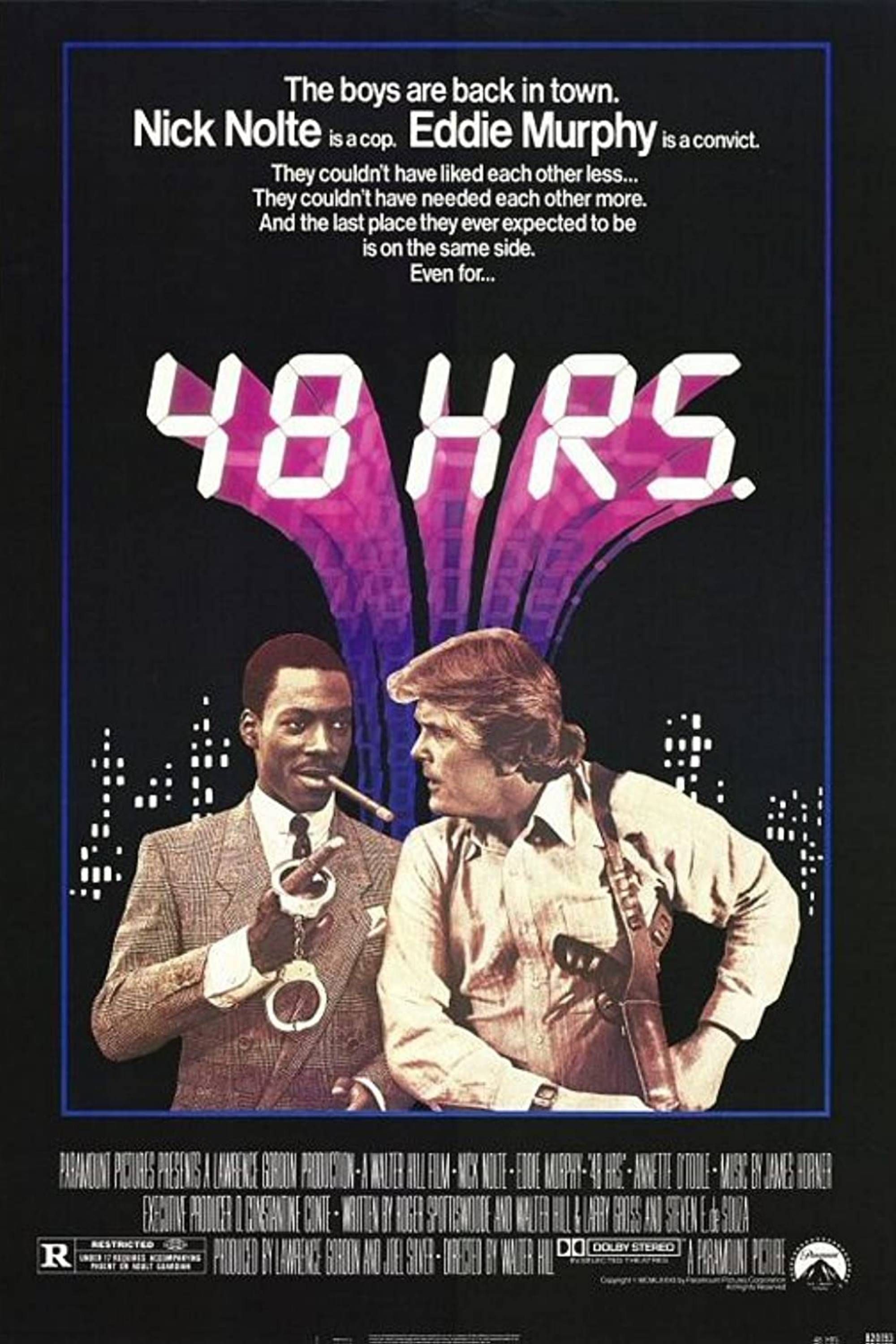
Furthermore, the decade introduced the modern action-comedy hybrid. Films like Beverly Hills Cop (1984) and Lethal Weapon (1987) proved that wisecracking protagonists could anchor multi-million-dollar action franchises. This formula relied heavily on the charismatic improvisation of stand-up comedians turned movie stars, bridging the gap between gritty urban crime thrillers and breezy, quote-heavy comedic entertainment.
Subgenres of 1980s Comedy
To understand the breadth of 1980s comedy, it is essential to examine the distinct subgenres that emerged, each catering to different psychological needs and cultural anxieties of the Reagan-Thatcher era.
The Anarchic Slob Comedy and Institutional Satire
Led by directors like Ivan Reitman and writers like John Hughes, slob comedies celebrated the triumph of chaotic, unrefined outsiders over pompous authorities. Caddyshack (1980) and Ghostbusters (1984) epitomized this approach, pairing classically trained actors (such as Bill Murray and Dan Aykroyd) with physical comedians. These films subverted middle-class aspirations, corporate greed, and bureaucratic incompetence through supernatural elements, slapstick, and deadpan sarcasm.
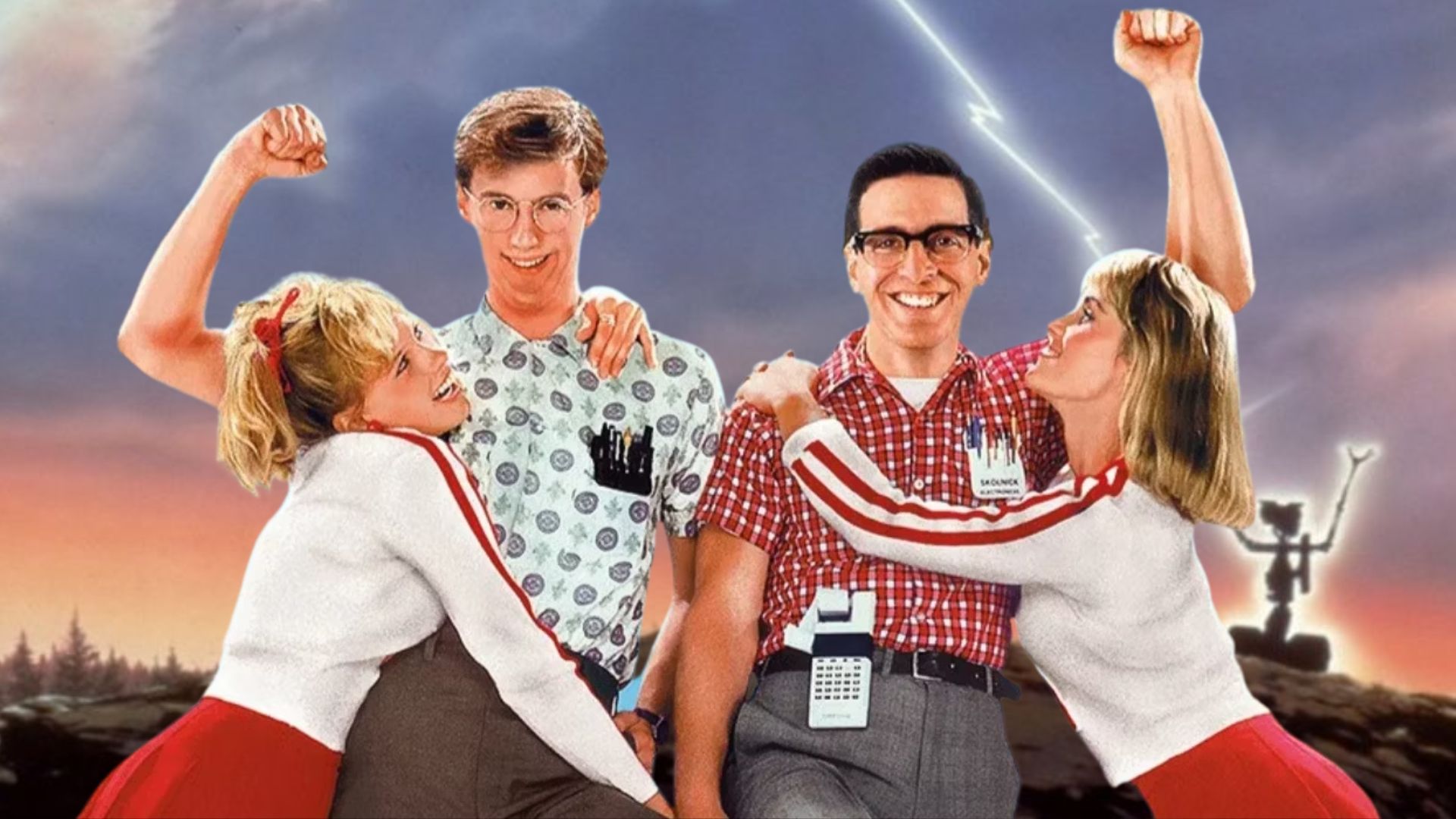
The Teen and Coming-of-Age Comedy
The decade redefined the teenage experience on screen. Moving past wholesome 1950s tropes, 1980s teen comedies tackled identity, sexuality, and peer pressure through explicit humor and heightened realism.
- Fast Times at Ridgemont High (1982), written by Cameron Crowe and directed by Amy Heckerling, provided a remarkably observed, multi-narrative slice of southern California youth culture.
- Porky’s (1981) leaned into unbridled, risqué locker-room farce, spawning numerous imitators and setting box-office records for independent distribution.
The Parody and Satirical Mockumentary
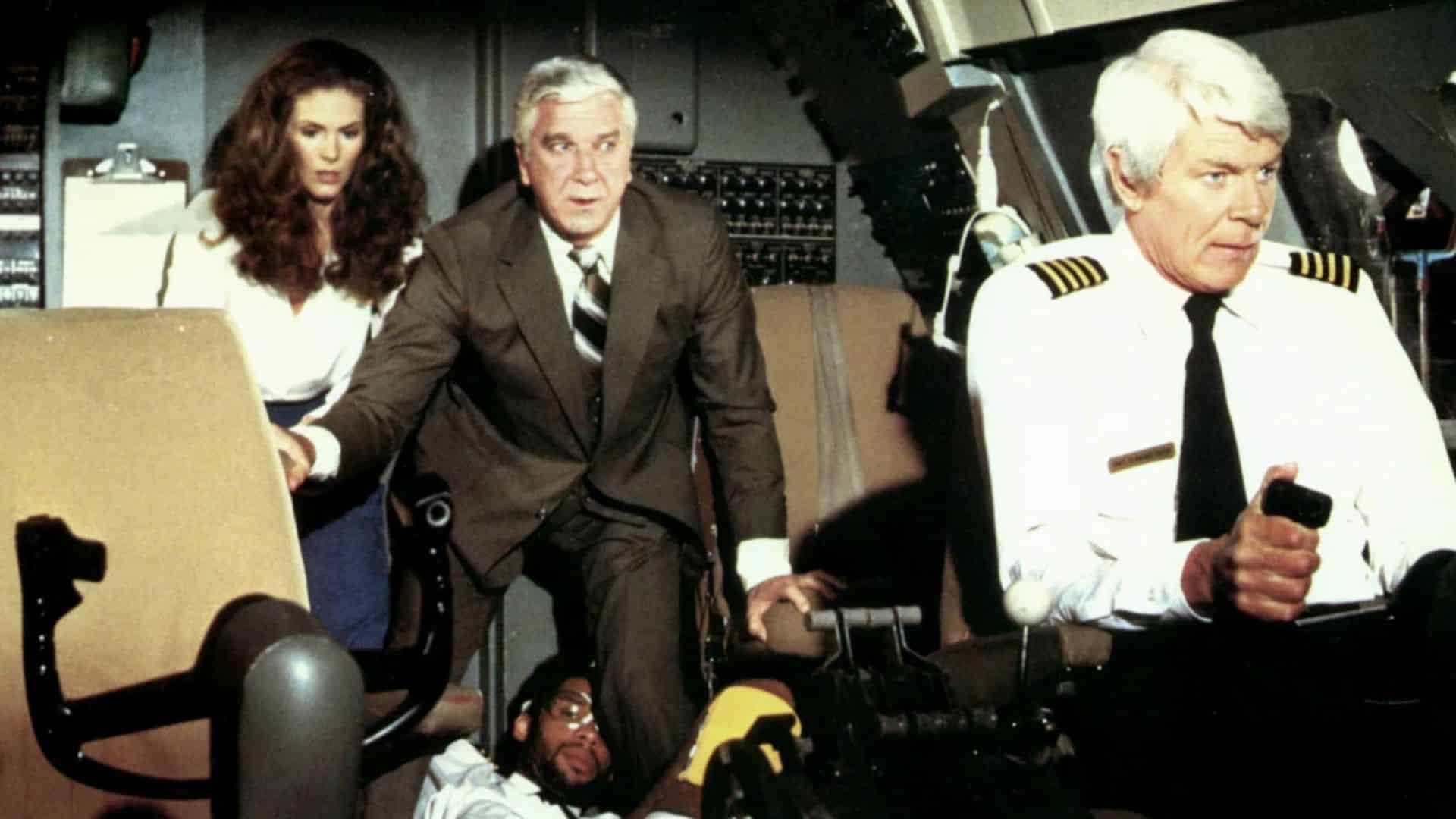
The 1980s also perfected the art of cinematic pastiche. Airplane! (1980), written and directed by Jim Abrahams, David Zucker, and Jerry Zucker (ZAZ), established a rapid-fire gag rate that weaponized visual puns, non-sequiturs, and deadpan deliveries to lampoon 1970s disaster movies. Later in the decade, This Is Spinal Tap (1984) invented the modern mockumentary format, skewering the inflated egos and artistic pretensions of heavy metal bands through brilliant improvisational satire.
Key Figures: From Stand-Up Stages to the Silver Screen
The comedy pipeline of the 1980s ran directly from smoky New York and Los Angeles comedy clubs into major Hollywood boardrooms. The explosion of cable television networks like HBO gave national platforms to a new generation of stand-up comedians who rejected traditional, Borscht Belt-style joke-telling in favor of confessional, edgy, and observational humor.
| Comedian / Creator | Signature Style / Approach | Defining 1980s Work |
|---|---|---|
| Eddie Murphy | High-energy, charismatic improv and edgy social commentary. | Beverly Hills Cop (1984), Coming to America (1988) |
| Bill Murray | Deadpan sarcasm, aloof charm, and anti-authoritarian mischief. | Ghostbusters (1984), Scrooged (1988), Groundhog Day (1993 - conceptual roots) |
| Steve Martin | Absurdist physical comedy, highbrow intellectual silliness, and pathos. | The Jerk (1979/1980s run), Planes, Trains and Automobiles (1987) |
| John Candy | Large-hearted, vulnerable, and physically expressive everyday everyman. | Uncle Buck (1989), Planes, Trains and Automobiles (1987) |
Eddie Murphy’s transition from Saturday Night Live to film superstardom fundamentally altered the economics of Hollywood casting. Murphy demonstrated that an African American lead could carry blockbuster action-comedies globally, breaking down long-standing industry barriers. Simultaneously, performers like Steve Martin and Robin Williams pushed the boundaries of performance art, shifting effortlessly from frenetic stand-up routines to nuanced dramatic and comedic film roles.
Television Comedy: Sitcom Evolution and Late-Night Dominance
While cinema offered escapist spectacles, television comedy underwent a parallel evolution characterized by domestic realism, workplace ensembles, and the restructuring of late-night television.
The broadcast networks continued to rely on traditional multi-camera sitcoms, but the tone shifted toward modern family dynamics. Shows like Family Ties (1982–1989) explored generational and political friction between 1960s liberal parents and their Reagan-conservative teenage children (notably Alex P. Keaton, played by Michael J. Fox). Later in the decade, The Cosby Show (1984–1992) dominated ratings by presenting an affluent, upper-middle-class African American family, reshaping network programming strategies.
In late-night television, the era belonged firmly to Johnny Carson on The Tonight Show, though emerging alternatives began to challenge his hegemony. Late Night with David Letterman (launched in 1982) introduced a cynical, self-referential, and ironic sensibility that appealed directly to Gen X viewers. Letterman’s willingness to break the fourth wall, mock television conventions, and engage in absurdist remote segments laid the groundwork for modern alternative comedy.
Production Technologies and Cultural Impact
The proliferation of the Video Home System (VHS) in the 1980s fundamentally transformed how audiences interacted with comedy. For the first time, viewers could rewatch films repeatedly, memorizing dialogue, analyzing visual gags, and sharing favorite scenes on cassette tapes with friends. This home-video economy rescued underperforming theatrical comedies from obscurity, turning cult favorites into enduring cultural touchstones.
Furthermore, the music video explosion via MTV created a symbiotic relationship between pop music and comedic performance. Artists frequently enlisted comedic actors and directors to infuse narrative humor into short-form music videos, creating a shared pop-culture vernacular that blended cinematic irony with radio hits.
Frequently Asked Questions
What defined the primary aesthetic of 1980s comedy films?
The dominant aesthetic relied on high-concept premises, fast-paced editing, synthesized pop soundtracks, and protagonists who were lovable underdogs or cynical outsiders. Unlike the cynical, anti-hero-heavy cinema of the 1970s, 1980s comedies typically resolved with emotional reconciliation, triumphant group solidarity, or feel-good romantic pairings, even while maintaining a satirical edge toward authority.
How did Saturday Night Live influence 1980s comedy?
Saturday Night Live served as the premier incubator for comedic talent throughout the decade. Cast members and writers transitioned directly into feature film leads, bringing sketch-comedy sensibilities, recurring catchphrases, and rapid-fire character work to the big screen. This cross-pollination established a star system driven by ensemble chemistry and television-honed improvisational skills.
Why are 1980s teen comedies still culturally relevant today?
Despite shifts in social norms and digital technology, 1980s teen comedies remain relevant because they captured universal adolescent anxieties—such as body image, peer rejection, class divisions, and parental disconnect—with emotional honesty. Directors like John Hughes avoided condescension, treating teenage emotional turmoil with gravity while wrapping it in accessible, highly quotable humor.
What was the significance of the mockumentary subgenre in the 1980s?
The mockumentary format, spearheaded by films like This Is Spinal Tap, revolutionized satire by using the authentic aesthetic conventions of documentary filmmaking to expose absurdity. This technique trained audiences to question media presentation and paved the way for future television formats, ranging from The Larry Sanders Show to The Office.
Conclusion and Legacy
The comedy of the 1980s created a durable blueprint for modern entertainment. By merging high-concept commercial ambitions with the irreverent sensibilities of counter-cultural stand-up and sketch traditions, creators built an ecosystem of films, television shows, and personalities that continue to influence contemporary humor. Whether through the quote-heavy scripts of John Hughes, the high-octane charisma of Eddie Murphy, or the structural parodies of the ZAZ team, the humor of the decade established a timeless comedic lexicon.