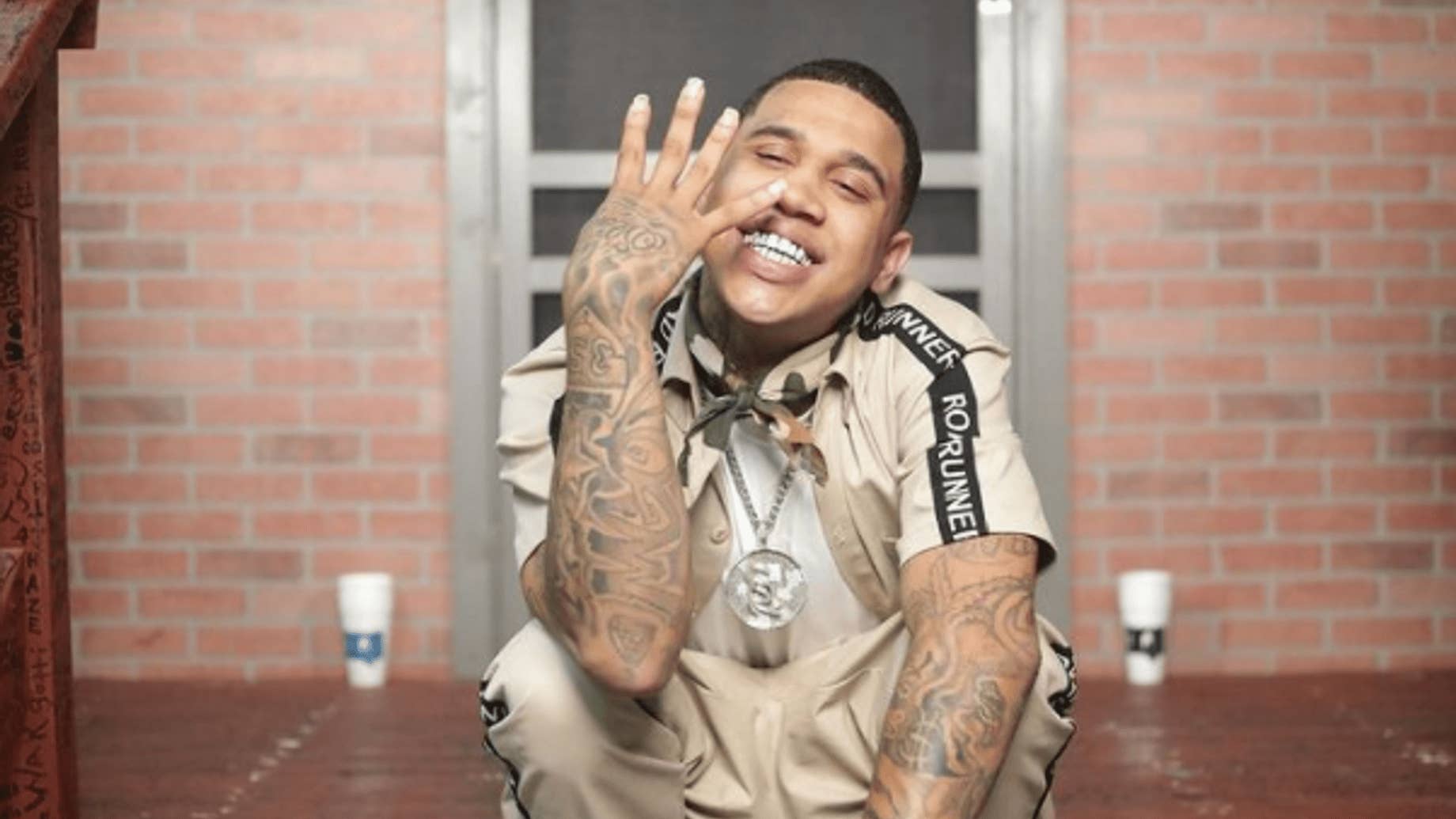
The term "1017 Records" refers to the American independent record label founded by rapper Gucci Mane in 2007. Originally established as 1017 Brick Squad Records, the label has played a pivotal role in the development of modern trap music, serving as a launchpad for numerous influential artists and shifting the trajectory of Southern hip-hop over the last two decades.
The Origins and Evolution of 1017 Records
The name "1017" is deeply rooted in the personal history of Radric Davis, professionally known as Gucci Mane. It is a tribute to his grandfather’s house number on Glenwood Avenue in Atlanta, Georgia. This numerical shorthand served as a foundational element of his brand identity long before he formalized his business operations into a structured record label.
In 2007, Gucci Mane launched 1017 Brick Squad Records as a joint venture, aiming to consolidate the talent burgeoning within the Atlanta underground scene. The label’s inception coincided with the rise of the internet-driven mixtape era, which allowed Gucci Mane to bypass traditional gatekeepers. By leveraging social media and digital distribution, 1017 Records transformed the regional Atlanta sound—characterized by heavy 808 bass lines, repetitive triplet flows, and gritty street narratives—into a global phenomenon.
Throughout its existence, the label has undergone various iterations. While it began as Brick Squad, internal conflicts and management shifts led to various rebranding efforts, eventually settling on the more streamlined 1017 Records. Despite these changes, the label maintained a consistent identity centered on high-volume output and the cultivation of local talent.
Artistic Impact and the Trap Movement
1017 Records is widely credited with defining the "Trap" subgenre. The label's approach to production—emphasizing stark, ominous melodies paired with aggressive percussion—became the blueprint for a generation of rappers. The studio environment cultivated by Gucci Mane was famously fast-paced; he encouraged his signees to record as much material as possible, often resulting in the release of multiple mixtapes per year.
This "work hard, release often" philosophy was a reaction to the slowing pace of traditional label cycles. By flooding the market with content, 1017 artists remained relevant and captured the attention of listeners who were migrating from radio to streaming platforms and download sites.
Notable Signees and Collaborative History
The roster of 1017 Records has been dynamic, often characterized by a "revolving door" that mirrored the label’s emphasis on discovery rather than long-term, restrictive contracts. Key figures who have been associated with the 1017 brand include:
- Waka Flocka Flame: Perhaps the most significant early signee, his aggressive vocal style and collaborations with producer Lex Luger defined the high-energy sound of 2010-2012 trap.
- OJ Da Juiceman: An early associate whose "Ay" ad-lib and consistent mixtape releases were instrumental in the label’s initial growth.
- Young Thug: Though his tenure was brief, his time under the 1017 banner helped transition him from an Atlanta local talent to a national star.
- Foogiano and Pooh Shiesty: Representing the "New 1017" era of the 2020s, these artists showcased Gucci Mane’s ability to modernize his A&R strategy by signing regional stars with established local followings.
Operational Philosophy and Label Structure
Unlike major labels that often focus on a polished, corporate image, 1017 Records operates more like a street-level incubator. The label’s primary function is to provide a platform for artists to hone their craft, gain visibility, and leverage Gucci Mane’s existing brand equity.
A&R Strategy and Artist Development
Gucci Mane’s A&R strategy is rooted in authenticity. He frequently seeks out artists who have already begun to generate "buzz" in their respective hometowns. By the time an artist signs with 1017, they often have an established fan base and a unique sonic identity. This reduces the time required for development and allows the label to focus on scaling the artist’s reach through strategic collaborations and high-quality visuals.
Distribution and Marketing
The label has historically utilized a mix of independent distribution channels and major label partnerships. This flexibility allows 1017 to maintain creative control while accessing the logistical muscle required for national radio promotion and global streaming placement. As of 2026, the label continues to lean heavily into digital-first marketing, utilizing short-form video platforms and direct-to-fan communication to maintain engagement.
| Era | Focus | Key Associated Artists |
|---|---|---|
| 2007–2012 | Foundational Trap | Gucci Mane, Waka Flocka Flame, OJ Da Juiceman |
| 2013–2018 | Expansion & Evolution | Young Thug, Peewee Longway |
| 2019–Present | The "New" 1017 Era | Pooh Shiesty, Foogiano, Enchanting |
Challenges and Legal Considerations
Managing an independent hip-hop label comes with inherent risks, and 1017 Records has not been immune to them. The label has faced various challenges, ranging from legal disputes with artists to contract terminations. These issues are often exacerbated by the volatile nature of the hip-hop industry and the risks associated with the lifestyles often portrayed in the genre.
Prospective artists or business partners looking into 1017 should note that independent label structures are often less formal than those of "Major" labels (Universal, Sony, Warner). Contracts may vary significantly between signees, and the burden of self-promotion often remains heavily on the artist even after signing.
Professional Advice Limitation
The information provided here is for educational and historical purposes only. It does not constitute legal or financial advice. Readers interested in the music business, copyright law, or entertainment contracts should consult with a qualified attorney specializing in entertainment law before entering into any professional agreements or business ventures in the music industry.
FAQs: Frequently Asked Questions
Is 1017 Records still active as of 2026? Yes, 1017 Records remains active. The label continues to sign new talent and release music, maintaining its status as a significant entity within the Atlanta hip-hop ecosystem.
What distinguishes 1017 Records from other rap labels? The label is defined by its founder’s specific work ethic and A&R philosophy. While many labels focus on grooming "pop-ready" acts, 1017 has historically focused on raw, authentic street rap and a high-volume release strategy.
Does 1017 Records hold the master recordings for all its artists? Ownership of master recordings varies depending on the specific contract signed between the label and the individual artist. Historically, independent deals allow for more negotiation than traditional major label contracts, but terms are strictly confidential and vary by artist.
Can an independent artist submit music to 1017 Records? While there is no public-facing submission portal, the label typically discovers artists through established regional networks, social media traction, and direct networking. Most artists signed to 1017 had significant local followings before joining the label.
How has the "New 1017" differed from the original iteration? The "New 1017" represents a shift toward more polished production and a more modern approach to streaming-era marketing. While it retains the aggressive aesthetic of the original label, it utilizes more sophisticated distribution networks and brand-building strategies.
Next Actions for Interested Parties
For those interested in the history of 1017 Records, the most direct way to understand its evolution is through its discography. Listening to the evolution of the label’s sound from 2007’s "The State vs. Radric Davis" through the "So Icy Boyz" compilations provides a comprehensive overview of the label's artistic progression. For those seeking professional insights into the music industry, researching independent label structures—specifically joint venture agreements and master distribution deals—will provide a clearer understanding of how 1017 has maintained longevity in a highly competitive market.