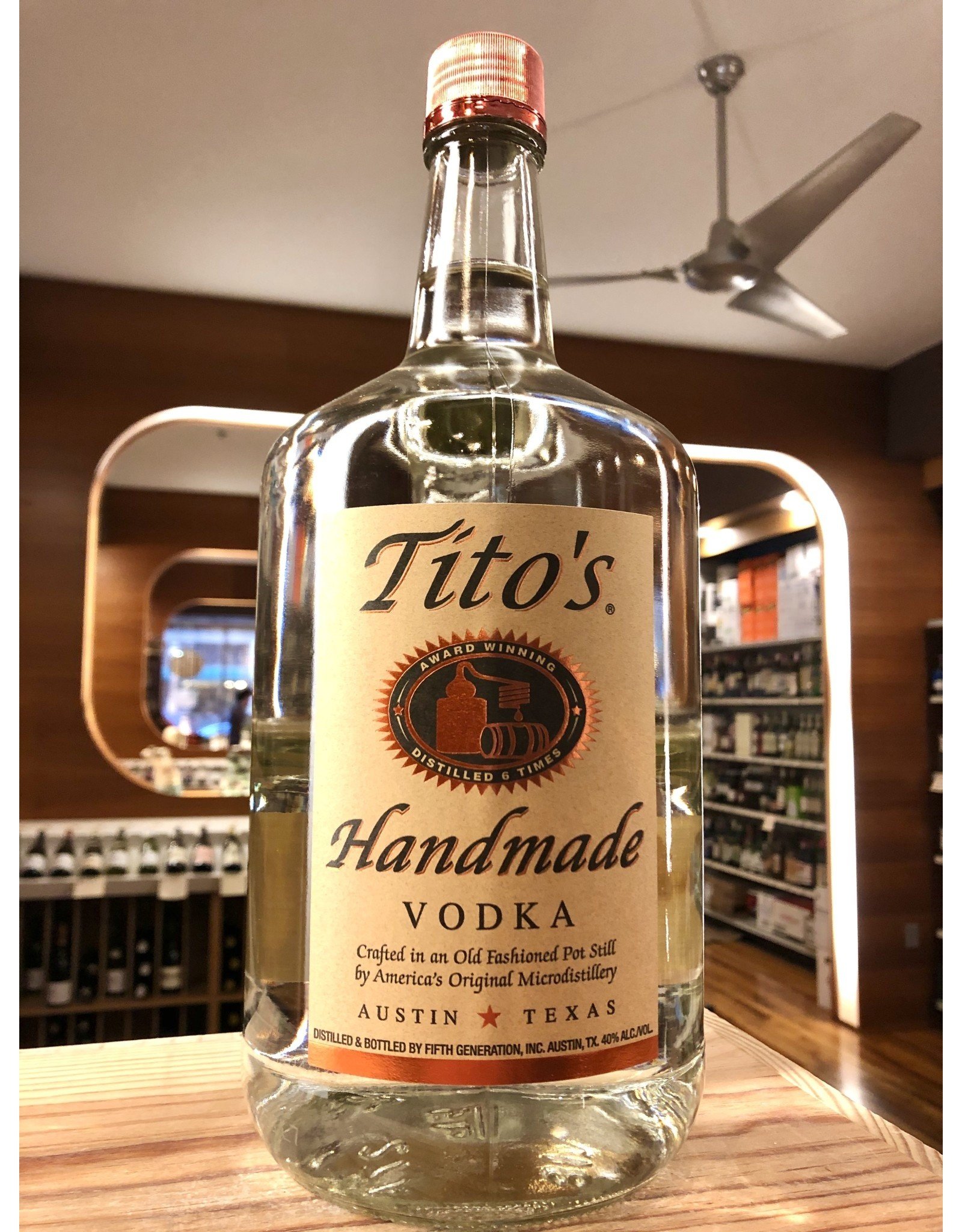
Tito’s Handmade Vodka is a corn-based spirit produced by Fifth Generation Inc. in Austin, Texas. Recognized as the first legal distillery in Texas, the brand distinguishes itself through a meticulous distillation process using old-fashioned pot stills. It is certified gluten-free and remains one of the top-selling distilled spirits in the United States.
The Origins of Tito’s: From Austin to Global Recognition
The story of Tito’s Handmade Vodka is inextricably linked to its founder, Bert "Tito" Beveridge. In the mid-1990s, Beveridge was working in the mortgage and oil industries but harbored a passion for creating flavored habanero vodkas for friends. Following a downturn in his professional life, he decided to pursue distilling full-time. At the time, Texas had no legal framework for micro-distilleries, and Beveridge famously fought to establish the state's first distilling permit.
In 1995, Fifth Generation Inc. was formed. To finance the venture, Beveridge utilized 19 different credit cards, accumulating nearly $90,000 in debt. He built his first distillery by hand, using a one-room shack and a homemade pot still. This "bootstrap" beginning is a core pillar of the brand's identity. By 1997, the first bottles of Tito’s were sold. The brand's big break occurred in 2001 when it won the Double Gold Medal at the San Francisco World Spirits Competition, beating out established luxury brands like Grey Goose and Belvedere in a blind taste test.
As of 2026, Tito’s has maintained its position as a market leader by focusing on a single product. Unlike many competitors that produce dozens of flavored variants, Tito’s has historically focused on its core unflavored vodka, relying on word-of-mouth marketing and a "quality-to-price" ratio that appeals to both budget-conscious consumers and cocktail enthusiasts.
The Production Process: What Makes Tito’s Distinct?
Tito’s Handmade Vodka is produced using a specific set of technical choices that differentiate it from the mass-produced vodkas typically found in the "well" of a bar. Understanding these nuances requires a look at the base ingredients and the equipment used.
The Corn Base
Most traditional European vodkas are made from wheat, rye, or potatoes. Tito’s utilizes 100% yellow corn. This choice is significant for two reasons:
- Flavor Profile: Corn-based spirits tend to have a slightly sweeter, rounder finish compared to the medicinal "bite" often associated with rye-based vodkas.
- Gluten-Free Status: While the distillation process theoretically removes gluten proteins from grain-based spirits, using corn as a starting material provides an extra layer of assurance for sensitive consumers.
Pot Still Distillation
Most large-scale vodka producers use column stills (also known as continuous stills). These are highly efficient, allowing for the continuous output of high-proof spirit. In contrast, Tito’s uses pot stills. This method is more labor-intensive and is more commonly associated with the production of single-malt scotch or high-end cognac.
Pot distilling involves heating the "wash" in a large vessel. The alcohol vapors rise and are condensed back into liquid. Because this happens in batches, the distiller can perform "cuts"—separating the "heads" and "tails" (which contain impurities and off-flavors) from the "heart" of the run. Tito’s is distilled six times, a frequency intended to strip away impurities while retaining the smooth mouthfeel that the brand is known for.
Filtration and Finishing
After distillation, the spirit is filtered through activated charcoal. This step removes any remaining impurities and ensures the clarity and neutral aroma expected of a premium vodka. The spirit is then cut with local Austin water to reach the standard 80 proof (40% alcohol by volume).
Understanding the "Handmade" Label and Legal Context
The term "Handmade" on the Tito’s label has been a subject of significant discussion and legal scrutiny over the last decade. As the brand grew from a small-batch operation to a global powerhouse producing millions of cases annually, some critics argued that the "handmade" moniker was misleading.
In the mid-2010s, several class-action lawsuits were filed against Fifth Generation Inc., alleging that the use of automated machinery in the bottling and distillation process contradicted the "handmade" claim. Tito’s defended these claims by noting that the term was approved by the Alcohol and Tobacco Tax and Trade Bureau (TTB), which regulates spirits labeling in the United States.
Courts have generally sided with the brand, noting that there is no strict legal definition for "handmade" in the context of distilled spirits. For the brand, "handmade" refers to the specific oversight of the batch distillation process and the founder's original methods, rather than an absence of any modern technology. This legal resilience has allowed Tito's to maintain its iconic packaging into 2026.
Dietary and Health Considerations: Is Tito’s Actually Gluten-Free?
One of the primary drivers of Tito’s success in the 21st century was its early adoption of gluten-free branding. For many years, there was confusion regarding whether distilled spirits were safe for those with Celiac disease.
Tito’s Handmade Vodka is officially certified by the Gluten-Free Certification Organization (GFCO). This certification is rigorous; it requires that the product contains less than 10 parts per million (ppm) of gluten. Because Tito’s starts with corn and does not add any grain-based mash back into the spirit after distillation, it is a safe choice for those with strict dietary requirements.
It is important to note that while Tito’s is gluten-free, it is still a high-proof alcohol. Health professionals advise that moderation is key, and the caloric content of vodka (approximately 96-100 calories per 1.5 oz serving) should be factored into dietary planning.
Comparison with Other Premium Vodka Brands
To understand Tito's value proposition in 2026, it is helpful to compare it against other industry leaders. The following table highlights the technical differences between Tito's and its main competitors.
| Feature | Tito’s Handmade Vodka | Grey Goose | Ketel One | Belvedere |
|---|---|---|---|---|
| Base Ingredient | 100% Yellow Corn | French Wheat | European Wheat | Dankowskie Rye |
| Origin | Austin, Texas, USA | Cognac Region, France | Schiedam, Netherlands | Żyrardów, Poland |
| Distillation Method | Pot Still (Batch) | Column Still | Pot and Column | Column Still |
| Distillation Count | 6 Times | Continuous | Not Specified | 4 Times |
| Gluten-Free | Yes (Certified) | Yes (By process) | Yes (By process) | Yes (By process) |
| Price Segment | Mid-Range / Premium | Ultra-Premium | Premium | Ultra-Premium |
As shown in the table, Tito’s occupies a unique niche. It utilizes the batch-based pot still method usually reserved for ultra-premium brands but remains at a more accessible price point than French or Polish imports.
Serving Suggestions and Cocktail Applications
Because of its neutral profile and corn-based sweetness, Tito’s is a versatile tool for both home bartenders and professional mixologists. In 2026, it remains the standard choice for several classic cocktails.
The Tito’s American Mule
The "Moscow Mule" was rebranded by Tito’s as the "American Mule" to emphasize its domestic roots.
- Ingredients: 2 oz Tito’s Handmade Vodka, 0.5 oz fresh lime juice, 3 oz ginger beer.
- Preparation: Fill a copper mug or highball glass with ice. Add vodka and lime juice. Top with ginger beer and stir gently. Garnish with a lime wedge.
The Martini
While some purists insist on gin, a Tito’s martini is favored for its clean finish.
- Ingredients: 3 oz Tito’s Handmade Vodka, 0.5 oz dry vermouth.
- Preparation: Shake or stir with ice for at least 30 seconds to achieve maximum coldness and slight dilution. Strain into a chilled martini glass. Garnish with an olive or a lemon twist.
The Bloody Mary
The savory notes of a Bloody Mary pair exceptionally well with corn vodka. Because Tito’s lacks the harsh ethanol burn found in cheaper spirits, it allows the spices and tomato acidity to remain the focus of the drink.
Social Responsibility: Vodka for Dog People
A significant aspect of the Tito’s brand identity is its philanthropic arm, "Vodka for Dog People." This program was born from the founder's habit of taking in stray dogs at the original Austin distillery.
The initiative partners with numerous animal welfare organizations, such as Emancipet and the ASPCA, to support spay/neuter programs and pet adoption efforts. This cause-based marketing has fostered deep brand loyalty, particularly among younger consumers who prioritize corporate social responsibility. In 2026, the brand continues to donate a significant portion of its net proceeds to animal-related charities.
Frequently Asked Questions
Does Tito's Handmade Vodka expire?
No, distilled spirits like vodka have an indefinite shelf life if they remain unopened. Once opened, the liquid may begin to oxidize or evaporate very slowly over several years, which can subtly alter the flavor, but it remains safe to consume. To maintain quality, store the bottle upright in a cool, dark place.
Is Tito's actually "handmade" in 2026?
The term "handmade" refers to the brand's heritage and the use of pot stills, which require more manual oversight than modern continuous column stills. While the bottling and packaging processes are now highly automated to meet global demand, the company maintains that the distillation philosophy remains true to Bert Beveridge’s original 1995 methods.
How many calories are in a shot of Tito's?
A standard 1.5-ounce (44 ml) serving of Tito’s Handmade Vodka contains approximately 98 calories. It contains zero carbohydrates, zero sugar, and zero fats, making it a common choice for those following low-carb or ketogenic diets.
Why is Tito's more popular than imported vodkas?
Tito's popularity stems from its perceived quality-to-price ratio. It successfully positioned itself as a "craft" spirit that rivals the smoothness of expensive imports (like Grey Goose) while being priced significantly lower. Additionally, its Texas-grown identity and charity work have created a strong emotional connection with consumers.
Does Tito's offer flavored versions?
Historically, Tito’s has resisted the industry trend of releasing numerous fruit-flavored or dessert-flavored vodkas. The company focuses exclusively on its flagship unflavored vodka. This focus has helped maintain the brand's reputation for consistency and quality, though consumers often infuse the vodka themselves at home.
Summary of Best Practices for Consumers
When purchasing and serving Tito’s Handmade Vodka, consider the following recommendations to ensure the best experience:
- Verification: Always look for the GFCO seal if you are purchasing for someone with a severe gluten allergy, although all Tito’s production is corn-based.
- Temperature: For the smoothest sipping experience, store your bottle in the freezer. The high alcohol content prevents freezing, but the cold temperature reduces the volatility of the spirit, making it taste even smoother.
- Mixers: Avoid high-sugar mixers if you want to appreciate the clean profile of the spirit. Use fresh-squeezed citrus and high-quality soda water or premium ginger beers.
- Counterfeit Prevention: Only purchase from licensed retailers. While less common in the US, counterfeit spirits are a global issue; ensure the seal is intact and the labeling matches official brand standards.
Tito’s Handmade Vodka has evolved from a one-man operation in an Austin shack to a global icon of the spirits industry. By adhering to traditional pot still distillation and a corn-based recipe, the brand provides a consistent, high-quality product that bridges the gap between affordable "well" spirits and luxury imports. Whether used as a base for a complex cocktail or served simply with soda and lime, Tito's remains a foundational element of the modern bar.