The travel industry encompasses all businesses that facilitate movement and stay away from a person's usual environment. In 2026, it is a multi-trillion-dollar global ecosystem driven by transportation, lodging, and experiential services, increasingly defined by digital transformation and a transition toward sustainable, data-driven operations across all segments.
Defining the Core Pillars of the Travel Industry
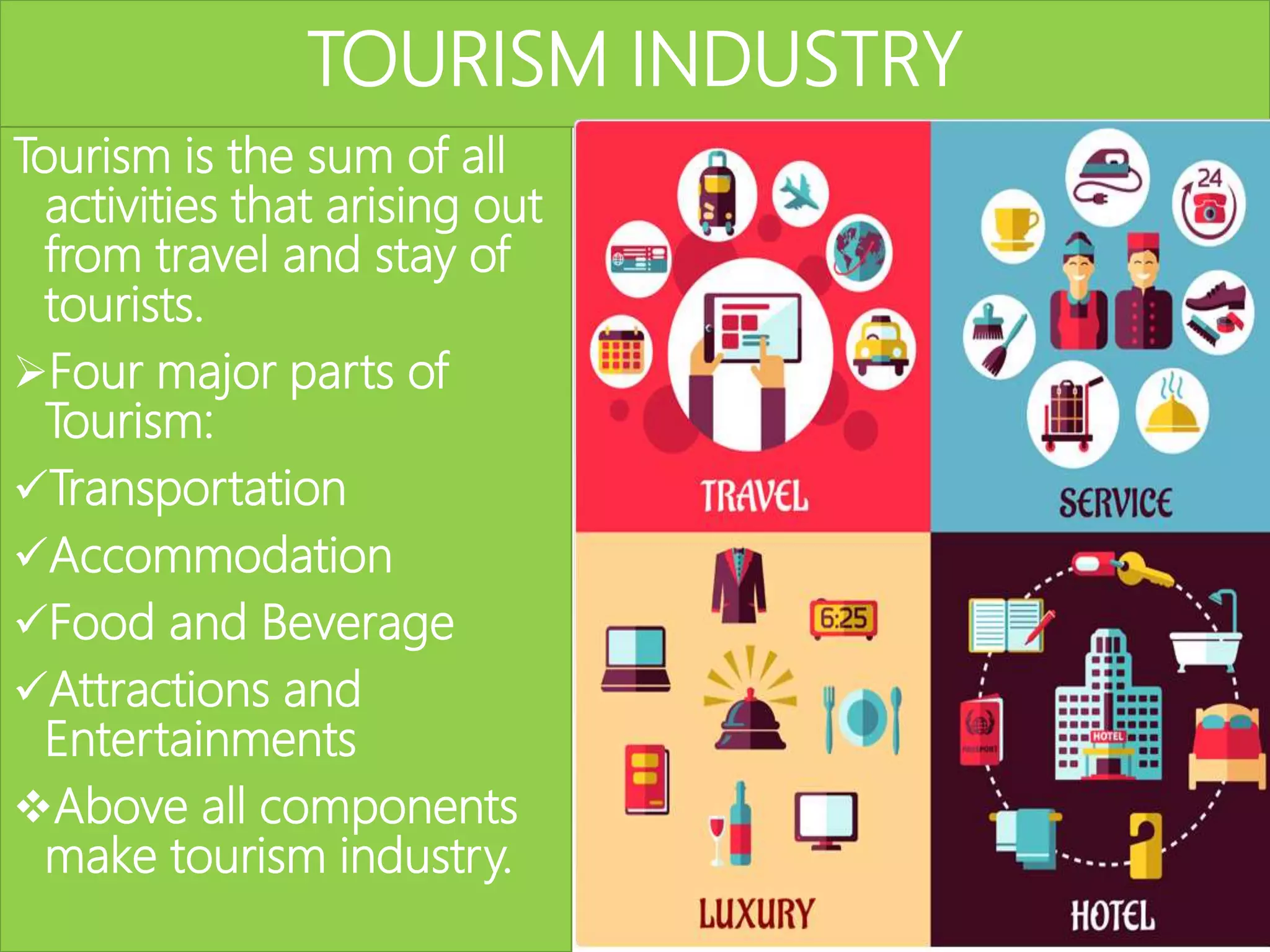
The travel industry is not a monolithic entity but rather a complex web of interrelated sectors. To understand the industry in 2026, one must analyze the five primary pillars that support global mobility and tourism. These sectors work in tandem; a disruption in one often ripples through the others, affecting global pricing and availability.
1. Transportation: The Arteries of Mobility
Transportation remains the most visible segment of the industry. This includes commercial aviation, rail networks, cruise lines, and car rental services. By 2026, the aviation sector has largely transitioned its focus from post-pandemic recovery to operational efficiency and the integration of Sustainable Aviation Fuel (SAF). High-speed rail in Europe and Asia has become a formidable competitor to short-haul flights, driven by consumer demand for lower carbon footprints.
2. Accommodation and Lodging
This pillar covers everything from luxury hotels and resorts to short-term rentals and hostels. The landscape in 2026 is characterized by a "barbell" market: high-end luxury properties offering hyper-personalized experiences and budget-friendly, automated "tech-hotels" that minimize human interaction to keep costs low. The professionalization of short-term rentals has led to stricter regulatory compliance, with platforms like Airbnb and VRBO operating under tight municipal guidelines.
3. Food and Beverage (F&B)
While often categorized under hospitality, F&B within the travel industry specifically targets travelers. This includes airport dining, cruise ship catering, and destination-specific culinary tourism. In 2026, the "gastronomy tour" is a major driver of travel, where the destination is chosen specifically for its culinary heritage or innovative food technology.
4. Recreation and Entertainment
This segment includes theme parks, museums, national parks, and live events. The "experience economy" has matured, with travelers prioritizing access to exclusive events or "bucket-list" activities over material purchases. Specialized niches, such as sports tourism (traveling for major tournaments) and wellness retreats, have seen double-digit growth.
5. Travel Intermediaries
Travel agencies, tour operators, and Online Travel Agencies (OTAs) serve as the connective tissue between service providers and consumers. While the direct-to-consumer (DTC) booking model is strong, the complexity of modern travel—including visa requirements and health protocols—has led to a resurgence in professional travel consultancy for high-stakes or multi-destination trips.
Economic Impact and Global Significance
The travel industry remains one of the world's largest economic sectors. According to the World Travel & Tourism Council (WTTC), travel and tourism contribute significantly to global GDP, often outperforming the growth rates of the general economy.
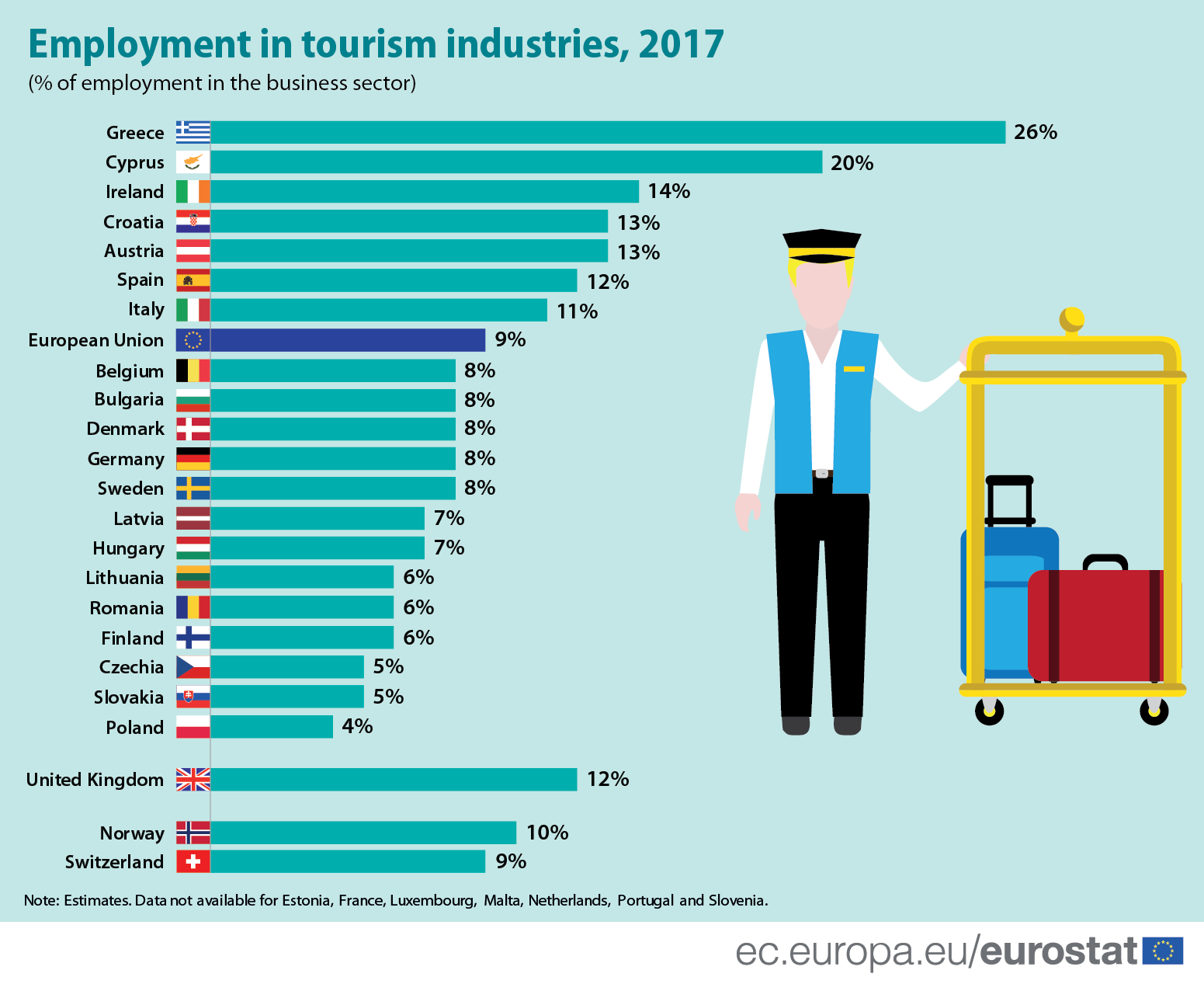
In 2026, the industry is a primary engine for job creation, particularly in developing economies. It supports one in ten jobs globally, ranging from entry-level hospitality roles to high-tech positions in revenue management and digital marketing. The "multiplier effect" of travel spending is profound; for every dollar spent on a hotel room, additional revenue is generated for local farmers, transport providers, and retail artisans.
However, the economic landscape is not without challenges. Inflationary pressures in the mid-2020s have shifted traveler behavior. "Value-seeking" has replaced "revenge travel," with consumers looking for off-peak opportunities and secondary "dupe" destinations—cities that offer similar vibes to famous capitals but at a fraction of the cost.
Technological Transformation: The 2026 Digital Landscape
Technology is no longer an adjunct to the travel experience; it is the foundation. The industry in 2026 is characterized by three major technological shifts:
Artificial Intelligence and Hyper-Personalization
Generative AI has evolved from a novelty into a sophisticated travel assistant. Modern booking engines use AI to analyze billions of data points—including past behavior, weather patterns, and real-time pricing—to suggest itineraries that are uniquely tailored to the individual. This "segment of one" marketing allows companies to optimize yield while providing travelers with relevant, friction-free options.
Biometrics and Contactless Travel
The "seamless journey" is a reality in many international hubs. Using facial recognition and digital identity tokens, travelers can move from the curb to the gate without ever showing a physical passport or boarding pass. This integration, supported by the International Air Transport Association (IATA), has significantly reduced processing times at airports and increased security through more accurate data matching.
The Backend: New Distribution Capability (NDC)
Behind the scenes, the way travel is sold has changed. The transition to NDC standards has allowed airlines to bypass traditional, rigid Global Distribution Systems (GDS) to offer more dynamic content and ancillary services directly to travel agents and consumers. This has made the pricing of flights and hotel rooms more fluid, changing by the hour based on demand and inventory levels.
Sustainability and the "Green" Mandate
In 2026, sustainability is no longer an optional "corporate social responsibility" (CSR) initiative; it is a regulatory and commercial necessity. The travel industry faces intense scrutiny regarding its environmental impact, leading to several structural changes:
- Decarbonization Targets: Airlines are under pressure to meet "Net Zero" milestones. This has led to massive investments in electric vertical takeoff and landing (eVTOL) aircraft for short distances and the scaling of SAF production.
- Overtourism Management: Popular destinations like Venice, Kyoto, and Amsterdam have implemented sophisticated visitor management systems. These include pre-booking requirements for entire city centers and "tourist taxes" used to fund local infrastructure and environmental restoration.
- The Rise of Slow Travel: A growing segment of the market prioritizes longer stays and slower modes of transport, such as rail or sea, to reduce their carbon footprint. This movement focuses on "quality of stay" rather than the number of destinations visited.
The UN Tourism organization provides extensive resources on how destinations can balance economic growth with cultural and environmental preservation.
Comparison of Industry Segments and Market Drivers
The following table outlines the current performance and primary drivers for the major sectors of the travel industry as of 2026.
| Industry Segment | 2026 Growth Outlook | Primary Driver | Key Challenge |
|---|---|---|---|
| Aviation | Moderate | Fleet Modernization / SAF | Fuel Price Volatility |
| Hospitality | High | Personalized "Lifestyle" Brands | Labor Shortages |
| Cruising | Stable | Multi-generational Travel | Environmental Regulations |
| Short-Term Rentals | Moderate | Remote Work / "Bleisure" | Urban Zoning Laws |
| Rail & Ground | High | Sustainability / Infrastructure | High Capital Expenditure |
| Experiential Travel | Very High | Cultural Authenticity | Scalability |
Navigating the 2026 Regulatory Environment
Travel is heavily influenced by geopolitical stability and regulatory frameworks. In 2026, several key areas demand the attention of both businesses and travelers:
Visa Digitalization and E-Visas
The era of physical visa stickers is rapidly closing. Most nations have moved to Electronic Travel Authorizations (ETAs) or e-visas. While this simplifies the application process, it also allows governments to use real-time data for border security. Travelers must now be more diligent about checking entry requirements well in advance, as automated systems are less forgiving of errors than human consular officers.
ESG Reporting
For businesses within the travel sector, Environmental, Social, and Governance (ESG) reporting has become mandatory in many jurisdictions. Publicly traded travel companies must disclose their carbon emissions, water usage, and labor practices. This transparency is increasingly used by institutional investors to determine the viability of travel-related assets.
Consumer Protection and Refunds
The mid-2020s saw a tightening of consumer protection laws, particularly in the European Union and North America. New regulations mandate automatic refunds for cancelled flights and clear disclosures regarding "hidden" resort fees in hotels. These laws have forced travel providers to improve their operational resilience to avoid massive payout liabilities.
The Future of Consumer Behavior: "Bleisure" and Beyond
The traditional distinction between business and leisure travel has largely evaporated. The "Bleisure" (Business + Leisure) or "Workation" trend is now a standard market segment. In 2026, many travelers extend business trips into weekend getaways, or work remotely from a destination for several weeks.
This shift has changed the requirements for accommodation. High-speed, reliable Wi-Fi is no longer an amenity; it is a utility as essential as electricity. Hotels have redesigned lobbies into co-working spaces, and airlines have adjusted their loyalty programs to reward individual travelers rather than just corporate accounts.
Furthermore, the "Experience Economy" has shifted toward Transformative Travel. People are no longer content with just seeing a landmark; they want to learn a skill, contribute to a local conservation project, or undergo a wellness transformation. This has led to a boom in niche travel operators who specialize in educational and philanthropic itineraries.
Frequently Asked Questions
What is the current state of the travel industry in 2026?
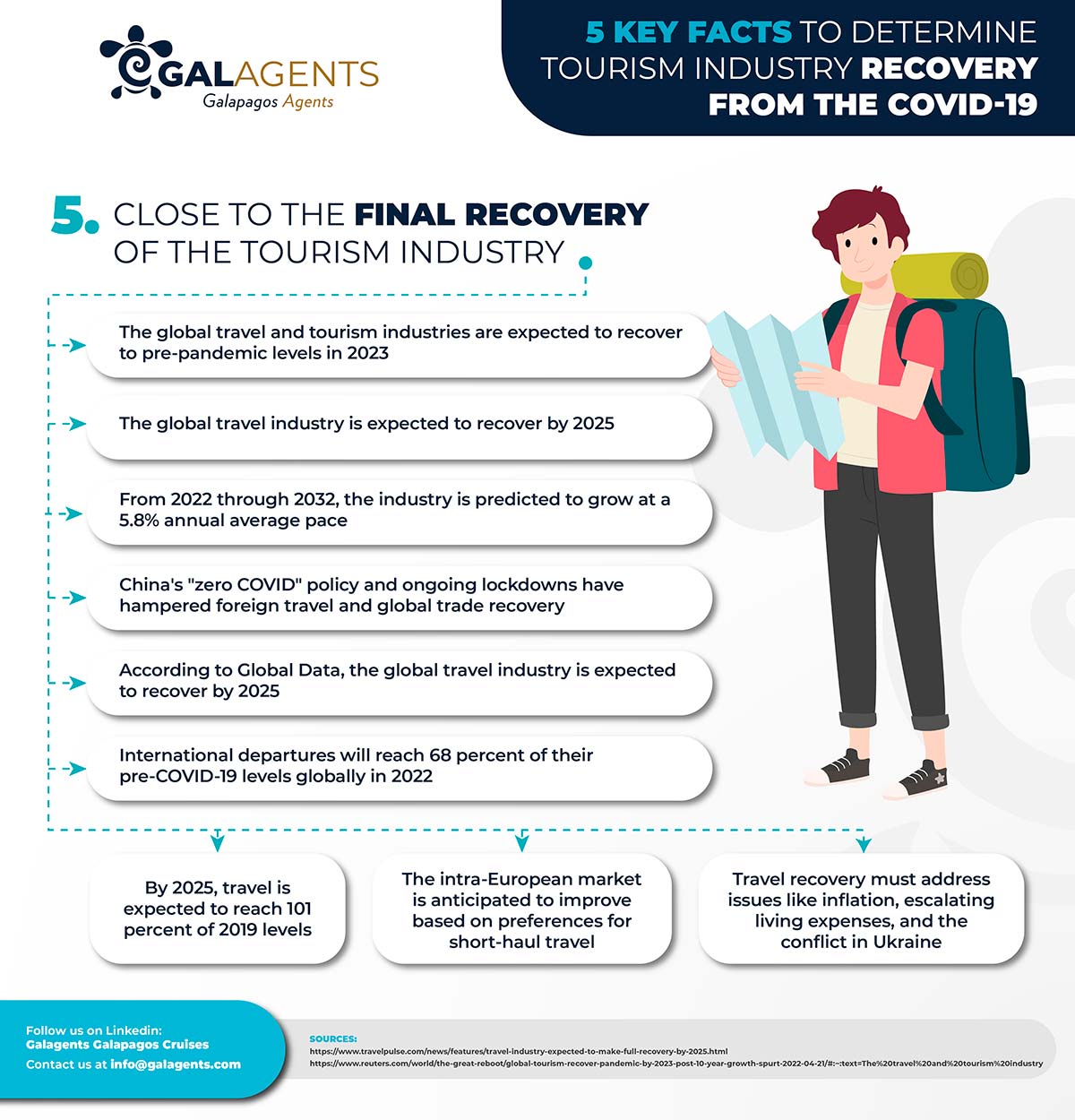
The industry is in a phase of stabilized growth characterized by high technological integration and a strong emphasis on sustainability. While the volume of travelers has surpassed 2019 levels, the "way" people travel has changed, with more focus on digital efficiency, environmental impact, and blended work-travel trips.
How is AI changing the way we book travel?
AI has moved beyond simple chatbots to become integrated "travel concierges." In 2026, AI can predict price fluctuations with high accuracy, create complex multi-city itineraries in seconds, and provide real-time language translation and navigation assistance through wearable devices and mobile apps.
Is travel more expensive in 2026?
Generally, yes. Increased costs are driven by the transition to sustainable fuels, higher labor costs in the hospitality sector, and the implementation of destination-specific tourist taxes. However, the market has also become more transparent, allowing savvy travelers to find value through "dupe" destinations and off-peak scheduling.
What is "Slow Travel" and why is it popular?
Slow travel is a mindset that prioritizes connection to local culture and environment over the rapid "ticking off" of tourist sites. It often involves longer stays in a single location and the use of lower-carbon transport like trains. It has gained popularity in 2026 as a response to both overtourism and the desire for more meaningful, less stressful experiences.
What are the biggest risks to the travel industry right now?
The primary risks include geopolitical instability, climate-related disruptions (such as extreme weather affecting flight schedules), and the ongoing challenge of labor shortages in service-heavy sectors. Additionally, cyber-security remains a top concern as the industry becomes more dependent on biometrics and interconnected data systems.
Practical Recommendations for Travelers and Professionals
For those looking to navigate the travel industry in 2026, whether as a consumer or a professional, the following actions are recommended:
- For Travelers: Embrace digital identity tools early. Setting up your biometric profile with major airlines and border agencies will significantly reduce transit friction. Always verify "entry requirements" via official government portals at least 30 days before departure, as digital visa rules can change overnight.
- For Industry Professionals: Prioritize data literacy and ESG compliance. The ability to interpret AI-driven analytics will be the most sought-after skill in revenue management. Furthermore, ensure your business has a clear, verifiable path to sustainability, as consumers are increasingly "voting with their wallets" for green-certified providers.
- For Investors: Look toward "Secondary Cities" and infrastructure technology. As major hubs reach capacity, the growth potential lies in the technology that enables efficient travel and the emerging destinations that offer authentic, less-crowded experiences.
The travel industry remains a resilient and vital part of the global economy. By staying informed about technological shifts and regulatory changes, stakeholders can successfully navigate this dynamic and ever-evolving landscape.