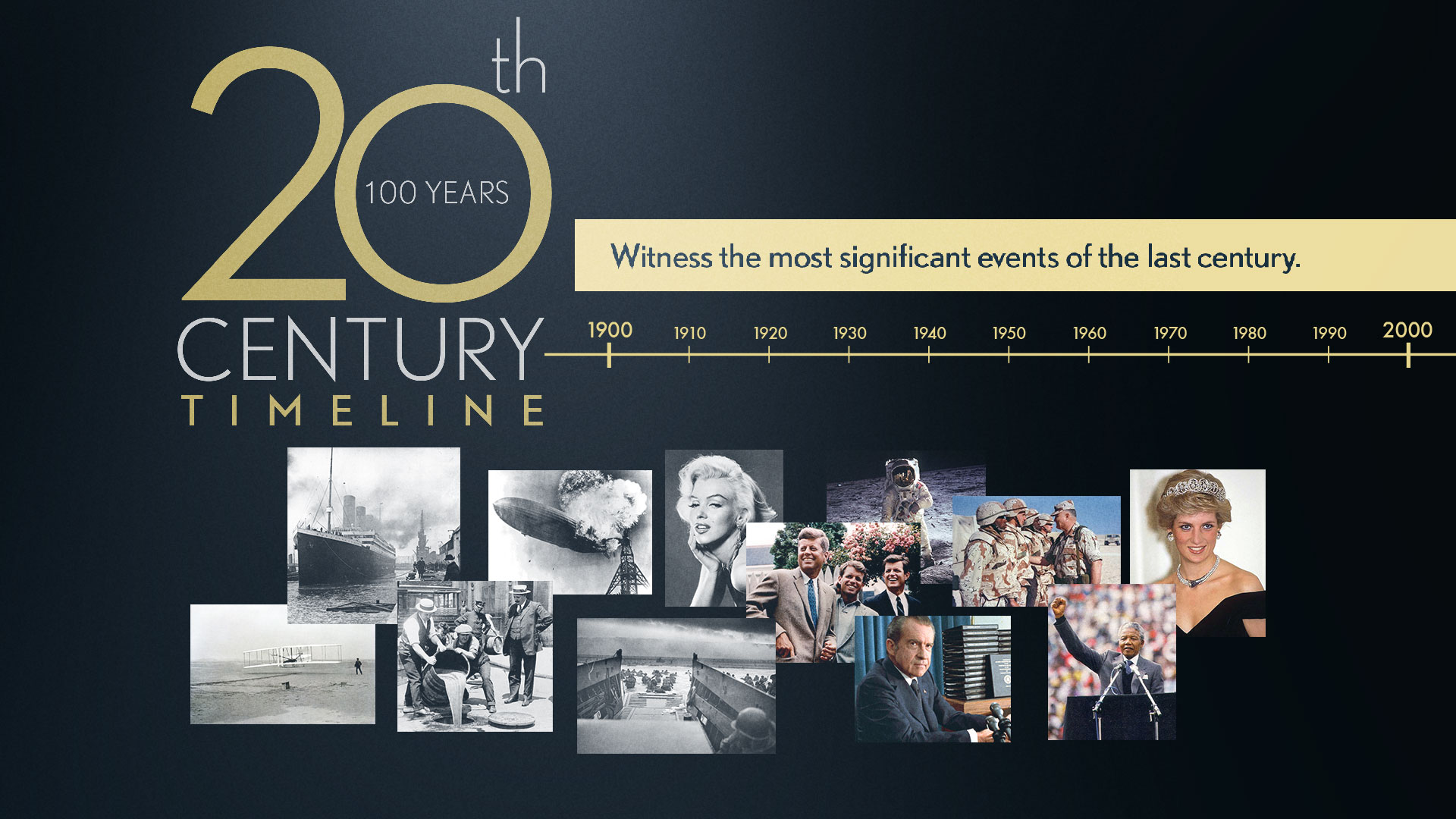
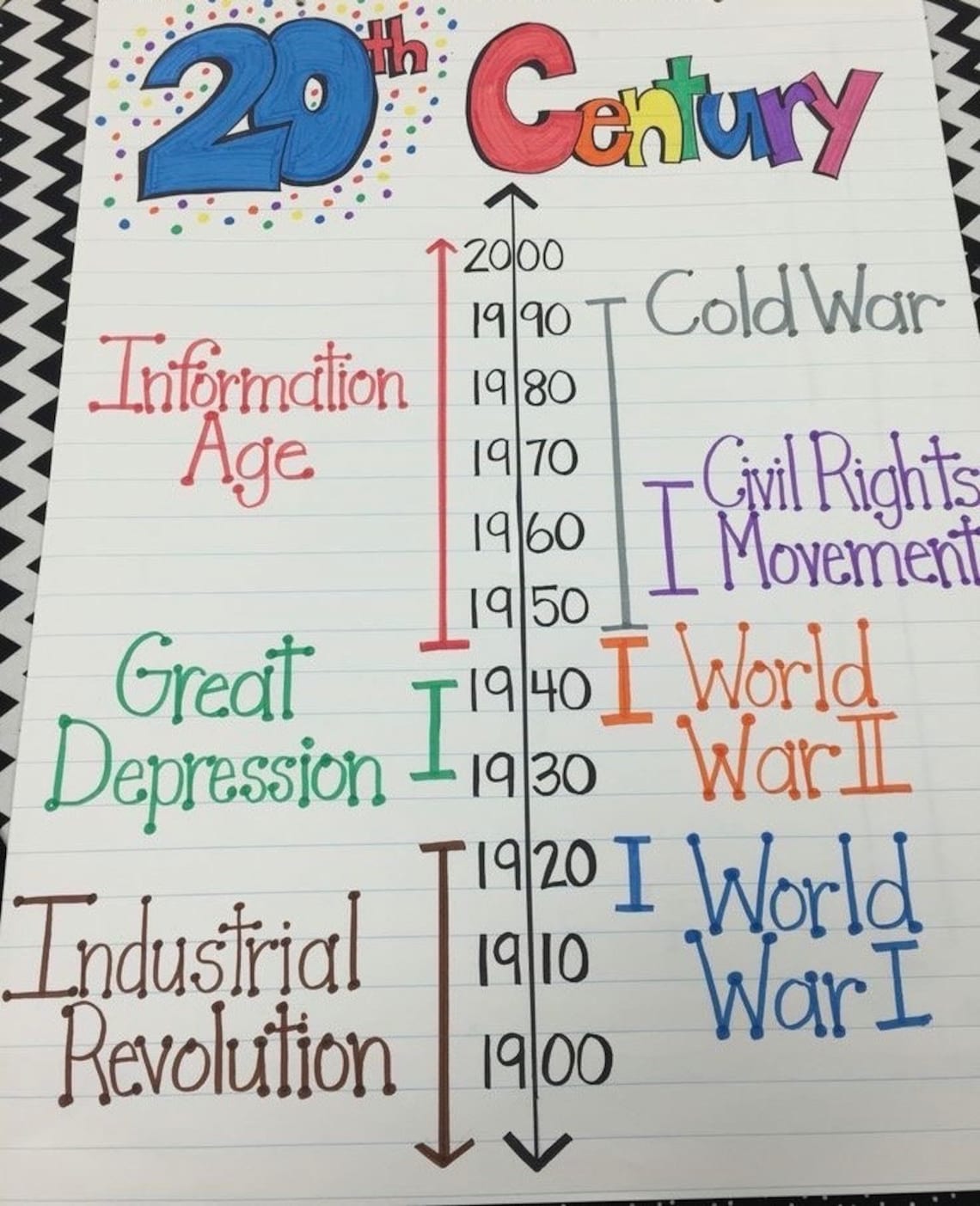
The 20th century in the United States was a transformative era defined by rapid industrialization, two world wars, the Great Depression, the rise of the civil rights movement, and the birth of the digital age. This period saw the nation evolve from an agrarian-leaning society into the world’s preeminent economic and military superpower, fundamentally reshaping global geopolitics and domestic social structures.
The Dawn of Modernity: 1900–1920
At the turn of the century, the United States was in the midst of the Second Industrial Revolution. The expansion of the railroad network, the widespread availability of electricity, and the mass production of the automobile—led by the introduction of the Ford Model T in 1908—began to shrink the physical distance between regions. This era was characterized by the Progressive Movement, where reformers sought to address the societal ills brought on by rapid urbanization, such as poor labor conditions, political corruption, and limited public health standards.
World War I served as a critical pivot point. While the U.S. initially practiced neutrality, its entry into the conflict in 1917 marked its emergence as a major player on the international stage. The war effort necessitated massive government intervention in the economy, setting a precedent for state involvement that would be expanded during subsequent decades.
Prosperity, Collapse, and Reclamation: 1920–1945
The 1920s, often termed the "Roaring Twenties," were marked by a surge in consumerism, the rise of jazz, and the cultural shifts of the Harlem Renaissance. However, this period of speculation ended abruptly with the Stock Market Crash of 1929. The ensuing Great Depression was the most severe economic downturn in American history. It tested the fabric of democracy, leading to the implementation of the New Deal under President Franklin D. Roosevelt.
The New Deal introduced fundamental pillars of the American social contract that persist today, including Social Security, the Federal Deposit Insurance Corporation (FDIC), and federal support for labor unions through the Wagner Act. These reforms provided a safety net that redefined the relationship between the federal government and individual citizens.
The era concluded with World War II, which effectively ended the Great Depression by stimulating full industrial mobilization. The U.S. emerged as one of the two dominant superpowers, holding a nuclear monopoly and possessing a massive, undamaged industrial base, setting the stage for the Cold War.
The Cold War and Social Reconstruction: 1945–1980
The post-war period was defined by the ideological struggle between the United States and the Soviet Union. Domestically, this manifested as a dual experience: one of suburban growth and economic prosperity, and another of profound social tension. The G.I. Bill provided education and housing loans to millions of veterans, catalyzing the growth of the middle class and the expansion of the suburbs.
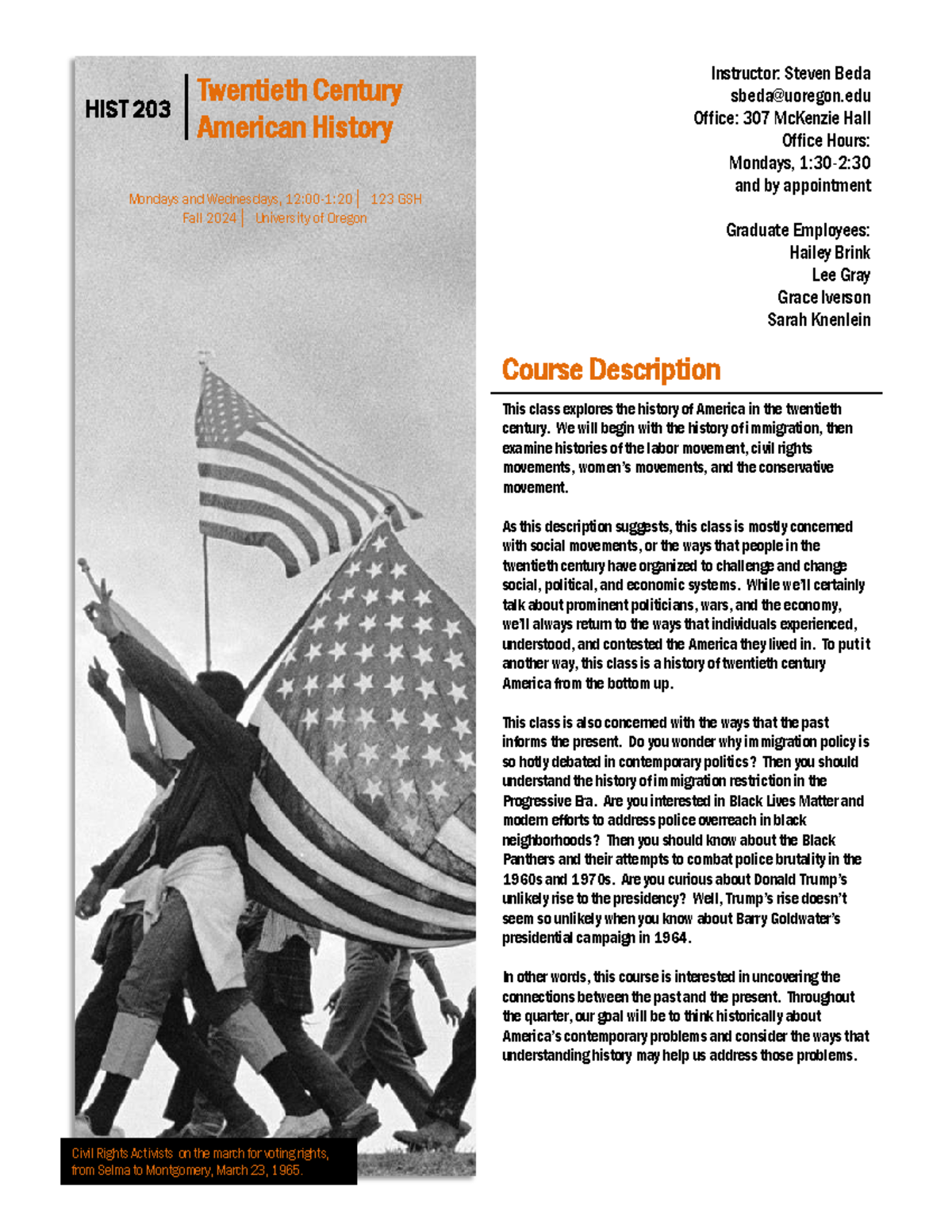
Simultaneously, the Civil Rights Movement challenged the institutionalized racial segregation of the Jim Crow era. Legal victories, such as Brown v. Board of Education (1954), and grassroots activism resulted in landmark legislation, including the Civil Rights Act of 1964 and the Voting Rights Act of 1965. These laws were instrumental in dismantling the legal framework of discrimination, though the process of societal integration remained a long and contentious struggle.
Key Political and Social Shifts
| Period | Primary Focus | Major Outcome |
|---|---|---|
| 1900–1920 | Progressivism / Industrialization | Labor reforms and expansion of federal power |
| 1929–1939 | The Great Depression | Creation of the modern welfare state (New Deal) |
| 1945–1960 | Post-War Boom / Cold War | Rise of the middle class and suburbanization |
| 1960–1980 | Civil Rights / Social Change | Expansion of civil liberties and voting rights |
The Information Age and Global Integration: 1980–1999
The final two decades of the century were defined by economic deregulation, the end of the Cold War, and the inception of the digital revolution. The collapse of the Soviet Union in 1991 left the U.S. as the sole global superpower, leading to a decade of relative economic expansion during the 1990s.
Technological advancements moved at a breakneck pace. The development of the personal computer and the subsequent commercialization of the internet in the mid-1990s fundamentally altered how information was processed, stored, and shared. By 1999, the foundation for the interconnected, high-speed global economy was firmly in place, representing a total departure from the agrarian landscape that had defined the nation a hundred years prior.
Understanding the Historical Context
To understand the United States today, one must evaluate the specific trajectories of these decades. The "American Century," as it was often called, was not a linear progression of progress but a series of reactive shifts where social movements forced the government to expand the definitions of citizenship and equality.
Prerequisites for Historical Analysis
- Primary Source Engagement: Relying on period-specific documentation, such as the Congressional Record or news archives from the time, is essential to avoid modern bias.
- Contextual Awareness: Understanding that laws (such as the Jim Crow laws) were legally enforceable in their time, despite being morally and later legally repudiated, is necessary for an objective view.
- Economic Literacy: Analyzing the impact of the Federal Reserve’s policies in the early 20th century helps explain the boom-and-bust cycles that defined the era.
Common Historical Misconceptions
A frequent mistake in analyzing 20th-century America is viewing the middle of the century as a monolithic period of stability. In reality, the 1950s—often romanticized—were a time of immense anxiety, marked by McCarthyism, the threat of nuclear annihilation, and the suppression of dissident voices. Similarly, viewing the Civil Rights Movement as having ended in the late 1960s ignores the ongoing efforts to address systemic inequalities that persisted well into the final years of the century.
Frequently Asked Questions
What was the most significant economic event of the 20th century? The Great Depression is widely considered the most significant. It not only caused unprecedented financial hardship but also triggered a permanent change in the U.S. government’s role in economic regulation, leading to the creation of institutions that still manage the nation's financial stability today.
How did World War II influence the American economy? World War II acted as a massive stimulus. By pivoting the entire industrial base to war production, the U.S. achieved full employment and developed high-tech manufacturing capabilities that allowed it to lead the global economy for decades following the war’s conclusion.
What was the primary goal of the Progressive Movement? The Progressive Movement sought to address the negative impacts of industrialization. Its goal was to ensure that the government protected citizens from the excesses of powerful corporations, improved public health, ensured clean food and water, and addressed income inequality.
When did the U.S. transition to a digital economy? The transition began in the 1970s and 1980s with the invention of the microprocessor, but it accelerated rapidly in the 1990s. By 1995, the widespread adoption of the internet for commerce and communications marked the official entry into the Information Age.
Next Actions for Further Research
To gain a deeper understanding of this era, prioritize reviewing digitized primary sources from the National Archives. These records offer granular insight into legislative debates and administrative decisions that shaped the nation. For a comprehensive overview of social movements, academic databases focusing on oral histories provide the necessary context that standardized history books often omit.