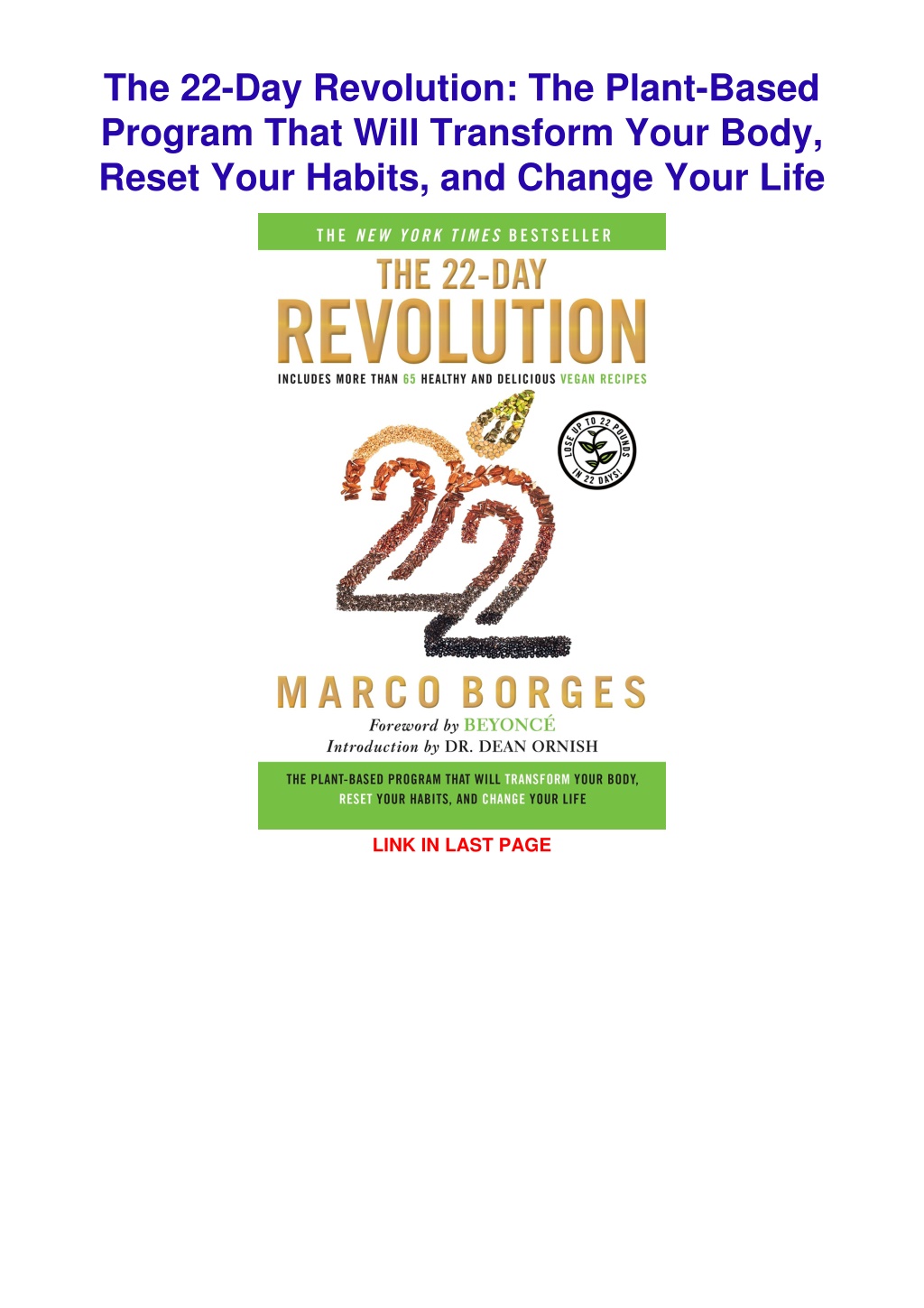
The 22-Day Revolution is a plant-based nutrition program created by exercise physiologist Marco Borges, designed to transform health through a 22-day commitment to whole-food, vegan eating. Based on the psychological principle that it takes 21 days to form a habit, the program utilizes a high-carbohydrate, low-fat macro profile to promote weight loss and cellular health.
The Philosophy and Origins of the 22-Day Revolution
The 22-Day Revolution gained global prominence through its association with high-profile proponents, most notably Beyoncé and Jay-Z, who transitioned to a plant-based lifestyle under the guidance of its creator, Marco Borges. However, the program is rooted in more than celebrity endorsement; it is built on the physiological and psychological underpinnings of habit formation and the systemic benefits of a Whole Food Plant-Based (WFPB) diet.
Borges established the program on the premise that the human brain and body require a specific window of consistency to overwrite old dietary patterns. While the "21-day habit" rule is a popular psychological concept originally derived from observations by Dr. Maxwell Maltz, Borges adds a twenty-second day to signify the first day of a "new life." By 2026, the program has evolved from a standalone book into a comprehensive digital ecosystem, though its core tenets remain centered on the elimination of animal products, processed sugars, and refined oils.
The primary objective is to move away from the Standard American Diet (SAD), which is typically high in inflammatory fats and low in fiber. By flooding the body with phytonutrients, antioxidants, and complex carbohydrates, the 22-Day Revolution aims to reset the metabolism, improve insulin sensitivity, and promote sustainable weight management without the traditional restriction of caloric volume.
The Five Core Rules of the Program
To achieve the intended results of the 22-Day Revolution, participants are required to adhere to five foundational pillars. These rules are designed to simplify decision-making and ensure the body remains in an optimal state for nutrient absorption and detoxification.
1. Choose Plant-Based Over Processed
The central requirement is the total exclusion of animal products, including meat, poultry, fish, eggs, and dairy. However, the program goes further by emphasizing "whole" foods. This means avoiding "vegan junk food"—highly processed meat substitutes or sugary snacks that happen to be plant-based but lack nutritional density. In 2026, despite the proliferation of laboratory-grown meats and advanced plant-based isolates, the 22-Day Revolution maintains its focus on legumes, tubers, whole grains, fruits, and vegetables.
2. Eat Three Mindful Meals a Day
Unlike many modern intermittent fasting protocols, Borges typically advocates for three distinct meals. The focus is on mindful eating—stopping when you are full and ensuring that each meal is a deliberate event. This structure helps stabilize blood sugar levels throughout the day and prevents the "grazing" behavior that often leads to overconsumption of calorie-dense nuts or processed snacks.
3. The 80/10/10 Macronutrient Ratio
One of the more technical aspects of the program is its specific macronutrient breakdown. The 22-Day Revolution targets a ratio of approximately 80% carbohydrates, 10% protein, and 10% fat. This is a high-carbohydrate, low-fat (HCLF) approach.
- Carbohydrates: These must come from complex sources like sweet potatoes, brown rice, quinoa, and legumes.
- Protein: Sourced entirely from plants, such as beans, lentils, and greens.
- Fat: Restricted to "whole" sources like avocados and seeds, used sparingly to keep total fat intake low, which Borges argues optimizes cardiovascular health and weight loss.
4. Commit to 30 Minutes of Daily Exercise
Nutrition is the primary lever, but physical activity is the catalyst. The program mandates at least 30 minutes of movement every day. This does not necessarily require high-intensity interval training (HIIT); it can include brisk walking, cycling, or yoga. The goal is to improve lymphatic drainage and support the metabolic shift occurring through the diet.
5. Prioritize Hydration
Participants are encouraged to drink ample water, often starting the day with a glass of water with lemon. Hydration is critical during the 22-day window as the body sheds excess sodium and the fiber intake increases significantly. Adequate water intake prevents digestive discomfort and helps maintain energy levels as the body transitions away from caffeine or sugar-driven energy spikes.
Nutritional Requirements: What to Eat and Avoid
Navigating the 22-Day Revolution requires a clear understanding of compliant ingredients. The program is naturally gluten-free in many of its iterations, as it favors grains like quinoa and rice over wheat, and it originally suggested avoiding soy to focus on more "ancestral" legumes, though some modern interpretations are more flexible with organic fermented soy like tempeh.
| Category | Permitted Foods (The "Yes" List) | Foods to Avoid (The "No" List) |
|---|---|---|
| Proteins | Lentils, chickpeas, black beans, hemp seeds, spirulina, chia seeds. | Beef, poultry, pork, fish, eggs, whey protein, highly processed soy isolates. |
| Carbohydrates | Sweet potatoes, oats, quinoa, brown rice, amaranth, all fruits. | White bread, pastries, pasta (unless gluten-free/whole grain), white sugar. |
| Vegetables | Kale, spinach, broccoli, cauliflower, asparagus, zucchini. | Vegetables fried in oil or covered in dairy-based sauces. |
| Fats | Small amounts of avocado, raw walnuts, pumpkin seeds, flaxseeds. | Butter, lard, margarine, vegetable oils (canola, corn), coconut oil. |
| Beverages | Water, herbal tea, lemon water, occasional green juice. | Soda, alcohol, sweetened coffee drinks, energy drinks. |
The Biological Impact of the 22-Day Shift
When a person transitions from a standard diet to the 22-Day Revolution, several physiological changes occur. Understanding these transitions can help participants manage the "detox" phase that often occurs in the first week.
Gut Microbiome Reconfiguration
The sudden influx of prebiotic fiber from legumes and cruciferous vegetables causes a rapid shift in gut bacteria. While this eventually leads to a more robust and diverse microbiome, the initial few days may involve bloating or changes in digestion. This is the body’s way of adjusting to the increased "bulk" and the elimination of inflammatory compounds found in processed meats and dairy.
Insulin Sensitivity Improvements
By focusing on complex carbohydrates and eliminating refined sugars and saturated fats, the program helps improve insulin sensitivity. Saturated fats can contribute to "intracellular lipid" buildup, which interferes with insulin's ability to usher glucose into cells. The low-fat nature of the 22-Day Revolution aims to clear this interference, leading to more stable energy levels and reduced cravings.
Inflammation Reduction
Animal products, particularly red and processed meats, contain compounds like Neu5Gc and TMAO (trimethylamine N-oxide), which have been linked to systemic inflammation. By removing these and replacing them with phytonutrients such as sulforaphane (from broccoli) and anthocyanins (from berries), participants often report reduced joint pain and improved skin clarity within the three-week window.
Practical Implementation: A Day in the Revolution
Success on the 22-Day Revolution is heavily dependent on preparation. Since the diet excludes many "convenience" foods, meal prepping is essential. A typical day under the 2026 guidelines might look like the following:
- Upon Waking: Large glass of room-temperature water with half a squeezed lemon to stimulate digestion.
- Breakfast: Steel-cut oats topped with fresh blueberries, a tablespoon of ground flaxseeds, and a splash of unsweetened almond milk.
- Lunch: A large "power bowl" consisting of massaged kale, cooked quinoa, black beans, roasted sweet potato cubes, and a dressing made of lemon juice and a small amount of tahini.
- Afternoon Snack (Optional): An apple with a few raw walnuts or celery sticks.
- Dinner: Red lentil dal served over steamed brown rice with side of sautéed spinach (using water or vegetable broth instead of oil).
- Evening: Herbal tea (chamomile or peppermint) to encourage restful sleep.
Critical Considerations and Potential Challenges
While the 22-Day Revolution offers significant benefits, it is not without challenges. Critics and nutritionists often point to specific areas where participants must be diligent to ensure long-term health.
Vitamin B12 and Vitamin D
A strictly plant-based diet lacks a natural source of Vitamin B12, which is essential for nerve function and red blood cell production. While 22 days is a short period, those who choose to continue the lifestyle beyond the initial "revolution" must supplement with B12. Similarly, Vitamin D levels should be monitored, especially in individuals with limited sun exposure.
The Low-Fat Barrier
The 10% fat limit is quite stringent. While beneficial for rapid weight loss and heart health, fat is necessary for the absorption of fat-soluble vitamins (A, D, E, and K). Participants should ensure that their 10% fat intake comes from high-quality sources like walnuts or avocados rather than relying on trace fats in grains alone.
Social and Environmental Obstacles
In 2026, while plant-based options are more prevalent in restaurants, the 22-Day Revolution's strict "no-oil" and "whole-food" requirements can make dining out difficult. Most restaurant vegan options are still prepared with significant amounts of refined oils or salts. Success often requires "pre-loading" (eating a small meal before going out) or specifically requesting steamed or oil-free preparations.
Comparison: 22-Day Revolution vs. Other Plant-Based Protocols
To understand where the 22-Day Revolution sits in the nutritional landscape, it is helpful to compare it to other prominent WFPB diets.
| Feature | 22-Day Revolution | Fork Over Knives / McDougall | Keto / Paleo (Comparison) |
|---|---|---|---|
| Primary Goal | Habit Formation & Weight Loss | Disease Reversal (Diabetes/Heart) | Fat Adaptation / Satiety |
| Fat Content | Very Low (approx. 10%) | Very Low (No added oils) | Very High (Keto) / Moderate (Paleo) |
| Duration | 22-Day Challenge | Indefinite Lifestyle | Indefinite / Cyclic |
| Key Focus | Mindset and Accessibility | Clinical evidence / Starch-based | Insulin control via carb restriction |
| Celebrity Influence | High (Beyoncé/Jay-Z) | Moderate (Documentary-based) | High (Various) |
Common Mistakes to Avoid
- Under-eating Calories: Because plant foods are less calorically dense than animal products, you must eat a larger volume of food. Failing to eat enough can lead to fatigue, which people often mistake for a "lack of protein."
- Over-reliance on Fruit: While fruit is healthy, the bulk of the 22-day meals should be comprised of vegetables and legumes to ensure a steady supply of minerals and to avoid excessive spikes in fructose intake.
- Ignoring the Exercise Component: The 22-Day Revolution is a holistic program. Skipping the 30 minutes of daily movement reduces the metabolic benefits and can slow the habit-formation process.
- Not Planning for the "Day 23": Many people treat the 22nd day as a finish line and immediately revert to old habits. The program is intended to be a launchpad for a permanent shift in how one views food.
FAQs
Can I drink coffee on the 22-Day Revolution?
Technically, black coffee is permissible in moderation, but the program encourages moving away from stimulants. If you do drink coffee, it must be free of dairy-based creamers and refined sugars. Many participants find that as their energy levels stabilize through better nutrition, their "need" for caffeine diminishes.
Is the program safe for athletes?
Yes, many professional athletes use the 22-Day Revolution to improve recovery times and reduce inflammation. However, athletes may need to increase their portion sizes significantly to meet their caloric demands, focusing on "clean" starches like oats and potatoes to maintain glycogen stores.
Do I have to buy the 22 Days Nutrition meal delivery?
No. While Marco Borges offers a meal delivery service under the "22 Days Nutrition" brand (which remains active in 2026), the program can be followed entirely by preparing your own meals using the guidelines found in his books and digital planners. The delivery service is a convenience tool, not a requirement for success.
Why is it 22 days instead of 21?
The concept is based on the idea that 21 days are required to break an old habit and establish a new one. The 22nd day is symbolic; it represents the first day of your new lifestyle where the healthy choice has become the "path of least resistance."
Is soy allowed on the 22-Day Revolution?
In the original 2015 publication, Borges suggested limiting soy to focus on other legumes. However, in more recent iterations and 2026 guidelines, organic, non-GMO, and fermented soy products like tempeh or edamame are generally accepted as high-quality plant proteins, provided they are not highly processed "fake meats."
Final Recommendation: How to Start
If you are looking to begin the 22-Day Revolution, the most effective first step is a "pantry purge." Remove all processed snacks, dairy, and meat products from your home to eliminate temptation during the first critical week. Acquire the 22-Day Revolution book or subscribe to the digital meal planner to access a structured roadmap.
Begin by transitioning your breakfast to a plant-based option for three days before the full 22-day start date. This "soft launch" helps your digestive system adjust. Once you begin, prioritize consistency over perfection; if you miss a workout or eat a non-compliant ingredient, do not abandon the program. Simply return to the guidelines at the very next meal. By the time you reach Day 22, the psychological and physical benefits—ranging from improved sleep to weight loss—will likely provide the momentum needed to maintain a plant-centric lifestyle permanently.
Disclaimer: This information is for educational purposes. Consult with a healthcare professional before starting any new diet or exercise program, especially if you have underlying health conditions or are taking medication.