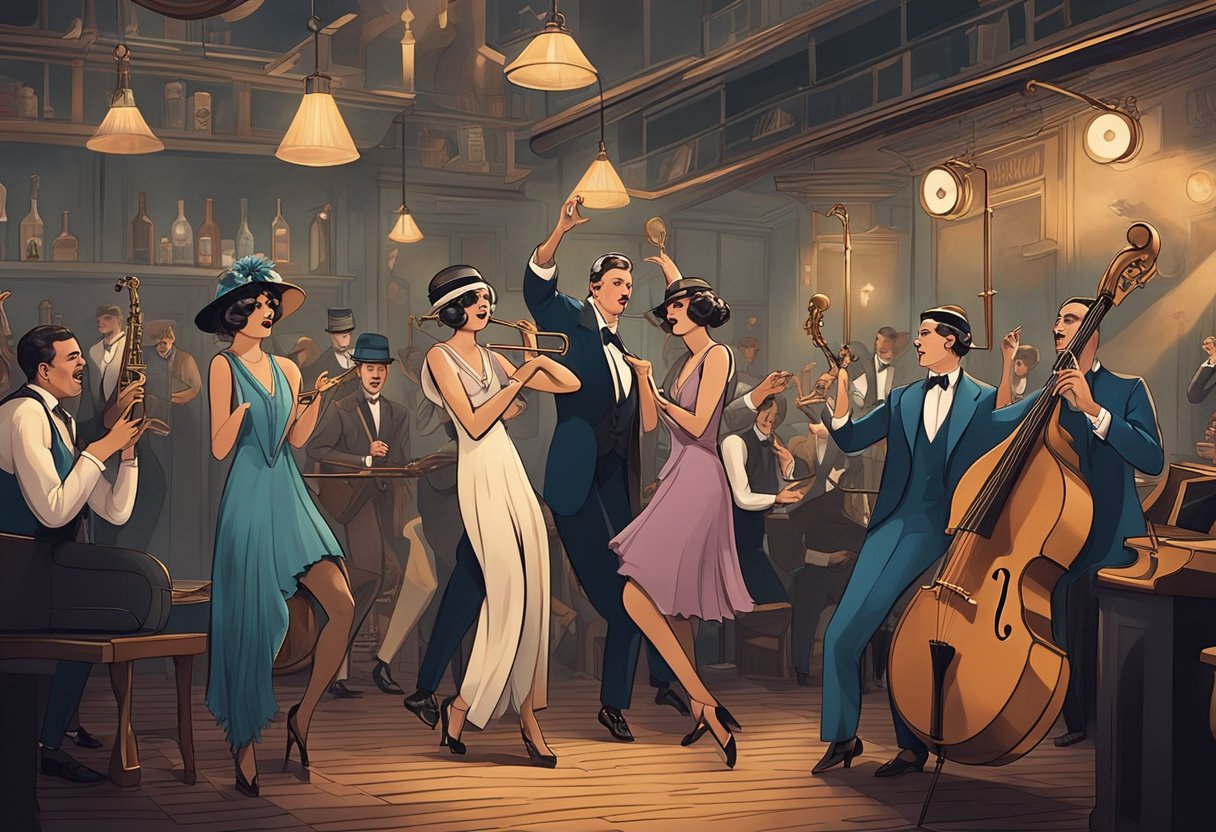
The 1920s musical represents a transformative era in theater history, defined by the shift from operetta and vaudeville to the integration of cohesive plots with jazz-influenced scores. This period solidified the "book musical" as a dominant art form, merging contemporary popular music with character-driven narratives that captured the frantic energy and societal shifts of the Roaring Twenties.
The Foundation of the 1920s Musical Landscape
The 1920s served as a crucible for American musical theater. Following the First World War, the public appetite shifted away from the structured, often imported European operettas toward something that felt distinctly American. This transition was marked by the rise of rhythmically driven scores, colloquial lyrics, and a lighter, more optimistic tone that mirrored the economic boom of the decade.
At the start of the decade, the Ziegfeld Follies remained a cultural touchstone, showcasing the revue format—a series of sketches, songs, and dances without a central narrative. However, producers and composers began to recognize that audiences were seeking more than just spectacle; they wanted stories that reflected their own lives, albeit through an idealized, glitzy lens. This desire led to the birth of the "Princess Theatre" style musicals, pioneered by Jerome Kern, Guy Bolton, and P.G. Wodehouse, which demonstrated that musicals could work effectively in smaller venues with intimate, realistic plots.
Integrating Jazz and Syncopation
Perhaps the most significant technical advancement in the 1920s musical was the adoption of jazz and syncopated rhythms. Composers such as George Gershwin, Irving Berlin, and Cole Porter moved away from the rigid tempos of the late 19th century. By incorporating elements of African American musical tradition—specifically ragtime and early jazz—they created a new sound that felt inherently modern.
The integration of these musical styles required changes in performance technique. Singers began to favor a more natural, conversational delivery that contrasted with the operatic vocal stylings of previous eras. This shift facilitated the rise of the "crooner" and allowed for more nuanced characterization during song sequences. The music was no longer just a break in the action; it became a vehicle for expressing character motivation and furthering the plot.
Notable Productions and Creative Milestones
Several productions during this era serve as primary examples of the structural evolution of the genre.
- Shuffle Along (1921): Often cited as the production that revitalized the Broadway musical, this all-Black creative team and cast brought high-energy jazz and tap dancing to the forefront. Its success proved that sophisticated musical comedy could be sustained by minority creators and performers, breaking racial barriers in the process.
- Lady, Be Good (1924): This Gershwin masterpiece featured songs that became pop-culture standards. It solidified the importance of the song-and-dance team, popularized by Fred and Adele Astaire, and set a template for the "boy meets girl" plot structure that would dominate the decade.
- Show Boat (1927): Perhaps the most critical development of the decade, Show Boat (composed by Jerome Kern with lyrics by Oscar Hammerstein II) broke the mold of musical comedy. By dealing with serious themes—including racial prejudice and tragic marriage—within a musical framework, it proved that the genre could tackle complex social issues. It is widely considered the first true "integrated musical" where music, lyrics, and book were inextricably linked to the narrative.
Comparison of Musical Forms in the 1920s
To understand why the 1920s musical was so revolutionary, it is helpful to compare it against the established forms of the time.
| Feature | Operetta / Revue | 1920s Musical Comedy |
|---|---|---|
| Narrative Structure | Loose or non-existent | Book-driven, coherent story |
| Primary Goal | Spectacle and variety | Character development and plot |
| Musical Style | Classical, formal, ornate | Jazz, syncopated, pop-oriented |
| Staging | Elaborate, massive sets | Varied, often contemporary settings |
| Audience Focus | Aristocratic/Traditional | Middle-class/Mass market |
Prerequisites for Understanding the Era
For researchers or enthusiasts looking to study 1920s musicals, it is essential to approach the subject with an understanding of the theatrical constraints of the time. Theater in the 1920s relied heavily on live orchestration and the physical presence of actors, as electronic amplification was in its infancy. Unlike modern "megamusicals" that rely on heavy sound design and digital automation, 1920s productions were defined by the chemistry between the performers and the live orchestra in the pit.
When analyzing these works today, one must account for the loss of original performance nuances. Because high-fidelity recording did not exist for most of the decade, much of our knowledge comes from sheet music, prompt books, and secondary accounts. Understanding the "vibe" of the Jazz Age—the social obsession with speed, youth, and modernity—is just as important as reading the lyrics.
The Role of Dance and Choreography
The 1920s musical would not have been complete without the influence of the "dance craze." The Charleston, the Black Bottom, and the Lindy Hop were not merely social dances; they were integrated into the fabric of the stage show. Choreographers like George Balanchine later began to experiment with balletic influences in musicals, but in the 1920s, the emphasis was on rhythmic precision and high-energy ensemble movement. The chorus line, popularized by the Ziegfeld Follies, evolved into a more integrated troupe that helped carry the show’s energy from start to finish.
Challenges and Limitations of the Period
While the 1920s was a period of innovation, it was also a time of significant creative and social limitation. The reliance on stereotypes, particularly regarding race and gender, is prevalent in many original books from this era. When reviving or studying these works in 2026, scholars and practitioners often engage in critical analysis of how these scripts reflected the prejudices of their time.
Furthermore, the "book" of these musicals often remains the weakest link. While the music and dances were innovative, the plots were frequently thin, relying on farcical coincidences and paper-thin character archetypes. Bridging the gap between the brilliant score and a dated or problematic script remains a major challenge for contemporary directors looking to produce works from this period.
Practical Guidance for Researchers and Enthusiasts
If you are aiming to study or produce a 1920s musical in 2026, follow these steps:
- Verify Licensing and Rights: Many 1920s scores are in the public domain, but specific librettos (the "book" of the musical) may still be under copyright depending on the specific revisions or published editions. Always check the current status via organizations like the Dramatists Guild or specific licensing houses.
- Access Primary Documentation: Utilize the New York Public Library’s Performing Arts collection or similar archives. Original programs and sheet music are your best tools for understanding original intent.
- Contextualize the Social History: Research the specific political and economic climate of the year the musical was produced. The optimism of 1924 is distinct from the frantic excess of 1929, right before the stock market crash.
- Focus on Stylistic Authenticity: When performing, emphasize the syncopation and the "swing" feel of the music. Avoid modern vocal belt techniques where a more period-appropriate, conversational, or light head-voice would be historically accurate.
Frequently Asked Questions
What defines a "book musical" in the 1920s? A book musical is a show where the songs and dances are fully integrated into a well-made story with dramatic goals. In the 1920s, this meant moving away from random variety acts toward a structure where the music helped move the plot forward or express character development.
Was Show Boat the only important musical of the 1920s? No, while Show Boat is the most famous for its structural maturity, it was part of a larger movement. Shows like No, No, Nanette and the various Gershwin works were equally vital in defining the sound and pace of the decade.
How did the Great Depression affect 1920s musicals? The 1920s musicals were largely a product of the "Roaring" economy. As the decade closed and the Depression hit in late 1929, the tone of Broadway shifted from escapist frivolity toward more socially conscious or escapist-fantasy work to distract from the economic despair.
Are there recordings of these original 1920s casts? Very few. Most recordings from the 1920s were "studio cast" recordings or pop covers of the hit songs rather than original cast albums as we know them today. Many original performances exist only in memory and written records.
How do I handle dated racial portrayals in 1920s scripts? This is a subject of ongoing debate in theater circles. Most professional directors now use "dramaturgical framing," where they provide historical context to the audience or edit the script to remove egregious stereotypes while keeping the artistic integrity of the music intact.
Conclusion and Next Steps
The 1920s musical was a pivotal movement that defined the modern Broadway sound. For those looking to dive deeper, the most effective next step is to examine the sheet music of the era alongside recordings of historical performances. By studying the specific syncopation and lyrical choices of composers like Gershwin and Kern, you can gain a deeper appreciation for how this decade paved the way for every musical that followed. Whether you are a student, a historian, or a practitioner, start your research by selecting a single production from the 1924–1927 window to track how the score and the script began to harmonize for the first time.