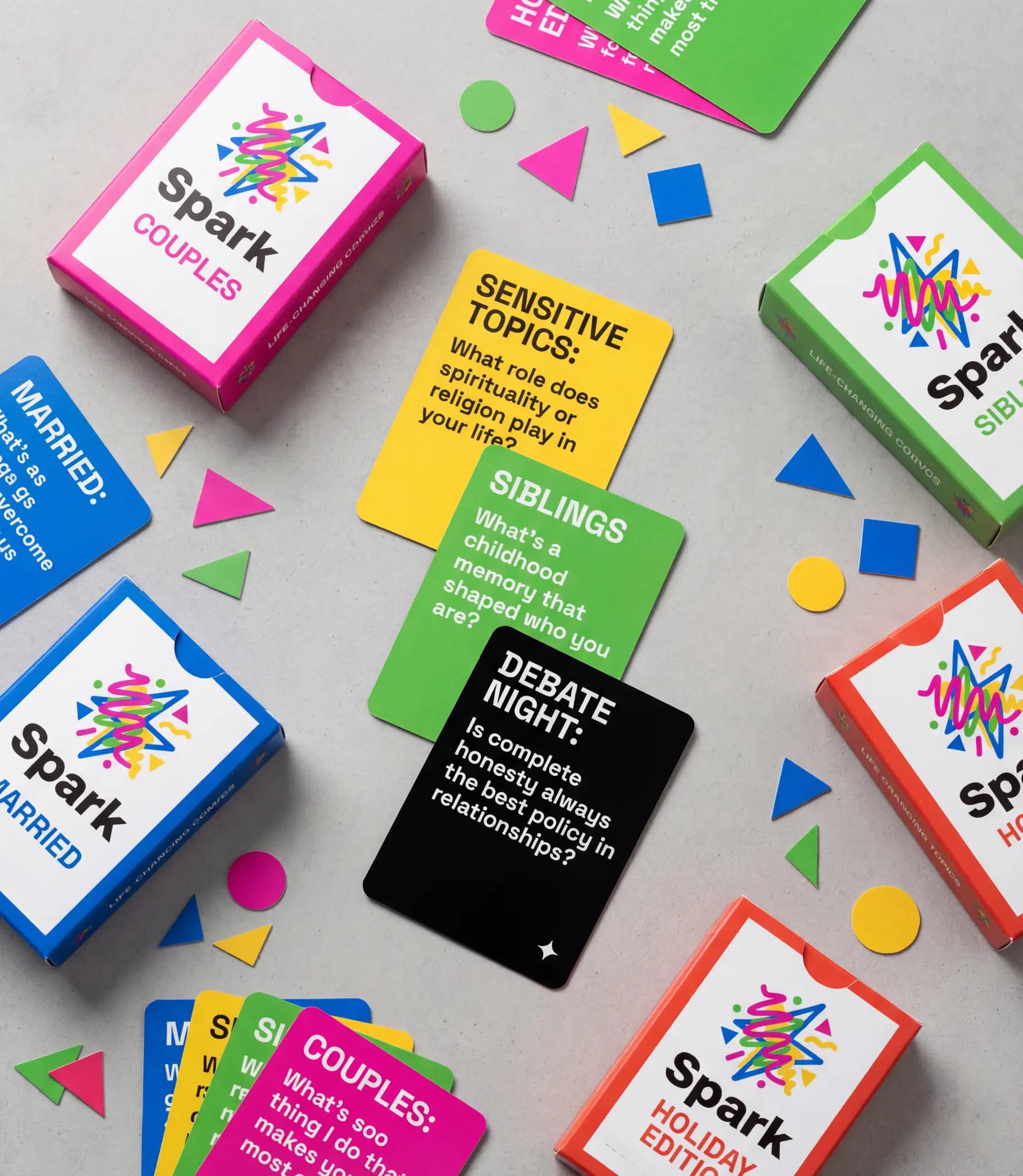
Effective conversation starters provide a low-pressure entry point into social interaction by focusing on shared experiences or open-ended questions. By shifting the focus from yourself to the other person, these 50 prompts help bridge social gaps, reduce anxiety, and foster genuine connection in any setting, from networking events to casual gatherings.
The Psychology of Social Openers in 2026
In 2026, as digital interactions continue to saturate our daily lives, the value of meaningful, face-to-face conversation has reached a premium. Human connection is fundamentally built on the "Social Exchange Theory," which suggests that social behavior is the result of an exchange process. When you initiate a conversation with a thoughtful question, you are offering a social "gift"—an opportunity for the other person to share their narrative.
The primary hurdle most people face is the "Spotlight Effect," a psychological phenomenon where individuals overestimate how much others notice their flaws or social awkwardness. By utilizing pre-validated conversation starters, you effectively bypass the cognitive load of "searching for something to say," allowing you to focus on active listening and non-verbal cues. The goal of a starter is not to be the most brilliant person in the room, but to be the most interested.
50 Conversation Starters for Every Environment
To navigate any social landscape, it is helpful to categorize starters by the "risk" and "reward" they offer. Low-risk questions are perfect for strangers, while high-reward questions are better suited for deepening existing acquaintanceships.
1. Casual and Everyday Icebreakers
These are designed for the "warm-up" phase of an interaction. They are non-threatening and easy to answer.
- "What was the highlight of your day so far?" This shifts the focus toward positivity immediately.
- "Are you working on anything exciting outside of your usual routine?" This allows the person to talk about hobbies without being asked the dreaded "What do you do?"
- "What’s the best thing you’ve eaten recently?" Food is a universal unifier and usually leads to local recommendations.
- "Do you have any trips or local outings planned for the upcoming season?"
- "What is a show or movie you’ve watched lately that you actually finished?" In an era of infinite content, finishing a series is a sign of high quality.
- "How do you usually spend your weekend mornings?"
- "Is there a local spot nearby that you think is a hidden gem?"
- "What’s the most interesting thing you’ve learned this week?"
- "Have you found any new music or podcasts that have stuck with you?"
- "What’s one thing you’re looking forward to before the month ends?"
2. Professional and Networking Starters
In professional environments, the goal is to establish rapport without sounding like an interrogation.
- "What brought you to this event today?"
- "How did you first get started in your current industry?"
- "What is the most significant change you’ve seen in your field over the last year?"
- "Are there any specific challenges you’re looking to solve right now?"
- "What is one piece of advice you’d give to someone starting out in your role?"
- "Which speaker or session has been your favorite so far?"
- "How do you stay updated with everything happening in your industry?"
- "What is a project you’re working on that you’re particularly proud of?"
- "If you weren't doing this, what other career path do you think you would have enjoyed?"
- "What’s a common myth about your job that you’d love to debunk?"
3. Deep and Thought-Provoking Prompts
Use these when you have established some level of comfort. They help transition from small talk to "big talk."
- "What is a life lesson you had to learn the hard way?"
- "Who has been the most influential person in your life recently?"
- "If you could have a conversation with your younger self, what one thing would you tell them?"
- "What does a 'perfect day' look like for you in 2026?"
- "What is a belief you held for a long time that you recently changed your mind about?"
- "What is something you’ve always wanted to learn but haven't had the chance yet?"
- "What do you want to be remembered for?"
- "If you could live in any era of history, which one would you choose and why?"
- "What is the most courageous thing you’ve ever done?"
- "What is a 'small' thing that makes your life significantly better?"
4. Creative and Hypothetical Starters
These are excellent for dinner parties or social gatherings where the vibe is lighthearted and imaginative.
- "If you could be an expert in any subject overnight, what would it be?"
- "What would you do with an extra three hours of free time every day?"
- "If you were to open a themed café, what would the theme be?"
- "What is the most useless talent you possess?"
- "If you could only eat one cuisine for the rest of your life, what would it be?"
- "You’ve just been given a round-trip ticket to anywhere—where are you going?"
- "If you could inhabit the life of any fictional character for a day, who would it be?"
- "What’s the most 'random' fact you know that always surprises people?"
- "If you were to write a book, what would the first chapter be about?"
- "What’s your 'guilty pleasure' movie or song that you’ll never stop loving?"
5. Context-Specific and Observation-Based
These rely on the "here and now," making them feel very natural and less rehearsed.
- "This venue is interesting—have you been here before?"
- "I love the atmosphere here; it reminds me of [Place]. Have you ever been there?"
- "That’s a unique [accessory/item]—is there a story behind it?"
- "I’m trying to decide what to order; do you have a favorite item here?"
- "It’s so [weather-related observation] today; does this affect your usual plans?"
- "I noticed you were [activity, e.g., reading a specific book]; what’s your take on it so far?"
- "How do you know the host of this gathering?"
- "I’m new to this area—what’s one thing I absolutely have to see?"
- "The energy in here is great today. What do you think is causing it?"
- "I’m looking for a new [recommendation, e.g., app, gym, coffee shop]. Do you have a favorite?"
The Art of the Follow-Up
Starting the conversation is only 20% of the battle. The real "spark" happens during the follow-up. According to research published by the Harvard Study of Adult Development, the quality of our relationships is the primary predictor of long-term health and happiness. Quality relationships are built through "active constructive responding."
When someone answers your starter, avoid the temptation to immediately pivot the story back to yourself. Instead, use "The Second Question" technique. If they say they enjoyed a trip to Japan, don't say, "Oh, I've been there too!" Instead, ask, "What was the most unexpected thing you encountered while you were there?" This signals that you are genuinely listening and encourages them to expand their narrative.
Mastering Non-Verbal Delivery
Technical proficiency in conversation starters must be supported by appropriate non-verbal cues. In social psychology, the "7-38-55 Rule" (often attributed to Albert Mehrabian) suggests that a significant portion of communication is non-verbal. While the exact percentages are debated in modern contexts, the core principle remains: how you say it matters as much as what you say.
| Aspect of Delivery | Best Practice | Why It Works |
|---|---|---|
| Eye Contact | Maintain for 60-70% of the time. | Builds trust without becoming intimidating or aggressive. |
| Body Language | Keep an "open" stance (arms uncrossed). | Signals receptivity and reduces the perceived "threat" of a stranger. |
| Tone of Voice | Use a "downward inflection" at the end of statements. | Upward inflections (upspeak) can make you sound uncertain or needy for approval. |
| Proximity | Respect personal space (approx. 3-4 feet). | Prevents the other person from feeling crowded or defensive. |
| Mirroring | Subtly mimic the other person's energy level. | Creates a psychological "click" or sense of familiarity (Isopraxism). |
Overcoming the Fear of the "Awkward Silence"
Silence is a natural part of human speech, yet many fear it as a sign of failure. In 2026, social experts emphasize that silence can be used as a tool for "digestive listening." When a conversation hits a lull, you don't always need a new starter. Sometimes, a simple "Tell me more about that" or a thoughtful "I see what you mean" provides the space needed for the other person to dig deeper into their thoughts.
If the silence feels truly stagnant, use the "Environmental Pivot." Look around the room and find a new shared observation (Starter #41-50) to reset the momentum. Remember, you are not responsible for carrying 100% of the conversational weight; it is a collaborative effort.
Strategic Selection: Which Starter to Use?
Choosing the right starter depends on the "Social Temperature" of the room. Using a Deep/Philosophical prompt (#21-30) at a fast-paced business mixer might feel jarring. Conversely, using a basic Casual Icebreaker (#1-10) with someone you’ve known for a year can make the relationship feel stagnant.
High-Energy Environments: Stick to short, observational, or creative prompts. People have short attention spans in loud, crowded rooms. Low-Energy/Intimate Environments: This is where philosophical and deep prompts thrive. The quiet allows for the reflection these questions require. One-on-One Networking: Focus on professional journey questions (#11-20). These establish your interest in their expertise and pave the way for future collaboration.
Common Mistakes to Avoid
- The "Interview" Trap: Asking three starters in a row without sharing anything about yourself makes the interaction feel like an interrogation. Balance their answers with brief, relevant disclosures of your own.
- The "Wait to Speak" Syndrome: If you are mentally rehearsing your next question while they are talking, you aren't listening. People can sense when you are "checked out," which kills rapport instantly.
- Controversial "Hot Takes": While 2026 has seen a return to authentic discussion, jumping straight into politics, religion, or polarizing social issues with a stranger is still considered a high-risk move that can end a discussion before it starts.
Frequently Asked Questions
What should I do if someone gives a one-word answer? One-word answers usually indicate either social anxiety or a lack of interest. Try one follow-up question that is slightly more specific. For example, if they say "Fine" to "How was your day?", follow up with "What was the most challenging part of it?" If they still offer nothing, gracefully exit the conversation with a polite "It was nice meeting you" rather than forcing the interaction.
How do I transition from a starter to a full conversation? The transition happens through "free information." Listen for nouns or emotions in their answer. If they say, "I went to the park because I was stressed," you can follow up on the "park" (the location) or the "stressed" (the emotion). Following the emotion usually leads to a deeper connection.
Are these starters effective for text or digital messaging? Yes, but they require slight modification. In text, context is king. Using a Creative/Hypothetical prompt (#31-40) works well because it gives the other person time to think and reply when they aren't busy. Avoid using context-specific prompts unless you are both viewing the same digital event or content.
How can I remember these when I'm feeling nervous? Don't try to memorize all 50. Pick "The Big Three"—one casual, one professional, and one creative—that feel natural to your personality. Having just three reliable options in your "back pocket" reduces cognitive overwhelm and gives you a starting point for almost any situation.
Is it okay to use the same starter with multiple people at the same event? Absolutely. In fact, using the same "anchor" question can help you compare different perspectives and makes you more comfortable as the night progresses. Just ensure you aren't asking the same question to a group of people who are all standing together, as it will sound rehearsed.
Practical Recommendation for Immediate Success
To see an immediate improvement in your social confidence, commit to the "Rule of Three" this week. Identify three social opportunities—a grocery store line, a morning meeting, or a community gathering—and use one of the Casual or Observation-based starters from the list above. Do not worry about the length of the conversation; simply focus on the act of initiation. By 2026 standards, the simple act of reaching out is a powerful way to build social "muscle" and expand your personal and professional network.