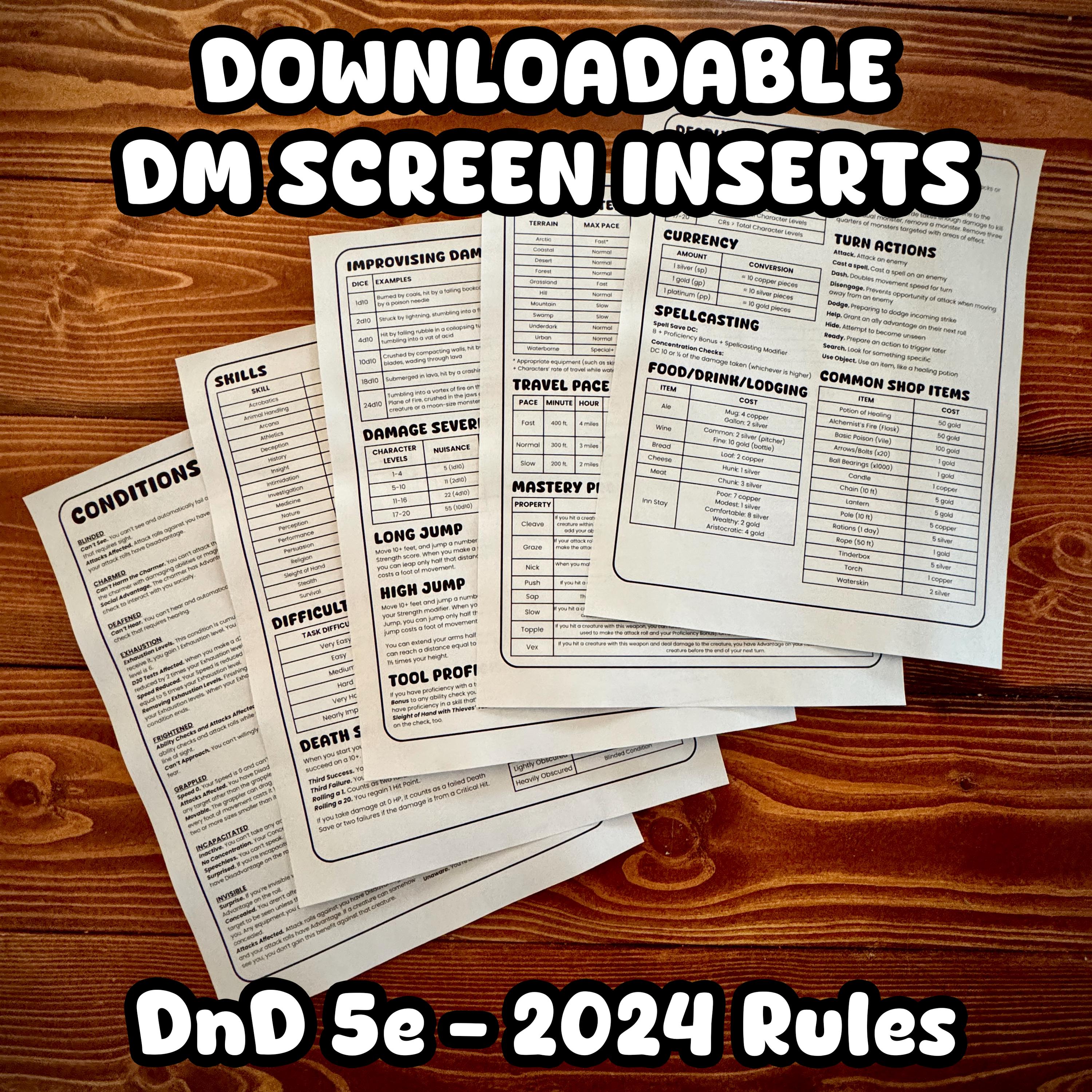
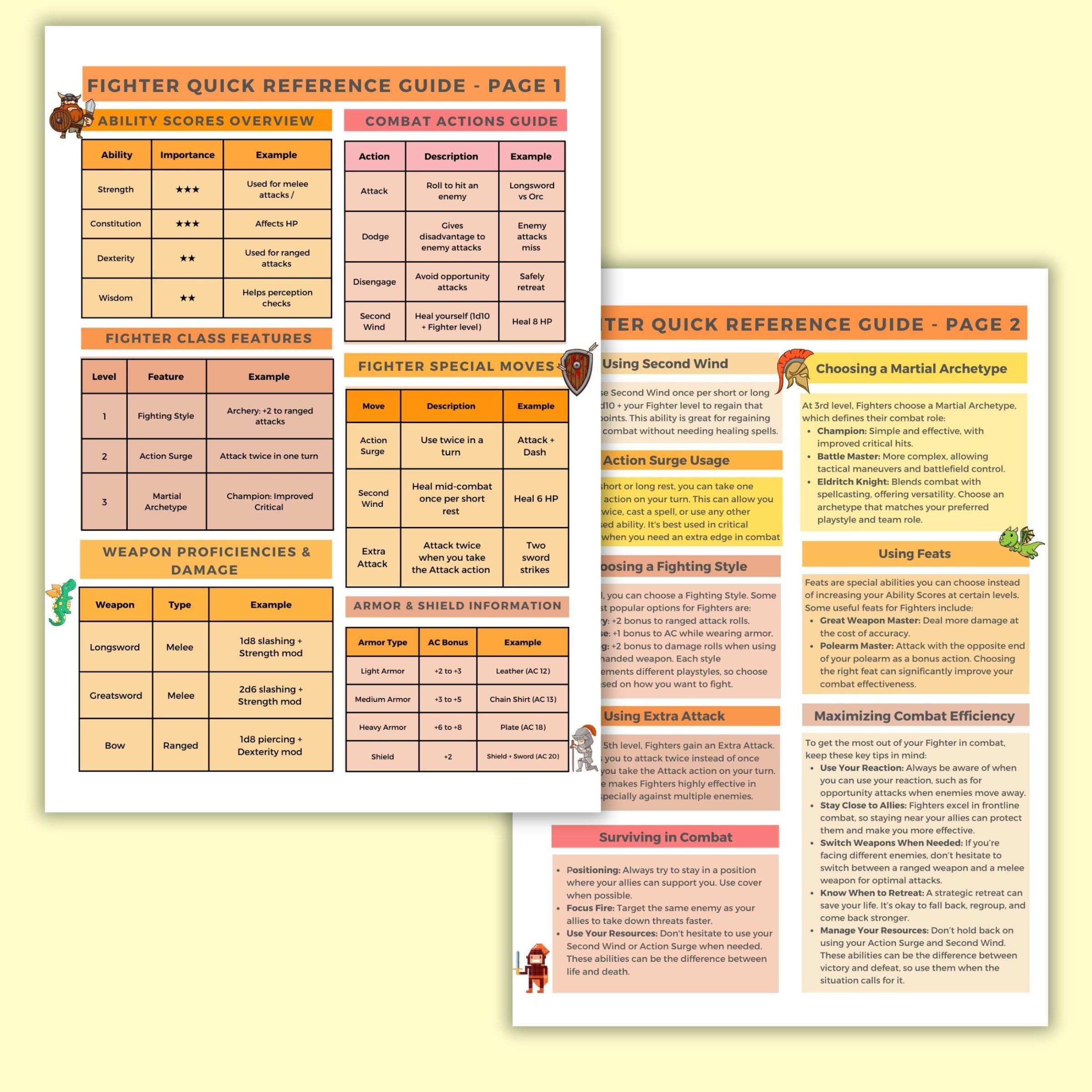
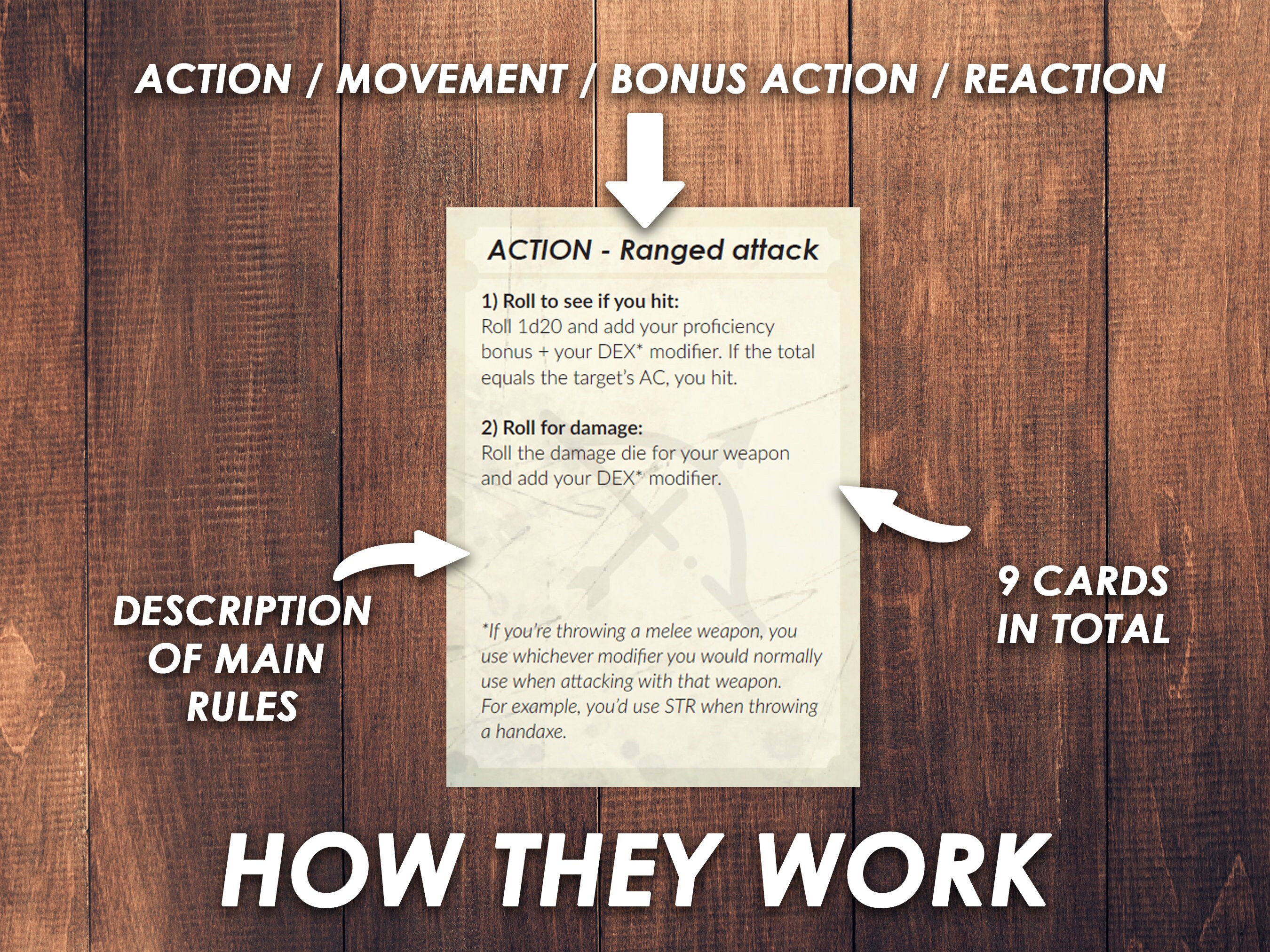
The 5e rules refer to the fifth edition rule set of Dungeons & Dragons, published by Wizards of the Coast. This system provides a streamlined framework for tabletop roleplaying, balancing accessibility for newcomers with strategic depth through core mechanics like advantage and disadvantage, proficiency bonuses, and action economy.
Introduction to the Fifth Edition Framework
The landscape of tabletop roleplaying games shifted significantly when Wizards of the Coast introduced the fifth edition of Dungeons & Dragons, commonly known as 5e rules. Designed to bridge the gap between the complex mathematical granularity of the third edition and the streamlined, tactical board-game feel of the fourth edition, 5e focuses heavily on natural language processing, modular design, and a return to theater-of-the-mind flexibility.
At its heart, the system is designed to facilitate collaborative storytelling between a Dungeon Master (DM), who adjudicates the world and non-player characters, and a group of players who control individual adventurers. Understanding how these mechanics interact is essential for anyone looking to run a game or build a sustainable, rules-compliant character. By mastering the core loop of calling for checks, resolving combat, and managing resources, participants ensure a smooth and engaging campaign experience.
The Core Mechanic: The D20 Test and Bounded Accuracy
Nearly every resolution in the fifth edition system relies on a single fundamental mechanism: the d20 test. Whenever a character attempts an action whose success is uncertain, the player rolls a twenty-sided die, adds a relevant ability modifier, and adds their proficiency bonus if they are trained in that specific task.
Ability Scores and Modifiers
Characters possess six core ability scores: Strength, Dexterity, Constitution, Intelligence, Wisdom, and Charisma. Each score typically ranges from 1 to 20 for adventurers, with 10 representing the average human baseline. The modifier derived from these scores is calculated by taking the ability score, subtracting 10, and dividing by 2 rounding down. This modifier is added to initiative, skill checks, saving throws, and attack rolls.
Advantage and Disadvantage
Rather than tracking a myriad of minor numerical modifiers, the 5e rules system utilizes advantage and disadvantage.
- Advantage allows the player to roll two d20 dice and take the higher result. This represents favorable conditions, such as attacking a blinded enemy or receiving strategic aid.
- Disadvantage requires rolling two dice and taking the lower result, representing environmental or tactical hindrances, such as firing a ranged weapon in heavy rain or while heavily encumbered.
- Multiple instances of advantage or disadvantage do not stack; they cancel each other out completely, leaving a single standard d20 roll.
Bounded Accuracy
A defining mathematical philosophy of this edition is bounded accuracy. Unlike previous editions where character modifiers scaled into the dozens or hundreds, making low-level monsters irrelevant, 5e keeps bonuses tightly restricted. Proficiency bonuses scale modestly from +2 at level 1 to +6 at level 20, and maximum core stats rarely exceed 20 without magical intervention. This design philosophy ensures that low-level monsters can still pose a credible threat to high-level adventurers in groups, preserving the danger and tactical depth of encounters across all tiers of play.
Character Creation and Advancement
Building a character within the 5e rules framework involves combining choices regarding race (or species), class, background, and ability score allocation. These choices define not only a character's mechanical capabilities but also their narrative integration into the world.
Classes and Archetypes
A character's class dictates their primary role in combat, exploration, and social interaction. Ranging from martial powerhouses like Fighters and Barbarians to mystical spellcasters like Wizards and Clerics, each class gains foundational features at level 1 and unlocks a subclass (such as a Druid Circle or a Paladin Oath) typically between levels 1 and 3. Subclasses drastically alter gameplay mechanics, allowing two characters of the same base class to play entirely different roles.
Proficiency and Skill System
Proficiency represents a character's specialized training. When a character is proficient in a skill, tool, weapon, or saving throw, they add their proficiency bonus to the d20 roll. The skills available cover a broad spectrum of adventuring pillars:
- Strength: Athletics
- Dexterity: Acrobatics, Sleight of Hand, Stealth
- Intelligence: Arcana, History, Investigation, Nature, Religion
- Wisdom: Animal Handling, Insight, Medicine, Perception, Survival
- Charisma: Deception, Intimidation, Performance, Persuasion
Action Economy in Combat
Combat encounters are structured into rounds and turns, governed strictly by the action economy. Understanding how to spend resources during a six-second combat round is vital for tactical survival.
The Turn Structure
During a creature's turn, it can move up to its speed and take actions. The standard components available on a turn include:
- Movement: Can be split up before, during, or after actions and bonus actions.
- Action: The primary activity, such as taking the Attack action, casting a spell, Dodge, Dash, Disengage, Hide, or Help.
- Bonus Action: A secondary action granted by specific features, spells, or feats (e.g., a Rogue’s Cunning Action). A creature can only take one bonus action per turn if available.
- Reaction: An instantaneous response to a trigger outside of the creature's turn, such as an Opportunity Attack or the Shield spell. Each creature gets one reaction per round.
- Object Interaction: Interacting with one free object or feature of the environment, such as drawing a sword or opening an unlocked door.
Comparison of Core Combat Actions
| Action | Mechanical Purpose | Common Use Case |
|---|---|---|
| Attack | Make one or more weapon or unarmed attacks. | Standard offensive option for martial characters. |
| Cast a Spell | Cast a spell with a casting time of 1 action. | Primary offensive/support option for spellcasters. |
| Dodge | Focus entirely on avoiding attacks; attackers have disadvantage. | Defensive posture when cornered or awaiting healing. |
| Disengage | Prevent opportunity attacks when moving out of reach. | Safely retreating from a threatening melee enemy. |
| Dash | Gain extra movement equal to your speed for the turn. | Closing distance or fleeing across a map. |
| Hide | Make a Stealth check to become heavily obscured. | Ambush setups and ranged tactical positioning. |
Magic System and Spellcasting Mechanics
Magic in the fifth edition is categorized into distinct schools and spell levels ranging from 0 (cantrips) to 9. Unlike older editions where spellcasters exhausted individual spell slots per specific spell, 5e utilizes a pool of spell slots shared across spells of the same level, offering greater tactical flexibility.
Components of Spellcasting
To successfully cast a spell, a caster must fulfill its required components, noted in the spell description:
- Verbal (V): Spoken incantations requiring a clear voice and the ability to speak.
- Somatic (S): Precise physical gestures requiring free movement of at least one hand.
- Material (M): Physical substances or objects consumed or held via a spellcasting focus or component pouch.
Concentration
Many impactful spells require concentration to maintain. A caster can only concentrate on one spell at a time. Taking damage forces the caster to make a Constitution saving throw (DC 10 or half the damage taken, whichever is higher) to maintain the spell. Casting another concentration spell automatically drops the first one.
Frequently Asked Questions
What are the core rulebooks for 5e?
The foundational 5e rules are contained within three primary hardbound books: the Player’s Handbook, which details character creation, rules, and spells; the Monster Manual, which provides statistics and lore for adversaries; and the Dungeon Master’s Guide, which offers world-building tools and adjudication guidelines for running games.
How does advantage work with multiple sources?
Advantage and disadvantage do not stack numerically. If you have two sources of advantage and one source of disadvantage on a single roll, they completely neutralize each other, resulting in a single standard d20 roll without modification.
Can you move between attacks with the Extra Attack feature?
Yes. If a feature like the Fighter's Extra Attack grants you multiple attacks as part of a single Attack action, you can break up that movement, moving between your first and subsequent attacks during your turn.
What happens when a character drops to 0 hit points?
When a character reaches 0 hit points, they fall unconscious and begin making death saving throws at the start of each of their turns. Rolling a 10 or higher is a success, while a 9 or lower is a failure. Accumulating three successes stabilizes the character, while three failures result in character death. Taking damage while at 0 hit points incurs automatic death save failures.
Conclusion and Next Steps
Mastering the 5e rules requires a balance of understanding core mechanics and maintaining flexibility at the table. Whether you are building your first character or designing an expansive homebrew campaign, start by anchoring your understanding in the basic d20 test, action economy, and bounded accuracy principles. Review the Player's Handbook sections on combat and spellcasting to resolve disputes quickly, allowing your group to focus on collaborative storytelling and tactical engagement.