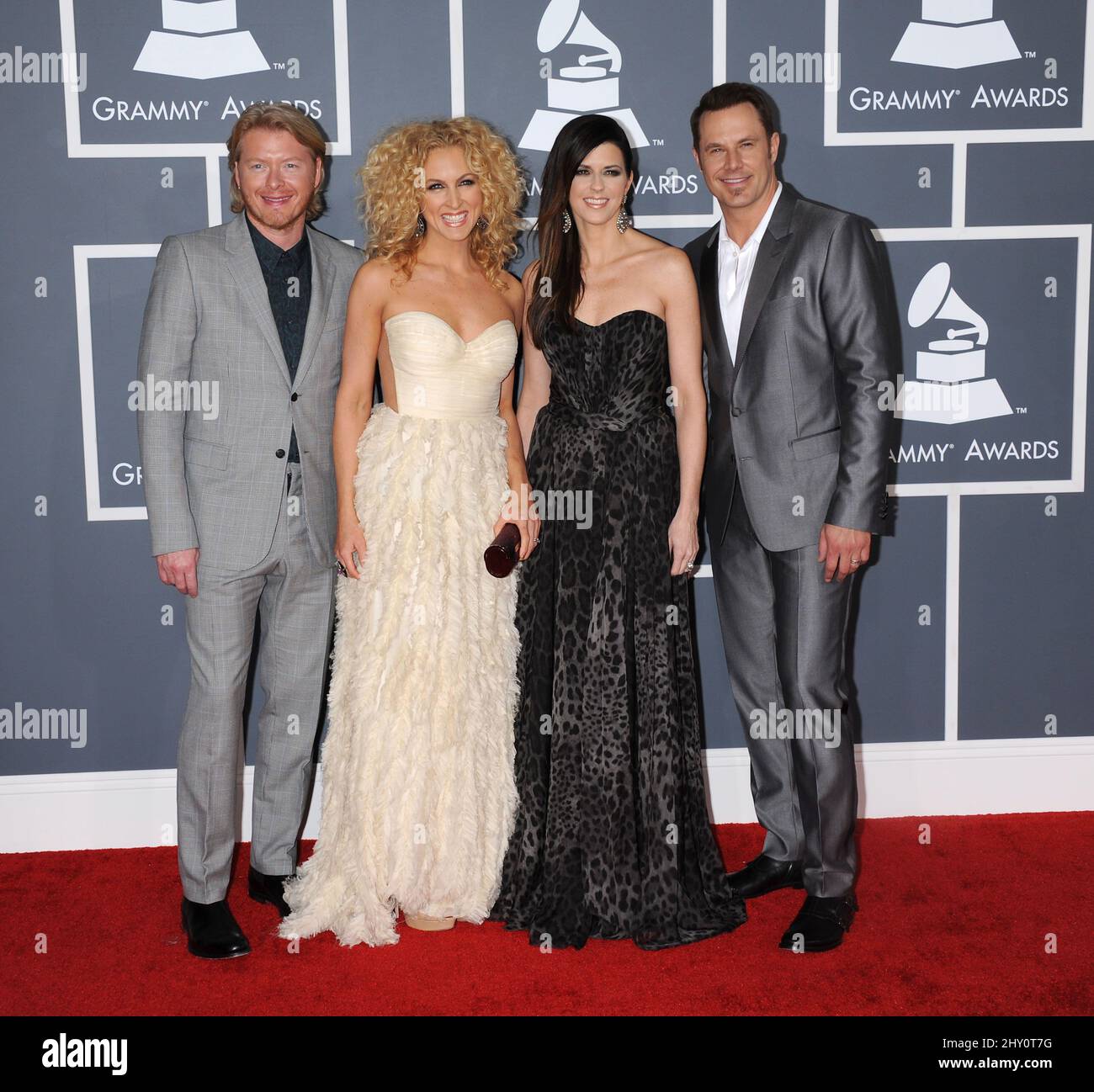
The 55th Annual Grammy Awards, held on February 10, 2013, at the Staples Center in Los Angeles, celebrated the finest recordings, compositions, and artists of the eligibility year spanning from October 1, 2011, to September 30, 2012. Hosted by rapper and actor LL Cool J, the ceremony recognized monumental achievements across multiple genres, highlighted by major wins for fun., Gotye, Mumford & Sons, and Dan Auerbach of The Black Keys, while establishing a broadcasting standard for future music industry galas through memorable live performances and strict production protocols.
Background and Context of the 55th Annual Grammy Awards
The National Academy of Recording Arts and Sciences (NARAS) orchestrated the 55th Annual Grammy Awards to honor commercial success and critical excellence in the global recording industry. By 2013, the Grammy brand had evolved significantly in its broadcasting strategy, shifting toward multi-platform engagement while maintaining its core peer-voted prestige.
Eligibility and Voting Mechanics
Eligibility for the 55th Grammy Awards required recordings to have been commercially released within the specific eligibility window. Submissions were vetted by more than 150 genre-specific screening committees composed of voting members. These committees ensured that entries were correctly categorized—such as separating traditional pop vocal albums from contemporary pop albums—before the primary voting rounds commenced.
The voting process occurred in two primary phases:
- The Nominating Ballot: Voting members cast ballots in their fields of expertise to determine the top five nominees in each category.
- The Final Voting Ballot: Members voted across a restricted number of general categories (such as Album of the Year, Record of the Year, Song of the Year, and Best New Artist) and up to 30 genre categories to establish the ultimate winners.
The Dress Code Controversy and Media Scrutiny
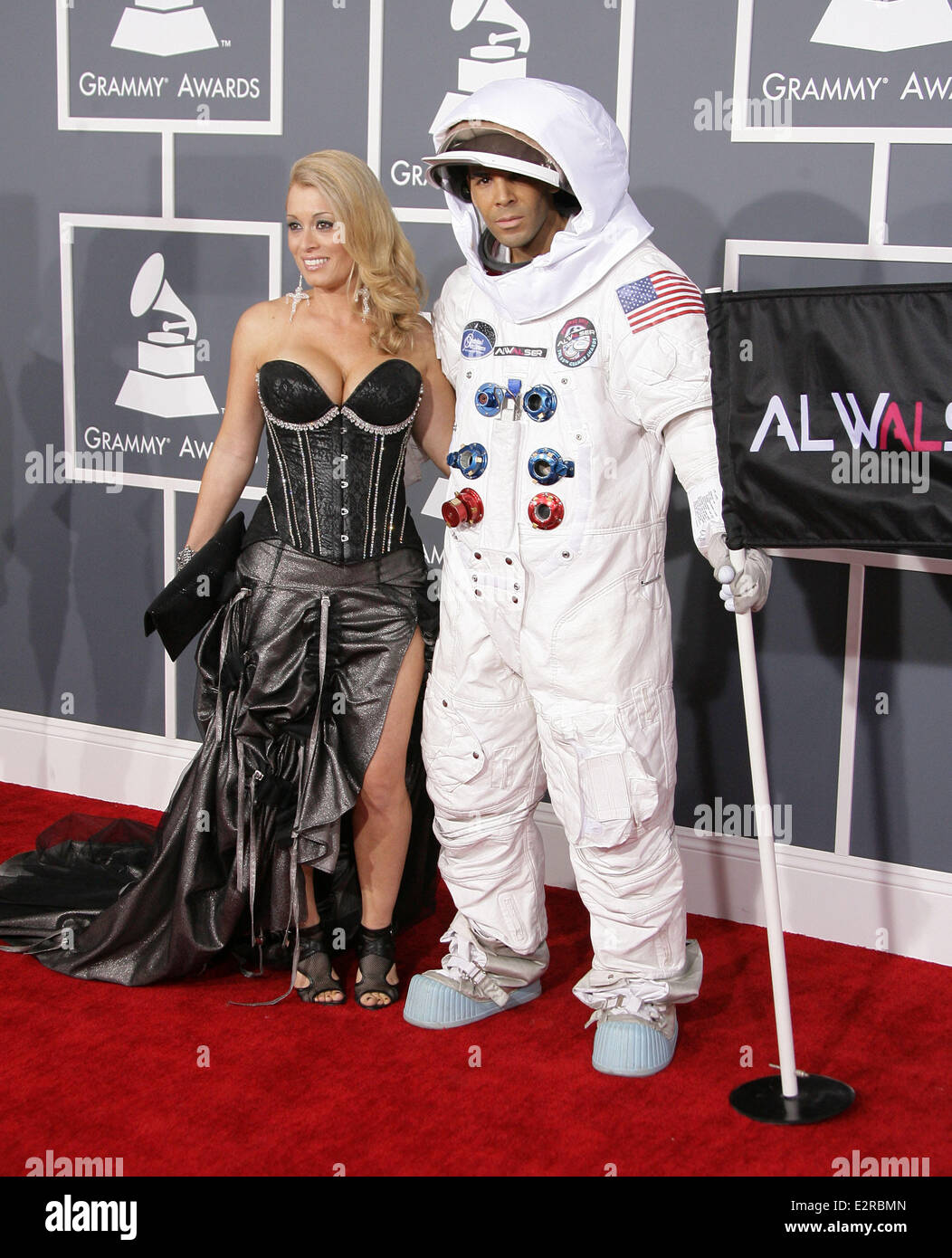
In the weeks leading up to the ceremony, CBS issued a memo to attendees requesting that they adhere to a tasteful dress code. The network asked artists to avoid exposing female breasts, buttocks, or intimate body parts, and requested that thongs and sheer clothing revealing bare skin be avoided. While dubbed the "Grammy Dress Code" by media outlets, it became a talking point on the red carpet, prompting some attendees, such as Jennifer Lopez and Joy Villa in subsequent years, to playfully address the guidelines through their fashion choices.
Major Categories and Winners
The 55th Annual Grammy Awards featured 81 distinct categories, spanning pop, rock, rap, country, R&B, jazz, and classical genres. However, the four general-field awards—Record of the Year, Album of the Year, Song of the Year, and Best New Artist—captured the highest level of public and critical interest.
| Category | Winner | Nominees |
|---|---|---|
| Record of the Year | "Somebody That I Used to Know" – Gotye featuring Kimbra | "Lonely Boy" – The Black Keys"Stronger (What Doesn't Kill You)" – Kelly Clarkson"We Are Young" – fun. featuring Janelle Monáe"Thinkin Bout You" – Frank Ocean"We Are Never Ever Getting Back Together" – Taylor Swift |
| Album of the Year | Babel – Mumford & Sons | El Camino – The Black KeysSome Nights – fun.Channel Orange – Frank OceanBlunderbuss – Jack White |
| Song of the Year | "We Are Young" – Jack Antonoff, Jeff Bhasker, Andrew Dost, and Nate Ruess (fun.) | "Adorn" – Miguel Pimentel (Miguel)"Call Me Maybe" – Carly Rae Jepsen, Tavish Crowe, and Josh Ramsay"Stronger (What Doesn't Kill You)" – Jörgen Elofsson, David Gamson, Greg Kurstin, and Ali Tamposi (Kelly Clarkson)"Thinking About You" – Christopher Breaux and Malay (Frank Ocean) |
| Best New Artist | fun. | The LumineersFrank OceanHopeEd Sheeran |
Detailed Breakdown of Key Victories
Indie pop group fun. broke through the mainstream consciousness by taking home Song of the Year for their anthemic track "We Are Young" and securing the coveted Best New Artist trophy. Their collaboration with Janelle Monáe propelled them to the forefront of alternative pop.
Meanwhile, Belgian-Australian singer-songwriter Gotye triumphed in the Record of the Year category with "Somebody That I Used to Know" featuring Kimbra, alongside a win for Best Pop Duo/Group Performance. The track's distinctive acoustic guitar loop and haunting vocal pairing became a global cultural touchstone.
British folk-rock band Mumford & Sons claimed the prestigious Album of the Year award for Babel, besting tough competition from Frank Ocean's critically acclaimed Channel Orange and The Black Keys' El Camino. This victory underscored the commercial potency of modern roots and acoustic instrumentation during an era heavily dominated by electronic dance music and synth-pop.
Genre Highlights and Notable Sweeps
Beyond the general categories, several artists dominated their specific musical domains, proving that crossover appeal and specialized critical acclaim could coexist.
Rock and Alternative Dominance
Dan Auerbach of The Black Keys emerged as one of the night's biggest individual winners, taking home Producer of the Year, Non-Classical, alongside three additional Grammys for the band's work on El Camino and Dr. John's album Locked Down. The Black Keys won Best Rock Performance, Best Rock Song ("Lonely Boy"), and Best Rock Album, reinforcing traditional guitar-driven rock music's vitality at the ceremony.
R&B and Hip-Hop Milestones
Frank Ocean delivered a watershed moment for contemporary R&B. Channel Orange won Best Urban Contemporary Album, and Ocean secured Best Rap/Sung Collaboration for "No Church in the Wild" alongside Jay-Z, Kanye West, and The-Dream. His poignant live performance of "For Frank Ocean" and his prior public revelation regarding his personal life added profound cultural resonance to his nominations.
Jay-Z and Kanye West also dominated the rap categories. Their collaborative track "Niggas in Paris" (stylized for broadcast as "Paris") won Best Rap Performance and Best Rap Song, cementing the collaborative power of Watch the Throne.
Production and Memorable Live Performances
The 55th Annual Grammy Awards was widely praised for its high-concept live pairings and musical tributes. Executive producer Ken Ehrlich orchestrated numerous cross-genre collaborations that became defining television moments of 2013.
Tribute Performances
- Bob Marley Tribute: Bruno Mars, Rihanna, Sting, Damian Marley, and Ziggy Marley joined forces to honor the legendary reggae icon with a medley of his greatest hits, including "Could You Be Loved" and "Stir It Up."
- Levon Helm Tribute: Elton John, Mavis Staples, Zac Brown, Brittany Howard, Mumford & Sons, and T Bone Burnett paid homage to the late The Band drummer with a roots-laden rendition of "The Weight."
- Dave Brubeck Tribute: Pianists Chick Corea, Stanley Clarke, and Kenny Garrett honored the jazz master.
Standout Collaborations
- Black Keys, Dr. John, and The Preservation Hall Jazz Band: Blended gritty garage rock with New Orleans brass traditions.
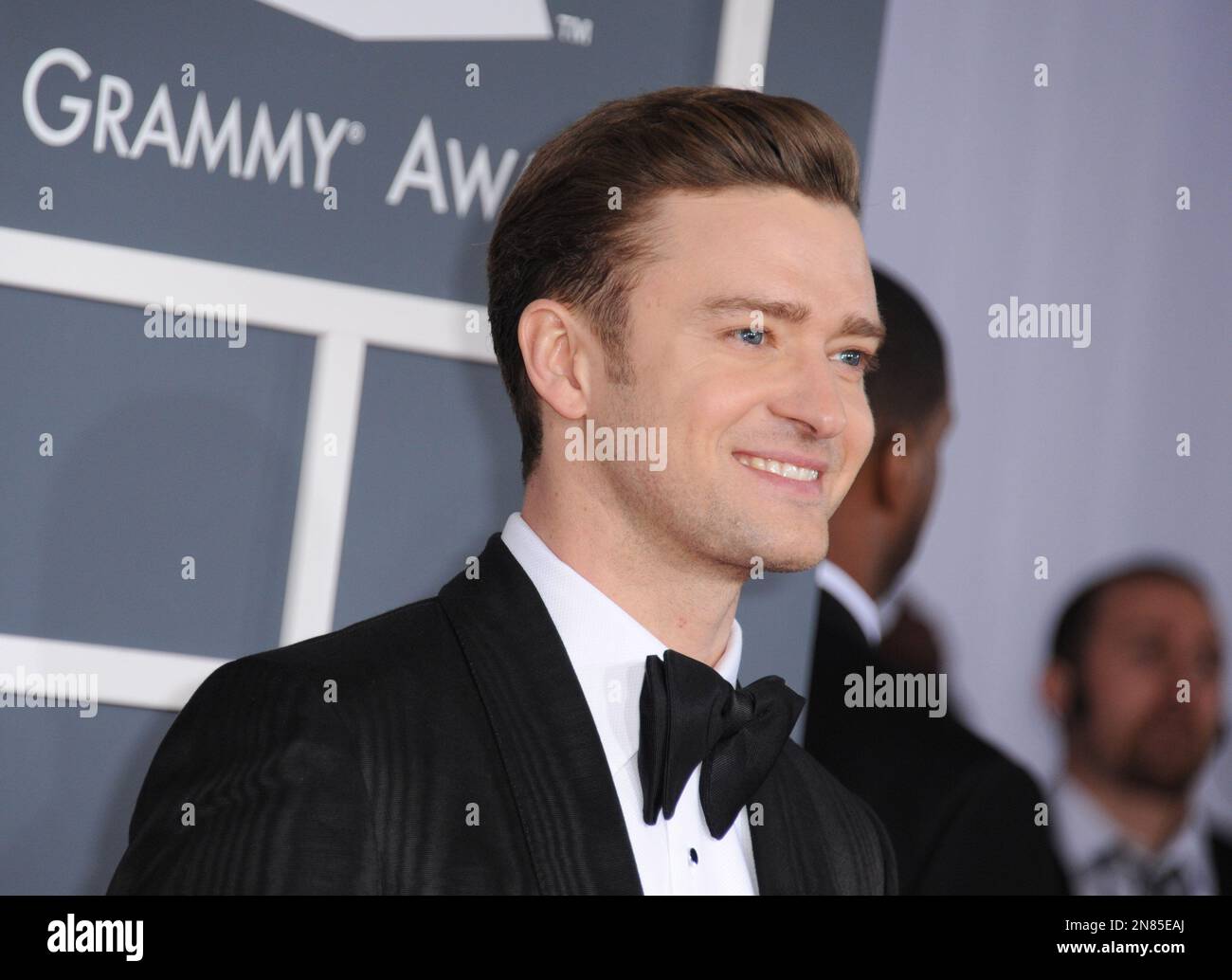
- Justin Timberlake: Marked his return to the Grammy stage after a seven-year hiatus, performing his singles "Suit & Tie" (with Jay-Z) and "Pusher Love Girl."
- Taylor Swift: Opened the ceremony with an elaborate, circus-themed performance of "We Are Never Ever Getting Back Together," incorporating a playful spoken-word bridge referencing an ex-boyfriend.
Criticism, Controversies, and Cultural Impact
No Grammy ceremony passes without debate regarding the Academy's voting integrity, genre categorizations, and perceived snubs. The 55th installment was no exception, generating substantial post-show discussion among music critics and fans alike.
The Album of the Year Debate
While Mumford & Sons won Album of the Year for Babel, music critics frequently debated whether the award should have gone to Frank Ocean's Channel Orange or Jack White's Blunderbuss. Channel Orange had achieved near-universal critical acclaim and shifted the sonic boundaries of modern R&B, leading many commentators to argue that the Recording Academy played it safe by awarding a traditional acoustic folk-rock release.
Electronic Dance Music (EDM) Integration
By 2013, electronic dance music had firmly penetrated American commercial radio. Skrillex won three Grammy Awards during the pre-telecast ceremony, including Best Dance/Electronica Album for Bangarang and Best Dance Recording for "Bangarang." These wins highlighted the Academy's ongoing efforts to adapt its categories to reflect contemporary listening habits, though purists debated whether the streamlined pop-EDM crossover tracks overshadowed underground electronic subgenres.
Legacy of the 55th Grammy Awards
A decade and a half later, the 55th Annual Grammy Awards remains a snapshot of a transitional period in popular music. It captured the twilight of traditional CD and early digital download dominance while anticipating the streaming era. Artists who swept the night—such as fun., Mumford & Sons, and Gotye—defined the indie-pop and folk-revival boom of the early 2010s, while boundary-pushing artists like Frank Ocean laid the groundwork for the genre-fluid musical landscape that followed.
Frequently Asked Questions
Who hosted the 55th Annual Grammy Awards?
Rapper, actor, and entrepreneur LL Cool J hosted the 55th Annual Grammy Awards ceremony. It was his second consecutive time hosting the event, having previously hosted the 54th Annual Grammy Awards in 2012.
Which artist won the most awards at the 55th Grammy Awards?
The rock duo The Black Keys (specifically Dan Auerbach) and alternative artist Skrillex tied for the most wins of the night, taking home three Grammy Awards each across various rock, alternative, and electronic categories.
What song won Record of the Year at the 55th Grammy Awards?
"Somebody That I Used to Know" by Belgian-Australian singer-songwriter Gotye, featuring New Zealand singer Kimbra, won the Grammy Award for Record of the Year.
How are Grammy Award winners determined?
Winners are determined by the voting members of the National Academy of Recording Arts and Sciences (NARAS). Members vote in their respective creative fields during the nominating round, and then participate in final voting across general categories and specialized genre fields.
Where was the 55th Annual Grammy Awards ceremony held?
The ceremony took place at the Staples Center (now known as the Crypto.com Arena) in Los Angeles, California, which has historically served as the primary venue for the Grammy Awards telecast.
Conclusion and Recommendations
Analyzing the 55th Annual Grammy Awards reveals how critical consensus, commercial success, and shifting industry trends intersect. For music historians, researchers, and pop culture enthusiasts examining this era, reviewing the complete nomination ballots via the official Recording Academy archives provides valuable context into how specific genres were evaluated. When studying music industry milestones, cross-reference televised performances with official winner lists to gain a complete picture of the artistic landscape of 2013.